What Is Driving the Next Phase of Digital Supply Chain Transformation in 2026?
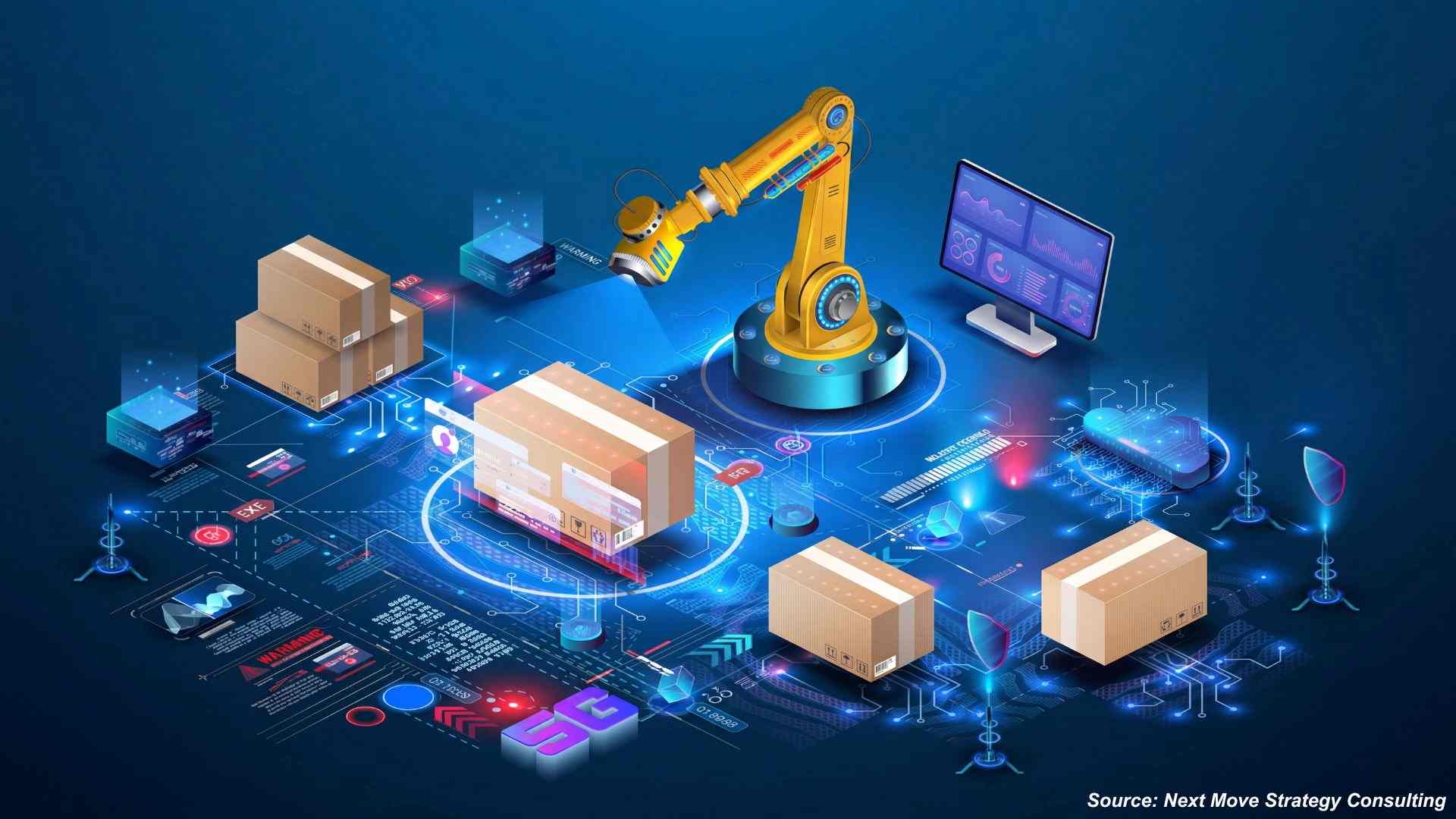
The modern supply chain is no longer defined solely by logistics and inventory movement. In 2026, organizations are increasingly relying on advanced technologies such as artificial intelligence (AI), machine learning, digital twins, and real-time analytics to improve visibility, resilience, and operational efficiency. This evolution is accelerating the adoption of the Digital Supply Chain across manufacturing, consumer goods, pharmaceutical, and logistics sectors.
Recent developments from Hindustan Unilever Limited (HUL) and the strategic partnership between Tech Mahindra and ParkourSC demonstrate how organizations are moving beyond traditional supply chain management toward intelligent, data-driven ecosystems. As market complexity grows and disruptions become more frequent, digital transformation is becoming a strategic necessity rather than an operational enhancement.
For investors, executives, and supply chain leaders, understanding these developments is essential for evaluating future growth opportunities and competitive positioning.
How Is Digital Supply Chain Transformation Creating Competitive Advantage?
Digital Supply Chain Market is increasingly becoming a key source of competitive advantage for organizations seeking higher efficiency, sustainability, and resilience.
A recent example is Hindustan Unilever Limited (HUL), where two additional facilities were recognized by the World Economic Forum's Global Lighthouse Network for successfully leveraging advanced technologies to enhance operational performance. At HUL's Gandhidham Personal Care facility, technologies such as artificial intelligence (AI), digital twins, machine learning, and advanced imaging systems have been integrated into core operations to improve water stewardship, product quality, energy optimization, and waste reduction.
How Are AI and Decision Intelligence Reshaping Supply Chain Visibility?
While operational efficiency remains important, supply chain leaders increasingly face challenges related to disruption management and decision-making speed.
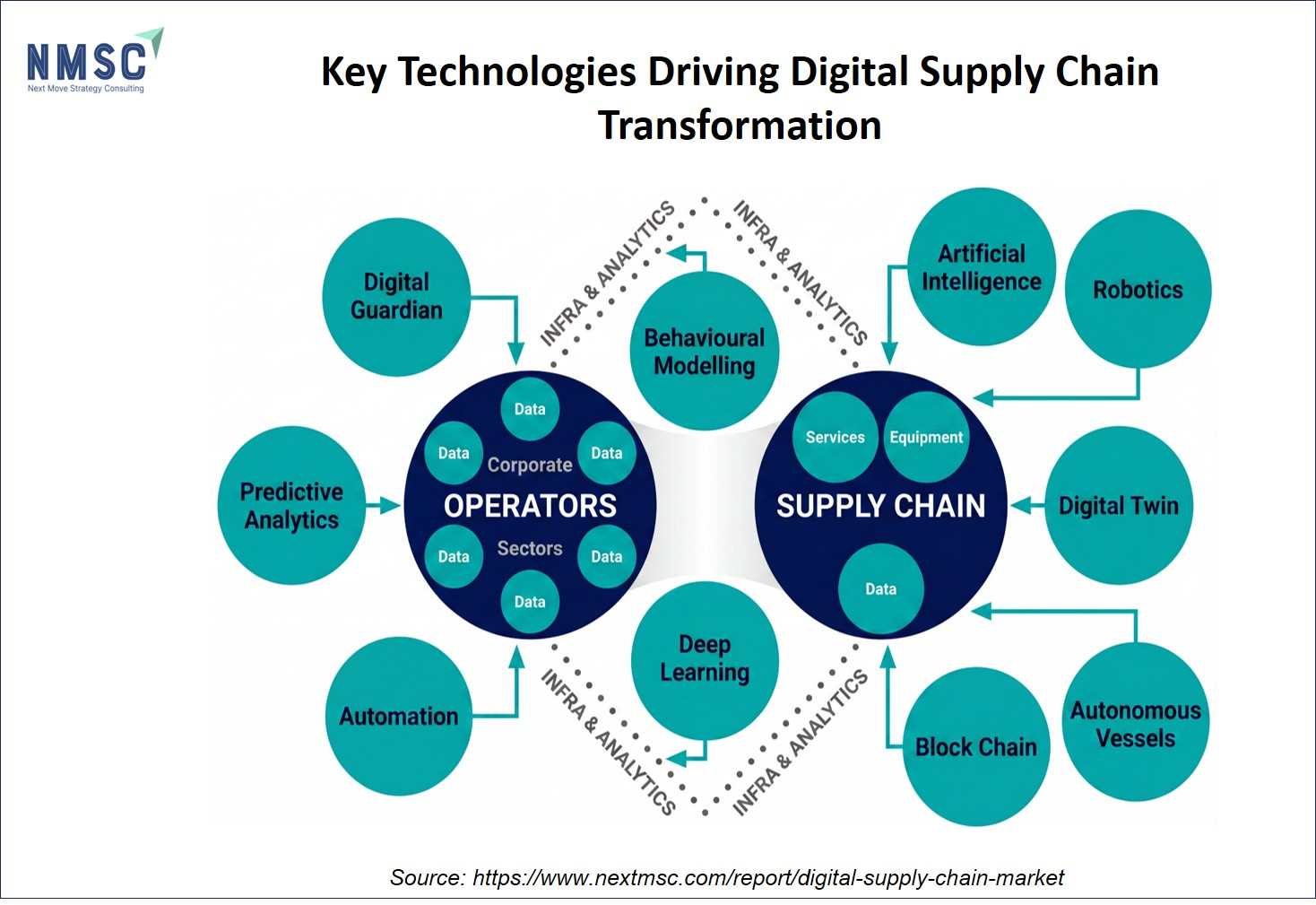
The partnership between Tech Mahindra and ParkourSC reflects this shift. Their joint solution combines digital supply chain engineering with AI-native Decision Intelligence capabilities to improve visibility across supply chain networks.
The platform enables organizations to:
-
Monitor supply chain conditions in real time.
-
Detect disruptions earlier.
-
Model potential scenarios through predictive analytics.
-
Improve response times through data-driven decision-making.
-
Enhance track-and-trace capabilities.
-
Monitor temperature-sensitive logistics environments.
Built on cloud-native architecture, the solution uses digital twins to create virtual representations of supply chain operations. This enables organizations to understand potential risks before they impact operations.
Although initially focused on pharmaceutical and cold chain logistics sectors, the solution also has applications across food and beverage, retail, and industrial industries.
For organizations operating in increasingly complex global environments, decision intelligence is emerging as a critical capability for maintaining continuity and protecting product integrity.
Industry Impact Analysis
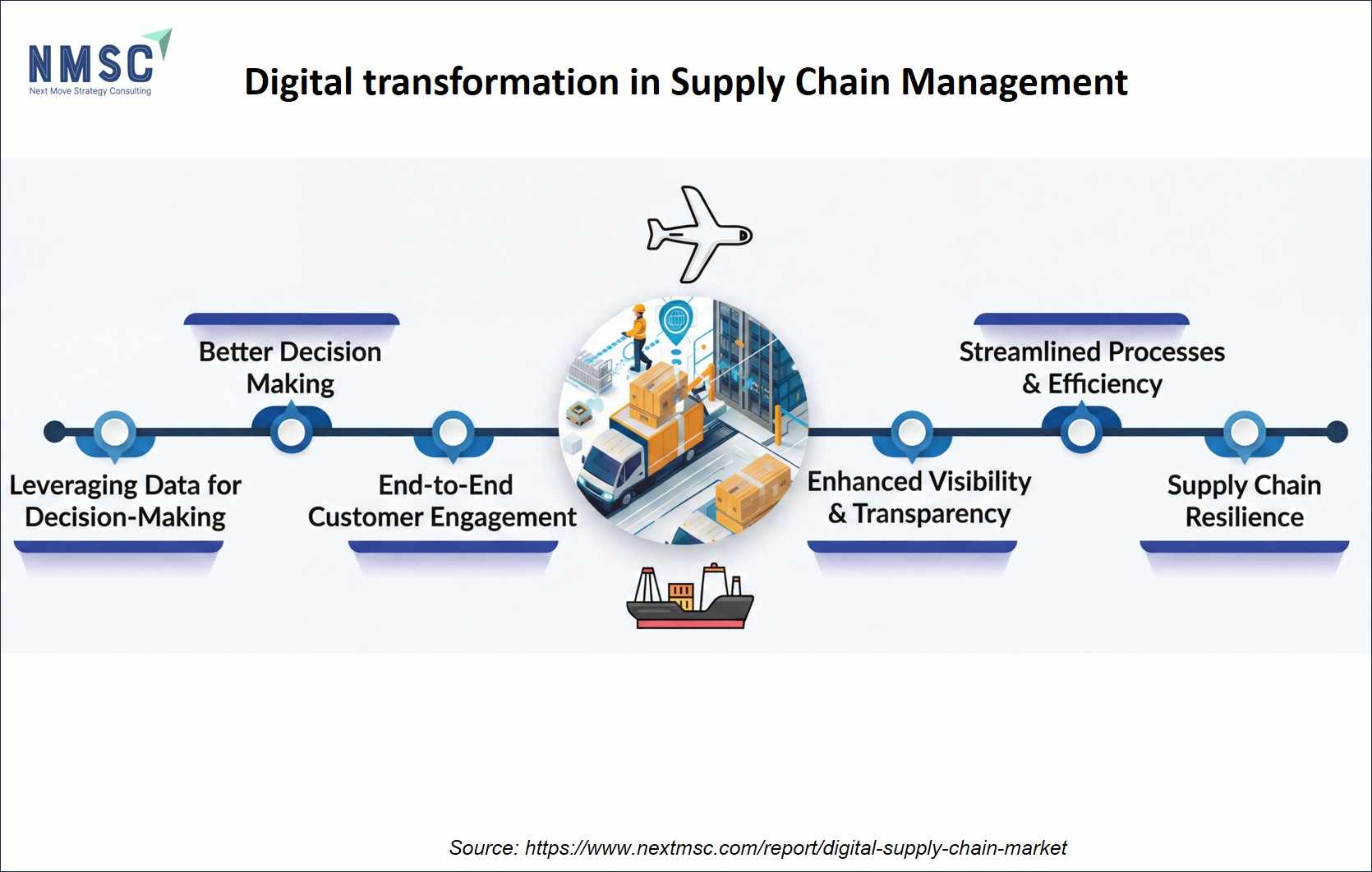
The broader impact of Digital Supply Chain adoption extends across several strategic priorities:
Operational Excellence
Automation and machine learning improve production quality, reduce downtime, and increase throughput.
Sustainability Performance
Digital technologies support resource optimization, waste reduction, and emissions management.
Supply Chain Resilience
Real-time monitoring and predictive analytics help organizations anticipate disruptions and respond more effectively.
Customer Responsiveness
Improved visibility enables faster fulfillment and more accurate demand management.
Strategic Growth
Organizations can scale production, expand product variety, and enter new markets without proportional increases in infrastructure.
What Could the Future Hold for Digital Supply Chain Strategies?
The latest developments indicate that future supply chain investments will increasingly focus on three interconnected capabilities:
AI-Driven Decision Making
Organizations are moving from reactive management to predictive operations.
Digital Twin Expansion
Virtual supply chain models are becoming essential tools for visibility and optimization.
Integrated Resilience Frameworks
Businesses are prioritizing systems capable of balancing efficiency, sustainability, and risk management simultaneously.
The growing recognition from institutions such as the World Economic Forum and increasing investment in AI-powered supply chain platforms suggest that intelligent supply chain ecosystems will continue to gain strategic importance.
Competitive Landscape of the Digital Supply Chain Industry
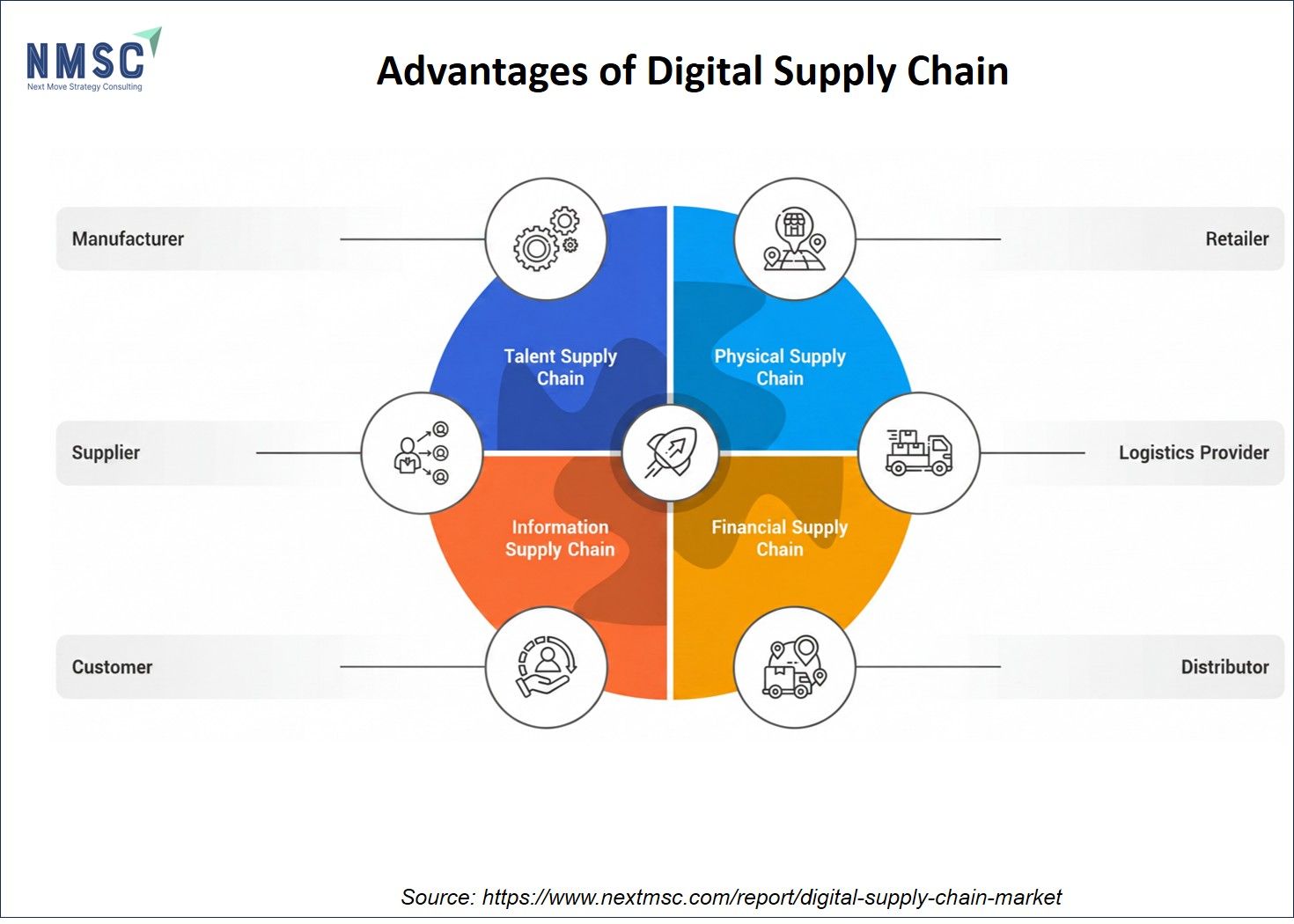
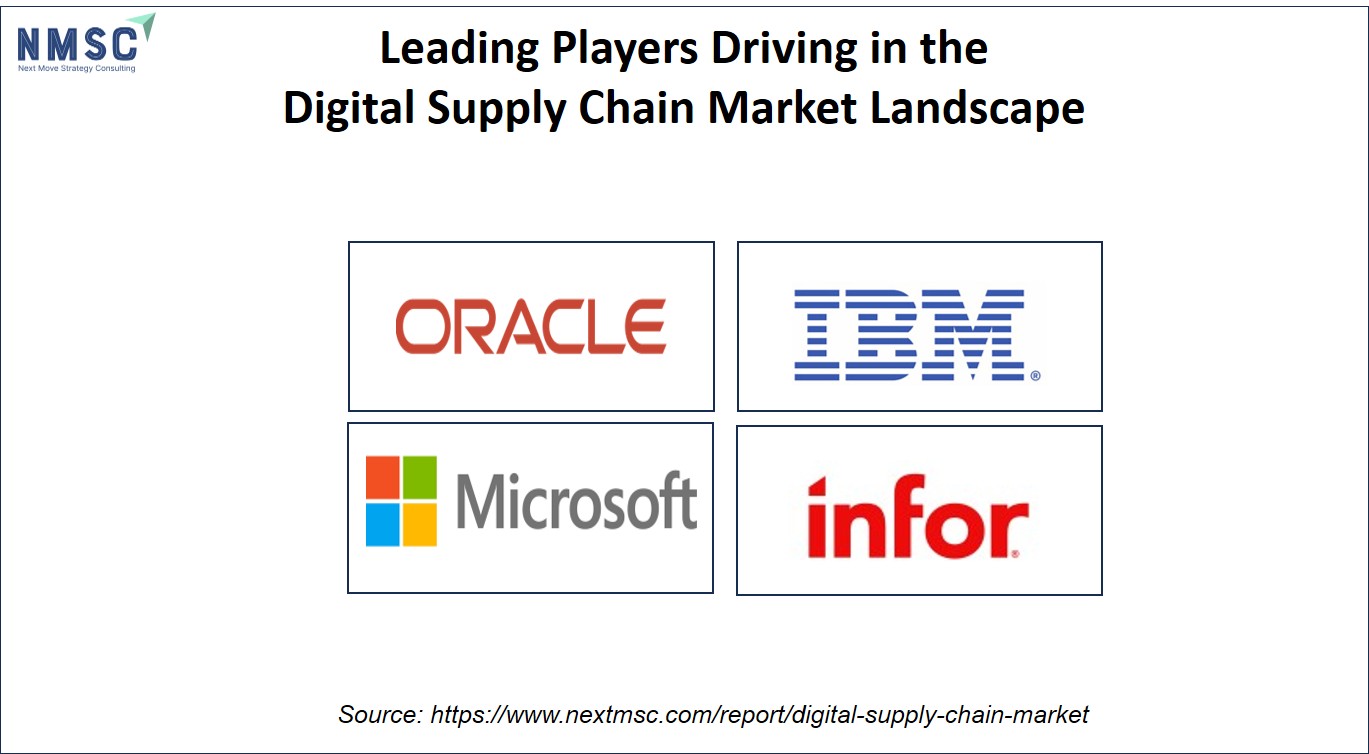
The digital supply chain industry is characterized by the presence of several prominent players, including Oracle Corporation, Microsoft Corporation, SAP SE, IBM, Infor, Inc., Blue Yonder Group, Inc., Coupa Software Inc., Kinaxis Inc., E2open Parent Holdings, Inc., Manhattan Associates, Inc., and others. To strengthen their market positions and expand their digital capabilities, these companies are actively pursuing strategic initiatives such as product innovations, technology partnerships, collaborations, and solution enhancements. Such strategies are helping market participants improve supply chain visibility, operational efficiency, and decision-making capabilities while maintaining their competitive edge in the evolving digital supply chain landscape.
Next Steps
For organizations evaluating digital supply chain investments:
-
Assess current visibility and disruption management capabilities.
-
Identify areas where AI and analytics can improve decision-making.
-
Explore digital twin applications across critical operations.
-
Align technology investments with sustainability objectives.
-
Develop workforce capabilities alongside technology adoption.
Conclusion
The Digital Supply Chain is evolving into a strategic business capability that extends far beyond operational efficiency. Recent initiatives from HUL and the Tech Mahindra-ParkourSC partnership demonstrate how AI, machine learning, digital twins, and decision intelligence can create measurable improvements in productivity, sustainability, resilience, and growth.
For investors, executives, and supply chain leaders, the message is clear: organizations that successfully integrate intelligent technologies into their supply chain operations will be better positioned to navigate complexity, respond to disruptions, and create long-term value.
About the Author
 Sanyukta Deb
— Sanyukta Deb is Digital Marketing Team Lead at Next Move Strategy Consulting, where she has led content strategy and technical SEO for the firm's B2B market research publications for over 2 years. Her editorial process translates NextMSC's primary and secondary research — spanning technology, industrial, and consumer sectors — into commercial narratives, backed by search-intent, keyword, and competitive analysis. She brings 5 years of overall experience in digital marketing and content strategy.
Sanyukta Deb
— Sanyukta Deb is Digital Marketing Team Lead at Next Move Strategy Consulting, where she has led content strategy and technical SEO for the firm's B2B market research publications for over 2 years. Her editorial process translates NextMSC's primary and secondary research — spanning technology, industrial, and consumer sectors — into commercial narratives, backed by search-intent, keyword, and competitive analysis. She brings 5 years of overall experience in digital marketing and content strategy.
About the Reviewer
 Debashree Dey
— Debashree Dey is Assistant Manager at Next Move Strategy Consulting, where she supports cross-vertical market content and communications across diverse industries for 6 years. Her professional background includes senior content writing, communications, and published manuscript authorship, with experience developing audience-focused business narratives and maintaining clear, consistent messaging. Her role supports research-led content development and editorial quality across NextMSC publications.
Debashree Dey
— Debashree Dey is Assistant Manager at Next Move Strategy Consulting, where she supports cross-vertical market content and communications across diverse industries for 6 years. Her professional background includes senior content writing, communications, and published manuscript authorship, with experience developing audience-focused business narratives and maintaining clear, consistent messaging. Her role supports research-led content development and editorial quality across NextMSC publications.

















Add Comment