What Is Driving the Rapid Evolution of 5G Infrastructure in 2026?

The 5G Infrastructure Market has evolved far beyond traditional network upgrades and is now playing a central role in enterprise digital transformation. Across manufacturing facilities, logistics centers, construction sites, and other mission-critical industrial environments, organizations are increasingly investing in advanced connectivity solutions that support automation, artificial intelligence (AI), real-time data processing, and operational resilience. As businesses accelerate their digitalization initiatives, 5G infrastructure is emerging as a foundational technology that enables seamless communication, improved operational visibility, and enhanced productivity across diverse industry sectors.
Recent developments from Siemens and Quantum demonstrate how private 5G networks are becoming a foundational component of next-generation industrial operations. Rather than relying solely on traditional wireless connectivity, enterprises are deploying dedicated private cellular networks designed for security, reliability, and real-time performance.
For investors, procurement leaders, and strategic decision-makers, understanding how 5G infrastructure is evolving has become essential for evaluating future digital transformation opportunities.
How Is Private 5G Infrastructure Expanding Across Industrial Markets?
One of the most significant developments in 2026 comes from Siemens' expansion of its private 5G infrastructure portfolio. According to the company, its industrial-grade private 5G solution is expanding to the United States and seven additional countries, bringing availability to a total of 15 countries across Europe and the Americas.
The expansion is supported by new radio units covering both the 3.8–4.2 GHz spectrum and the United States-specific Citizens Broadband Radio Service (CBRS) band. This development reflects growing enterprise demand for independent, on-premises wireless networks that can operate without reliance on third-party mobile network providers.
Siemens designed the solution for a broad range of industrial environments, including manufacturing, food and beverage production, pharmaceuticals, intralogistics, heavy industries, and crane operations. The ability to deploy and manage a network internally gives organizations greater control over connectivity while supporting business-critical applications.
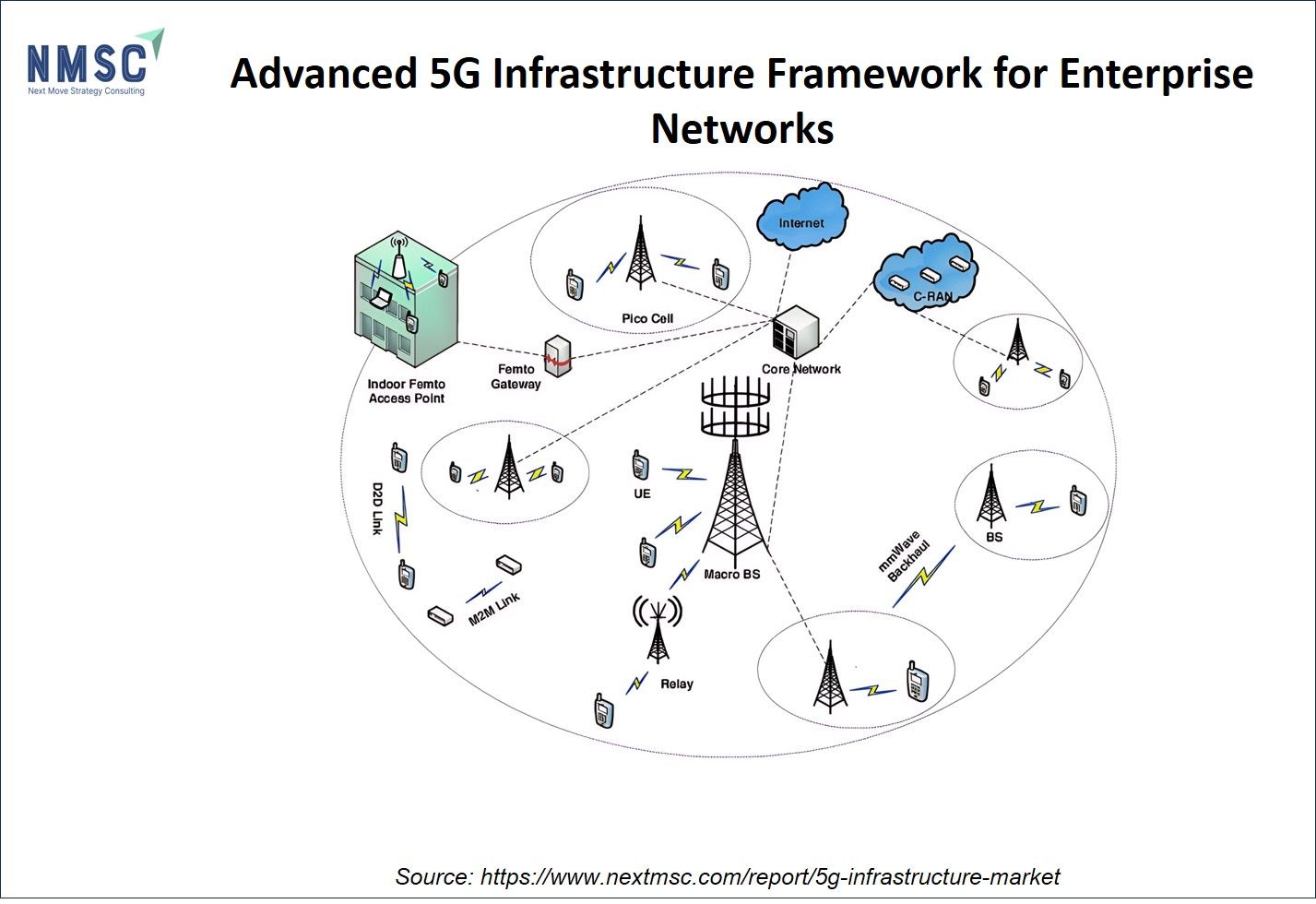
Why Are Enterprises Moving Beyond Traditional Wireless Connectivity?
According to Siemens, modern manufacturing environments are facing increasing connectivity challenges as AI adoption accelerates. Larger volumes of operational data are placing pressure on traditional wireless networks, particularly in dense industrial settings where unlicensed frequencies can become congested.
Private 5G addresses these challenges by operating on licensed spectrum. This approach enables more predictable connectivity, minimizes interference, and supports reliable communications for critical industrial processes. As a result, organizations can build a secure digital backbone capable of supporting automation and AI-driven operations.
How Is 5G Infrastructure Supporting Smart Construction and Worker Safety?
While manufacturing remains a major adoption area, private 5G is also gaining traction in smart infrastructure projects. Enquantum recently completed a real-world private 5G deployment with a leading Israeli construction company, demonstrating how advanced connectivity can improve worker safety and operational visibility.
The deployment involved 5G-connected smart helmets equipped with real-time geolocation and geofencing capabilities. These devices enabled live workforce visibility, automated safety-zone enforcement, and improved coordination across active construction environments. The project also showcased intelligent site management capabilities designed to enhance operational awareness.
Following successful implementation and validation, the initiative received approval from the Israel Innovation Authority, reinforcing the practical viability of private 5G applications in infrastructure environments.

Leading Companies Driving Innovation in the 5G Infrastructure Industry
The 5G Infrastructure industry is characterized by the presence of several global technology leaders, including Huawei Technologies Co., Ltd., Ericsson, Nokia Corporation, Samsung Electronics Co., Ltd., Qualcomm Incorporated, Cisco Systems, Inc., LG Electronics Inc., ZTE Corporation, Intel Corporation, NEC Corporation, AT&T Inc., Dell Technologies, Microsoft Corporation, Hewlett Packard Enterprise (HPE), and Oracle Corporation. These companies continue to strengthen their market positions through strategic initiatives such as new product introductions, technology advancements, partnerships, and regional expansion efforts aimed at addressing the growing demand for next-generation connectivity solutions.

Industry Impact Analysis
Manufacturing
Manufacturing remains one of the most important use cases for private 5G infrastructure. Siemens highlights the role of industrial connectivity in supporting AI-driven manufacturing, automation systems, and real-time machine communications. As factories become increasingly data-intensive, reliable wireless connectivity is becoming a critical operational requirement.
Logistics and Intralogistics
Private 5G can support more efficient movement of goods and materials by enabling reliable communications across warehouses and logistics facilities. Improved connectivity can enhance coordination, visibility, and operational efficiency throughout supply chain environments.
Construction
The Enquantum deployment illustrates how connected devices can improve workforce management and safety oversight. Real-time location awareness and geofencing capabilities provide organizations with greater visibility into active worksites.
Critical Infrastructure
Organizations operating critical infrastructure increasingly require secure and resilient communications networks. Private cellular networks offer dedicated connectivity that can support mission-critical operations without dependence on public network resources.
Cybersecurity and Operational Technology (OT)
Cybersecurity remains a central consideration in industrial connectivity strategies. Siemens emphasizes integration with operational technology environments through network diagnostics, monitoring capabilities, and zero-trust security approaches designed specifically for industrial operations.
Future Outlook
Based on developments from Siemens and Enquantum, private 5G infrastructure is moving toward broader industrial deployment. Organizations are increasingly viewing connectivity as a strategic capability rather than a supporting technology.
Future adoption is likely to be influenced by continued integration with AI systems, greater use of edge computing architectures, and expanding deployment of connected devices across industrial environments. At the same time, cybersecurity and operational resilience will remain central considerations as organizations modernize their infrastructure.
Although adoption rates will vary by industry and geography, recent deployments indicate that private 5G is becoming an important foundation for modern industrial operations.
Next Steps
-
Organizations evaluating private 5G initiatives should begin by assessing their operational connectivity requirements and identifying areas where automation, AI, or real-time monitoring could deliver measurable value.
-
Decision-makers should also evaluate cybersecurity readiness, review spectrum availability within target regions, and consider pilot deployments before committing to large-scale implementation.
-
A successful deployment strategy should include clear integration plans for existing information technology (IT) and operational technology (OT) environments to ensure long-term scalability and operational effectiveness.
Conclusion
5G infrastructure is increasingly becoming a strategic enabler of industrial transformation. Recent developments from Siemens and Enquantum demonstrate how private networks are supporting manufacturing automation, smart infrastructure initiatives, worker safety improvements, and AI-driven operations.
For executives, investors, and operations leaders, the opportunity extends beyond connectivity itself. The broader value lies in creating secure, resilient, and scalable digital foundations capable of supporting future innovation and operational excellence.
As organizations continue pursuing automation, operational visibility, and intelligent decision-making, private 5G infrastructure is positioned to play an increasingly important role across industrial ecosystems.
About the Author
 Sanyukta Deb
— Sanyukta Deb is Digital Marketing Team Lead at Next Move Strategy Consulting, where she has led content strategy and technical SEO for the firm's B2B market research publications for over 2 years. Her editorial process translates NextMSC's primary and secondary research — spanning technology, industrial, and consumer sectors — into commercial narratives, backed by search-intent, keyword, and competitive analysis. She brings 5 years of overall experience in digital marketing and content strategy.
Sanyukta Deb
— Sanyukta Deb is Digital Marketing Team Lead at Next Move Strategy Consulting, where she has led content strategy and technical SEO for the firm's B2B market research publications for over 2 years. Her editorial process translates NextMSC's primary and secondary research — spanning technology, industrial, and consumer sectors — into commercial narratives, backed by search-intent, keyword, and competitive analysis. She brings 5 years of overall experience in digital marketing and content strategy.
About the Reviewer
 Debashree Dey
— Debashree Dey is Assistant Manager at Next Move Strategy Consulting, where she supports cross-vertical market content and communications across diverse industries for 6 years. Her professional background includes senior content writing, communications, and published manuscript authorship, with experience developing audience-focused business narratives and maintaining clear, consistent messaging. Her role supports research-led content development and editorial quality across NextMSC publications.
Debashree Dey
— Debashree Dey is Assistant Manager at Next Move Strategy Consulting, where she supports cross-vertical market content and communications across diverse industries for 6 years. Her professional background includes senior content writing, communications, and published manuscript authorship, with experience developing audience-focused business narratives and maintaining clear, consistent messaging. Her role supports research-led content development and editorial quality across NextMSC publications.


















Add Comment