Botulinum Toxin Market Set for USD 11.68 Billion by 2030
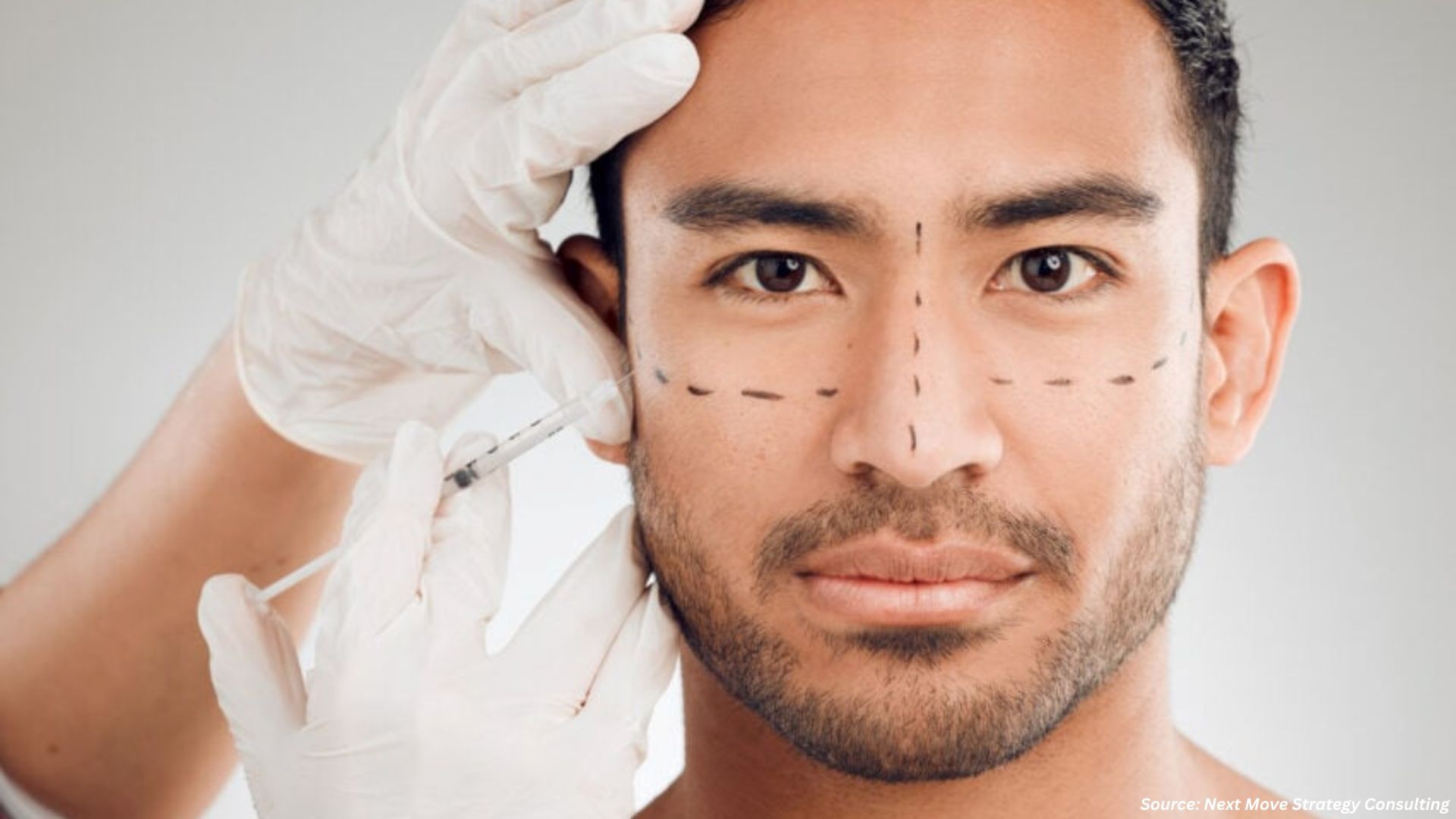
China's World-First Recombinant Botulinum Toxin Approval and Ipsen's Breakthrough Phase II Data Signal a New Era of Innovation as the Global Market Targets USD 11.68 Billion by 2030
The global Botulinum Toxin Market is entering a period of accelerated structural transformation, driven by two landmark developments that have reshaped the competitive and regulatory landscape within a single month. In April 2026, China's National Medical Products Administration (NMPA) granted marketing approval to Retoxin® (YY001), the world's first recombinant botulinum toxin type A, developed by Claruvis — a milestone that fundamentally redefines how botulinum toxin can be manufactured and commercialized globally. Weeks later, in May 2026, Ipsen presented landmark Phase II clinical data for its investigational recombinant neuroinhibitor corabotase at the SCALE 2026 conference in Nashville, demonstrating a 24-week sustained efficacy profile that outperformed Dysport in head-to-head comparisons.
Against this backdrop, the latest proprietary analysis by Next Move Strategy Consulting (NMSC) projects the global botulinum toxin market to reach USD 11.68 billion by 2030, expanding at a CAGR of 8.5% from 2024 to 2030, from a base of USD 6.6 billion in 2023.
China Approves World's First Recombinant Botulinum Toxin, Redefining Manufacturing Standards
In a development that carries far-reaching implications for the global botulinum toxin industry, China's NMPA approved Retoxin® in April 2026 as the world's first recombinant botulinum toxin type A product cleared for commercial use. Developed by Claruvis, the product is produced through recombinant DNA technology, a fundamental departure from the conventional fermentation-based manufacturing process involving live Clostridium botulinum cultures.
The approval eliminates biosafety risks inherent in live bacterial culture handling and introduces a new manufacturing paradigm that could influence global supply chain standards and regulatory frameworks over the medium term. Phase III clinical data for Retoxin® met all primary and secondary endpoints, establishing a robust evidence base for the product's safety and efficacy profile.

The strategic significance of this approval extends beyond China's domestic market. As regulatory agencies in the United States, Europe, and other major markets evaluate next-generation biological manufacturing standards, Retoxin®'s approval may serve as a reference point for future recombinant toxin submissions globally. Industry analysts at NMSC note that this development is expected to intensify R&D investment in recombinant and biosynthetic neurotoxin platforms across the competitive landscape.
Ipsen's Corabotase Phase II Data Elevates Next-Generation Neurotoxin Pipeline
Simultaneously, French pharmaceutical company Ipsen presented Phase II LANTIC trial results for corabotase at the SCALE 2026 conference in Nashville in May 2026, delivering the strongest clinical evidence yet for a next-generation neurotoxin with extended duration of action. In the trial, 60.8% of patients treated with the 50ng dose of corabotase maintained none or mild glabellar line severity at week 24, compared to 36.7% in the Dysport arm. The onset of action averaged 0.84 days, and 82.8% of patients reported being satisfied or very satisfied at week 24.

The 50ng dose has been selected for advancement into the Phase III LAURITE program. Ipsen also presented late-breaking data from the first randomized, double-blind head-to-head study comparing Dysport directly to Botox for glabellar lines — a clinical comparison that the field has long required.
These developments signal a meaningful shift in the competitive dynamics of the aesthetic neurotoxin segment, where product differentiation has historically been limited to formulation and dilution protocols. The emergence of recombinant neuroinhibitors with demonstrably superior duration profiles is expected to recalibrate patient expectations and physician prescribing behavior across major markets.
Global Botulinum Toxin Market Overview
|
Parameter |
Details |
|
Market Size (2023) |
USD 6.6 Billion |
|
Forecast Market Size (2030) |
USD 11.68 Billion |
|
CAGR (2024–2030) |
8.5% |
|
Base Year |
2023 |
|
Forecast Period |
2024–2030 |
|
Leading Regional Market |
North America |
|
Fastest Growing Region |
Asia-Pacific |
|
Dominant Product Type |
Type A (Botox, Dysport, Xeomin) |
|
Key Applications |
Therapeutic & Aesthetic |
|
Leading End-User Segment |
Dermatology Clinics & Cosmetic Centers |
Rising Cosmetic Procedure Volumes and Minimally Invasive Preferences Drive Sustained Demand
The botulinum toxin market's sustained growth trajectory is anchored in structural demand-side shifts across both the therapeutic and aesthetic segments. According to the International Society of Aesthetic Plastic Surgery (ISAPS), there was an overall increase of 11.2% in procedures conducted by plastic surgeons globally in 2022, encompassing more than 14.9 million surgical and 18.8 million non-surgical treatments. Non-surgical procedures have surged by 57.8% over the past four years, reflecting a decisive shift in patient preference toward minimally invasive interventions with shorter recovery timelines and lower procedural risk.
Botulinum toxin injections occupy a central position within this non-surgical growth trend, offering patients effective results with minimal disruption to daily activity — a profile that aligns with modern healthcare consumption patterns across both mature and emerging markets.
The therapeutic segment continues to expand its addressable market through successive regulatory approvals. In August 2023, the U.S. Food and Drug Administration approved the first therapeutic indication of Revance's DAXXIFY (DaxibotulinumtoxinA for Injection) for the treatment of cervical dystonia — a milestone that broadened the clinical utility of next-generation botulinum toxin formulations beyond cosmetic applications.
Emerging Trends: GLP-1 Patient Growth and Male Aesthetics Expand the Addressable Market
Two structural demand-side trends are further expanding the addressable market for botulinum toxin providers in 2026. First, the rapid proliferation of GLP-1 receptor agonist therapies for weight management is generating a growing population of patients presenting with facial volume loss, skin laxity, and midfacial hollowing, conditions for which botulinum toxin and complementary injectable treatments are increasingly being recommended as part of structured aesthetic intervention protocols.
As reported by Reuters in May 2026, aesthetic companies are actively positioning to capture this expanding patient population as GLP-1 medication access broadens, including through a CMS initiative effective July 1, 2026, providing eligible Medicare Part D beneficiaries access to GLP-1 medications at USD 50 per month, a policy that is expected to bring an older demographic into the GLP-1 patient population, further increasing demand for aesthetic correction procedures.
Second, the male aesthetics segment is emerging as a high-value growth driver. Data from MedEsthetics in May 2026 indicates that men aged 26–34 have increased their aesthetic treatment participation by 70%, with average annual spending on non-surgical aesthetics reaching USD 1,678 per year compared to USD 1,357 for women, and a per-visit spend averaging USD 732 versus USD 524 for women. More than 400,000 men in the United States receive botulinum toxin treatments annually.
Key Industry Developments Impacting Market Growth
|
Company / Entity |
Development |
Timeline |
Strategic Impact |
|
Claruvis (China) |
NMPA approval of Retoxin® — world's first recombinant botulinum toxin type A |
April 2026 |
Redefines manufacturing standards; potential global regulatory precedent |
|
Ipsen |
Phase II LANTIC trial data for corabotase presented at SCALE 2026 |
May 2026 |
Advances next-generation neurotoxin with superior 24-week duration profile |
|
Revance Aesthetics |
FDA approval of DAXXIFY for cervical dystonia (therapeutic indication) |
August 2023 |
Expands therapeutic addressable market for next-gen botulinum toxins |
|
CMS (U.S.) |
USD 50/month GLP-1 access for Medicare Part D beneficiaries from July 2026 |
Effective July 2026 |
Expands GLP-1 patient base, driving aesthetic correction demand |
|
Global Aesthetic Providers |
Rapid adoption of male-specific botulinum toxin protocols |
Ongoing 2025–2026 |
Unlocks high-value, underserved demographic with above-average per-visit spend |
North America Leads; Asia-Pacific Accelerates
North America maintains its position as the dominant regional market for botulinum toxin, underpinned by the United States' leadership in global aesthetic procedure volumes. According to ISAPS data, the U.S. leads globally with over 7.4 million procedures, representing 22% of total global procedures. Brazil follows with 8.9%, while Japan accounts for 7.3%. The U.S. and Brazil are estimated to have the highest numbers of plastic surgeons globally, with Asian countries including Japan, China, and South Korea following closely.
Asia-Pacific is expected to demonstrate the most dynamic growth trajectory over the forecast period, driven by rising medical tourism, expanding ophthalmology and dermatology infrastructure, and increasing consumer awareness of non-surgical aesthetic options. India registered 404,016 non-surgical cosmetic procedures in 2021, including 99,384 botulinum toxin procedures, according to ISAPS data. The region's aging population is a further structural growth driver: according to the United Nations Economic and Social Commission for Asia and the Pacific, the number of older people in the region is projected to more than double from 630 million in 2020 to approximately 1.3 billion by 2050.
Competitive Landscape: Innovation and Expansion Define Market Positioning
The botulinum toxin market's competitive landscape is characterized by intensifying product innovation, geographic expansion, and capacity investment. Key players operating in the market include AbbVie Company, Galderma, Merz Pharma, Hugel Aesthetics, Ipsen Pharma, Evolus Ltd, Revance Aesthetics, Eisai Co. Ltd., Daewoong Pharmaceutical, Medytox, and Lanzhou Institute of Biological Products Co. Ltd., among others.

Notable recent competitive actions include Evolus, Inc.'s launch of Nuceiva in the Italian market in June 2023, expanding its aesthetic botulinum toxin type A product's European footprint. In May 2023, Daewoong Pharmaceutical committed a significant investment to expand its Botox production capacity to meet growing global demand across both cosmetic and therapeutic applications. In June 2022, Galderma announced positive results from two Phase III studies for a novel liquid botulinum toxin formulation, signaling continued innovation in product delivery and patient experience.
The entry of recombinant neurotoxin technology, as evidenced by Retoxin®'s approval and Ipsen's corabotase pipeline, is expected to intensify competitive differentiation strategies and accelerate R&D investment across the industry through the remainder of the decade.
Strategic Recommendations for CEOs and Investors
-
Prioritize recombinant and next-generation neurotoxin pipeline investments to position ahead of the anticipated shift away from conventional fermentation-based manufacturing.
-
Develop structured protocols for GLP-1 aesthetic patients, as this population is projected to grow substantially following expanded Medicare access from July 2026.
-
Build male-specific clinical and commercial frameworks, given demonstrated above-average per-visit spend and significant untapped demand in this demographic.
-
Expand distribution and clinical partnerships in Asia-Pacific, particularly in India, China, South Korea, and Southeast Asian markets, where procedure volumes and infrastructure investment are accelerating.
-
Invest in AI-assisted treatment planning tools to improve clinical consistency and outcomes across multi-provider aesthetic practices, as evidence-based AI applications in botulinum toxin treatment pathways continue to mature.
-
Monitor the Ipsen corabotase Phase III LAURITE program as a potential market-shaping product upon U.S. regulatory submission.
Outlook
The global botulinum toxin market is transitioning from a period of incremental product evolution to one of genuine technological disruption. The simultaneous emergence of recombinant manufacturing platforms and extended-duration neurotoxin formulations, combined with structural demand expansion from GLP-1 patient growth and male aesthetics, is creating a multi-vector growth environment that extends well beyond traditional aesthetic indications. NMSC analysis projects the market to reach USD 11.68 billion by 2030, with sustained momentum expected across both therapeutic and aesthetic segments as innovation pipelines mature and access broadens globally.
Bottom Line
The global botulinum toxin market is undergoing a structural inflection point in 2026, catalyzed by two globally significant developments: China's NMPA approval of Retoxin® as the world's first recombinant botulinum toxin type A, and Ipsen's compelling Phase II LANTIC trial data for corabotase demonstrating 24-week sustained efficacy superior to Dysport. These advances are reshaping competitive positioning, manufacturing standards, and clinical expectations across the industry. Simultaneously, the rapid growth of GLP-1 medication users creating new aesthetic needs, the emergence of male patients as a high-value demographic spending an average of USD 1,678 annually on non-surgical aesthetics, and the continued global expansion of minimally invasive procedure adoption are reinforcing the market's demand-side fundamentals. NMSC projects the market to expand from USD 6.6 billion in 2023 to USD 11.68 billion by 2030 at a CAGR of 8.5%, with North America maintaining leadership and Asia-Pacific delivering the most dynamic growth. Executives and investors who position early in recombinant neurotoxin platforms, Asia-Pacific distribution networks, and male-specific clinical protocols will be best placed to capture disproportionate value through the decade.
About Next Move Strategy Consulting
Next Move Strategy Consulting is a premier market research and management consulting firm that has been committed to provide strategically analysed well documented latest research reports to its clients. The research industry is flooded with many firms to choose from, what makes NMSC different from the rest is its top-quality research and the obsession of turning data into knowledge by dissecting every bit of it and providing fact-based research recommendation that is supported by information collected from over 500 million websites, paid databases, industry journals and one on one consultations with industry experts across a diverse range of industry sectors. The high-quality customized research reports with actionable insights and excellent end-to-end customer service help our clients to take critical business decisions that enables them to move beyond time and have competitive edge in the industry.
We have been servicing over 1000 customers globally that includes 90% of the Fortune 500 companies over a decade. Our analysts are constantly tracking various high growth markets and identifying hidden opportunities in each sector or the industry. We provide one of the industry's best quality syndicate as well as custom research reports across 10 different industry verticals. We are committed to deliver high quality research solutions in accordance to your business needs. Our industry standard delivery solutions that ranges from the pre consultation to after-sales services, provide an excellent client experience and ensure right strategic decision making for businesses.
For more information, please contact:
Next Move Strategy Consulting
5th Floor 867
Boylston St, STE 500,
Boston, MA 02116, U.S.
E-Mail: [email protected]
Direct: +1-217-650-7991
Website: www.nextmsc.com
About the Author
 Sanyukta Deb
— Sanyukta Deb is Digital Marketing Team Lead at Next Move Strategy Consulting, where she has led content strategy and technical SEO for the firm's B2B market research publications for over 2 years. Her editorial process translates NextMSC's primary and secondary research — spanning technology, industrial, and consumer sectors — into commercial narratives, backed by search-intent, keyword, and competitive analysis. She brings 5 years of overall experience in digital marketing and content strategy.
Sanyukta Deb
— Sanyukta Deb is Digital Marketing Team Lead at Next Move Strategy Consulting, where she has led content strategy and technical SEO for the firm's B2B market research publications for over 2 years. Her editorial process translates NextMSC's primary and secondary research — spanning technology, industrial, and consumer sectors — into commercial narratives, backed by search-intent, keyword, and competitive analysis. She brings 5 years of overall experience in digital marketing and content strategy.
About the Reviewer
 Debashree Dey
— Debashree Dey is Assistant Manager at Next Move Strategy Consulting, where she supports cross-vertical market content and communications across diverse industries for 6 years. Her professional background includes senior content writing, communications, and published manuscript authorship, with experience developing audience-focused business narratives and maintaining clear, consistent messaging. Her role supports research-led content development and editorial quality across NextMSC publications.
Debashree Dey
— Debashree Dey is Assistant Manager at Next Move Strategy Consulting, where she supports cross-vertical market content and communications across diverse industries for 6 years. Her professional background includes senior content writing, communications, and published manuscript authorship, with experience developing audience-focused business narratives and maintaining clear, consistent messaging. Her role supports research-led content development and editorial quality across NextMSC publications.
















Add Comment