Irish Alumina Exports to Russia Test Aluminum Supply Chain
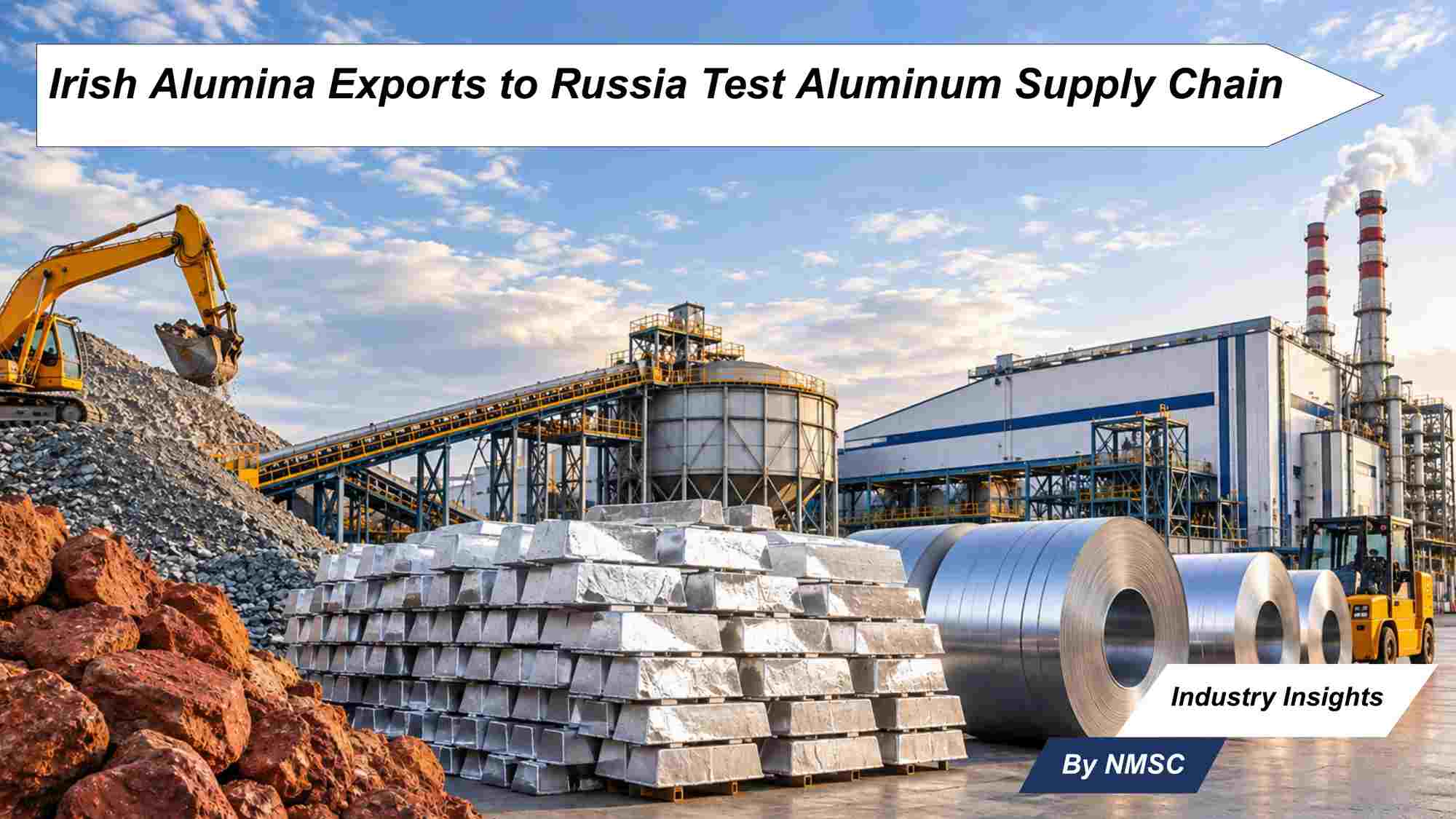
Ireland Faces Pressure to Halt Alumina Shipments to Russia as European Leaders Meet in Dublin
AUGHINISH, Ireland — November 12, 2026 — Ireland faces pressure to halt alumina shipments from a Russian-owned refinery to Russia as European leaders gather in Dublin. The scrutiny places alumina sourcing and trade policy at the center of the discussion on Aluminum Market supply-chain security.
The Associated Press reported that the Aughinish refinery in County Limerick, Europe’s largest alumina refinery, regularly ships alumina to St. Petersburg and other Russian ports. Alumina is the white powder used to make aluminum. Russian aluminum producer Rusal bought the plant in 2007.
Alumina is not covered by European Union sanctions on Russia, so the shipments are legal. The European Parliament passed a non-binding motion in July calling for an export ban, but alumina was left out of the EU’s 21st sanctions package. Sanctions require unanimous agreement among the 27 member states.
Irish Minister Niall Collins said there is no evidence the material reaches military supply chains. The company says its product has no link to the Russian military supply chain and that an independent firm audits it monthly for Irish authorities.
According to Next Move Strategy Consulting, the global aluminum industry was valued at USD 306.17 billion in 2026 and is projected to reach USD 503.43 billion by 2035, at a CAGR of 5.68% from 2026 to 2035.
Key Highlights:
-
A 47-nation European Political Community summit is scheduled for Thursday in Dublin, followed by a meeting of EU leaders.
-
Activist group Alumina 22 estimates about 491,307 metric tons of alumina moved from Ireland to Russia between March and October.
-
A 2026 Ukrainian report cited by the AP says about 17% of Rusal’s alumina now comes from Ireland.
-
Supporters of the plant cite its hundreds of jobs and its role in European alumina supply, while critics are urging restrictions.
Analyst Insight:
According to analysts at Next Move Strategy Consulting, dependence on bauxite and alumina supply is a recognized risk for the aluminum industry. NMSC’s report estimates that this exposure could reduce the industry’s growth rate by 1.0 percentage point over a two-to-five-year horizon. NMSC analysts also note that freight costs and trade policy affect supply continuity and pricing, which makes policy decisions on raw-material flows relevant to producers and buyers.
Industry Outlook:
The outcome of the European discussions could shape how alumina, a critical raw material in the EU’s own classification, is treated in future trade policy. Because sanctions need unanimity, any restriction would require agreement among all 27 member states. Producers and buyers may reassess alumina sourcing arrangements as the policy debate continues.
Source: Associated Press
For More Information: Download FREE Sample on Aluminum Market Report
About the Author
 Sanyukta Deb
— Sanyukta Deb is Digital Marketing Team Lead at Next Move Strategy Consulting, where she has led content strategy and technical SEO for the firm's B2B market research publications for over 2 years. Her editorial process translates NextMSC's primary and secondary research — spanning technology, industrial, and consumer sectors — into commercial narratives, backed by search-intent, keyword, and competitive analysis. She brings 5 years of overall experience in digital marketing and content strategy.
About the Reviewer
 Debashree Dey
— Debashree Dey is Assistant Manager at Next Move Strategy Consulting, where she supports cross-vertical market content and communications across diverse industries for 6 years. Her professional background includes senior content writing, communications, and published manuscript authorship, with experience developing audience-focused business narratives and maintaining clear, consistent messaging. Her role supports research-led content development and editorial quality across NextMSC publications.














Add Comment