Physical AI Elevates Human-Robot Pact to New Frontiers
Industry Insights from Next Move Strategy Consulting
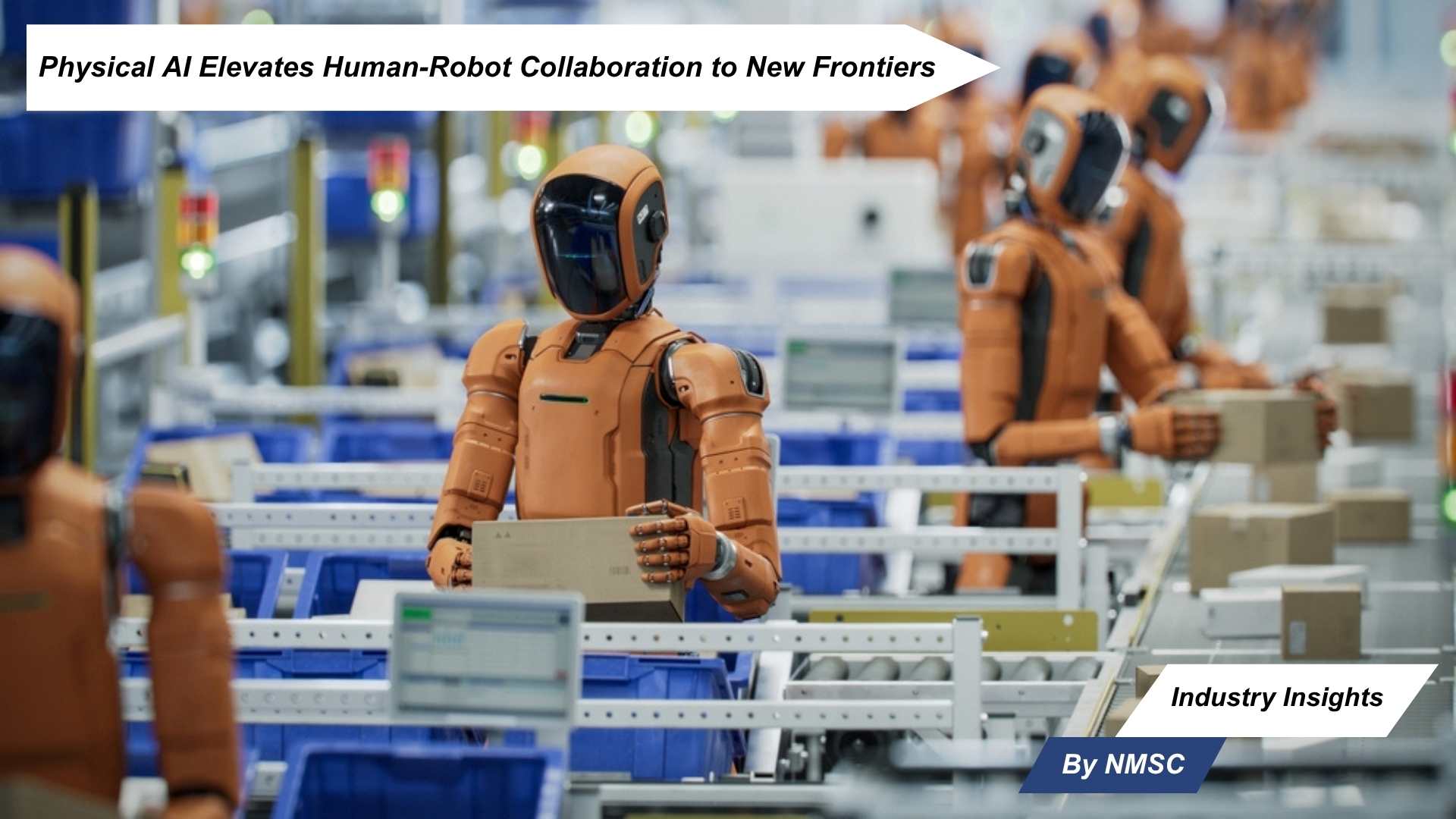
As artificial intelligence continues to expand beyond digital environments, the emergence of physical AI is redefining how humans and machines interact in real-world settings. By enabling robots to perceive, learn, and respond dynamically within physical spaces, this new wave of innovation is unlocking more seamless and productive human-robot collaboration across industries.
A Transformational Shift from Digital to Physical Intelligence
Traditional AI systems have largely operated within virtual or data-driven ecosystems, limiting their ability to interact with the physical world. Physical AI represents a critical evolution, equipping machines with the capability to interpret sensory inputs, adapt to changing environments, and execute tasks with greater autonomy and precision.
This advancement marks a significant departure from static automation models, paving the way for robots that can work alongside humans in more intuitive and responsive ways.
Core Capabilities Driving Physical AI
The rise of physical AI is underpinned by several key technological advancements that enhance real-world functionality:
-
Context-Aware Perception enabling machines to understand and respond to dynamic surroundings.
-
Adaptive Learning Systems allowing robots to improve performance through continuous interaction.
-
Enhanced Safety Mechanisms supporting closer and more secure human-robot collaboration.
-
Real-Time Decision-Making driven by integrated sensors and AI models.
-
Seamless Human Interaction improving usability and operational efficiency.
These capabilities collectively contribute to more intelligent, flexible, and collaborative robotic systems.
Enabling Safer and More Efficient Work Environments
Physical AI is playing a crucial role in improving workplace safety and efficiency by enabling robots to operate in close proximity to humans without compromising security. Through real-time awareness and adaptive responses, these systems can anticipate human actions, reduce risks, and optimize workflows.
This development is particularly impactful in environments where precision, coordination, and safety are paramount, allowing organizations to achieve higher productivity while maintaining operational integrity.
Industry Momentum and Strategic Implications
The growing adoption of physical AI reflects a broader industry shift toward integrating intelligent systems into physical operations. Organizations are increasingly recognizing the value of combining human expertise with machine precision to drive innovation and efficiency.
According to Next Move Strategy Consulting, this convergence is expected to accelerate investments in Physical AI, technology-driven automation, and collaborative technologies, shaping the future of industrial and enterprise operations.
Redefining the Future of Human-Machine Collaboration
As physical AI continues to evolve, it is set to redefine the boundaries of human-machine interaction. By bridging the gap between digital intelligence and physical execution, it enables a new era where collaboration between humans and robots becomes more natural, efficient, and impactful.
This progression signals a transformative step forward, positioning physical AI as a cornerstone of next-generation innovation in intelligent automation.
Source: ET CIO
Prepared by: Next Move Strategy Consulting
About the Author
 Sanyukta Deb
— Sanyukta Deb is Digital Marketing Team Lead at Next Move Strategy Consulting, where she has led content strategy and technical SEO for the firm's B2B market research publications for over 2 years. Her editorial process translates NextMSC's primary and secondary research — spanning technology, industrial, and consumer sectors — into commercial narratives, backed by search-intent, keyword, and competitive analysis. She brings 5 years of overall experience in digital marketing and content strategy.
About the Reviewer
 Debashree Dey
— Debashree Dey is Assistant Manager at Next Move Strategy Consulting, where she supports cross-vertical market content and communications across diverse industries for 6 years. Her professional background includes senior content writing, communications, and published manuscript authorship, with experience developing audience-focused business narratives and maintaining clear, consistent messaging. Her role supports research-led content development and editorial quality across NextMSC publications.













Add Comment