Cold Storage Market: Infrastructure Expansion Powering Modern Supply Chains
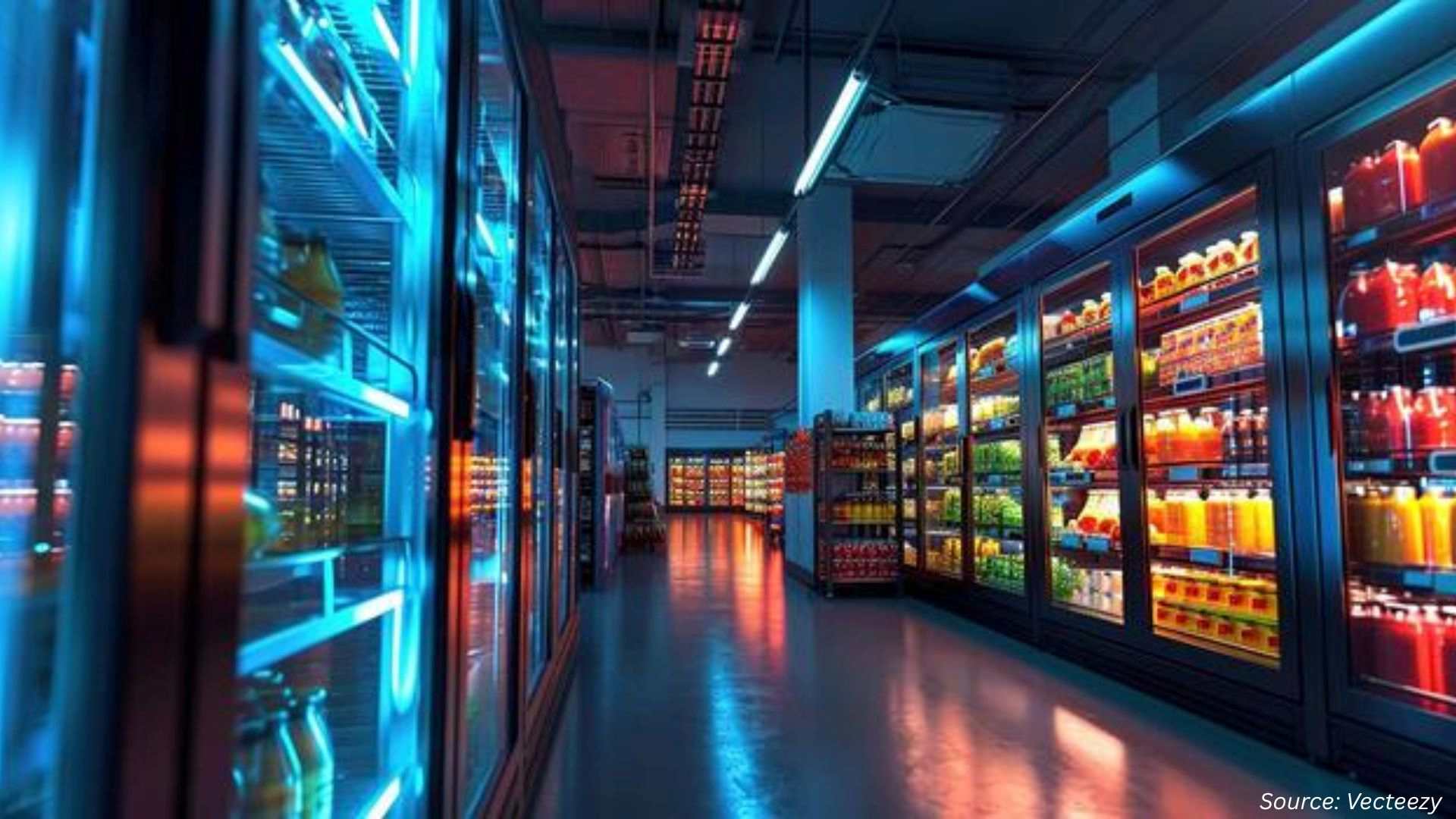
The cold storage market plays a critical role in maintaining the integrity of temperature-sensitive goods across food, agriculture, and healthcare supply chains. As global trade volumes evolve and quality expectations rise, cold storage infrastructure has become essential rather than optional. Recent developments in 2024 and 2025 highlight how industry leaders are expanding capacity and integrating cold storage into broader logistics networks to ensure reliability and long-term efficiency.
This blog analyzes verified market developments using only official announcements from Lineage, Inc. and DP World, offering a clear and factual perspective on how the cold storage market is being shaped today. Cold storage is a foundational component of modern supply chains, with infrastructure expansion driven by operational needs rather than speculative growth.
Cold Storage Market Fundamentals and Infrastructure Importance
Cold storage facilities are designed to maintain specific temperature ranges that preserve product quality, safety, and shelf life. These facilities support domestic distribution and international trade by reducing spoilage risks and maintaining regulatory compliance.
In the current market environment, infrastructure planning is increasingly aligned with long-term demand patterns. Companies are focusing on scalable facilities that can support stable customer relationships and predictable throughput. The cold storage market is evolving through structured, demand-led infrastructure development that prioritizes continuity and reliability.
United States Cold Storage Market: Lineage, Inc. Expansion
In April 2025, Lineage, Inc. announced plans to expand its United States cold storage network in partnership with a long-time customer. The expansion reflects a strategic response to sustained customer demand and reinforces the importance of long-term relationships in shaping cold storage capacity decisions. Rather than pursuing isolated or short-term developments, Lineage’s approach emphasizes network optimization and service alignment. This expansion strengthens its ability to support temperature-controlled supply chains across the United States while maintaining operational efficiency.
Integrated Logistics and Cold Storage Market Development
DP World has emphasized the growing importance of integrating cold storage into end-to-end logistics networks. According to its 2025 announcement, temperature-controlled infrastructure plays a vital role in supporting trade efficiency, food security, and supply chain continuity. By embedding cold storage capabilities within ports, terminals, and logistics corridors, DP World demonstrates how cold storage infrastructure gains value when it functions as part of a connected ecosystem rather than a standalone asset. Integrated logistics models enhance the effectiveness of cold storage by reducing handling risks and improving trade flow efficiency.
Cold Storage Market Value Chain Integration
Across production, transportation, storage, and distribution, cold storage enables continuity and quality preservation. When aligned with logistics infrastructure, it supports smoother cargo movement and minimizes temperature deviations that can compromise product integrity. Value chain integration strengthens cold storage performance and supports consistent supply chain outcomes.
|
Supply Chain Stage |
Role of Cold Storage |
|
Production |
Initial preservation of |
|
Transportation |
Continuity during temperature- |
|
Storage |
Long-term quality and |
|
Distribution |
Reliable delivery to domestic |
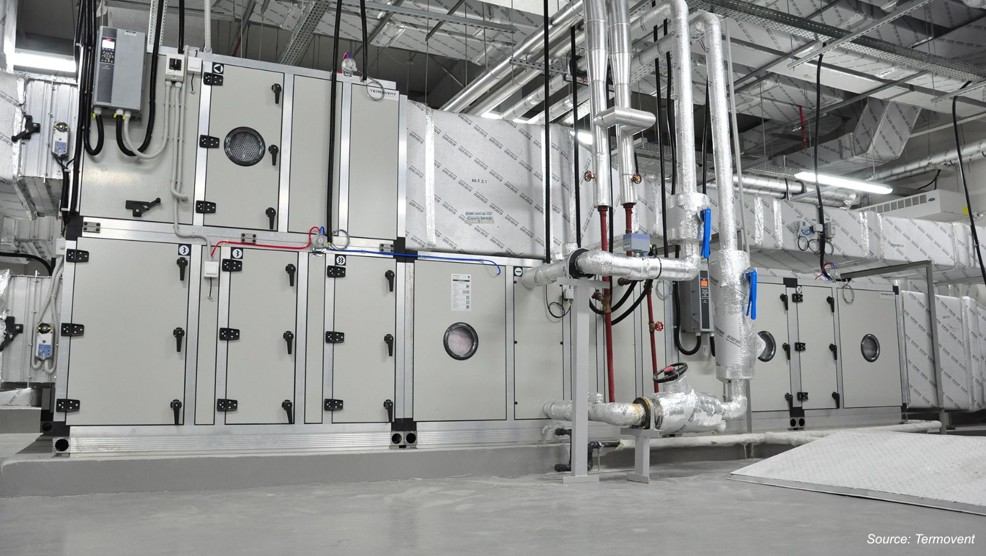
Visual Insight: Cold Storage in Global Logistics
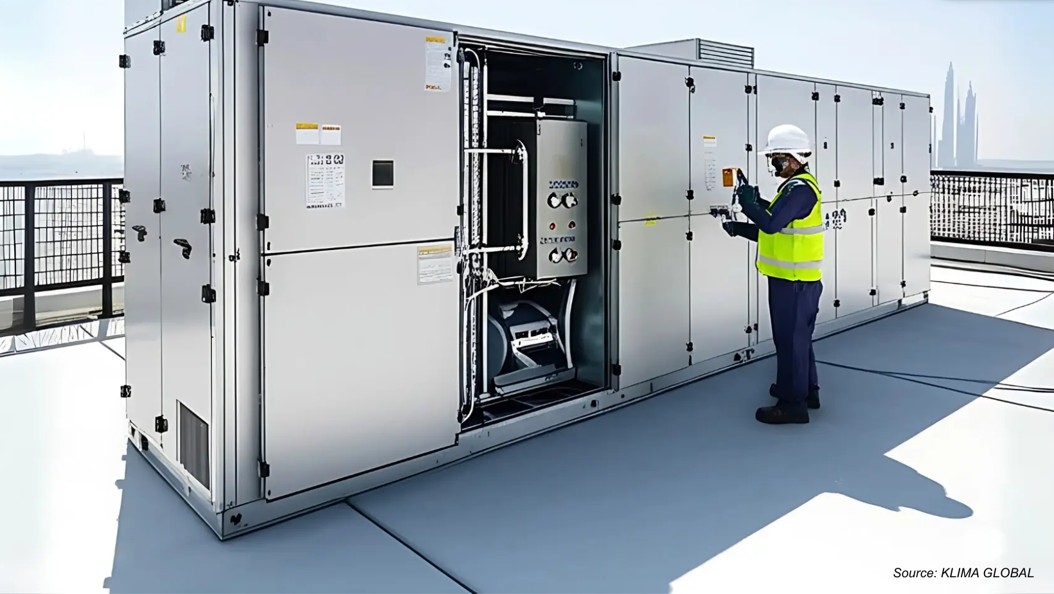
A visual representation of cold storage integration across ports, warehouses, and distribution hubs helps illustrate how infrastructure connectivity supports trade efficiency. Visual mapping reinforces the role of cold storage as part of interconnected logistics systems.
Cold Storage Market Outlook Based on Verified Developments
Current developments indicate that the cold storage market is progressing through disciplined expansion rather than rapid, unstructured growth. Infrastructure investments are closely tied to customer demand, logistics integration, and trade requirements.
This measured approach reflects a market focused on resilience, predictability, and long-term operational performance. The cold storage market outlook is defined by stability, integration, and infrastructure-led growth.
Key Players in the Cold Storage Market
The global Cold Storage Market is shaped by several leading companies driving infrastructure expansion and logistics innovation. Lineage, Inc. continues to strengthen its network with customer-driven expansions across the United States, enhancing operational efficiency. Americold Logistics, Inc. remains a major player in temperature-controlled warehousing, offering integrated solutions for food and pharmaceutical supply chains. United States Cold Storage Inc. provides specialized storage solutions across multiple U.S. regions, focusing on reliability and scalability. NewCold Coöperatief U.A. is recognized for its automated, high-capacity facilities in Europe, optimizing cold chain operations. Nichirei Logistics Group, Inc. leverages extensive logistics expertise in Asia to support seamless distribution of perishable goods. Emergent Cold LatAm Management LLC drives cold storage growth in Latin America through strategic partnerships and network expansion. Constellation Cold Logistics Sarl focuses on innovative storage and distribution solutions for European markets, while Frialsa Frigorificos S.A. De C.V. is a key provider of temperature-controlled storage in Mexico, serving both domestic and international trade.

Next Move Strategy Consulting’s View
From the perspective of Next Move Strategy Consulting, recent developments underscore a structural shift in how the cold storage market is evolving. Rather than pursuing aggressive capacity-led expansion, industry leaders are prioritizing infrastructure investments that are directly linked to long-term customer commitments and integrated logistics networks.
The expansion announced by Lineage, Inc. reflects a customer-centric growth model, where cold storage capacity is aligned with predictable demand and long-standing partnerships. This approach reduces exposure to utilization risk and reinforces operational stability across temperature-controlled supply chains. Such strategies indicate that market participants are increasingly valuing reliability and network efficiency over rapid footprint expansion.
Next Steps for Cold Storage Stakeholders
Organizations involved in the cold storage market should prioritize alignment with long-term customers, evaluate logistics connectivity when planning new facilities, and focus on efficiency-driven expansion. Strengthening partnerships across the supply chain and monitoring infrastructure-led developments can further support sustainable growth.
-
Align cold storage expansion plans with long-term customer demand to reduce utilization risk
-
Prioritize facilities that are integrated with ports, transportation corridors, and logistics hubs
-
Focus on infrastructure efficiency and network optimization rather than rapid capacity addition
-
Strengthen partnerships across the temperature-controlled supply chain to improve reliability
-
Monitor logistics-led infrastructure developments to support resilient trade operations
Conclusion
The cold storage market in 2024–2025 is being shaped by infrastructure expansion and integrated logistics strategies rather than speculative capacity growth. Developments from Lineage, Inc. and DP World clearly demonstrate how customer alignment and logistics connectivity are defining the future of temperature-controlled supply chains.
Taken together, these trends indicate that the market is increasingly prioritizing reliability, operational efficiency, and long-term resilience over short-term capacity gains. For stakeholders, this means that success in the cold storage sector will depend on carefully aligning expansion plans with sustained demand, strengthening logistics connectivity, and cultivating strategic partnerships across the value chain. By focusing on these elements, the cold storage industry can continue to support modern supply chains, safeguard perishable goods, and enable smooth global trade in a rapidly evolving market environment.
About the Author
 Tania Dey is a content writer specializing in transformation-led, insight-driven storytelling. She develops research-backed, high-impact content aligned with evolving business priorities, digital behavior, and audience expectations. Her work helps organizations sharpen value propositions, strengthen visibility, and communicate strategic intent with clarity and precision. Grounded in data-informed storytelling, she brings a strong focus on relevance, consistency, and measurable digital impact across platforms.
About the Reviewer
 Sanyukta Deb is Digital Marketing Team Lead at Next Move Strategy Consulting, where she has led content strategy and technical SEO for the firm's B2B market research publications for over 2 years. Her editorial process translates NextMSC's primary and secondary research — spanning technology, industrial, and consumer sectors — into commercial narratives, backed by search-intent, keyword, and competitive analysis. She brings 5 years of overall experience in digital marketing and content strategy.
















Add Comment