How Are Gas Turbines Powering the Next Energy Shift?
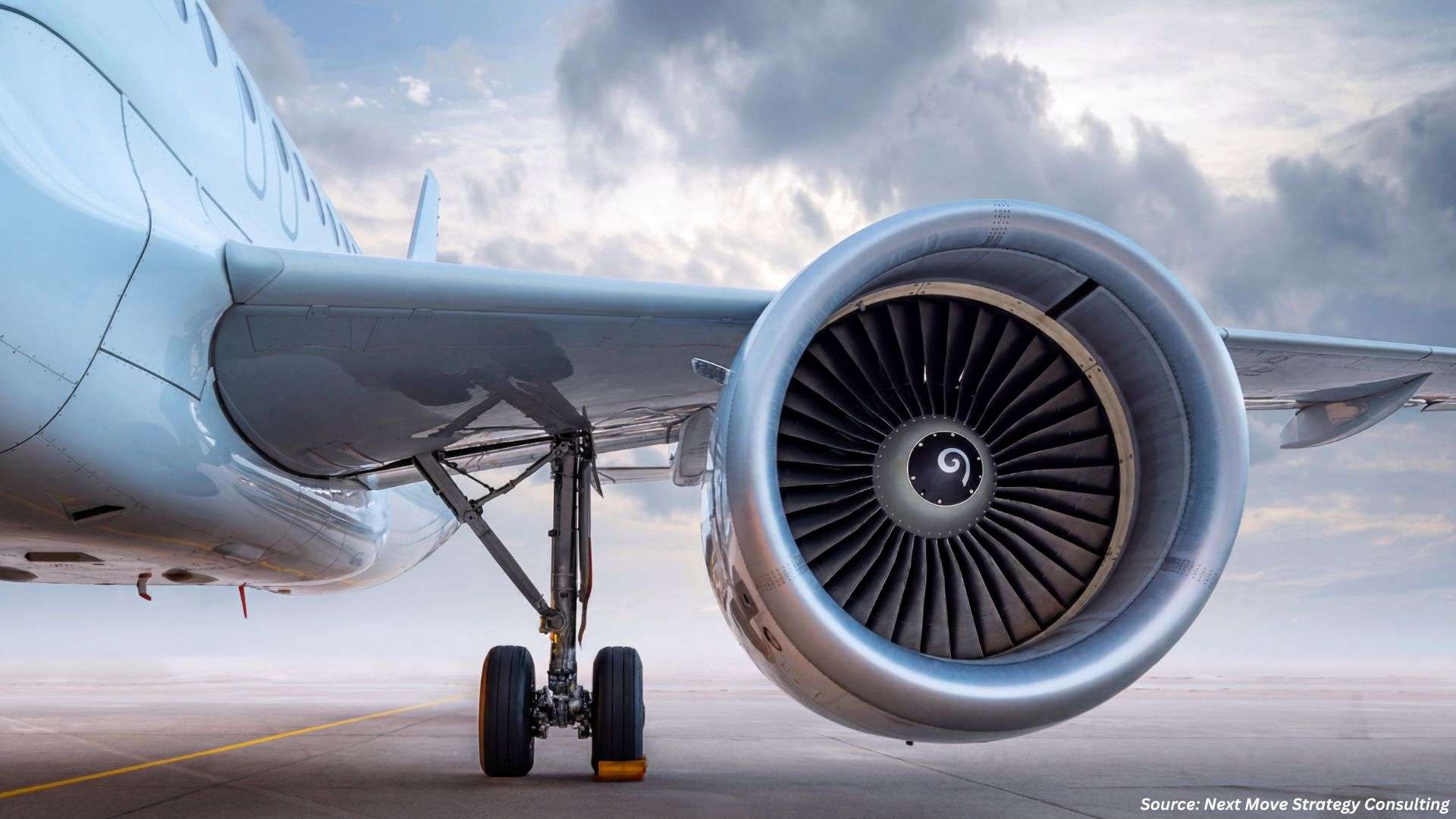
Gas Turbines Market is entering a transformative phase as global energy systems adapt to the rapid rise of artificial intelligence (AI) and electrification. What was once a conventional power generation technology is now being redefined through innovation, demand pressures, and cross-industry integration.
In 2025, the conversation around gas turbines is no longer limited to utilities. It now includes data centers, aviation technology, and long-term infrastructure planning.
What Is Driving Gas Turbine Demand Today?
The surge in AI infrastructure has significantly increased electricity requirements, particularly for large-scale data centers. These facilities demand continuous, high-capacity power, often on timelines that traditional grid expansion cannot meet.
Recent industry updates highlight that gas turbines are being used as a practical solution to bypass grid delays and ensure uninterrupted energy supply. A major indicator of this demand is the projected 80 GW gas turbine backlog by the end of 2025, reflecting sustained global interest and deployment.
This demand is also tied to a broader electrification trend, where electricity is becoming a dominant form of energy across industries.
How Do Gas Turbines Convert Air into High-Efficiency Power?
The image illustrates the working principle of a gas turbine system, showing how air is transformed into usable energy through a multi-stage process. It begins with inlet air entering the compressor, where it is pressurized to increase its energy potential. This compressed air then moves into the combustor, where fuel is injected and ignited, producing high-temperature, high-pressure gas. The hot gas expands through the first turbine stage (turbine one), driving the turbine blades and generating mechanical energy. The process continues with a reheater, where additional fuel is added to further increase energy output before entering turbine two for additional power extraction. Finally, the exhaust gases are released. The diagram also highlights variations in pressure and velocity across stages, showing how pressure generally decreases while velocity fluctuates to optimize efficiency. Overall, the system demonstrates how gas turbines efficiently convert fuel and air into continuous power, aligning with modern energy demands such as data center electricity supply.

How Are Aircraft Engines Being Repurposed into Gas Turbines?
A notable innovation in the gas turbine space is the conversion of retired aircraft engines into power-generating units. This approach reflects both resource efficiency and technological adaptability.
A recent initiative involves transforming widely used jet engines into aeroderivative gas turbines capable of generating approximately 25 MW per unit, with production expected to begin in 2026 and scale beyond 100 units annually.
These engines, originally designed for flight, are being adapted for stationary use, where operating conditions are more stable and maintenance cycles differ. With more than 22,000 such engines produced globally, the available pool for repurposing is substantial.
Why Are Aeroderivative Gas Turbines Gaining Momentum?
Aeroderivative gas turbines, derived from aviation technology, are gaining traction because of their operational advantages. Their ability to start quickly and adjust output efficiently makes them particularly suitable for dynamic energy environments such as data centers.
Compared to traditional large-scale turbines, these systems offer a more compact footprint and faster installation timelines. This allows operators to deploy power solutions without waiting for long infrastructure development cycles.
Their flexibility also makes them valuable for temporary or “bridge” power applications, ensuring continuity while permanent grid connections are established.

What Are Industry Leaders Signaling About Future Growth?
Recent updates from major industry players indicate that gas turbines are entering a phase of sustained growth. Strong order volumes and expanding production capacity reflect long-term confidence in the sector.
For instance, turbine orders have reached 18 GW in a single quarter, while manufacturing capacity is expected to scale to 24 GW annually by 2028. Additionally, turbine reservations could be fully booked through 2030 as early as 2026.
These developments suggest that demand is not only strong but also predictable, with customers increasingly committing to long-term agreements.
What Happens Inside a Gas Turbine from Air Intake to Power Output?
The image presents a simplified and a detailed view of how a gas turbine operates, illustrating the complete energy conversion cycle. On the left, the process begins with ambient air (1) entering the compressor, where it is pressurized (2) before moving into the combustion chamber. Here, fuel is injected and burned, producing high-energy gases (3) that expand through the turbine, generating mechanical work (W out). The gases are then released back into the atmosphere (4). On the right, a more detailed cutaway shows the same process with labeled components such as the air inlet, compressor stages, combustion chamber, and power turbine connected to a shaft that delivers usable energy. The diagram also highlights how part of the turbine energy drives the compressor, while the remaining energy is extracted as output power. Overall, the visual explains how gas turbines efficiently convert fuel and compressed air into continuous mechanical and electrical energy, supporting applications like power generation for data centers and industrial systems.

How Is Electrification Reshaping Gas Turbine Applications?
Electrification is a defining trend influencing the role of gas turbines. As electricity becomes a larger share of overall energy consumption, the need for reliable and scalable power generation increases.
Gas turbines are playing a crucial role in this transition by supporting both base-load and flexible energy needs. They are also being integrated with advanced grid technologies, including high-voltage systems and infrastructure designed to stabilize renewable energy fluctuations.

How Do Traditional and Aeroderivative Gas Turbines Compare?
|
Aspect |
Traditional Gas Turbines |
Aeroderivative Gas |
|
Deployment Time |
Longer |
Faster |
|
Size |
Large-scale |
Compact |
|
Flexibility |
Moderate |
High |
|
Use Case |
Continuous base-load power |
Data centers and |
While traditional turbines remain essential for large-scale generation, aeroderivative turbines are increasingly preferred in scenarios requiring speed and adaptability.
What Is the Process Behind Gas Turbine Power Generation?
The image provides a clear, linear representation of how a gas turbine generates electricity from air and fuel. The process begins as air enters the compressor, where it is pressurized to increase its energy potential. This compressed air then flows into the combustor, where fuel is injected and burned, producing high-temperature, high-pressure gases. These gases expand through the power turbine, which extracts energy and converts it into mechanical power. This mechanical energy is transferred via a shaft to a generator, which ultimately produces electricity. A portion of the turbine’s energy also supports the compressor’s operation, ensuring continuous functioning of the cycle. The remaining gases are expelled as exhaust. Overall, the diagram demonstrates a highly efficient energy conversion system, showing how gas turbines play a vital role in meeting modern electricity demands, including those driven by data centers and electrification trends.

What Trends Are Defining the Gas Turbine Landscape?
The current gas turbine landscape is shaped by a combination of technological innovation and structural demand shifts. AI-driven electricity consumption is pushing the limits of existing infrastructure, while supply constraints are creating longer order backlogs.
At the same time, the reuse of aircraft engines is introducing a circular approach to energy solutions, bridging aviation and power generation. Electrification continues to reinforce the importance of reliable energy systems, further strengthening the role of gas turbines.
What Does the Gas Turbine Demand Distribution Reveal?
The pie chart illustrates how gas turbine demand is distributed across key application areas, with AI data centers accounting for the largest share at 40%, reflecting the growing need for reliable and fast-deploy power to support high-performance computing and digital infrastructure. Electrification follows with 30%, highlighting the increasing reliance on electricity across industries and the role of gas turbines in supporting this transition. Industrial use represents 20%, showing steady demand from manufacturing and heavy industries that require consistent energy supply. Lastly, grid support makes up 10%, indicating the role of gas turbines in stabilizing power systems and providing backup during peak demand or renewable fluctuations. Overall, the chart emphasizes that emerging digital demand, particularly from AI, is becoming the dominant driver of gas turbine deployment.

Key Companies Shaping the Gas Turbine Industry
The gas turbine industry is supported by a diverse group of global manufacturers and technology providers that contribute to innovation, production, and deployment across energy systems. Leading players include GE Vernova, Inc., Siemens Energy AG, and Mitsubishi Heavy Industries, Ltd., alongside specialized firms such as Solar Turbines Incorporated and Baker Hughes Company. Other prominent contributors include Ansaldo Energia S.p.A., Everllence SE, and Kawasaki Heavy Industries, Ltd.. The market also features strong participation from Asian manufacturers such as Shanghai Electric Group Co., Ltd., Harbin Electric Corporation, and Dongfang Electric Corporation Ltd., along with Bharat Heavy Electricals Limited (BHEL) and Doosan Enerbility Co., Ltd.. Additional players such as IHI Corporation, MAPNA Turbine Engineering & Manufacturing Co., United Engine Corporation, and Nanjing Turbine & Electric Machinery (NTC) further strengthen the competitive landscape. Emerging innovators like Destinus SA (including OPRA Turbines), Capstone Green Energy Holdings, Inc., and Aurelia Turbines Oy are also contributing to advancements in turbine efficiency and decentralized power solutions.

What Comes Next for Gas Turbines?
Looking ahead, gas turbines are expected to remain a critical component of energy systems, particularly as digital infrastructure continues to expand. Their adaptability and reliability make them well-suited to support both current and future energy demands.
The integration of advanced technologies, increased manufacturing capacity, and continued innovation in turbine design will likely define the next phase of growth.
Next Steps: What Should Stakeholders Focus On?
Organizations and energy planners should prioritize flexibility and long-term planning when approaching gas turbine adoption. Exploring opportunities to repurpose existing assets, such as aircraft engines, can provide both economic and operational advantages.
At the same time, aligning turbine deployment with broader electrification strategies will ensure that investments remain relevant as energy systems evolve. Strengthening supply chains and anticipating demand growth will also be essential for maintaining operational efficiency.
-
Focus on scalable and flexible solutions
-
Leverage innovative technologies
-
Align with long-term energy trends
Final Perspective
Gas turbines are no longer just a conventional energy solution. They are becoming a cornerstone of modern infrastructure, supporting everything from AI-driven data centers to global electrification efforts.
As innovation continues and demand intensifies, their role will only become more significant in shaping the future of energy. At the same time, strong order pipelines, expanding production capacity, and long-term customer commitments indicate that this growth is not temporary.


















Add Comment