How Are Innovations Driving Space Robotics Advancements?
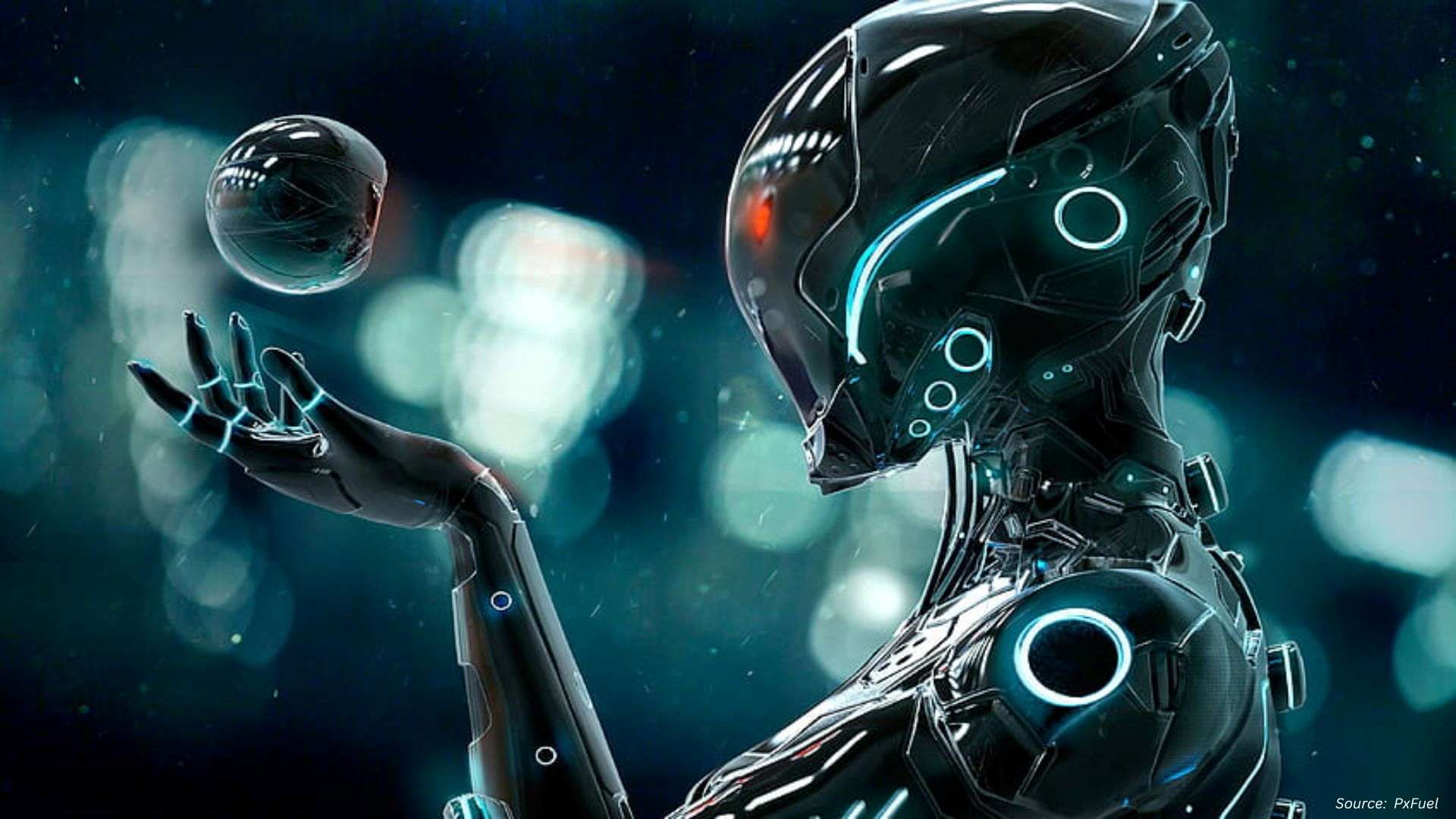
The field of space robotics is experiencing a rapid evolution, bridging academic innovation, hands-on experimentation, and global exploration. From student-led teams programming robots for the International Space Station to advanced laboratories developing robotic systems for lunar and terrestrial applications, the industry is undergoing transformative growth. This blog examines recent trends, highlights remarkable initiatives, and outlines actionable insights for anyone interested in the future of space robotics.
What Are Student-Led Teams Teaching the World About Space Robotics?
Student-led initiatives are making an undeniable global impact. Cortex Robotics, a team formed by students from Bangladesh University of Textiles (BUTEX) and Rajshahi University of Engineering and Technology (RUET), is representing Bangladesh in the 6th Kibo Robot Programming Challenge (Kibo-RPC). This competition is jointly run by the Japan Aerospace Exploration Agency (JAXA) and NASA.
Cortex Robotics topped over 100 national teams with a score of 289.13 points, earning their place in the global finals in Japan. Their mission involved programming Astrobee, a free-flying robot aboard the International Space Station (ISS) designed for environmental monitoring, inventory tracking, and scientific experiments. Team leader Mohammad Humam Hossain emphasized the significance of their work, noting, "This robot is designed to help astronauts; it is an incredible experience to write code that will be executed in space—on a robot orbiting the Earth."
Competitions like Kibo-RPC provide students with practical coding experience while contributing directly to space robotics research. Initiatives such as these illustrate that students can move beyond observation to actively shaping global science projects. For Bangladesh, a country where STEM education faces infrastructural and economic challenges, these achievements mark a significant shift, offering technical exposure and global experience to aspiring engineers and scientists.
What Are the Major Trends Shaping the Present?
Several trends are defining the trajectory of space robotics today:
|
Trend |
Description |
Data Point |
|
Student-Led Innovation |
Increasing participation |
Cortex Robotics (Bangladesh) |
|
Autonomous Robots in |
Free-flying and environment- |
NASA Astrobee used for |
|
Experiential Research Labs |
Open, collaborative, |
Northeastern EXP |
|
Bio-Inspired Robotics |
Nature-inspired |
COBRA snake-like robot |
|
Robotics in Industry |
Applications in seafood |
VERA and HASHI systems |
How Are Experiential Robotics Labs Transforming Innovation?
At Northeastern University’s Institute for Experiential Robotics, robotics research is being redefined. The EXP Robotics Lab offers a high-tech, flexible environment spanning most of the first floor of the university’s eight-story science and engineering complex. The lab houses industrial robot arms, mobile robots, drones, virtual reality systems, and more. Dedicated spaces for 3D printing, laser cutting, and electronics fabrication allow students and researchers to rapidly prototype and test innovative solutions.
Key projects from the lab include VERA (Voxel Enabled Robotic Assistant), designed to aid workers in seafood packaging by moving and orienting products using cube-like devices called voxels. Another is COBRA (Crater Observing Bio-inspired Rolling Articulator), a snake-like robot developed for NASA’s BIG Idea Challenge, capable of traversing lunar-like terrains efficiently. Additionally, HASHI (Highly Adaptable Seafood Handling Instrument) manipulates small items like sushi with chopstick-like appendages, demonstrating precise hand manipulation on a small scale.
The lab is intentionally designed to be open and collaborative, fostering interdisciplinary teamwork among 20 faculty members and students from robotics, artificial intelligence, computer science, physical therapy, and entrepreneurship. Northeastern’s approach emphasizes that innovation is driven not only by equipment or space but by the expertise, vision, and creativity of researchers themselves. The lab provides experiential learning opportunities for undergraduates while supporting advanced research by doctoral and postdoctoral students.
Distribution of Focus in Modern Space Robotics
The chart illustrates the key focus areas shaping space robotics initiatives in recent years. Experiential Robotics Labs account for the largest portion at 35%, reflecting the growing emphasis on collaborative, hands-on research environments such as Northeastern University’s EXP Lab. Student-Led Robotics Programs represent 25%, highlighting the impact of competitions like the Kibo Robot Programming Challenge, where teams such as Cortex Robotics gain real-world experience in space robotics. Autonomous Space Robots, including systems like NASA’s Astrobee on the International Space Station, make up 20%, showcasing the increasing deployment of self-operating robots for scientific and operational tasks. Bio-Inspired and Lunar Robots contribute 10%, emphasizing the role of nature-inspired designs, such as the COBRA snake-like robot, in navigating challenging terrains. Finally, Industrial and Practical Applications also account for 10%, demonstrating the crossover of space robotics technologies into terrestrial industries, including assistive and precision handling systems like VERA and HASHI. This visual representation highlights how innovation in space robotics is distributed across research, education, operational autonomy, bio-inspired design, and practical applications, giving readers a clear overview of the current landscape.

What Are the Major Trends Shaping the Present?
Several trends are defining the trajectory of space robotics in 2024–2025. Student-led initiatives such as Cortex Robotics demonstrate that young engineers are becoming active participants in global space missions. Autonomous robots like Astrobee are increasingly deployed on the ISS for operational and scientific purposes. Experiential laboratories, exemplified by Northeastern University, create collaborative spaces that accelerate the development of novel robotic solutions. Bio-inspired robotics, including snake-like robots for lunar exploration, are emerging as essential tools for navigating complex terrains. Finally, robotics applications in industry, such as VERA and HASHI for food handling, highlight the dual-use potential of space robotics technologies in terrestrial sectors.
These trends collectively suggest that the integration of robotics into both space exploration and industrial applications is accelerating. Interdisciplinary collaboration and hands-on experience are essential for advancing research, while bio-inspired design and human-assistive robotics are expected to lead future growth.
Leading Companies Driving the Space Robotics Industry
The space robotics market is home to several prominent players, including Northrop Grumman Corporation, Oceaneering International, Inc., Maxar Technologies, Airbus SE, Intuitive Machines LLC, Voyager Space Holdings, Blue Origin, GITAI, Astrobotic Technology Inc., Motiv Space Systems, Inc., OneSpace, iSpace Inc, LandSpace Technology Corporation, Surrey Satellite Technology Ltd, and Shark Robotics, among others. These organizations are shaping the development, deployment, and innovation of robotic systems for space exploration and industrial applications.

Why Does Authoritative Experience Matter in Robotics?
Experience and expertise are critical to producing reliable and innovative robotics solutions. Student teams gain valuable hands-on experience programming robots for actual space missions, which enhances their technical proficiency. Faculty-led research provides mentorship, ensuring that students and researchers operate with a high level of expertise. Collaboration with authoritative organizations like NASA and JAXA ensures that projects adhere to global standards and best practices, while transparent documentation of experiments builds trust in research outcomes.
Next Move Strategy Consulting’s View
From a strategic consulting perspective, the space robotics market is entering a phase of accelerated diversification and global collaboration. The combination of student-led innovation, advanced experiential labs, and autonomous robotics signals a shift toward a more decentralized and innovation-driven ecosystem. Stakeholders must recognize that the market is not solely about hardware development; it increasingly relies on talent cultivation, interdisciplinary research, and scalable operational solutions.
Cortex Robotics’ success in international competitions demonstrates that emerging markets can produce globally competitive talent, creating new opportunities for partnerships between educational institutions and private space enterprises. Meanwhile, initiatives at Northeastern University’s EXP Robotics Lab highlight the importance of flexible, collaborative lab environments that allow rapid prototyping, iterative testing, and bio-inspired innovation. These developments indicate that investment in human capital and research infrastructure is just as critical as investment in technology.
Next Move Strategy Consulting emphasizes that the future growth of the space robotics market will be defined not only by technological breakthroughs but also by strategic collaboration, talent development, and scalable solutions that bridge the gap between space exploration and commercial applications. Companies that align investment, R&D, and global partnerships will be best positioned to lead in this rapidly evolving market.
What Are the Next Steps for Stakeholders in Space Robotics?
-
Support Student Participation: Fund robotics competitions and mentorship programs to provide hands-on experience in real-world space robotics projects.
-
Invest in Interdisciplinary Labs: Expand flexible, collaborative lab spaces to promote innovation across robotics, AI, and engineering disciplines.
-
Encourage Bio-Inspired Design: Develop robotics solutions inspired by nature for lunar exploration, challenging terrains, and industrial applications.
-
Strengthen Global Partnerships: Collaborate with organizations such as NASA, JAXA, and STEM initiatives to access expertise, resources, and international standards.
-
Integrate Robotics Education in STEM Curricula: Equip students with coding, mechatronics, and hands-on robotics skills to build a strong talent pipeline for the future.
Conclusion
Space robotics has transitioned from a futuristic concept to a tangible reality shaped by students, researchers, and experiential labs. Programs like Kibo-RPC, combined with advanced research initiatives such as Northeastern University’s EXP Robotics Lab, demonstrate that hands-on learning, interdisciplinary collaboration, and bio-inspired engineering are now driving the future of space exploration. With continued investment and mentorship, these innovations promise to redefine both space missions and industrial robotics applications.
About the Author
 Tania Dey is a content writer specializing in transformation-led, insight-driven storytelling. She develops research-backed, high-impact content aligned with evolving business priorities, digital behavior, and audience expectations. Her work helps organizations sharpen value propositions, strengthen visibility, and communicate strategic intent with clarity and precision. Grounded in data-informed storytelling, she brings a strong focus on relevance, consistency, and measurable digital impact across platforms.
About the Reviewer
 Sanyukta Deb is Digital Marketing Team Lead at Next Move Strategy Consulting, where she has led content strategy and technical SEO for the firm's B2B market research publications for over 2 years. Her editorial process translates NextMSC's primary and secondary research — spanning technology, industrial, and consumer sectors — into commercial narratives, backed by search-intent, keyword, and competitive analysis. She brings 5 years of overall experience in digital marketing and content strategy.
















Add Comment