How Equipment Demand Is Shifting in Brisbane Logistics
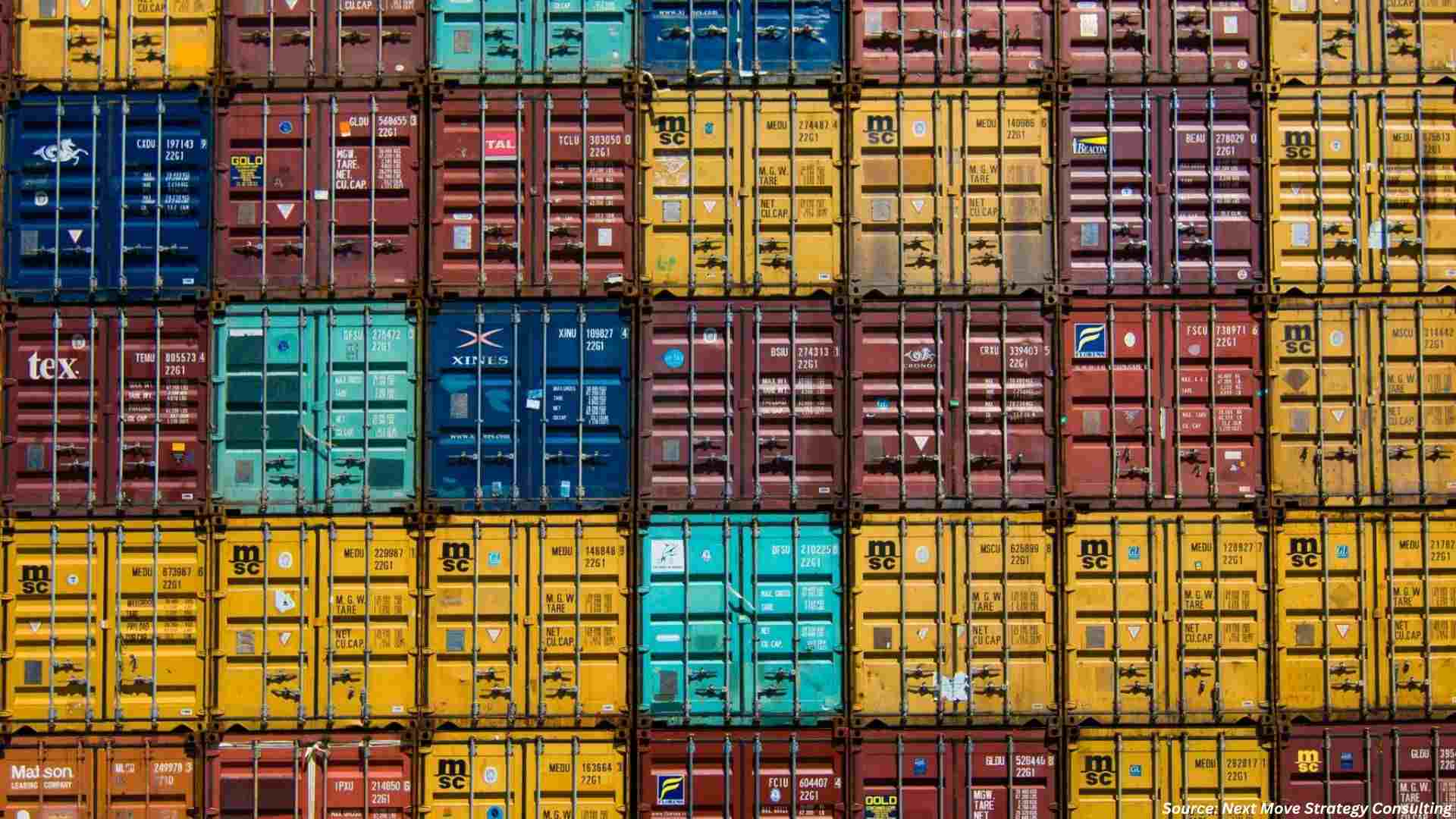
Brisbane’s logistics sector is not just expanding, it is restructuring. Equipment demand is no longer driven only by volume of goods, but by how warehouses operate, how fast inventory moves, and how sustainability targets are enforced.
Across Queensland, logistics growth is tied to e-commerce expansion, infrastructure investment, and tighter industrial land supply. At the same time, warehouses are becoming more automated, space-efficient, and data-driven. These changes are directly reshaping what equipment is needed, how it is deployed, and whether businesses buy, lease, or hire.
The Growth of Logistics and Warehousing in Brisbane
In Southeast Queensland specifically, industrial demand is outpacing supply. Land shortages and rising rents indicate strong pressure on logistics capacity, particularly in Brisbane’s key freight corridors.
This growth environment creates a direct effect. More warehouses, more throughput, and more pressure on operational efficiency all translate into higher and more specialized equipment demand.
Forklift Demand and the Rise of Flexible Equipment Access
From Ownership to Rental Models
One of the most noticeable shifts is how businesses access equipment.
Rather than purchasing large fleets outright, many logistics operators are moving toward flexible forklift hire Brisbane. This reflects a broader trend across Australia where companies prefer service-based deployments that include maintenance and support.
The advantage is operational flexibility. Equipment can be scaled up during peak demand and reduced when activity slows, without long-term capital commitment.
This approach also aligns with cost management. Instead of large upfront investment, businesses distribute costs over time while maintaining access to modern equipment.
Why Forklifts Remain Central
Despite automation, forklifts continue to anchor material handling operations.
Forklifts are evolving alongside this growth. Modern units include telematics, IoT integration, and improved ergonomics, making them more efficient and adaptable in high-density warehouse environments.
Demand is also diversifying. Businesses are no longer looking for a single type of forklift, but a mix of equipment suited to different tasks, from narrow aisle operations to heavy-load transport.
The Shift Toward Electric and Sustainable Equipment
Electrification as a Core Trend
One of the strongest changes in Brisbane logistics equipment demand is the move toward electric forklifts.
The Australian electric forklift market is growing steadily, driven by sustainability targets, rising fuel costs, and regulatory pressure to reduce emissions.
Electric models offer several operational advantages:
-
Lower emissions and compliance with environmental standards
-
Reduced operating costs over time
-
Quieter operation, improving warehouse conditions
These factors are particularly relevant in urban logistics hubs like Brisbane, where environmental regulations and proximity to residential areas influence equipment choices.
Battery Technology and Performance Gains
Advances in lithium-ion battery technology have made electric forklifts more viable for demanding operations.
Charging times are shorter, operational hours are longer, and maintenance requirements are lower compared to older battery systems.
This reduces one of the traditional barriers to adoption, making electric equipment suitable for high-throughput warehouses.
Automation and Smart Equipment Integration
Warehouses Are Becoming More Data-Driven
Automation is not replacing equipment, it is changing how it is used.
Modern warehouses integrate robotics, sensors, and data systems to optimize movement and reduce inefficiencies. This includes automated guided vehicles and semi-autonomous forklifts.
Globally, the demand for material handling equipment is closely tied to e-commerce growth and automation adoption, both of which are increasing rapidly.
In Brisbane, this translates into demand for equipment that can operate within automated systems rather than independently.
Telematics and Fleet Management
Another shift is the use of telematics.
Fleet management systems track equipment usage, maintenance needs, and performance metrics in real time. This allows operators to optimize fleet size and reduce downtime.
For logistics companies, this is not just a technical upgrade. It directly affects cost efficiency and operational reliability.
Space Constraints and Equipment Design
Working Within Limited Industrial Land
Industrial land shortages in Southeast Queensland are forcing warehouses to operate more efficiently within limited space.
This affects equipment demand in several ways:
-
Increased need for compact and narrow aisle forklifts
-
Greater use of vertical storage systems
-
Higher reliance on precise maneuverability
As warehouses become denser, equipment must adapt to tighter layouts without sacrificing productivity.
Multi-Function Equipment
There is also growing demand for equipment that can handle multiple tasks.
Instead of maintaining separate machines for different functions, operators are looking for versatile units that can perform a range of activities.
This reduces fleet size while maintaining operational flexibility.
Infrastructure and Investment Driving Equipment Needs
Brisbane’s logistics sector is supported by ongoing investment in industrial property and infrastructure.
Large-scale acquisitions of logistics facilities and warehouse developments highlight strong demand for modern, well-located assets.
These facilities are designed with advanced logistics operations in mind, including automation readiness and high throughput capacity.
As new warehouses are built, they require modern equipment from the start, accelerating the shift toward newer technologies and flexible deployment models.
Where Equipment Demand Is Headed
Increased Reliance on Service Models
Rental and service-based equipment access is expected to grow further.
As logistics operations become more dynamic, businesses will prioritize flexibility over ownership.
Continued Electrification
Electric equipment will likely become the default choice in many warehouse environments, particularly as regulations and sustainability targets tighten.
Integration With Automation
Equipment will increasingly be designed to integrate with automated systems, rather than operate as standalone units.
Focus on Efficiency Over Volume
Demand will not just increase in quantity, it will become more specialized.
Businesses will focus on equipment that improves throughput, reduces costs, and adapts to changing workflows.
The Practical Takeaway
Equipment demand in Brisbane logistics is shifting from volume-driven to efficiency-driven.
Growth in warehousing and logistics is creating higher demand overall, but the nature of that demand is changing. Flexibility, sustainability, and integration are becoming the defining factors.
Forklifts remain central, but how they are accessed and used is evolving. Rental models, electric powertrains, and smart systems are reshaping the market.
For logistics operators, the key is not just acquiring more equipment. It is selecting the right equipment, deployed in the right way, to match the increasingly complex demands of modern supply chains.
About the Author
 Hamza Hamid is a professional writer specializing in strategic, growth-focused content that helps businesses build authority, improve visibility, and connect with the right audience. With a strong focus on thoughtful research and well-crafted storytelling, he creates articles, blogs, and industry pieces that simplify complex topics while delivering real marketing value. Hamza works across business, technology, logistics, and industrial sectors, helping brands communicate clearly, rank better, and grow through content that informs as much as it converts.
About the Reviewer
 Sanyukta Deb is Digital Marketing Team Lead at Next Move Strategy Consulting, where she has led content strategy and technical SEO for the firm's B2B market research publications for over 2 years. Her editorial process translates NextMSC's primary and secondary research — spanning technology, industrial, and consumer sectors — into commercial narratives, backed by search-intent, keyword, and competitive analysis. She brings 5 years of overall experience in digital marketing and content strategy.















Add Comment