Minimally Invasive Surgery Market: Trends & Forecasts for 2026
Introduction
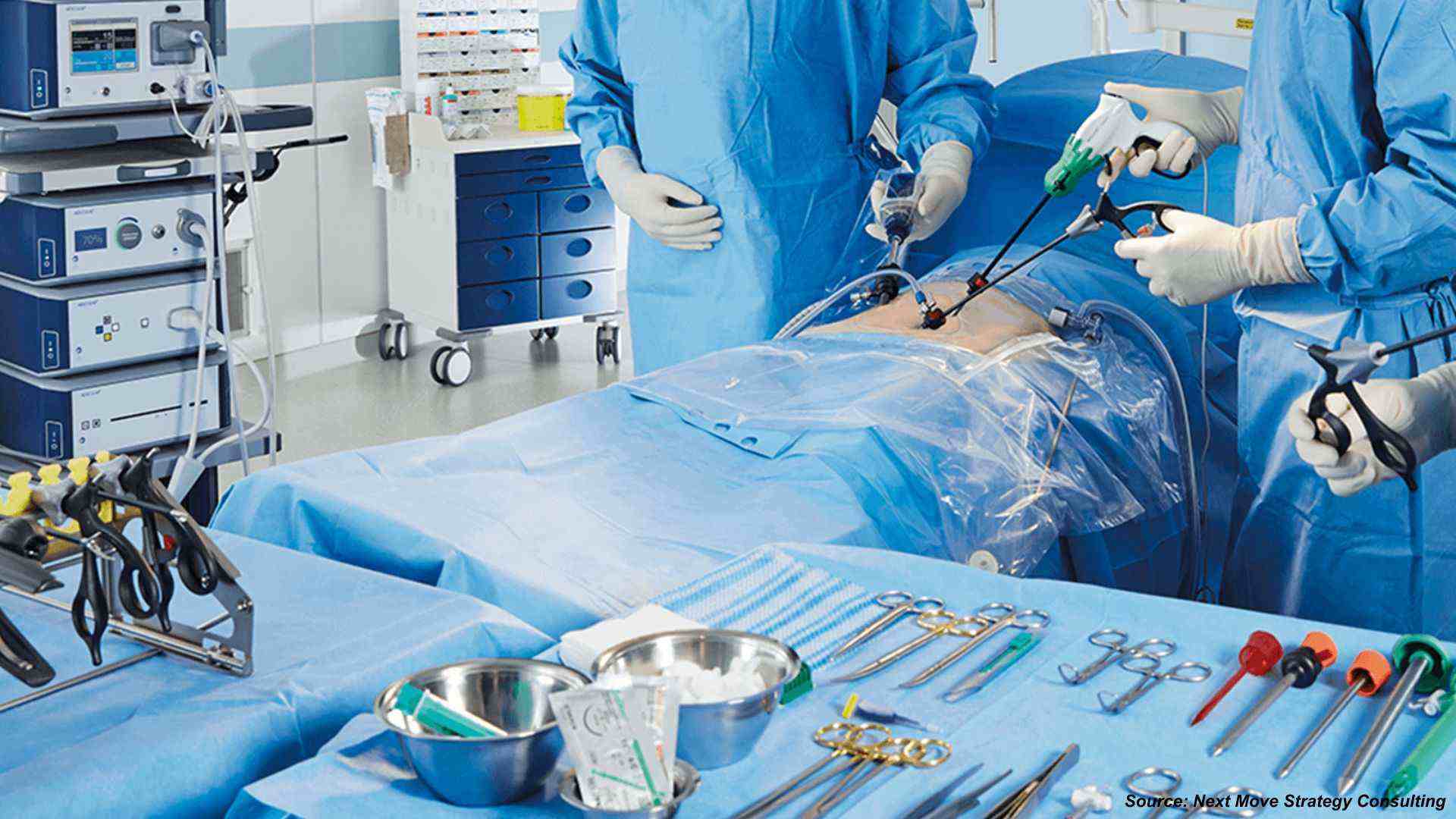
The global minimally invasive surgery market is entering a defining chapter in 2026. What began as a niche surgical discipline — characterized by laparoscopic cholecystectomies and small-incision techniques — has evolved into one of the most technologically dynamic and commercially consequential segments of the global medical device industry. Today, robotic-assisted surgery, AI-integrated navigation systems, and next-generation visualization platforms are converging to redefine what is surgically possible, while simultaneously raising urgent questions about patient safety, regulatory oversight, and equitable access.
The competitive landscape of the minimally invasive surgery market shifted decisively on July 22, 2026, when the U.S. Food and Drug Administration granted marketing authorization to Johnson & Johnson's Ottava robotic surgical system — marking the healthcare conglomerate's formal entry into a market long dominated by Intuitive Surgical's da Vinci platform. This landmark regulatory event, combined with Intuitive Surgical's upward revision of its 2026 procedure growth forecast and Medtronic's December 2025 FDA clearance of its Hugo robotic-assisted surgery system, signals that the minimally invasive surgery market is undergoing a structural competitive transformation with far-reaching implications for hospitals, surgeons, investors, and patients alike.
According to Next Move Strategy Consulting (NMSC), the global Minimally Invasive Surgery Market is projected to reach USD 71.34 billion by 2030, growing at a CAGR of 6.9%. For C-level executives, procurement leaders, and institutional investors, the forces now acting on this market demand both strategic urgency and analytical rigor.
For More Information: Download FREE Sample on Minimally Invasive Surgery Market Report
Competitive Disruption and Regulatory Milestones: The Forces Reshaping the Minimally Invasive Surgery Market
J&J's OTTAVA FDA Authorization: A Structural Shift in Competitive Dynamics
The most consequential single event for the minimally invasive surgery market in 2026 occurred on July 22, when Reuters reported that Johnson & Johnson received FDA marketing authorization for its Ottava robotic surgical system. The authorization covers multiple general surgery procedures in the upper abdomen, including gastric bypass, gastrectomy, gallbladder removal, gastric sleeve surgery, appendectomy, and hiatal hernia repair.
The strategic significance of this authorization extends well beyond a single product clearance. J&J's Ottava system features robotic arms integrated directly into the operating table, occupying 30% to 50% less space than traditional boom-and-cart-mounted systems used by most surgical robots — a design innovation that enables deployment in operating rooms that could not previously accommodate a robotic system. Hani Abouhalka, Chairman of Surgery at J&J MedTech, stated that global robotic surgical procedure penetration currently stands at just 8%, underscoring the vast untapped market opportunity that J&J is targeting. The company has announced plans for fast commercial launches in Japan and Western Europe following the U.S. authorization.
This development directly challenges Intuitive Surgical's long-standing dominance of the robotic-assisted minimally invasive surgery market. Medtronic's Hugo robotic-assisted surgery system had already received FDA clearance in December 2025 for urologic surgical procedures — including prostatectomy, nephrectomy, and cystectomy, which collectively account for approximately 230,000 surgeries per year in the U.S. — further intensifying the competitive pressure on Intuitive.
Intuitive Surgical's Upward Revision: Market Leader Responds to Competitive Pressure
Despite the intensifying competitive environment, Intuitive Surgical demonstrated the resilience of its market position in April 2026, when it raised its full-year 2026 procedure growth forecast following a strong first quarter. The company now expects worldwide da Vinci procedures to increase at a rate of approximately 13.5% to 15.5%, up from its previous forecast of approximately 13% to 15% growth.
The Q1 2026 financial results that underpinned this revision were compelling: revenue of USD 2.77 billion (a 23% year-over-year increase), net income of USD 822 million (an 18% increase), and da Vinci system placements of 431 units compared with 367 in Q1 2025. Da Vinci 5 placements reached 232 units, up from 147 in Q1 2025. CEO Dave Rosa attributed the growth to a 31% rise in after-hours procedures and higher overall system utilization in the U.S.
Q1 da Vinci procedures grew 14% in the U.S. and 19% internationally, with continued strength in general surgery and gynecology expanding adoption beyond urology. However, growth outside the U.S. was tempered by greater domestic competition and pricing pressure in China, as well as below-historical procedure growth in Japan following fewer system placements in 2025.
Reuters Investigation: AI in the Operating Room — Promise and Peril
A landmark investigative report published by Reuters on February 9, 2026 introduced a critical counternarrative to the prevailing optimism surrounding AI integration in the minimally invasive surgery market. The investigation documented a rising number of adverse event reports associated with AI-enabled medical devices, raising fundamental questions about the pace of AI adoption relative to the maturity of regulatory oversight.
The FDA has now authorized at least 1,357 medical devices that use AI — more than double the number authorized through 2022, with more than half added in the last three years. A research letter published in the JAMA Health Forum found that 60 FDA-authorized AI-enabled medical devices were linked to 182 product recalls, with 43% of those recalls occurring less than a year after authorization — approximately twice the recall rate of all devices authorized under similar FDA rules.
The Reuters investigation further revealed that the FDA's specialized AI device review team — the Division of Imaging, Diagnostics and Software Reliability (DIDSR) — lost approximately 15 of its 40 AI scientists through layoffs and departures associated with the Department of Government Efficiency (DOGE) cost-cutting initiative, while the Digital Health Center of Excellence lost approximately one-third of its staff. This reduction in regulatory capacity at precisely the moment of peak AI device authorization activity represents a systemic risk for the minimally invasive surgery market that demands attention from hospital procurement leaders and institutional investors.
Global Access Disparities: The Lancet Commission's Urgent Call
The American College of Surgeons' February 2026 Bulletin published a comprehensive analysis of robotics integration in global surgical care, drawing on Lancet Commission on Global Surgery (LCoGS) data to highlight the profound inequity in access to minimally invasive surgical technology. Robotic-assisted surgery currently accounts for 5% of surgeries in the U.S., 2% in Europe, and less than 1% in the rest of the world — a distribution that correlates directly with the proportion of each region's GDP spent on healthcare.
The LCoGS estimates that deficiencies in surgical, anesthetic, and obstetric care contribute to 18 million preventable deaths annually. More than 808,000 surgical, anesthetic, and obstetric healthcare providers need to be trained by 2030 to achieve the LCoGS target of a minimum density of 20 providers per 100,000 population. The cost of implementing a robotic platform in the U.S. ranges from USD 1 million to USD 1.5 million, with expenditures averaging USD 4,000 per procedure — a financial barrier that effectively excludes most low- and middle-income country healthcare systems from accessing robotic minimally invasive surgery.
Chronic Disease Burden: The Foundational Demand Driver
Underlying all of these competitive and regulatory developments is the foundational demand driver for the minimally invasive surgery market: the escalating global burden of chronic disease. According to the World Health Organization, cardiovascular diseases account for 17.9 million deaths annually, followed by 9.3 million deaths from cancer, 4.1 million from chronic respiratory diseases, and 2.0 million from kidney disease caused by diabetes. Each of these disease categories generates substantial demand for minimally invasive surgical interventions — from cardiac surgery and cancer resection to urological procedures and gastrointestinal surgery.
The growing geriatric population amplifies this demand further. According to the Statistics Bureau of Japan, the elderly population aged 65 and over reached 36.21 million, constituting 28.9% of Japan's total population — a demographic profile that is increasingly replicated across North America, Western Europe, and parts of Asia Pacific, and that directly drives demand for minimally invasive procedures that minimize recovery time and surgical risk in older patients.
NMSC Strategic Perspective: A Market at a Competitive and Regulatory Inflection Point
From Next Move Strategy Consulting's analytical standpoint, the minimally invasive surgery market in 2026 is simultaneously experiencing two distinct but interconnected inflection points. The first is competitive: the entry of J&J's Ottava and the established presence of Medtronic's Hugo are breaking Intuitive Surgical's near-monopoly in robotic-assisted surgery, creating a multi-vendor market that will drive innovation, reduce system costs over time, and expand hospital adoption — particularly in operating rooms previously too small to accommodate legacy robotic platforms.
The second inflection point is regulatory and safety-related: the Reuters investigation's documentation of AI device adverse events, combined with the reduction in FDA AI review capacity, creates a near-term environment of heightened scrutiny for AI-integrated surgical devices. NMSC's assessment is that manufacturers who invest in rigorous clinical validation, transparent adverse event reporting, and proactive engagement with FDA's evolving AI device guidance framework will be best positioned to build durable market share. The minimally invasive surgery market's projected growth to USD 71.34 billion by 2030 will be captured disproportionately by vendors who can demonstrate both clinical efficacy and regulatory trustworthiness.
Section Summary
The minimally invasive surgery market in 2026 is being reshaped by a convergence of competitive disruption, regulatory milestones, AI safety concerns, and foundational chronic disease demand.
-
J&J's OTTAVA FDA marketing authorization on July 22, 2026 marks the most significant competitive disruption in the robotic-assisted surgery segment in over two decades, directly challenging Intuitive Surgical's dominance with a space-efficient, table-integrated system targeting the 92% of global surgical procedures not yet performed robotically.
-
Intuitive Surgical raised its 2026 procedure growth forecast to 13.5%–15.5%, supported by Q1 2026 revenue of USD 2.77 billion (+23% YoY) and 431 da Vinci system placements — demonstrating the market leader's resilience even as competition intensifies.
-
Medtronic's Hugo RAS FDA clearance (December 2025) for urologic procedures covering ~230,000 annual U.S. surgeries further validates the multi-vendor competitive shift underway in the minimally invasive surgery market.
-
Reuters' February 2026 investigation into AI device adverse events — including 1,357 FDA-authorized AI medical devices and a 43% first-year recall rate for AI-enabled devices — introduces a critical regulatory risk dimension that procurement leaders and investors must factor into their strategic assessments.
Industry Impact Analysis
Impact on Hospital Procurement and Capital Planning
The entry of J&J's Ottava and Medtronic's Hugo into the U.S. robotic surgery market is fundamentally altering the hospital procurement calculus for minimally invasive surgery systems. For the first time in decades, hospital administrators and surgical program directors have genuine multi-vendor choice in robotic-assisted surgery — a development that is expected to introduce competitive pricing pressure on system acquisition costs, service contracts, and consumable instruments.
J&J's Ottava system's 30%–50% smaller footprint compared to traditional robotic systems is particularly significant for community hospitals and ambulatory surgical centers that have historically been excluded from robotic surgery adoption due to operating room size constraints. Medtronic's Hugo system's modular design — which allows robotic arms to be moved, shared, and deployed across multiple care settings — similarly addresses the utilization and capital efficiency concerns that have historically limited robotic surgery adoption in smaller institutions.
Impact on Surgical Training and Workforce Development
The proliferation of robotic platforms in the minimally invasive surgery market is creating a parallel demand surge for specialized surgical training. The ACS Bulletin's February 2026 analysis highlights that robotic surgery necessitates specialized training for surgeons, anesthesiologists, nurses, operating room staff, and technical teams — a workforce development requirement that is particularly acute in low- and middle-income countries where the surgical workforce baseline is already insufficient.
Medtronic's Touch Surgery ecosystem — integrated with the Hugo RAS system — provides pre-operative training tools, remote tele-proctoring capabilities, and AI-powered post-operative case insights, representing a model for how digital training infrastructure can accelerate robotic surgery adoption while maintaining safety standards. Virtual reality surgical training platforms and remote-controlled robotics systems are also emerging as scalable solutions to address training gaps in underserved regions.
North America: Dominant Regional Market
North America holds the dominant share of the minimally invasive surgery market and is expected to maintain this position through the forecast period. This regional leadership is anchored by the high prevalence of chronic diseases — the American Cancer Society recorded an estimated 1.9 million new cancer cases and 608,570 cancer deaths in the U.S. in 2021 alone — combined with the presence of leading market players including Stryker Corporation, CONMED Corporation, Intuitive Surgical, and Medtronic.
The regulatory environment in North America is also a key market driver. The FDA's active engagement with robotic surgery device authorizations — including the landmark J&J Ottava clearance and the Medtronic Hugo clearance — is accelerating the pace of technology adoption and competitive market development in the region.
Asia Pacific: The Fastest-Growing Regional Opportunity
Asia Pacific is expected to demonstrate the fastest growth rate in the minimally invasive surgery market during the forecast period. This growth is driven by rapidly improving healthcare infrastructure in China, India, and Japan, combined with growing government investment in advanced medical technologies. India's healthcare sector reached USD 372 billion in 2022, according to the government's Niti Aayog, reflecting the scale of the investment opportunity in this region.
However, the ACS Bulletin's analysis notes that procedure growth in Japan remained below historical levels in Q1 2026 following fewer system placements in 2025, and that China is experiencing greater domestic competition and pricing pressure in robotic surgery — dynamics that will require careful market-by-market strategic assessment from vendors and investors.
AI Integration: Transformative Potential, Elevated Risk Profile
The integration of artificial intelligence into minimally invasive surgery platforms represents both the most transformative opportunity and the most significant risk factor in the current market environment. The FDA has authorized more than 1,357 AI-enabled medical devices — more than double the number through 2022 — reflecting the pace at which AI is being embedded into surgical navigation, imaging, and decision-support systems.
The ACS Bulletin notes that AI-driven algorithms can support surgeons by providing real-time analytics and guidance, which is particularly valuable in resource-constrained settings. India's locally developed SSi Mantra robotic platform integrates AI to support intraoperative decision-making and precision, offering a model for how AI can be deployed to expand access to minimally invasive surgery in lower-resource environments.
Section Summary
The industry impact of current developments in the minimally invasive surgery market spans hospital procurement, surgical workforce development, regional market dynamics, and AI safety governance.
-
Multi-vendor competition from J&J's Ottava and Medtronic's Hugo is introducing pricing pressure on robotic surgery systems and expanding the addressable hospital market to smaller facilities previously excluded by footprint and cost constraints.
-
Surgical training demand is surging alongside robotic platform proliferation, with digital ecosystems such as Medtronic's Touch Surgery and VR simulation platforms emerging as scalable solutions for workforce development.
-
North America maintains dominant market share, anchored by chronic disease prevalence, leading vendor presence, and an active FDA regulatory environment.
-
AI integration presents a dual profile of transformative clinical potential and elevated patient safety risk, requiring manufacturers to invest in rigorous clinical validation and proactive regulatory engagement.
Pros and Cons of Recent Market Developments
|
Development |
Pros |
Cons |
|
J&J OTTAVA FDA Marketing Authorization (July 22, 2026) |
Introduces genuine multi-vendor competition in robotic surgery; smaller footprint expands hospital addressable market; accelerates innovation and cost reduction across the segment |
Intuitive Surgical's entrenched physician relationships and hospital workflow integration remain formidable barriers; J&J must build clinical evidence base and training infrastructure from scratch |
|
Medtronic Hugo RAS FDA Clearance (December 2025) |
Modular design enables flexible deployment across care settings; Touch Surgery digital ecosystem supports training and continuous improvement; expands patient access to robotic urologic surgery |
Limited to urologic indications at launch; full commercial scale requires additional specialty clearances; competing against Intuitive's established urology program |
|
Intuitive Surgical's Raised 2026 Procedure Growth Forecast |
Validates sustained market demand for robotic-assisted minimally invasive surgery; 23% YoY revenue growth demonstrates commercial resilience; da Vinci 5 adoption accelerating |
China pricing pressure and Japan growth slowdown signal emerging international headwinds; competitive pressure from J&J and Medtronic may erode long-term market share |
|
Reuters AI Device Safety Investigation (February 2026) |
Raises critical patient safety awareness; accelerates development of more rigorous AI validation frameworks; creates competitive differentiation for vendors with strong clinical evidence |
Potential to slow AI device adoption and hospital procurement decisions; FDA capacity reduction increases regulatory uncertainty; reputational risk for AI-integrated surgical device manufacturers |
|
ACS Bulletin: Global Robotic Surgery Access Analysis (February 2026) |
Highlights USD 1M–$1.5M implementation cost as a key barrier, driving demand for lower-cost modular platforms; LCoGS framework creates policy momentum for surgical access investment |
18 million preventable deaths annually from SAO care deficiencies underscore the scale of the access gap; 808,000+ providers needed by 2030 represents a workforce challenge that technology alone cannot solve |
|
Growing Geriatric Population and Chronic Disease Burden |
Structurally expands the addressable patient population for minimally invasive procedures across all surgical specialties |
Aging populations in high-income countries place increasing pressure on healthcare system capacity and reimbursement frameworks; cost-per-procedure scrutiny intensifies |
Key Market Developments and Regulatory Events Impacting the Minimally Invasive Surgery Market (2025–2026)
|
Event / Development |
Date |
Primary Impact on MIS Market |
|
J&J OTTAVA Robotic Surgical System Receives FDA Marketing Authorization |
July 22, 2026 |
Breaks Intuitive Surgical's near-monopoly; 30–50% smaller footprint expands hospital addressable market; global robotic procedure penetration currently at 8% |
|
Intuitive Surgical Raises 2026 da Vinci Procedure Growth Forecast to 13.5%–15.5% |
April 22, 2026 |
Q1 2026 revenue USD 2.77B (+23% YoY); 431 da Vinci placements; 31% rise in after-hours procedures; validates sustained robotic surgery demand |
|
Medtronic Hugo RAS System Receives FDA Clearance for Urologic Procedures |
December 3, 2025 |
Covers ~230,000 annual U.S. urologic surgeries; modular design and Touch Surgery digital ecosystem differentiate from Intuitive; used in 30+ countries |
|
Reuters Investigation: AI in Operating Room — 1,357 FDA-Authorized AI Devices; 43% First-Year Recall Rate |
February 9, 2026 |
Elevates patient safety scrutiny for AI-integrated surgical devices; FDA AI review team reduced by ~15 scientists; accelerates demand for rigorous clinical validation |
|
ACS Bulletin: Robotic Surgery Accounts for 5% of U.S. Surgeries, <1% Globally |
February 4, 2026 |
Highlights 92% global robotic surgery penetration gap; LCoGS: 18M preventable deaths from SAO deficiencies; $1M–$1.5M implementation cost is primary access barrier |
|
WHO: Cardiovascular Diseases Account for 17.9 Million Deaths Annually |
Ongoing |
Anchors structural demand for cardiac and vascular minimally invasive surgery; reinforces chronic disease as the foundational market growth driver |
|
India Healthcare Sector Reaches USD 372 Billion |
2022 |
Validates Asia Pacific as the fastest-growing regional market for minimally invasive surgery adoption |
|
U.S. Cancer Cases: 1.9 Million New Diagnoses, 608,570 Deaths (2021) |
2021 |
Anchors North America's dominant market position; drives demand for cancer surgery and oncological minimally invasive procedures |
Future Outlook & Forecast
NMSC Market Forecast: USD 71.34 Billion by 2030
According to Next Move Strategy Consulting, the global minimally invasive surgery market is projected to grow USD 71.34 billion, at a CAGR of 6.9% by 2030. This growth trajectory reflects sustained demand from hospitals, clinics, and academic research institutes across North America, Europe, Asia Pacific, and the Rest of the World, driven by the accelerating adoption of robotic surgery, advanced laparoscopic systems, and AI-integrated visualization platforms.
Robotic Surgery: The Highest-Growth Segment
Within the minimally invasive surgery market, the robotic surgery service segment is positioned as the primary growth frontier. With global robotic surgical procedure penetration currently at just 8% — as stated by J&J MedTech's Chairman of Surgery — the runway for adoption growth is substantial. The entry of J&J's Ottava and Medtronic's Hugo alongside Intuitive Surgical's da Vinci 5 creates a competitive multi-vendor environment that is expected to drive system cost reductions, expand hospital adoption, and accelerate procedure volume growth across general surgery, urology, gynecology, and cardiac surgery specialties.
Telesurgery and Remote Robotics: The Next Frontier
Telesurgery and remote tele-proctoring technologies represent a significant future opportunity for the minimally invasive surgery market, particularly in addressing the global access gap. The ACS Bulletin highlights that remote-control robotic systems show promise in expanding access to surgical care and supervised robotic surgery training in underserved regions, potentially reducing travel-related logistical and financial burdens. Successful implementation requires robust telecommunications infrastructure and stable power supply — prerequisites that are driving parallel investment in healthcare infrastructure in emerging markets.
Competitive Landscape: Key Players and Strategic Moves
The minimally invasive surgery market features a competitive landscape anchored by global medical device majors. Key players include Stryker Corporation, Conmed Corporation, Intuitive Surgical Inc., NuVasive Inc., Fortimedix Surgical BV, Microline Surgical Inc., Cirtec Medical Corp., OmniGuide Holding Inc., SeaSpine Holdings Corporation, Eximis Surgical Inc., B. Braun Melsungen AG, Medtronic Plc, Johnson & Johnson Services Inc., Abbott Laboratories, Zimmer Biomet, Koninklijke Philips NV, Silex Medical LLC, Freudenberg Medical, BEMA MEDICAL, and Siemens Healthineers AG.
Strategic product launches continue to define competitive positioning. In December 2022, Abbott launched the Transcatheter Aortic Valve Implantation (TAVI) System Navitor for minimally invasive treatment of aortic stenosis. In October 2022, SeaSpine Holdings Corporation launched the 7D FLASH Navigation System Percutaneous Spine Module, and Philips launched its ClarifEye augmented reality surgical navigation system for minimally invasive spinal procedures. In February 2022, Stryker launched the PROstep MICA SOLO Guide to simplify minimally invasive bunion procedures for solo surgeons.
Section Summary
The future outlook for the minimally invasive surgery market is defined by a robust growth trajectory to USD 71.34 billion by 2030, driven by robotic surgery adoption, AI integration, and expanding chronic disease demand.
-
Robotic surgery represents the highest-growth segment, with global procedure penetration at just 8% — signaling a vast untapped market opportunity as multi-vendor competition drives system cost reductions and hospital adoption.
-
Telesurgery and remote robotics represent the next frontier for market expansion, with the potential to address the profound global access gap where robotic surgery accounts for less than 1% of procedures outside the U.S. and Europe.
-
AI integration will be a defining competitive differentiator through 2030, but manufacturers must invest in rigorous clinical validation and proactive FDA engagement to navigate the elevated regulatory scrutiny environment documented by Reuters in February 2026.
Next Steps for Stakeholders
For C-level executives, hospital procurement leaders, and institutional investors operating in or adjacent to the minimally invasive surgery market, the following strategic actions are recommended based on the current market and regulatory environment:
1. Evaluate Multi-Vendor Robotic Surgery Procurement Strategies
The entry of J&J's Ottava and Medtronic's Hugo into the U.S. market creates a genuine multi-vendor procurement environment for the first time in decades. Hospital systems and integrated delivery networks should conduct structured vendor evaluations that assess total cost of ownership — including system acquisition, service contracts, instrument costs, and training infrastructure — rather than defaulting to incumbent vendor relationships. The Ottava system's 30%–50% smaller footprint is particularly relevant for facilities with constrained operating room dimensions.
2. Implement Rigorous AI Device Due Diligence Protocols
In light of the Reuters investigation's documentation of adverse events associated with AI-enabled surgical devices — and the reduction in FDA AI review capacity — hospital procurement teams and medical device investors must implement enhanced due diligence protocols for AI-integrated minimally invasive surgery products. This includes reviewing FDA adverse event databases, assessing clinical trial evidence, and evaluating manufacturers' post-market surveillance programs before committing to AI-integrated device procurement.
3. Invest in Structured Robotic Surgery Training Programs
The proliferation of robotic platforms creates an urgent need for structured, multi-platform surgical training programs. Hospital systems should invest in simulation-based training infrastructure, including VR surgical simulators and digital tele-proctoring capabilities, to accelerate surgeon proficiency across multiple robotic platforms and reduce the time-to-competency curve for new system adoptions.
4. Prioritize Asia Pacific Market Entry and Partnership Strategies
Asia Pacific's rapidly improving healthcare infrastructure — anchored by India's USD 372 billion healthcare sector and China's large-scale hospital investment — represents the fastest-growing regional opportunity in the minimally invasive surgery market. Vendors and investors should prioritize market entry strategies, local manufacturing partnerships, and regulatory pathway planning for key Asia Pacific markets, with particular attention to the distinct competitive dynamics in China and Japan.
5. Engage Proactively with FDA's Evolving AI Device Regulatory Framework
Medical device manufacturers integrating AI into minimally invasive surgery platforms should engage proactively with the FDA's evolving guidance on AI-enabled devices, including the agency's predetermined change control plan framework and the Digital Health Center of Excellence's guidance documents. Proactive regulatory engagement — including voluntary adverse event reporting and transparent clinical validation data — will be a critical differentiator in an environment of heightened FDA scrutiny and reduced agency review capacity.
6. Assess Global Access Initiatives as a Long-Term Market Development Strategy
The ACS Bulletin's documentation of the global robotic surgery access gap — with less than 1% penetration outside the U.S. and Europe — represents both a profound public health challenge and a long-term commercial opportunity. Vendors developing modular, lower-cost robotic platforms and telesurgery capabilities should engage with LCoGS frameworks, USAID global surgery funding channels, and national surgical plan initiatives in low- and middle-income countries to build early market presence in the next wave of robotic surgery adoption.
Conclusion
The global minimally invasive surgery market in 2026 is defined by a rare convergence of competitive disruption, regulatory transformation, and structural demand growth. The FDA's marketing authorization of J&J's Ottava robotic surgical system on July 22, 2026 — combined with Medtronic's Hugo clearance and Intuitive Surgical's upward revision of its procedure growth forecast — signals that the robotic-assisted surgery segment is entering a new era of multi-vendor competition that will drive innovation, expand hospital adoption, and ultimately accelerate the transition from open surgery to minimally invasive approaches across all major surgical specialties.
At the same time, Reuters' February 2026 investigation into AI device adverse events and the ACS Bulletin's documentation of the global surgical access gap serve as important reminders that the minimally invasive surgery market's growth must be anchored in patient safety, clinical evidence, and equitable access — not merely technological novelty or commercial momentum.
Next Move Strategy Consulting's projection of USD 71.34 billion by 2030 at a CAGR of 6.9% reflects a market that is expanding in both scale and strategic complexity. The vendors, hospitals, and investors who navigate this complexity with rigor — investing in validated AI integration, multi-platform training infrastructure, and proactive regulatory engagement — will be best positioned to capture the market's full growth potential through the end of the decade.
For stakeholders seeking a rigorous, data-driven foundation for strategic decision-making in the minimally invasive surgery market, Next Move Strategy Consulting's comprehensive market intelligence report provides the quantitative analysis, competitive benchmarking, and segment-level forecasting required to navigate this dynamic and rapidly evolving landscape.
About the Author
 Sanyukta Deb
— Sanyukta Deb is Digital Marketing Team Lead at Next Move Strategy Consulting, where she has led content strategy and technical SEO for the firm's B2B market research publications for over 2 years. Her editorial process translates NextMSC's primary and secondary research — spanning technology, industrial, and consumer sectors — into commercial narratives, backed by search-intent, keyword, and competitive analysis. She brings 5 years of overall experience in digital marketing and content strategy.
Sanyukta Deb
— Sanyukta Deb is Digital Marketing Team Lead at Next Move Strategy Consulting, where she has led content strategy and technical SEO for the firm's B2B market research publications for over 2 years. Her editorial process translates NextMSC's primary and secondary research — spanning technology, industrial, and consumer sectors — into commercial narratives, backed by search-intent, keyword, and competitive analysis. She brings 5 years of overall experience in digital marketing and content strategy.
About the Reviewer
 Debashree Dey
— Debashree Dey is Assistant Manager at Next Move Strategy Consulting, where she supports cross-vertical market content and communications across diverse industries for 6 years. Her professional background includes senior content writing, communications, and published manuscript authorship, with experience developing audience-focused business narratives and maintaining clear, consistent messaging. Her role supports research-led content development and editorial quality across NextMSC publications.
Debashree Dey
— Debashree Dey is Assistant Manager at Next Move Strategy Consulting, where she supports cross-vertical market content and communications across diverse industries for 6 years. Her professional background includes senior content writing, communications, and published manuscript authorship, with experience developing audience-focused business narratives and maintaining clear, consistent messaging. Her role supports research-led content development and editorial quality across NextMSC publications.

















Add Comment