AI Breakthrough Ignites Frontier in Personalized Cancer Vaccines
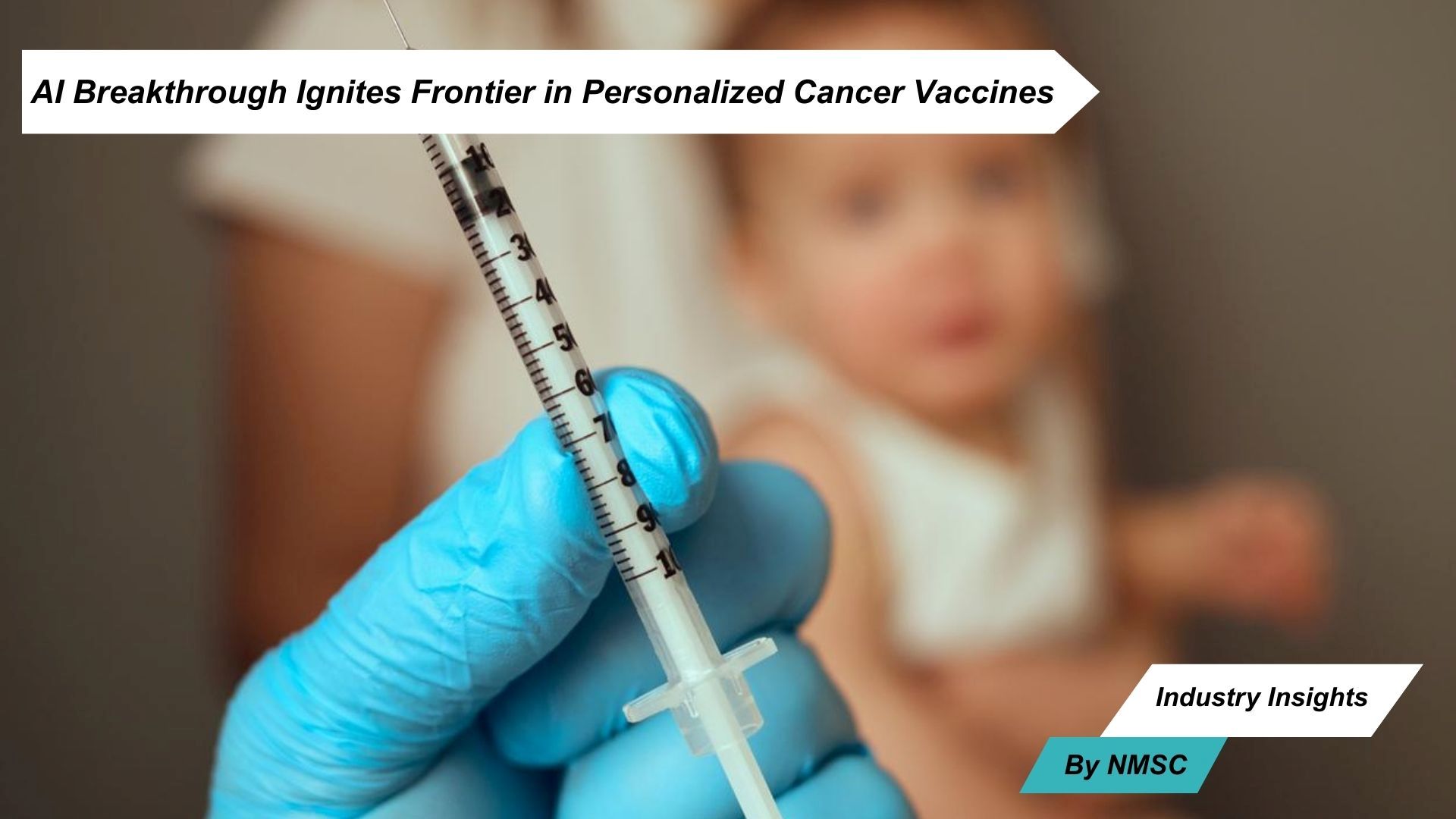
Industry Insights from Next Move Strategy Consulting
As the global pursuit of effective cancer therapies intensifies, a pioneering development from South Korean researchers marks a significant leap forward in the field of personalized oncology. The creation of a novel artificial intelligence model designed to craft customized cancer vaccines represents a transformative approach, moving beyond one-size-fits-all treatments to target the unique genetic makeup of an individual's tumor.
A Precision Strike Against Cancer
The challenge of effectively targeting cancerous cells while sparing healthy tissue has long been a hurdle in immunotherapy. This new AI model addresses this by focusing on neoantigens—unique protein fragments present on cancer cells due to mutations. The system analyzes genetic sequencing data to predict which neoantigens are most likely to be recognized by the body's T-cells, thereby identifying the optimal targets for a vaccine tailored to a specific patient's cancer.
"By leveraging AI to pinpoint the most immunogenic neoantigens, we can design vaccines with a higher probability of eliciting a robust and targeted immune response," explained a lead researcher from the project. "This moves us closer to truly personalized cancer treatment."
Key Capabilities at a Glance:
-
Neoantigen Prediction: AI-driven analysis of tumor sequencing data to identify optimal vaccine targets.
-
Personalized Vaccine Design: Enables the creation of custom therapeutic vaccines for individual patients.
-
T-cell Response Optimization: Selects neoantigens most likely to be recognized by the body's immune defenses.
-
Precision Oncology Advancement: Shifts the treatment paradigm from generalized approaches to highly specific interventions.
Scalable, Data-Driven, and Built for the Future
At its core, this AI model provides a scalable framework for designing bespoke therapeutic vaccines. By streamlining the complex process of neoantigen selection, the technology has the potential to accelerate development timelines and improve the efficacy of cancer immunotherapies. It empowers research and clinical teams with a powerful tool for precision, aiming to enhance treatment outcomes through targeted immune activation.
As oncology continues to embrace personalized medicine, this AI-driven approach enables a more proactive and precise therapeutic posture. With its focus on individual tumor profiles, it aims to reduce ineffective treatments and harness the patient's own immune system with greater accuracy.
Industry Response and Strategic Outlook
This advancement is poised to generate considerable interest across the biopharmaceutical and clinical research sectors, particularly among organizations developing next-generation immunotherapies and navigating the complexities of personalized treatment protocols. The model's ability to potentially improve vaccine efficacy and development efficiency positions it as a cornerstone technology for the future of cancer care.
According to Next Move Strategy Consulting, the integration of AI models for neoantigen prediction and vaccine design is reshaping investment and innovation trends in the biotech market. This signals a growing emphasis on computational biology, personalized treatment platforms, and scalable solutions that bridge genomic data with actionable therapeutic development, driving the industry toward more effective and individualized cancer interventions.
Redefining the Oncology Frontier
As the fight against cancer evolves, this AI-driven model for customized vaccine design signals a new era in immunotherapy—one where personalization, predictive intelligence, and precision are becoming fundamental to therapeutic success.
This research reinforces the commitment of the scientific community to equipping medical innovators with cutting-edge tools to outpace complex diseases and unlock next-level control over therapeutic outcomes.
Source: digitalhealthnews
Prepared by: Next Move Strategy Consulting
About the Author
 Sanyukta Deb
— Sanyukta Deb is Digital Marketing Team Lead at Next Move Strategy Consulting, where she has led content strategy and technical SEO for the firm's B2B market research publications for over 2 years. Her editorial process translates NextMSC's primary and secondary research — spanning technology, industrial, and consumer sectors — into commercial narratives, backed by search-intent, keyword, and competitive analysis. She brings 5 years of overall experience in digital marketing and content strategy.
Sanyukta Deb
— Sanyukta Deb is Digital Marketing Team Lead at Next Move Strategy Consulting, where she has led content strategy and technical SEO for the firm's B2B market research publications for over 2 years. Her editorial process translates NextMSC's primary and secondary research — spanning technology, industrial, and consumer sectors — into commercial narratives, backed by search-intent, keyword, and competitive analysis. She brings 5 years of overall experience in digital marketing and content strategy.
About the Reviewer
 Debashree Dey
— Debashree Dey is Assistant Manager at Next Move Strategy Consulting, where she supports cross-vertical market content and communications across diverse industries for 6 years. Her professional background includes senior content writing, communications, and published manuscript authorship, with experience developing audience-focused business narratives and maintaining clear, consistent messaging. Her role supports research-led content development and editorial quality across NextMSC publications.
Debashree Dey
— Debashree Dey is Assistant Manager at Next Move Strategy Consulting, where she supports cross-vertical market content and communications across diverse industries for 6 years. Her professional background includes senior content writing, communications, and published manuscript authorship, with experience developing audience-focused business narratives and maintaining clear, consistent messaging. Her role supports research-led content development and editorial quality across NextMSC publications.


















Add Comment