EV Battery Market Update: Nissan & Gelion Partners
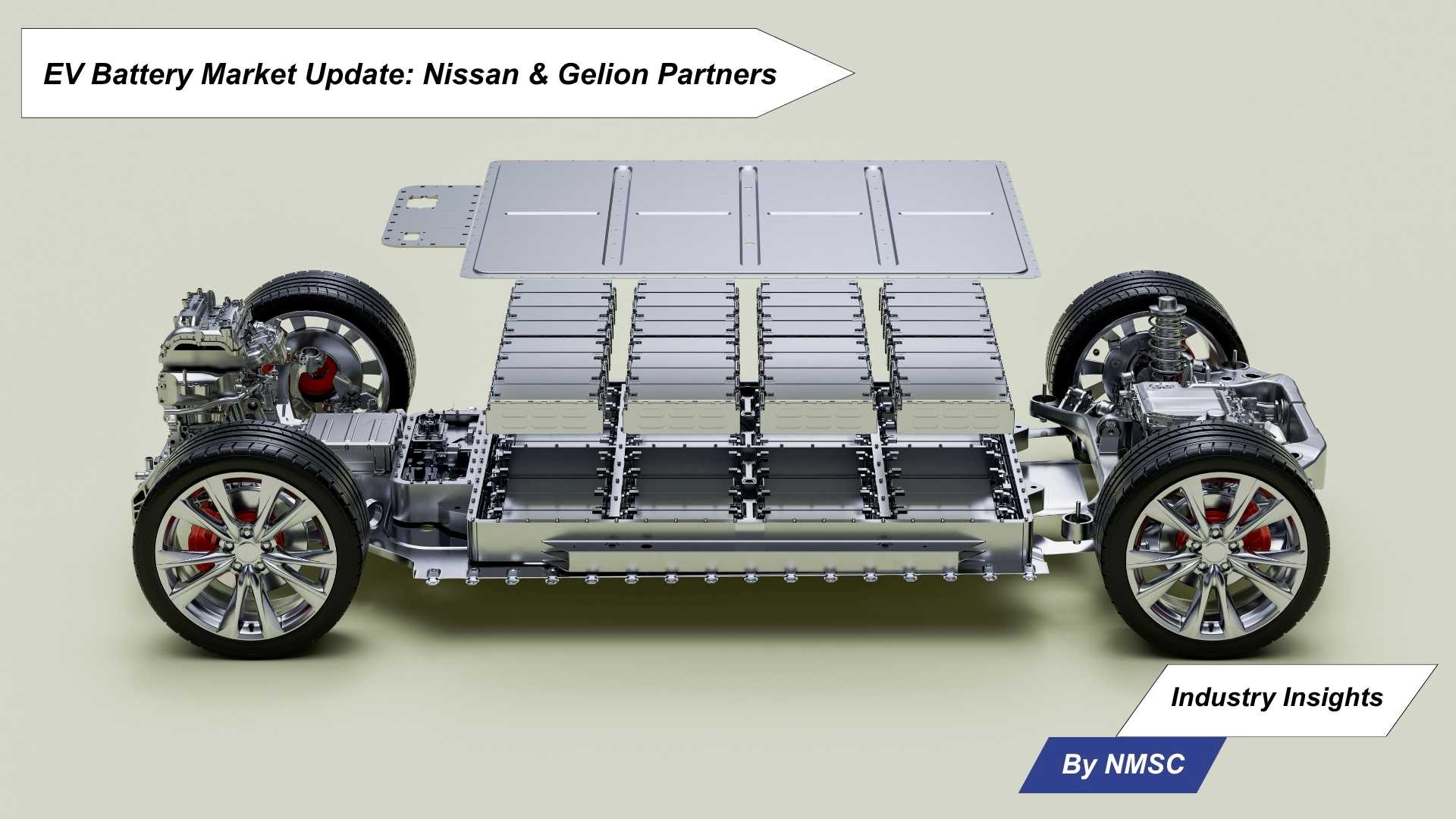
Nissan and Gelion Partnership Catalyzes EV Battery Market Shift; Next-Gen Tech to Redefine Manufacturing Supply Chains
LONDON, UK — June 4, 2026 — In a major development for the global electric vehicle infrastructure, automotive giant Nissan Technical Centre Europe has entered into a definitive three-year partnership with battery innovator Gelion and the University of Oxford. The collaborative initiative, named the CoRe-SoLiS (Cost-effective, Resilient Solid-state Li-S) project, focuses on developing high-energy, solid-state lithium-sulfur (Li-S) Electric Vehicle Batteries that could completely overhaul conventional automotive manufacturing.
Supported by a £2.4 million grant from Innovate UK out of a total £3.4 million project budget, the joint venture aims to commercialize an EV power pack that successfully eliminates highly volatile and expensive materials like nickel and cobalt.
Disrupting the Supply Chain with Sulfur
For years, the EV market has remained vulnerable to supply chain bottlenecks regarding rare-earth mineral extraction. Gelion plans to solve this by integrating its proprietary Nano-Encapsulated Sulfur (NES™) cathode material into Nissan’s upcoming solid-state cells. The design overcomes traditional lithium-sulfur pain points—such as rapid degradation caused by polysulfide formation—by chemically locking the sulfur at a nanoscale level.
This transition from traditional lithium-ion structures to solid-state sulfur holds significant competitive advantages for automakers looking to optimize costs:
-
Resource Abundance: Sulfur replaces costly metals, reducing dependency on highly constrained cobalt and nickel markets.
-
Manufacturing Compatibility: The NES technology is structurally designed to "drop into" existing global battery production lines without requiring extensive facility overhauls.
-
Elevated Safety: By shifting to a solid-state configuration, the system removes flammable liquid electrolytes (SSEs), significantly mitigating thermal runway risks.
Expert Market Outlook
The announcement underscores a broader structural shift as the global automotive market transitions toward solid-state alternatives to secure future regional manufacturing hubs.
"The strategic integration of sulfur-based solid-state chemistries represents a critical turning point for automotive energy storage," notes a lead analyst at Next Move Strategy Consulting. "According to NMSC analysts, the ability to bypass traditional mineral supply chains while matching manufacturing lines will likely accelerate commercial deployment timelines across the EV industry, making affordable long-range vehicles highly achievable before the decade's end."
This technical milestone aligns closely with Nissan's overarching £1 billion EV36 Zero hub expansion program in Sunderland, positioning the United Kingdom as a major domestic exporter of next-generation EV components.
Source: EV Infrastructure News
Prepared By: Prakhyat Chowdhury
About the Author
 Sanyukta Deb
— Sanyukta Deb is Digital Marketing Team Lead at Next Move Strategy Consulting, where she has led content strategy and technical SEO for the firm's B2B market research publications for over 2 years. Her editorial process translates NextMSC's primary and secondary research — spanning technology, industrial, and consumer sectors — into commercial narratives, backed by search-intent, keyword, and competitive analysis. She brings 5 years of overall experience in digital marketing and content strategy.
About the Reviewer
 Debashree Dey
— Debashree Dey is Assistant Manager at Next Move Strategy Consulting, where she supports cross-vertical market content and communications across diverse industries for 6 years. Her professional background includes senior content writing, communications, and published manuscript authorship, with experience developing audience-focused business narratives and maintaining clear, consistent messaging. Her role supports research-led content development and editorial quality across NextMSC publications.
















Add Comment