FDA Grants Lexeo Therapeutics RMAT Status for Gene Therapy LX2020
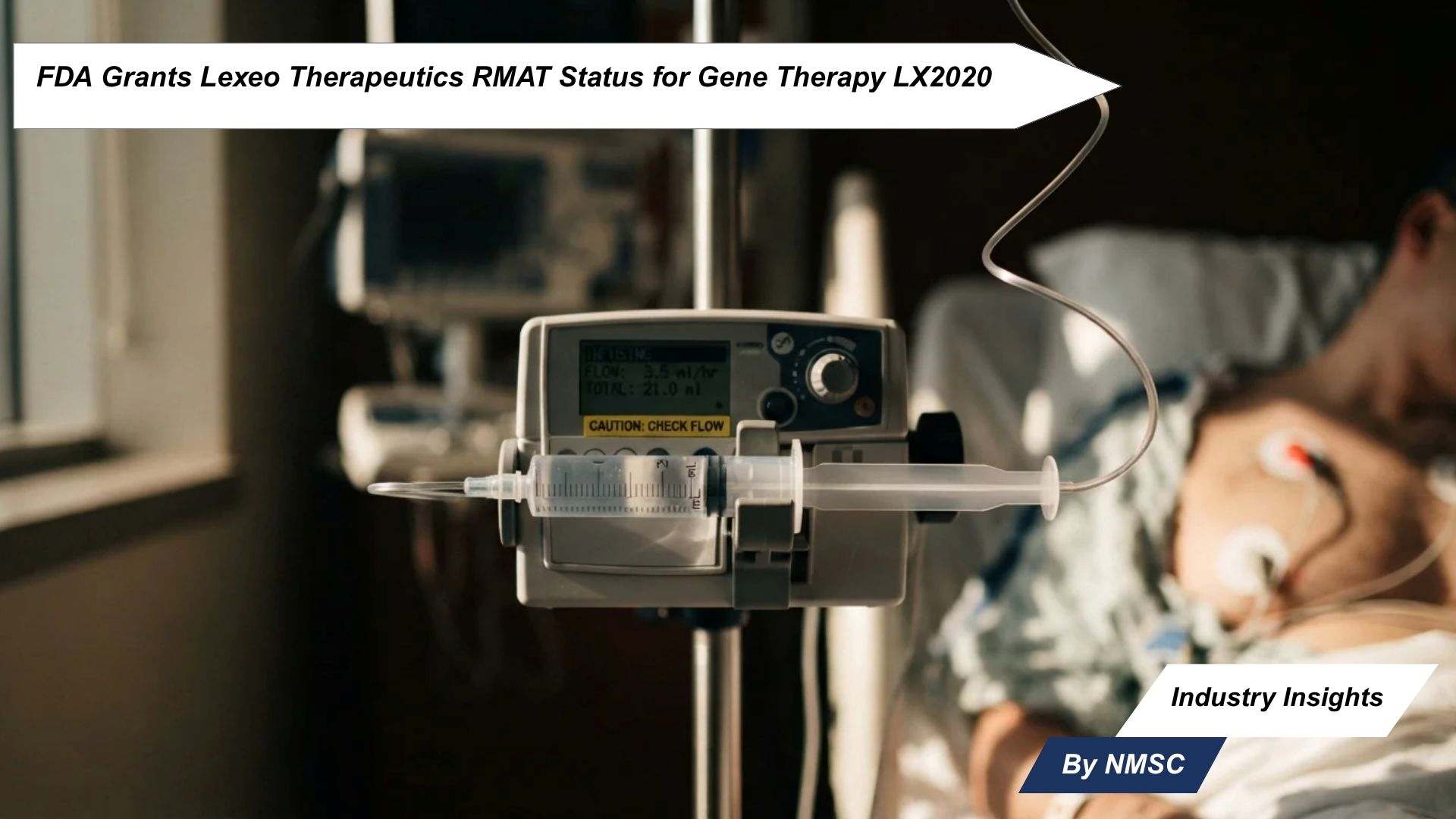
Lexeo Therapeutics Wins FDA RMAT Designation for AAV Gene Therapy LX2020 in PKP2-ACM
NEW YORK, United States — August 11, 2026 — Lexeo Therapeutics has secured Regenerative Medicine Advanced Therapy (RMAT) designation from the U.S. Food and Drug Administration (FDA) for LX2020, its investigational adeno-associated virus (AAV)-based gene therapy targeting PKP2 arrhythmogenic cardiomyopathy (PKP2-ACM). The milestone reinforces the expanding regulatory momentum within the global Biologics Market, which was valued at USD 322.80 billion in 2021 and is projected to reach USD 689.59 billion by 2030, growing at a CAGR of 8.8%, according to Next Move Strategy Consulting.
The RMAT designation follows interim clinical data from Lexeo's ongoing HEROIC-PKP2 Phase I/II trial, which the FDA determined demonstrated sufficient early evidence of potential to address a serious unmet medical need. With this latest regulatory milestone, LX2020 now holds three concurrent FDA designations — RMAT, Orphan Drug, and Fast Track — significantly strengthening its development and review pathway.
PKP2-ACM is a serious, progressive cardiovascular disease caused by mutations in the PKP2 gene, which encodes a key protein in cardiac cell junctions. No approved disease-modifying treatments currently exist for the condition, making LX2020's one-time gene therapy approach a potentially transformative intervention for an underserved patient population.
Narinder Bhalla, M.D., Chief Medical Officer of Lexeo Therapeutics, stated: "Receiving RMAT designation for LX2020 is an important regulatory milestone that underscores the strength of the emerging clinical evidence from our HEROIC-PKP2 trial and the potential of LX2020 to address the underlying genetic cause of PKP2-ACM." Dr. Bhalla added that the designation provides a valuable opportunity for early and ongoing engagement with the FDA as the company advances LX2020 toward potential approval, with additional clinical and regulatory updates expected before year-end.
Key Highlights:
-
Triple FDA Designation: LX2020 now holds RMAT, Orphan Drug, and Fast Track designations simultaneously, positioning it for an expedited regulatory review pathway including potential eligibility for accelerated approval, priority review, and rolling review.
-
Clinical Evidence Base: The RMAT designation was supported by interim data from the HEROIC-PKP2 Phase I/II trial, reflecting the FDA's recognition of early clinical signals in a disease with no currently approved disease-modifying therapies.
-
Unmet Medical Need: PKP2-ACM is a rare, inherited cardiovascular condition with no approved curative or disease-modifying treatments, representing a significant gap in the current standard of care.
-
Enhanced FDA Engagement: RMAT status grants Lexeo Therapeutics access to intensive FDA guidance on clinical development, manufacturing processes, and regulatory strategy — accelerating the path from clinical-stage development to potential market authorization.
Analyst Insight:
According to analysts at Next Move Strategy Consulting, the FDA's RMAT designation for LX2020 reflects a broader regulatory trend of prioritizing advanced gene and cell therapies that address rare cardiovascular conditions with high unmet need. NMSC analysts note that the convergence of RMAT, Orphan Drug, and Fast Track designations for a single AAV-based biologic candidate is a strong indicator of accelerating pipeline maturation within the gene therapy segment — a key growth driver for the global biologics market through 2030. As regulatory agencies continue to streamline pathways for regenerative medicines, investment and development activity in AAV-based biologics is expected to intensify, particularly in rare cardiovascular and genetic disease indications.
Industry Outlook:
Lexeo Therapeutics' RMAT designation for LX2020 signals a continued shift in the biologics landscape toward precision, gene-level interventions for conditions previously considered untreatable. The accumulation of multiple FDA designations for a single asset in early-stage clinical development reflects the agency's growing confidence in AAV-based gene therapy platforms and their potential to deliver durable, one-time therapeutic outcomes. For the broader biologics industry, this development underscores the strategic importance of rare disease pipelines and regenerative medicine programs as long-term growth pillars. As the global biologics market advances toward its projected USD 689.59 billion valuation by 2030, gene therapies targeting inherited cardiovascular and genetic disorders are expected to represent an increasingly significant share of the overall market opportunity.
Source: PharmaTimes
For More Information: Download FREE Sample on Biologics Market Report
Prepared By: Sanyukta Deb
About the Author
 Sanyukta Deb
— Sanyukta Deb is Digital Marketing Team Lead at Next Move Strategy Consulting, where she has led content strategy and technical SEO for the firm's B2B market research publications for over 2 years. Her editorial process translates NextMSC's primary and secondary research — spanning technology, industrial, and consumer sectors — into commercial narratives, backed by search-intent, keyword, and competitive analysis. She brings 5 years of overall experience in digital marketing and content strategy.
Sanyukta Deb
— Sanyukta Deb is Digital Marketing Team Lead at Next Move Strategy Consulting, where she has led content strategy and technical SEO for the firm's B2B market research publications for over 2 years. Her editorial process translates NextMSC's primary and secondary research — spanning technology, industrial, and consumer sectors — into commercial narratives, backed by search-intent, keyword, and competitive analysis. She brings 5 years of overall experience in digital marketing and content strategy.
About the Reviewer
 Debashree Dey
— Debashree Dey is Assistant Manager at Next Move Strategy Consulting, where she supports cross-vertical market content and communications across diverse industries for 6 years. Her professional background includes senior content writing, communications, and published manuscript authorship, with experience developing audience-focused business narratives and maintaining clear, consistent messaging. Her role supports research-led content development and editorial quality across NextMSC publications.
Debashree Dey
— Debashree Dey is Assistant Manager at Next Move Strategy Consulting, where she supports cross-vertical market content and communications across diverse industries for 6 years. Her professional background includes senior content writing, communications, and published manuscript authorship, with experience developing audience-focused business narratives and maintaining clear, consistent messaging. Her role supports research-led content development and editorial quality across NextMSC publications.
















Add Comment