Google's CCS Deal Signals a New Turning Point for Carbon Capture Market
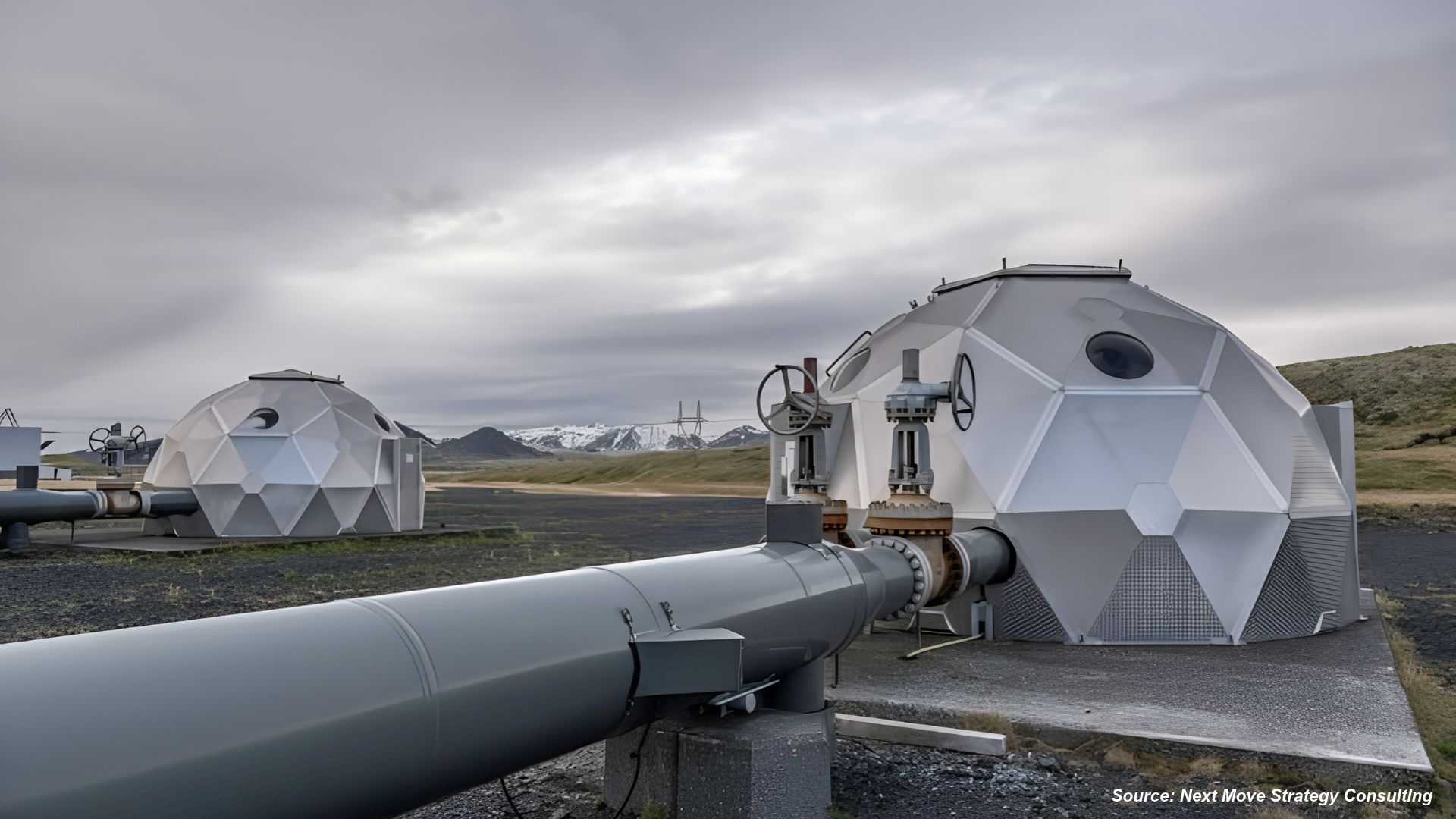
Google's 400 MW CCS Power Deal and the EU's First Carbon Removal Standard Signal a Structural Shift in the Global Carbon Capture Market
BOSTON, MA — In December 2025, Google signed a long-term power purchase agreement with developer Low Carbon Infrastructure (LCI) to source electricity from a planned 400 MW natural gas plant equipped with carbon capture and storage (CCS) in Illinois — the Broadwing project — marking the first commercial-scale CCS power deal between a hyperscaler and a dedicated CCS infrastructure developer in the United States. That transaction, followed weeks later by NextEra's announcement of a partnership with ExxonMobil to develop gas-fired plants with carbon capture for data center power supply, has placed the carbon capture and storage sector at the intersection of two of the most capital-intensive trends in the global economy: the AI-driven surge in electricity demand and the industrial imperative to decarbonize hard-to-abate sectors.
According to Next Move Strategy Consulting's Carbon Storage and Capture Market report, the global carbon storage and capture market is projected to reach USD 13.76 billion by 2030, growing at a CAGR of 22.1% from 2024 to 2030. This trajectory reflects the convergence of tightening regulatory mandates across the EU and UK, the preservation and enhancement of the U.S. Section 45Q tax credit structure, and the emergence of commercially bankable CCS infrastructure — from Norway's Northern Lights cross-border storage facility to the Port of Rotterdam's Porthos project — that is beginning to de-risk the capital stack for industrial emitters across Europe.
For More Information: Download FREE Sample on Carbon Storage and Capture Market Report
The Regulatory Architecture Hardening Around CCS
On February 3, 2026, the European Commission adopted the first set of certification methodologies under the Carbon Removals and Carbon Farming (CRCF) Regulation (Regulation 2024/3012), establishing the world's first voluntary standard for permanent carbon removals. The framework covers three technology pathways: Direct Air Capture with Carbon Storage (DACCS), Biogenic Emissions Capture with Carbon Storage (BioCCS), and Biochar Carbon Removal (BCR).
"The European Union is taking decisive action to lead the global effort in carbon removals. By establishing clear, robust voluntary standards, we are not only fostering responsible climate action within Europe but also setting a global benchmark for others to follow," said Wopke Hoekstra, European Commissioner for Climate, Net-Zero and Clean Growth, in the Commission's official announcement on February 3, 2026.
The CRCF framework is not a standalone measure. It operates alongside the EU Emissions Trading System (EU ETS), under which industrial emitters in cement, steel, and chemicals currently pay between €70 and €100 per metric ton for carbon allowances, and the 2024 Net Zero Industry Act (NZIA), which legally requires EU oil and gas producers to collectively develop 50 million metric tons of annual CO₂ storage capacity by 2030. The EU Innovation Fund, financed by ETS revenues, is expected to accumulate €40 billion by 2030 and can cover up to 60% of the capital and operational costs of qualifying CCS projects.
In the United Kingdom, the Carbon Capture Utilisation and Storage and Offshore Hydrogen Production (Miscellaneous Amendments) Regulations 2026 (SI 2026/185) extended the full suite of offshore safety case requirements to CCUS installations, formally integrating offshore carbon storage into the UK's existing petroleum safety regulatory framework and providing the legal certainty that project developers and insurers require before committing capital to North Sea storage sites.
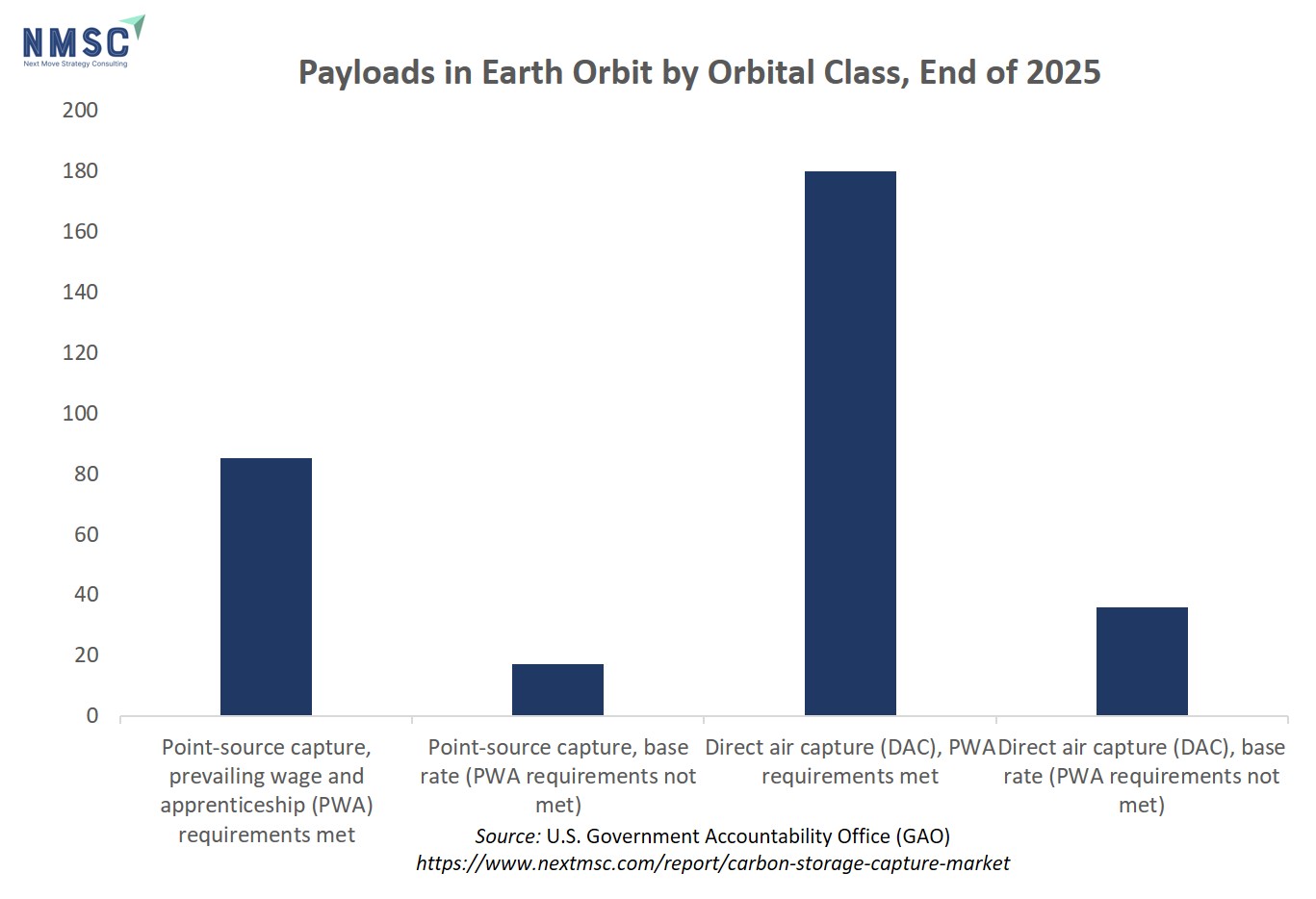
In the United States, the policy picture is more nuanced. The Trump administration cancelled grants worth approximately USD 1 billion allocated to as many as 95 carbon capture projects under the prior administration, according to a Clean Air Task Force (CATF) report published in November 2025. However, the "One Big Beautiful Bill" preserved the Section 45Q tax credit at USD 85 per metric ton for point-source capture projects that begin construction before 2033, and increased the credit for projects that convert captured carbon into useful products — such as urea and synthetic fuels — from USD 130 per metric ton to USD 180 per metric ton.
Infrastructure Milestones Redefining the Commercial Viability Threshold
The most consequential infrastructure development in the global CCS sector in 2025–2026 is the operationalization of Northern Lights — the world's first cross-border CO₂ transport and storage facility, developed by Equinor, Shell, and TotalEnergies with Norwegian government funding — which began receiving captured CO₂ from Heidelberg Materials' Brevik cement plant in Norway in the summer of 2025. Northern Lights is now expanding its storage capacity from 1.5 million metric tons per annum (Mt/a) to 5 Mt/a by 2028, and is scheduled to begin receiving shipments from Yara's Sluiskil ammonia plant in the Netherlands and Ørsted's Asnaes and Avedore biomass plants in Denmark later in 2026.
"Northern Lights is a catalyst for wider CCS deployment in Europe," said Jamie Burrows, Global Segment Lead for CCS at DNV, speaking to Reuters Events in March 2026. "Over time it is anticipated that the cost of emitting CO₂ will rise and the costs of CCS will reduce such that the business case for CCS deployment strengthens."
Simultaneously, the Port of Rotterdam CCS project (Porthos) — which will capture CO₂ from Air Liquide, Air Products, ExxonMobil, and Shell facilities and transport it via pipeline to depleted gas fields in the North Sea — began construction in 2024 and is slated to commence operations in 2026.
Heidelberg Materials, which operates the Brevik facility as the world's first industrial-scale carbon capture plant at a cement facility, has a pipeline of eight additional CCS projects — six in the EU that have secured Innovation Fund grants, and one each in the UK and Canada. The company's spokesperson told Reuters Events in March 2026 that early-stage projects require "a supportive political framework" that must include "the development of infrastructure for CO₂ transport and storage, where existing challenges must be addressed in close collaboration with all stakeholders."
The Data Center Demand Signal: Big Tech as a CCS Offtake Anchor
The Broadwing project's commercial structure — in which Google's power purchase agreement provided the revenue certainty that made the project financeable — has emerged as a replicable model for CCS deployment in the U.S. power sector. At the 2026 Global CCS Institute Americas Forum, panelists from SLB, Amazon Web Services, ADM, and LCI identified the Broadwing project as a successful case study in which existing carbon management infrastructure and co-generation capabilities were leveraged to satisfy both power and decarbonization requirements simultaneously.
"Our long-term goal is to accelerate the path for CCS technology to become more accessible and affordable globally, helping to increase generating capacity while enabling emission reductions," said Michael Terrell, Head of Advanced Energy at Google, speaking to Reuters Events in December 2025.
The forum's data center panel noted that electricity demand from data centers is expected to rise 35–40% by 2040, creating a structural pull for low-carbon baseload power that intermittent renewables alone cannot satisfy at the required reliability levels. However, the cost of adding CCS to U.S. natural gas plants — estimated at USD 20 to USD 30 per megawatt hour, potentially doubling the cost of power production — remains a significant barrier to broader hyperscaler adoption.
"Most Big Tech companies have put CCS on the back seat for now due to its high costs and longer timelines compared with other power technologies," said Peter Findlay, Director of CCUS Economics at Wood Mackenzie, speaking to Reuters Events in March 2026.
The economics are materially different for ethanol-based CCS, where the waste stream is over 90% CO₂ — compared with under 10% for natural gas power plants — reducing capture costs to USD 15–35 per metric ton and making the 45Q credit alone sufficient to achieve project viability. Frontier Infrastructure, owned by Tailwater Capital, is operationalizing this model through the Sweetwater Carbon Storage Hub in Wyoming, which holds 500 million tons of storage capacity and is developing a co-located rail terminal to receive captured CO₂ from Midwest ethanol producers.
"Utilizing the expansive rail network mitigates community impact and creates an economic solution for ethanol producers to pursue CCS," said Robby Rockey, President and Co-CEO at Frontier Holdings, speaking to Reuters Events in March 2026.
Global Capacity Outlook: IEA Data and the 2030 Gap
As of the first quarter of 2025, just over 50 million metric tons (Mt) of CO₂ capture and storage capacity was operational globally, according to the International Energy Agency (IEA). If all announced projects progress as planned, global capture capacity could reach approximately 430 Mt CO₂ per year by 2030 — a figure that still falls materially short of the volumes required under net-zero scenarios.
Australia, which presented at the 2026 Global CCS Institute Americas Forum, has two operational commercial-scale storage projects, 17 offshore CCS permits, and has successfully stored over 13 million tons of CO₂ to date. China, the world's largest cement and steel producer, already operates the largest coal power CCS project globally, capturing 1.5 million tons of CO₂ annually, and is targeting early commercialization of large-scale CCS across coal power, cement, steel, and petrochemical sectors by 2030.
Enhanced Oil Recovery (EOR) operations have already stored a cumulative 300 million tons of CO₂ globally, enabling the production of 3 billion barrels of low-carbon oil and demonstrating the geological and operational viability of large-scale CO₂ injection at scale.
NMSC Strategic Perspective: What the 2026 Inflection Means for Market Participants
The carbon storage and capture market is undergoing a structural transition that NextMSC's proprietary research and analysis identifies as the shift from policy-dependent demonstration to commercially anchored deployment. Three dynamics are converging to sustain the 22.1% CAGR through 2030:
1. The Offtake Architecture Is Maturing. The Broadwing project's commercial structure — where a hyperscaler's long-term power purchase agreement provided the revenue certainty required to finance a first-of-kind CCS gas plant — establishes a replicable template. As data center electricity demand rises 35–40% by 2040, the addressable market for CCS-enabled baseload power expands beyond traditional industrial emitters into a new class of creditworthy, long-duration offtakers. This is not a generic "demand growth" story; it is a specific structural shift in who pays for decarbonized power and on what contractual terms.
2. The EU's Regulatory Stack Is Now Commercially Actionable. The February 2026 CRCF certification framework, combined with the EU ETS carbon price floor of €70–€100/mt and the NZIA's 50 Mt/a storage mandate, creates a three-layer compliance and revenue structure for European CCS projects that did not exist 18 months ago. Projects that previously required 100% public subsidy can now model blended revenue streams from ETS compliance savings, Innovation Fund grants, and CRCF-certified carbon removal credits. This reduces the effective cost of capital for European CCS infrastructure and accelerates the transition Toby Lockwood of CATF described as moving "away from its subsidy model to one where we do see more demand for the actual thing they're producing."
3. The Industrial Point Source Segment Remains the Near-Term Revenue Engine. While Direct Air Capture commands the highest policy credit rates (USD 180/mt under 45Q; CRCF certification in the EU), the cost of DAC remains orders of magnitude higher than point-source capture. The ethanol sector in the U.S. Midwest, where capture costs of USD 15–35/mt make the 45Q credit alone sufficient for project viability, represents the most immediately scalable segment in the North American market.
4. The 2030 Capacity Gap Is a Market Opportunity, Not a Ceiling. The IEA's finding that even full execution of all announced projects would yield only ~430 Mt/a of capture capacity by 2030 — against the multi-gigaton annual removal volumes required in net-zero scenarios — means the market is structurally undersupplied relative to long-term demand. For investors and project developers, this gap represents a durable commercial opportunity, provided the transport and storage infrastructure bottlenecks identified at the 2026 Americas Forum — particularly CO₂ pipeline access in the U.S. Midwest and Southern/Eastern Europe — are addressed through coordinated public-private investment.
Key Competitive Landscape Developments
The competitive landscape in the carbon storage and capture market is defined by vertically integrated energy majors, specialist engineering firms, and emerging infrastructure operators. ExxonMobil announced in August 2026 the expansion of its CCS operations in Louisiana with an additional project, building on its existing position as one of the largest CCS operators in the United States. CF Industries, in partnership with ExxonMobil, produces low-carbon ammonia that reduces emissions by 2 million tons annually, demonstrating the commercial viability of the carbon-to-products utilization pathway that the enhanced 45Q credit is designed to incentivize.
EQT, America's largest vertically integrated natural gas producer, is leveraging its Appalachian infrastructure to build CCUS projects as a core component of its net-zero strategy. "Demand for natural gas is booming in Appalachia, driven by the AI and data center industries," said Sarah Fenton, EVP of Upstream at EQT, at the 2026 Global CCS Institute Americas Forum. "CCS projects will be critical for decarbonization efforts but these continue to face key challenges in infrastructure development, community acceptance and regulatory alignment."
The Global CCS Institute's State of the Art CCS Technologies 2026 report, published in July 2026, underscores that scaled deployment of advanced CCS technologies is urgently needed to meet emissions targets across hard-to-abate industries.
Bottom Line
The global carbon storage and capture market is transitioning from a sector defined by demonstration projects and public subsidy dependency into one anchored by commercially structured offtake agreements, legally binding storage mandates, and certified carbon removal frameworks. According to NextMSC's proprietary research and analysis, the market is projected to grow from USD 4.03 billion in 2023 to USD 13.76 billion by 2030 at a 22.1% CAGR — a trajectory supported by three simultaneous structural shifts: the EU's CRCF certification framework and NZIA storage mandate creating a multi-layer revenue model for European CCS projects; the U.S. 45Q credit structure making ethanol-based and carbon-to-products CCS commercially self-sustaining; and hyperscaler demand for low-carbon baseload power generating a new class of long-duration CCS offtakers. The near-term growth engine remains industrial point source capture — particularly in cement, steel, and ethanol — where CO₂ stream concentrations make capture economically viable at current policy support levels. The critical constraint on achieving the sector's full potential by 2030 is CO₂ transport and storage infrastructure, particularly pipeline access in the U.S. Midwest and Southern and Eastern Europe, where the absence of shared infrastructure continues to prevent otherwise viable projects from reaching financial close.
About Next Move Strategy Consulting
Next Move Strategy Consulting is a premier market research and management consulting firm that has been committed to provide strategically analysed well documented latest research reports to its clients. The research industry is flooded with many firms to choose from, what makes NMSC different from the rest is its top-quality research and the obsession of turning data into knowledge by dissecting every bit of it and providing fact-based research recommendation that is supported by information collected from over 500 million websites, paid databases, industry journals and one on one consultations with industry experts across a diverse range of industry sectors. The high-quality customized research reports with actionable insights and excellent end-to-end customer service help our clients to take critical business decisions that enables them to move beyond time and have competitive edge in the industry.
We have been servicing over 1000 customers globally that includes 90% of the Fortune 500 companies over a decade. Our analysts are constantly tracking various high growth markets and identifying hidden opportunities in each sector or the industry. We provide one of the industry's best quality syndicate as well as custom research reports across 10 different industry verticals. We are committed to deliver high quality research solutions in accordance to your business needs. Our industry standard delivery solutions that ranges from the pre consultation to after-sales services, provide an excellent client experience and ensure right strategic decision making for businesses.
For more information, please contact:
Next Move Strategy Consulting
5th Floor 867 Boylston St, STE 500,
Boston, MA 02116, U.S.
E-Mail: [email protected]
Direct: +1-217-650-7991
Website: www.nextmsc.com
About the Author
 Sanyukta Deb
— Sanyukta Deb is Digital Marketing Team Lead at Next Move Strategy Consulting, where she has led content strategy and technical SEO for the firm's B2B market research publications for over 2 years. Her editorial process translates NextMSC's primary and secondary research — spanning technology, industrial, and consumer sectors — into commercial narratives, backed by search-intent, keyword, and competitive analysis. She brings 5 years of overall experience in digital marketing and content strategy.
Sanyukta Deb
— Sanyukta Deb is Digital Marketing Team Lead at Next Move Strategy Consulting, where she has led content strategy and technical SEO for the firm's B2B market research publications for over 2 years. Her editorial process translates NextMSC's primary and secondary research — spanning technology, industrial, and consumer sectors — into commercial narratives, backed by search-intent, keyword, and competitive analysis. She brings 5 years of overall experience in digital marketing and content strategy.
About the Reviewer
 Debashree Dey
— Debashree Dey is Assistant Manager at Next Move Strategy Consulting, where she supports cross-vertical market content and communications across diverse industries for 6 years. Her professional background includes senior content writing, communications, and published manuscript authorship, with experience developing audience-focused business narratives and maintaining clear, consistent messaging. Her role supports research-led content development and editorial quality across NextMSC publications.
Debashree Dey
— Debashree Dey is Assistant Manager at Next Move Strategy Consulting, where she supports cross-vertical market content and communications across diverse industries for 6 years. Her professional background includes senior content writing, communications, and published manuscript authorship, with experience developing audience-focused business narratives and maintaining clear, consistent messaging. Her role supports research-led content development and editorial quality across NextMSC publications.
















Add Comment