J&K SOC Launch Boosts Cyber Security Industry Update
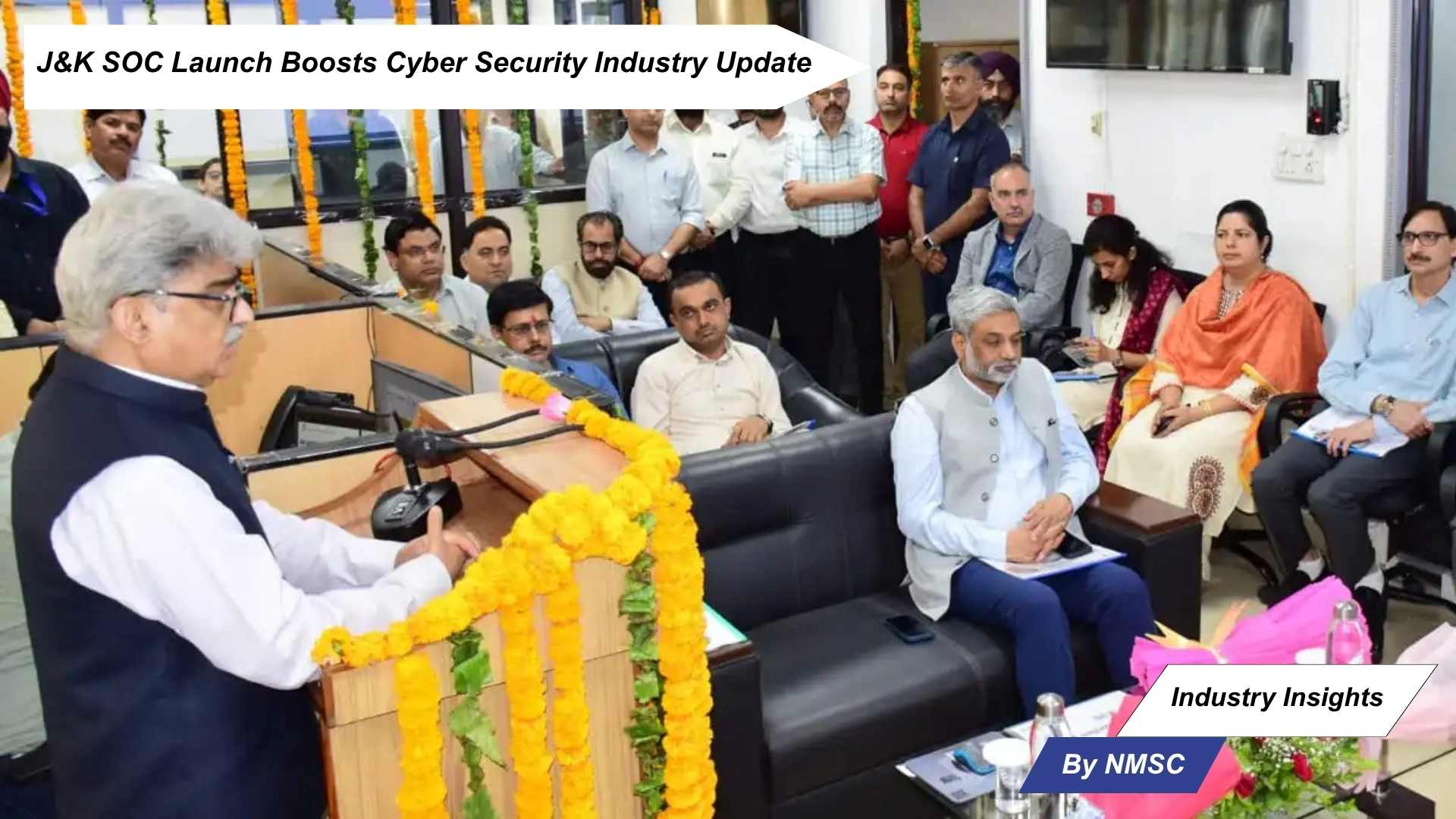
J&K Launches SOC to Strengthen Cybersecurity Framework
SRINAGAR, India — May 2, 2026 — In a significant move to bolster digital resilience, the government of Jammu and Kashmir has inaugurated a state-level Security Operations Center (SOC), marking a pivotal step toward strengthening its cybersecurity infrastructure amid rising digital threats.
The newly launched SOC is designed to provide centralized, real-time monitoring of cyber threats across government departments. The initiative reflects a broader national push to enhance cyber preparedness as public services increasingly shift to digital platforms.
Strengthening Digital Defense Infrastructure
Officials highlighted that the SOC will act as the nerve center for identifying, analyzing, and mitigating cyber risks. With government systems becoming more interconnected, the need for proactive surveillance and rapid response mechanisms has intensified.
The facility is expected to:
-
Monitor cyber threats across multiple departments
-
Enable faster incident response and mitigation
-
Strengthen data protection and governance frameworks
-
Support compliance with national cybersecurity standards
A senior government official noted that the SOC would ensure a “robust and resilient digital ecosystem” capable of addressing evolving cyber risks.
A Strategic Shift Toward Proactive Cybersecurity
The inauguration aligns with India’s broader cybersecurity agenda, where states are increasingly investing in dedicated infrastructure to safeguard digital assets. The move comes at a time when ransomware attacks, phishing attempts, and data breaches are on the rise globally.
According to NMSC analysts, such developments signal a structural shift in the cyber security market. “The establishment of region-specific SOCs demonstrates a transition from reactive security models to proactive, intelligence-driven frameworks,” notes an analyst at Next Move Strategy Consulting. “This trend is expected to accelerate demand for advanced threat detection, AI-driven analytics, and managed security services.”
Industry Implications and Market Momentum
The deployment of SOC infrastructure at the state level is anticipated to create ripple effects across the cybersecurity ecosystem. Technology providers, cloud security firms, and managed service vendors are likely to benefit from increased public sector investments.
Experts believe that as more regions adopt centralized monitoring systems, the cyber security market will witness:
-
Increased adoption of AI-powered threat intelligence
-
Expansion of public-private cybersecurity partnerships
-
Greater emphasis on data sovereignty and compliance
-
Rising demand for skilled cybersecurity professionals
Building a Resilient Digital Future
The SOC initiative underscores Jammu and Kashmir’s commitment to securing its digital transformation journey. As cyber threats grow in sophistication, such infrastructure investments are becoming essential to ensure trust, continuity, and resilience in governance systems.
According to Next Move Strategy Consulting, the continued rollout of SOCs across regions will play a crucial role in shaping the future of the global Cyber Security landscape, reinforcing the importance of integrated and adaptive security frameworks.
Source: Rising Kashmir
Prepared By: Prakhyat Chowdhury
About the Author
 Sanyukta Deb
— Sanyukta Deb is Digital Marketing Team Lead at Next Move Strategy Consulting, where she has led content strategy and technical SEO for the firm's B2B market research publications for over 2 years. Her editorial process translates NextMSC's primary and secondary research — spanning technology, industrial, and consumer sectors — into commercial narratives, backed by search-intent, keyword, and competitive analysis. She brings 5 years of overall experience in digital marketing and content strategy.
Sanyukta Deb
— Sanyukta Deb is Digital Marketing Team Lead at Next Move Strategy Consulting, where she has led content strategy and technical SEO for the firm's B2B market research publications for over 2 years. Her editorial process translates NextMSC's primary and secondary research — spanning technology, industrial, and consumer sectors — into commercial narratives, backed by search-intent, keyword, and competitive analysis. She brings 5 years of overall experience in digital marketing and content strategy.
About the Reviewer
 Debashree Dey
— Debashree Dey is Assistant Manager at Next Move Strategy Consulting, where she supports cross-vertical market content and communications across diverse industries for 6 years. Her professional background includes senior content writing, communications, and published manuscript authorship, with experience developing audience-focused business narratives and maintaining clear, consistent messaging. Her role supports research-led content development and editorial quality across NextMSC publications.
Debashree Dey
— Debashree Dey is Assistant Manager at Next Move Strategy Consulting, where she supports cross-vertical market content and communications across diverse industries for 6 years. Her professional background includes senior content writing, communications, and published manuscript authorship, with experience developing audience-focused business narratives and maintaining clear, consistent messaging. Her role supports research-led content development and editorial quality across NextMSC publications.


















Add Comment