Kyrgyzstan Plastic Ban Sparks Packaging Shift Globally
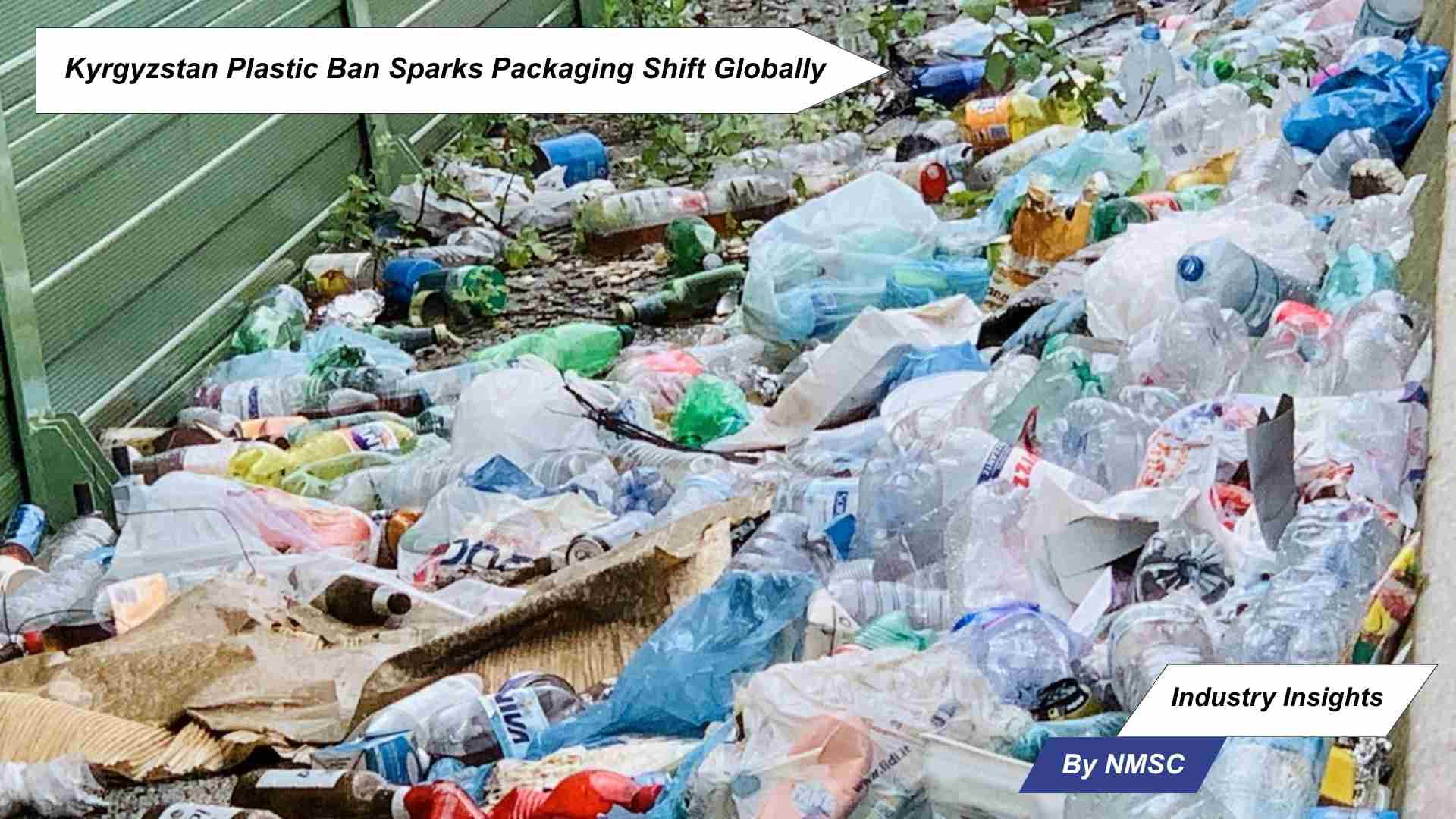
Kyrgyzstan Plastic Ban Initiative Reshapes Packaging Industry Outlook Ahead of 2027 Rollout
BISHKEK, Kyrgyzstan — May 19, 2026 — Kyrgyzstan has launched a nationwide initiative aimed at reducing single-use plastic packaging ahead of a planned countrywide ban set to take effect in 2027, signaling a major regulatory shift for the regional plastics and packaging industry.
The move follows increasing environmental concerns surrounding plastic waste management and aligns Kyrgyzstan with a broader global push toward sustainable packaging alternative. Government authorities and industry stakeholders are now accelerating efforts to transition businesses toward recyclable, biodegradable, and reusable packaging systems.
The initiative is expected to impact manufacturers, retailers, food processors, and logistics providers that rely heavily on disposable plastic materials. Analysts believe the policy could reshape packaging supply chains across Central Asia over the next several years.
“Regulatory momentum around single-use plastics is no longer isolated to major Western economies,” says an analyst at Next Move Strategy Consulting (NMSC). “Emerging markets are now becoming critical drivers of sustainable packaging innovation and investment.”
A Strategic Push Toward Circular Packaging
The Kyrgyz government’s campaign includes public awareness programs, waste reduction measures, and the gradual introduction of eco-friendly packaging substitutes ahead of the 2027 enforcement deadline.
Key focus areas include:
-
Reduction of disposable plastic packaging across retail and food sectors
-
Promotion of biodegradable and reusable alternatives
-
Expansion of recycling and waste management infrastructure
-
Public-private collaboration to accelerate sustainable packaging adoption
Industry observers note that the transition may create new opportunities for producers of paper-based, compostable, and fiber-based packaging materials as businesses prepare for compliance.
Packaging Sector Faces Operational Shift
The announcement arrives as packaging manufacturers globally face mounting pressure from tightening environmental regulations and consumer demand for sustainable products. Companies operating in the plastics market are increasingly investing in recyclable polymers, bio-based materials, and low-waste production technologies.
According to NMSC analysts, regulatory developments such as Kyrgyzstan’s initiative are expected to contribute to long-term transformation in the global sustainable packaging landscape, particularly in developing economies where plastic consumption continues to rise.
“The market is entering a phase where environmental compliance is becoming a competitive differentiator,” notes a sustainability strategist at Next Move Strategy Consulting. “Businesses that adapt early to circular packaging models are likely to gain stronger long-term positioning.”
Regional Implications for the Plastics Market
Kyrgyzstan’s decision may also influence neighboring countries evaluating similar restrictions on Plastic packaging and waste-intensive materials. Environmental advocacy groups across Central Asia have increasingly called for stricter controls on disposable plastics amid rising landfill pressures and pollution concerns.
As governments intensify sustainability mandates worldwide, the Kyrgyz initiative represents another indication that regulatory action is becoming a central force shaping the future of the plastics and packaging industries.
Source: Packaging Insights
Prepared By: Prakhyat Chowdhury
About the Author
 Prakhyat Chowdhury
— Prakhyat Chowdhury is a results-driven Market Analyst and data strategist specializing in business intelligence, trend forecasting, and performance-focused market growth. His competitive intelligence frameworks, and data-driven insights enhances strategic planning, operational efficiency, and organizational authority. Known for strong communication, analytical thinking, and multilingual proficiency, he delivers rigorous, objective-led solutions that support scalable business outcomes across industries with professionalism. He consistently aligns quantitative and qualitative analysis with global business goals.
Prakhyat Chowdhury
— Prakhyat Chowdhury is a results-driven Market Analyst and data strategist specializing in business intelligence, trend forecasting, and performance-focused market growth. His competitive intelligence frameworks, and data-driven insights enhances strategic planning, operational efficiency, and organizational authority. Known for strong communication, analytical thinking, and multilingual proficiency, he delivers rigorous, objective-led solutions that support scalable business outcomes across industries with professionalism. He consistently aligns quantitative and qualitative analysis with global business goals.
About the Reviewer
 Debashree Dey
— Debashree Dey is Assistant Manager at Next Move Strategy Consulting, where she supports cross-vertical market content and communications across diverse industries for 6 years. Her professional background includes senior content writing, communications, and published manuscript authorship, with experience developing audience-focused business narratives and maintaining clear, consistent messaging. Her role supports research-led content development and editorial quality across NextMSC publications.
Debashree Dey
— Debashree Dey is Assistant Manager at Next Move Strategy Consulting, where she supports cross-vertical market content and communications across diverse industries for 6 years. Her professional background includes senior content writing, communications, and published manuscript authorship, with experience developing audience-focused business narratives and maintaining clear, consistent messaging. Her role supports research-led content development and editorial quality across NextMSC publications.

















Add Comment