Matter-OpenADR Drives the Smart Energy Market Growth
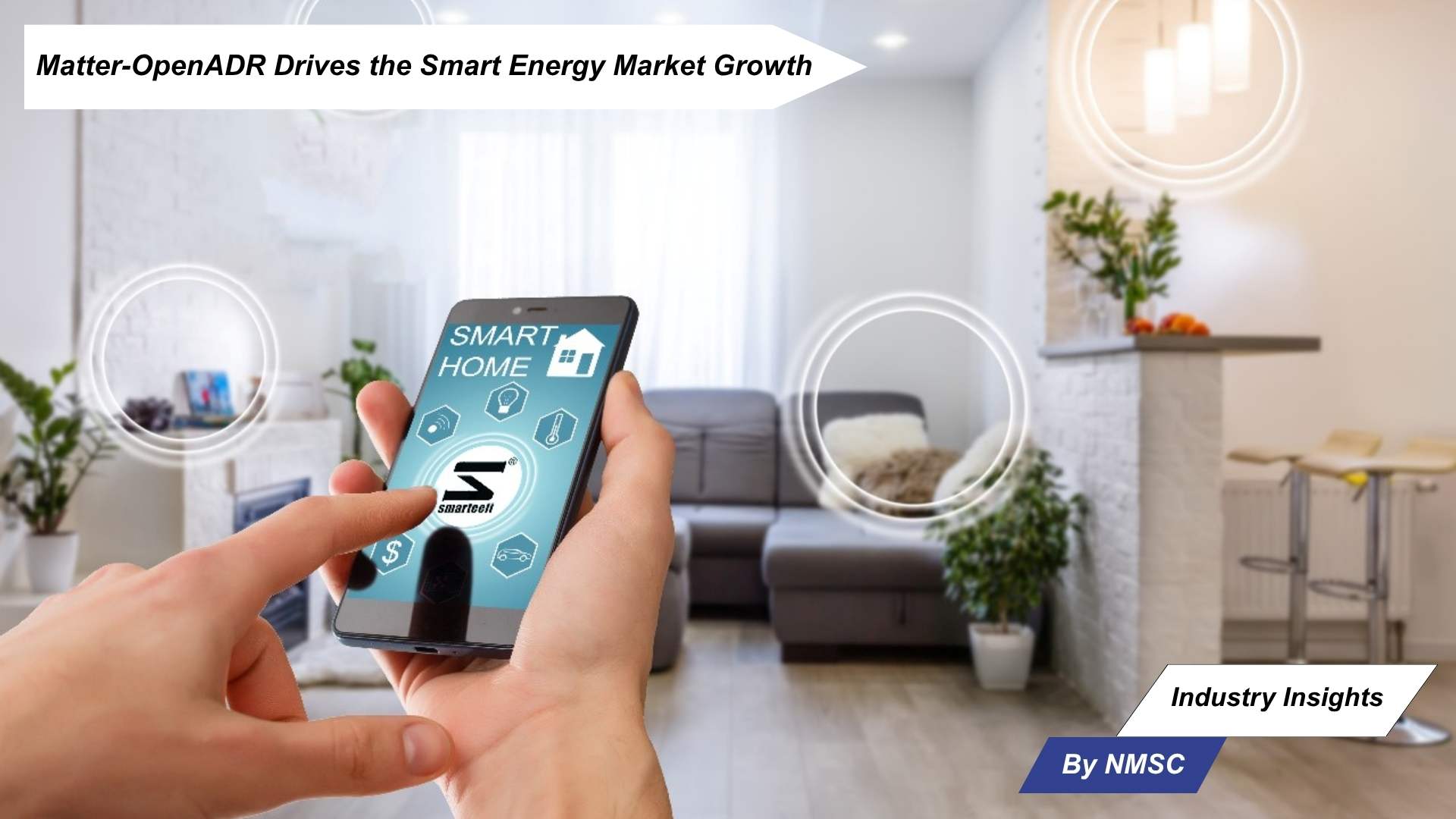
Matter-OpenADR Alliance Accelerates Smart Home Grid Integration Shift
SAN FRANCISCO, USA — May 12, 2026 — A new collaboration between Connectivity Standards Alliance and OpenADR Alliance is poised to reshape the future of smart home energy management, enabling connected devices to interact directly with power grids during periods of high electricity demand.
The partnership integrates the Matter smart home standard with Open Automated Demand Response (OpenADR) protocols, creating a unified framework that allows appliances, thermostats, electric vehicle chargers, and other connected devices to automatically adjust energy consumption based on grid conditions. The move reflects a broader industry push toward decentralized energy optimization and intelligent home automation.
A Strategic Shift Toward Grid-Responsive Homes
As energy providers worldwide face rising electricity consumption from AI infrastructure, electric vehicles, and urban digitization, utilities are increasingly seeking flexible demand-response systems capable of balancing power loads in real time.
The new interoperability framework aims to simplify communication between utilities and consumer devices, removing long-standing compatibility barriers that have slowed adoption of smart energy ecosystems.
Key Developments Include:
-
Seamless Device Coordination: Matter-enabled devices can now respond directly to utility demand-response events.
-
Smarter Energy Consumption: Appliances automatically reduce or shift usage during peak demand periods.
-
Utility Integration Support: OpenADR standards create standardized communication channels between homes and grid operators.
-
Enhanced Consumer Automation: Users gain more automated control over energy-saving routines without manual intervention.
According to NMSC analysts, the convergence of Smart Home platforms with utility infrastructure represents a critical inflection point for the broader digital energy economy.
“Interoperability between smart devices and energy systems is becoming essential as grids transition toward distributed intelligence,” notes Mayurima Roy, Senior Analyst at Next Move Strategy Consulting. “This collaboration significantly strengthens the foundation for scalable residential demand-response adoption.”
Industry Momentum Builds Around Energy Flexibility
The announcement arrives amid growing regulatory and commercial interest in grid modernization initiatives across North America and Europe. Utilities are under mounting pressure to stabilize renewable-heavy power systems while reducing infrastructure strain during peak usage hours.
Analysts believe the Matter-OpenADR alignment could accelerate adoption of next-generation smart appliances and home energy management systems, particularly as consumers seek lower electricity costs and improved sustainability outcomes.
Technology firms and utility providers are expected to increasingly prioritize standards-based ecosystems that reduce fragmentation across connected home platforms.
Redefining the Future of Connected Energy
The integration of Matter and OpenADR signals a major advancement in the evolution of intelligent residential infrastructure. By enabling homes to participate more actively in grid operations, the initiative could transform connected devices from passive appliances into dynamic energy-management assets.
As smart home ecosystems continue to mature, industry experts expect interoperability and automated energy responsiveness to emerge as defining competitive advantages in the rapidly evolving smart home energy market.
Source: The Verge
Prepared By: Prakhyat Chowdhury
About the Author
 Prakhyat Chowdhury
— Prakhyat Chowdhury is a results-driven Market Analyst and data strategist specializing in business intelligence, trend forecasting, and performance-focused market growth. His competitive intelligence frameworks, and data-driven insights enhances strategic planning, operational efficiency, and organizational authority. Known for strong communication, analytical thinking, and multilingual proficiency, he delivers rigorous, objective-led solutions that support scalable business outcomes across industries with professionalism. He consistently aligns quantitative and qualitative analysis with global business goals.
Prakhyat Chowdhury
— Prakhyat Chowdhury is a results-driven Market Analyst and data strategist specializing in business intelligence, trend forecasting, and performance-focused market growth. His competitive intelligence frameworks, and data-driven insights enhances strategic planning, operational efficiency, and organizational authority. Known for strong communication, analytical thinking, and multilingual proficiency, he delivers rigorous, objective-led solutions that support scalable business outcomes across industries with professionalism. He consistently aligns quantitative and qualitative analysis with global business goals.
About the Reviewer
 Sanyukta Deb
— Sanyukta Deb is Digital Marketing Team Lead at Next Move Strategy Consulting, where she has led content strategy and technical SEO for the firm's B2B market research publications for over 2 years. Her editorial process translates NextMSC's primary and secondary research — spanning technology, industrial, and consumer sectors — into commercial narratives, backed by search-intent, keyword, and competitive analysis. She brings 5 years of overall experience in digital marketing and content strategy.
Sanyukta Deb
— Sanyukta Deb is Digital Marketing Team Lead at Next Move Strategy Consulting, where she has led content strategy and technical SEO for the firm's B2B market research publications for over 2 years. Her editorial process translates NextMSC's primary and secondary research — spanning technology, industrial, and consumer sectors — into commercial narratives, backed by search-intent, keyword, and competitive analysis. She brings 5 years of overall experience in digital marketing and content strategy.

















Add Comment