Plastic Waste to Hydrogen Fuels Industry Updates Globally
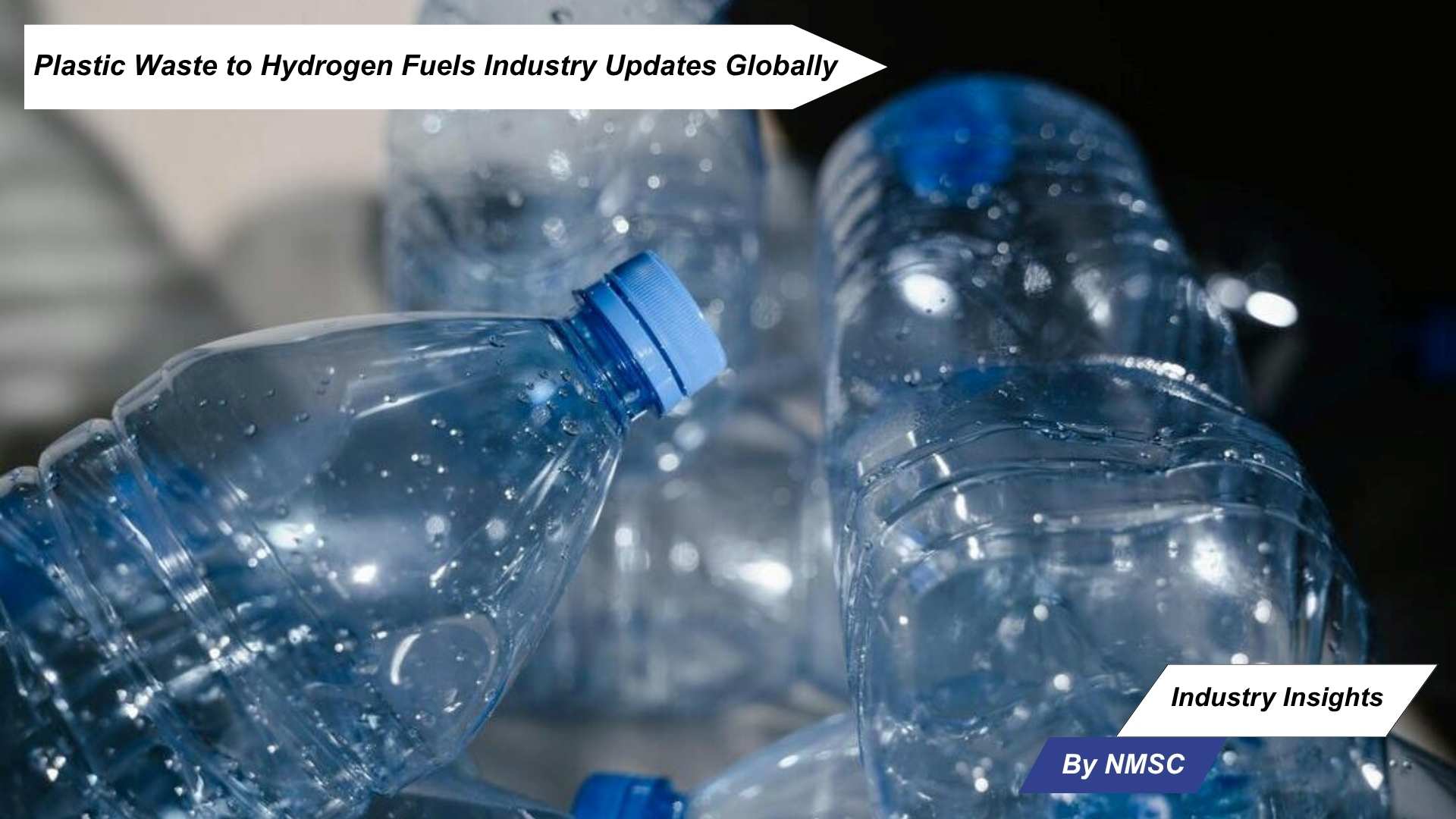
Scientists Convert Plastic Waste into Hydrogen Using Sunlight, Triggering Clean Energy Shift
NEW DELHI, India — May 5, 2026 — A breakthrough in sustainable technology is reshaping both the global plastic waste and clean energy landscape, as scientists successfully convert discarded plastic into hydrogen fuel using sunlight—marking a pivotal step toward circular energy systems.
The development, highlighted alongside recent environmental initiatives such as the ‘Beat Plastic Pollution’ workshop in Delhi, reflects growing urgency to tackle mounting plastic waste while accelerating the transition to renewable energy sources. The innovation leverages photocatalytic processes to break down plastic polymers, producing hydrogen gas without relying on fossil fuels.
A Dual Solution to Plastic and Energy Crises
Plastic pollution has long posed a global environmental threat, with millions of tonnes accumulating annually. This new method introduces a scalable pathway to transform waste into value, addressing two critical challenges simultaneously—waste management and clean fuel generation.
Unlike conventional recycling, which often downgrades plastic quality, this process converts low-value plastics into high-value hydrogen energy using abundant solar power.
“Turning plastic waste into hydrogen using sunlight represents a paradigm shift in resource utilization,” notes an analyst at Next Move Strategy Consulting (NMSC). “It aligns environmental sustainability with economic viability in a way traditional recycling models could not.”
Key Highlights of the Breakthrough
-
Solar-Driven Conversion: Utilizes sunlight to activate catalysts that decompose plastics
-
Clean Hydrogen Output: Produces zero-emission fuel suitable for industrial and mobility use
-
Low-Cost Feedstock: Works with non-recyclable and mixed plastic waste
-
Circular Economy Impact: Reduces landfill burden while generating renewable energy
Policy Momentum and Industry Implications
The timing of this innovation coincides with increased policy advocacy in India. During the recent environmental workshop, leaders emphasized youth-led initiatives and technological adoption to combat plastic pollution, signaling alignment between scientific progress and public policy.
NMSC analysts suggest that such advancements could significantly influence investment trends across both the waste management and hydrogen energy markets.
“Hydrogen derived from waste streams could disrupt traditional supply chains and accelerate the adoption of green hydrogen,” adds a senior strategist at Next Move. “This positions emerging economies as potential leaders in decentralized energy innovation.”
Redefining the Future of Plastic Waste
As governments and industries intensify their focus on sustainability, this Plastic-to-hydrogen breakthrough underscores a broader transformation—where waste is no longer an endpoint, but a resource.
With scalability and commercialization on the horizon, the technology may soon redefine how nations approach both energy security and environmental responsibility.
Source: Hindustan Times
Prepared By: Prakhyat Chowdhury
About the Author
 Prakhyat Chowdhury
— Prakhyat Chowdhury is a results-driven Market Analyst and data strategist specializing in business intelligence, trend forecasting, and performance-focused market growth. His competitive intelligence frameworks, and data-driven insights enhances strategic planning, operational efficiency, and organizational authority. Known for strong communication, analytical thinking, and multilingual proficiency, he delivers rigorous, objective-led solutions that support scalable business outcomes across industries with professionalism. He consistently aligns quantitative and qualitative analysis with global business goals.
Prakhyat Chowdhury
— Prakhyat Chowdhury is a results-driven Market Analyst and data strategist specializing in business intelligence, trend forecasting, and performance-focused market growth. His competitive intelligence frameworks, and data-driven insights enhances strategic planning, operational efficiency, and organizational authority. Known for strong communication, analytical thinking, and multilingual proficiency, he delivers rigorous, objective-led solutions that support scalable business outcomes across industries with professionalism. He consistently aligns quantitative and qualitative analysis with global business goals.
About the Reviewer
 Sanyukta Deb
— Sanyukta Deb is Digital Marketing Team Lead at Next Move Strategy Consulting, where she has led content strategy and technical SEO for the firm's B2B market research publications for over 2 years. Her editorial process translates NextMSC's primary and secondary research — spanning technology, industrial, and consumer sectors — into commercial narratives, backed by search-intent, keyword, and competitive analysis. She brings 5 years of overall experience in digital marketing and content strategy.
Sanyukta Deb
— Sanyukta Deb is Digital Marketing Team Lead at Next Move Strategy Consulting, where she has led content strategy and technical SEO for the firm's B2B market research publications for over 2 years. Her editorial process translates NextMSC's primary and secondary research — spanning technology, industrial, and consumer sectors — into commercial narratives, backed by search-intent, keyword, and competitive analysis. She brings 5 years of overall experience in digital marketing and content strategy.
















Add Comment