Uber Sensor Grid Plan Reshapes the AV Data Industry
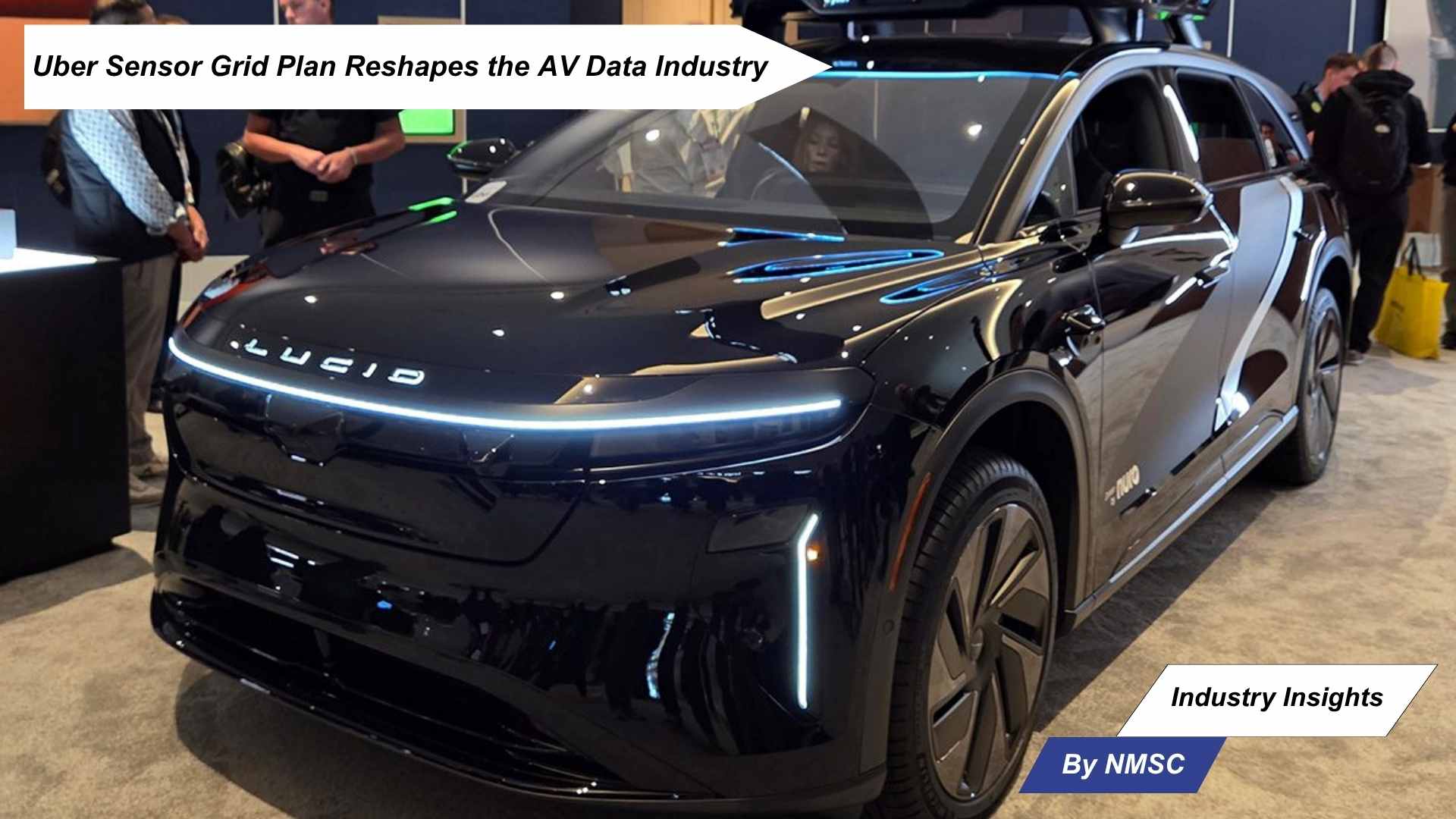
Uber’s Driver Sensor Grid Plan Signals Shift in AV Data Market
SAN FRANCISCO, United States — May 2, 2026 — Uber is exploring a bold new strategy to convert its vast global driver network into a real-time sensor grid, enabling self-driving companies to access scalable, street-level data without deploying costly dedicated fleets.
The initiative, revealed in a recent development, underscores a strategic pivot toward data infrastructure as competition intensifies in the autonomous vehicle (AV) ecosystem. By equipping everyday vehicles with sensor capabilities, Uber aims to dramatically lower the barriers to high-quality mapping and environmental data collection.
A Scalable Alternative to Dedicated AV Fleets
Autonomous driving companies have traditionally relied on specialized vehicles embedded with high-end sensors to gather road intelligence. However, this approach is capital-intensive and geographically limited.
Uber’s model introduces a distributed alternative—leveraging millions of drivers already navigating urban environments daily. This creates a dynamic, continuously updating data layer critical for AV system training and validation.
Key elements of the approach include:
-
Real-time data capture from driver vehicles across diverse geographies
-
Lower infrastructure costs compared to dedicated AV fleets
-
Continuous updates for mapping, traffic patterns, and road conditions
Strategic Implications for the Sensor Market
The move positions Uber as a potential intermediary in the sensor and data value chain, bridging human-driven mobility with autonomous system development.
According to analysts at Next Move Strategy Consulting, this model could redefine how Sensor data is sourced and monetized. “The shift from centralized fleet-based sensing to distributed driver networks represents a fundamental change in cost structures and scalability,” notes a senior analyst at Next Move. “It opens new pathways for real-time intelligence while accelerating adoption timelines for AV technologies.”
Industry Response and Competitive Outlook
The proposal comes as leading AV developers race to improve data diversity and reduce operational costs. Uber’s approach may appeal particularly to startups and mid-tier players lacking extensive hardware deployments.
At the same time, it raises questions around data standardization, privacy, and integration with existing AV stacks. Ensuring consistency across millions of decentralized data points will be critical to the model’s success.
Redefining the Road to Autonomy
As the AV sector evolves, access to high-quality, real-world data is becoming a decisive competitive factor. Uber’s sensor grid concept signals a broader industry transition—from hardware-heavy deployments to software-led, network-driven intelligence.
If executed effectively, the initiative could accelerate innovation cycles while reshaping the economics of the global sensor market.
Source: TechCrunch
Prepared By: Prakhyat Chowdhury
About the Author
 Sanyukta Deb
— Sanyukta Deb is Digital Marketing Team Lead at Next Move Strategy Consulting, where she has led content strategy and technical SEO for the firm's B2B market research publications for over 2 years. Her editorial process translates NextMSC's primary and secondary research — spanning technology, industrial, and consumer sectors — into commercial narratives, backed by search-intent, keyword, and competitive analysis. She brings 5 years of overall experience in digital marketing and content strategy.
Sanyukta Deb
— Sanyukta Deb is Digital Marketing Team Lead at Next Move Strategy Consulting, where she has led content strategy and technical SEO for the firm's B2B market research publications for over 2 years. Her editorial process translates NextMSC's primary and secondary research — spanning technology, industrial, and consumer sectors — into commercial narratives, backed by search-intent, keyword, and competitive analysis. She brings 5 years of overall experience in digital marketing and content strategy.
About the Reviewer
 Debashree Dey
— Debashree Dey is Assistant Manager at Next Move Strategy Consulting, where she supports cross-vertical market content and communications across diverse industries for 6 years. Her professional background includes senior content writing, communications, and published manuscript authorship, with experience developing audience-focused business narratives and maintaining clear, consistent messaging. Her role supports research-led content development and editorial quality across NextMSC publications.
Debashree Dey
— Debashree Dey is Assistant Manager at Next Move Strategy Consulting, where she supports cross-vertical market content and communications across diverse industries for 6 years. Her professional background includes senior content writing, communications, and published manuscript authorship, with experience developing audience-focused business narratives and maintaining clear, consistent messaging. Her role supports research-led content development and editorial quality across NextMSC publications.
















Add Comment