Video Gaming Culture Shapes Modern War Media Narratives
Industry Insights from Next Move Strategy Consulting
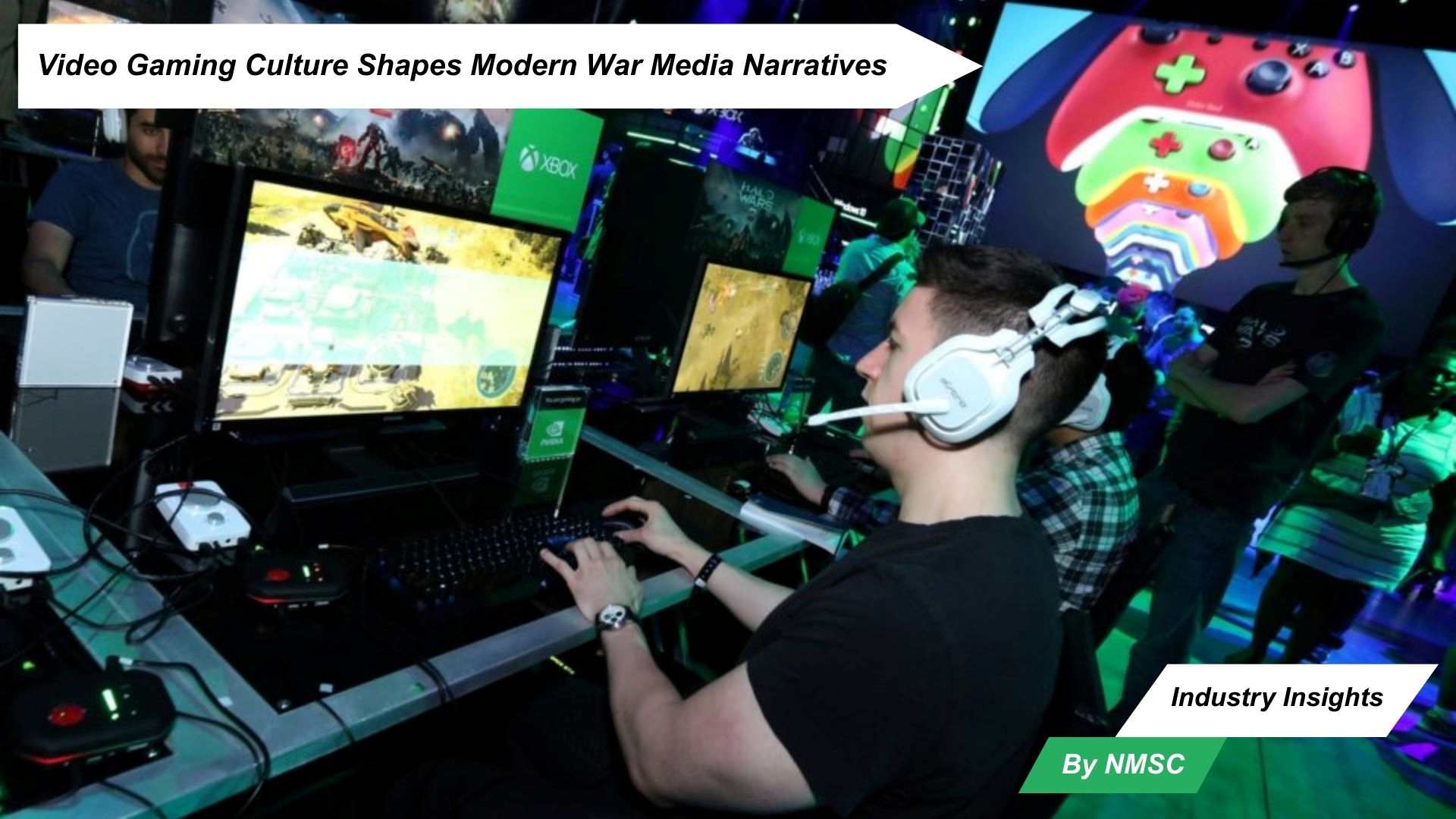
As digital entertainment increasingly shapes global communication strategies, the intersection between video gaming culture and political messaging has become more visible. Recent social media videos released by the White House demonstrate this evolving dynamic, blending imagery from popular video games, films, and sports with real combat footage from the ongoing conflict with Iran. The approach has generated widespread discussion about how gaming-inspired media techniques are influencing public perception in the digital era.
Entertainment Aesthetics Enter Political Communication
The videos posted through official White House social channels present fast-paced edits combining explosions from the Iran conflict with recognizable references from movies, sports, and gaming culture. Footage from films such as Braveheart, Superman, Top Gun, Breaking Bad, and Iron Man appears alongside real battlefield imagery. In one instance, a cartoon version of SpongeBob SquarePants is shown between clips of military strikes.
The posts also incorporate video game references, including scenes inspired by titles such as Call of Duty, Grand Theft Auto, Mortal Kombat, and Halo. These clips are paired with dramatic sports moments such as American football tackles and baseball home runs, creating a montage that mirrors the high-intensity editing style common in modern gaming and entertainment media.
Accompanied by aggressive music tracks and captions such as “JUSTICE THE AMERICAN WAY,” the videos reflect an attempt to create cinematic, attention-grabbing content designed for social media audiences. Analysts note that the dramatic style appears intended to strengthen emotional engagement with military narratives.
Debate Over the “Gamification” of War
The fusion of gaming culture with real-world military footage has prompted criticism from several public figures and cultural commentators. Some observers argue that presenting combat scenes through entertainment-style editing risks trivializing the human consequences of war.
Two actors whose work appeared in the videos Ben Stiller from Tropic Thunder and Steve Downes, the voice of Master Chief in Halo stated that their material had been used without permission and asked for its removal. Critics, including Cardinal Blase J. Cupich of Chicago, expressed concern that the portrayal of warfare in a video-game-like format could diminish the gravity of real-life conflict and suffering.
The discussion has fueled broader debate about the role of digital entertainment formats in shaping narratives around geopolitical events. Observers note that the approach reflects how governments increasingly use social media and popular culture references to capture attention in a crowded online environment.
Cultural and Recruitment Dimensions
Experts also highlight the possible strategic motivations behind adopting gaming-inspired communication. The overlap between gaming culture, action films, and sports is particularly strong among younger audiences, especially those who consume digital media heavily.
Historically, military institutions have already explored the relationship between gaming and recruitment. The U.S. Department of Defense launched the first-person shooter game America’s Army in 2002 and has regularly participated in gaming conventions and esports events to reach potential recruits.
Supporters of the recent videos suggest that the cinematic presentation could resonate with audiences familiar with video games and action entertainment, although some marketing analysts question whether the strategy will have lasting effectiveness among younger generations seeking transparency and authenticity in public messaging.
Strategic Outlook for the Video Gaming Market
From a broader industry perspective, the event highlights the expanding cultural influence of the global video gaming ecosystem. Gaming visuals, storytelling formats, and interactive aesthetics are increasingly shaping media communication beyond entertainment, influencing marketing strategies, digital storytelling, and political messaging.
According to Next Move Strategy Consulting, the growing integration of gaming culture into mainstream media narratives reflects the expanding impact of the Video Gaming Market across industries. As gaming audiences continue to grow globally, elements such as immersive visuals, fast-paced editing, and competitive storytelling are becoming powerful tools for engagement across digital platforms.
The Expanding Influence of Gaming Culture
The debate surrounding the White House videos illustrates how video game aesthetics have evolved from entertainment into a broader cultural language used across media, politics, and communication strategies.
As digital platforms continue to dominate global information exchange, the stylistic influence of gaming is expected to remain a significant force shaping how narratives are produced, distributed, and consumed in the modern media landscape.
Prepared by: Next Move Strategy Consulting
Source: Economic Times
About the Author
 Sanyukta Deb
— Sanyukta Deb is Digital Marketing Team Lead at Next Move Strategy Consulting, where she has led content strategy and technical SEO for the firm's B2B market research publications for over 2 years. Her editorial process translates NextMSC's primary and secondary research — spanning technology, industrial, and consumer sectors — into commercial narratives, backed by search-intent, keyword, and competitive analysis. She brings 5 years of overall experience in digital marketing and content strategy.
Sanyukta Deb
— Sanyukta Deb is Digital Marketing Team Lead at Next Move Strategy Consulting, where she has led content strategy and technical SEO for the firm's B2B market research publications for over 2 years. Her editorial process translates NextMSC's primary and secondary research — spanning technology, industrial, and consumer sectors — into commercial narratives, backed by search-intent, keyword, and competitive analysis. She brings 5 years of overall experience in digital marketing and content strategy.
About the Reviewer
 Debashree Dey
— Debashree Dey is Assistant Manager at Next Move Strategy Consulting, where she supports cross-vertical market content and communications across diverse industries for 6 years. Her professional background includes senior content writing, communications, and published manuscript authorship, with experience developing audience-focused business narratives and maintaining clear, consistent messaging. Her role supports research-led content development and editorial quality across NextMSC publications.
Debashree Dey
— Debashree Dey is Assistant Manager at Next Move Strategy Consulting, where she supports cross-vertical market content and communications across diverse industries for 6 years. Her professional background includes senior content writing, communications, and published manuscript authorship, with experience developing audience-focused business narratives and maintaining clear, consistent messaging. Her role supports research-led content development and editorial quality across NextMSC publications.
















Add Comment