Wearable Health Tech Consumption Projected for Exponential Growth
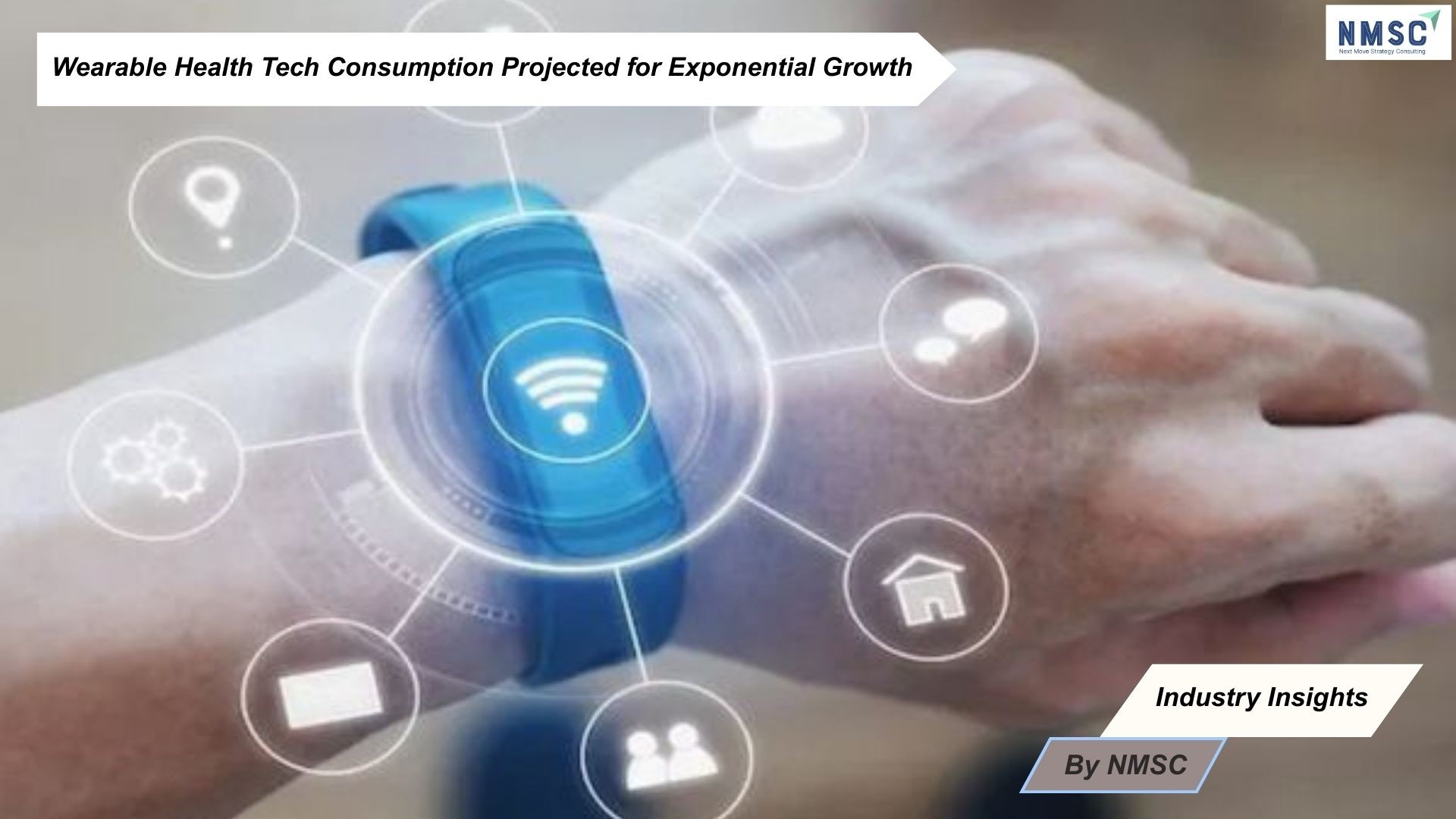
Industry Insights from Next Move Strategy Consulting
The global market for wearable healthcare electronics is poised for unprecedented expansion, with a new analysis projecting consumption could increase 42-fold by 2050. This surge, approaching two billion units annually, signals a transformative shift in personal healthcare monitoring but also brings significant environmental impact considerations to the forefront.
A Clinical and Technological Evolution in Healthcare
The growth is driven by devices of high clinical relevance and diverse sensing modalities. A recent cradle-to-grave analysis published in the journal Nature focused on representative devices including non-invasive continuous glucose monitors, continuous electrocardiogram (ECG) monitors, blood pressure monitors, and point-of-care ultrasound patches. These devices were selected for their coverage across the technology readiness spectrum, indicating a move from niche medical tools to broader consumer health applications.
Key Projections and Environmental Impact at a Glance:
-
42-Fold Consumption Increase: Global use is projected to approach two billion units yearly by 2050.
-
Market Leadership Shift: While continuous ECG and blood pressure monitors initially dominate, continuous glucose monitors are projected to lead by 2050, comprising 72% of the market share.
-
Significant Carbon Footprint: This consumption is projected to generate 3.4 metric tonnes of carbon dioxide-equivalent emissions annually.
-
Major Emission Regions: China is projected to generate the most yearly greenhouse gas detector emissions from these devices by 2050, followed by India.
Balancing Innovation with Ecological Responsibility
The study’s life cycle assessment reveals the full environmental cost, estimating that a single wearable healthcare device can emit 1.1 to 6.1 kilograms of carbon dioxide equivalent over its lifetime, from raw material extraction to disposal. This comes alongside concerns over ecotoxicity and e-waste.
Researchers from Cornell and Chicago universities indicate that the path to sustainable growth lies in material science and design innovation. Their work shows that using recyclable or biodegradable plastics offers only marginal benefits, whereas substituting critical-metal conductors and optimizing circuit architectures can significantly reduce environmental impacts without compromising device performance.
Industry Response and Strategic Outlook
The scale of projected adoption—with non-invasive continuous glucose monitors potentially surpassing current global smartphone sales, highlights a major convergence of healthcare, consumer technology, and sustainability. Manufacturers and health tech firms are now presented with the dual challenge of meeting skyrocketing demand while mitigating ecological consequences.
According to Next Move Strategy Consulting, this data underscores a critical inflection point for the digital health sector. The projected growth will reshape supply chains and innovation priorities, placing a new emphasis on ecologically responsible design. Procurement and development strategies will increasingly need to balance clinical utility and user demand with environmental impact metrics and circular economy principles to ensure sustainable scale.
Redefining the Future of Personal Healthcare
The projected 42-fold increase in wearable health tech consumption marks a new chapter in preventive and personalized medicine. As these devices become ubiquitous, the industry's commitment to innovation must extend beyond functionality to encompass the entire product lifecycle, ensuring that the health of the population and the planet are advanced in tandem.
Source: The Hindu
Prepared by: Next Move Strategy Consulting
About the Author
 Sanyukta Deb
— Sanyukta Deb is Digital Marketing Team Lead at Next Move Strategy Consulting, where she has led content strategy and technical SEO for the firm's B2B market research publications for over 2 years. Her editorial process translates NextMSC's primary and secondary research — spanning technology, industrial, and consumer sectors — into commercial narratives, backed by search-intent, keyword, and competitive analysis. She brings 5 years of overall experience in digital marketing and content strategy.
Sanyukta Deb
— Sanyukta Deb is Digital Marketing Team Lead at Next Move Strategy Consulting, where she has led content strategy and technical SEO for the firm's B2B market research publications for over 2 years. Her editorial process translates NextMSC's primary and secondary research — spanning technology, industrial, and consumer sectors — into commercial narratives, backed by search-intent, keyword, and competitive analysis. She brings 5 years of overall experience in digital marketing and content strategy.
About the Reviewer
 Debashree Dey
— Debashree Dey is Assistant Manager at Next Move Strategy Consulting, where she supports cross-vertical market content and communications across diverse industries for 6 years. Her professional background includes senior content writing, communications, and published manuscript authorship, with experience developing audience-focused business narratives and maintaining clear, consistent messaging. Her role supports research-led content development and editorial quality across NextMSC publications.
Debashree Dey
— Debashree Dey is Assistant Manager at Next Move Strategy Consulting, where she supports cross-vertical market content and communications across diverse industries for 6 years. Her professional background includes senior content writing, communications, and published manuscript authorship, with experience developing audience-focused business narratives and maintaining clear, consistent messaging. Her role supports research-led content development and editorial quality across NextMSC publications.


















Add Comment