Allergy Treatment Market: Breakthroughs, Biologics & Bold Forecasts for 2026

Introduction
Allergic disease has quietly become one of the most pervasive chronic health challenges of the modern era. From seasonal rhinitis and food allergies to life-threatening anaphylaxis and chronic urticaria, the global burden of allergic conditions is expanding at a pace that demands urgent clinical, regulatory, and commercial attention. According to a 2025 peer-reviewed study published in Life (Basel) by researchers at Nicolaus Copernicus University, approximately 20–30% of the global population is affected by one or more allergic conditions, with prevalence rising steadily due to environmental pollution, dietary shifts, and climate-driven changes in allergen exposure.
Against this backdrop, the global Allergy Treatment Market is undergoing a period of transformative growth. Driven by a wave of landmark regulatory approvals, next-generation immunotherapy platforms, and a rapidly expanding pipeline of biologic therapies, the sector is attracting significant investment from pharmaceutical companies, healthcare systems, and institutional investors alike.
According to Next Move Strategy Consulting (NMSC), the global allergy treatment market is projected to reach USD 36.47 billion by 2030, advancing at a CAGR of 6.7% over the forecast period. For C-suite executives and institutional stakeholders, understanding the forces reshaping this market is no longer optional — it is a strategic imperative.
For More Information: Download FREE Sample on Allergy Treatment Market Report
From Antihistamines to BTK Inhibitors: The New Frontier of Allergy Therapeutics
A Landmark FDA Approval Redefines the Treatment Paradigm
The most consequential development in the allergy treatment market in recent months arrived on September 30, 2025, when the U.S. Food and Drug Administration (FDA) granted approval to Novartis for Rhapsido® (remibrutinib) — the first and only oral, targeted Bruton's tyrosine kinase inhibitor (BTKi) for the treatment of chronic spontaneous urticaria (CSU) in adult patients who remain symptomatic despite H1 antihistamine therapy.
CSU is a mast cell-driven condition affecting an estimated 1.7 million people in the United States alone, with more than half of patients remaining symptomatic despite escalating doses of antihistamines. Remibrutinib works by inhibiting the BTK protein, thereby blocking the release of histamine and other proinflammatory mediators from mast cells and basophils. In the pivotal Phase III REMIX-1 and REMIX-2 clinical trials, patients receiving remibrutinib 25 mg twice daily demonstrated significantly greater reductions in the Urticaria Activity Score over 7 days (UAS7) compared to placebo at Week 12, with symptom reduction observed as early as 12 hours after the first dose.
The significance of this approval extends well beyond CSU. At the 2026 American Academy of Allergy, Asthma & Immunology (AAAAI) Annual Meeting held in March 2026, Novartis presented Phase 2 data demonstrating that remibrutinib also shows dose-responsive desensitization in IgE-mediated peanut allergy — with up to 86.7% of patients on the 100 mg twice-daily dose tolerating at least 600 mg of peanut protein at four weeks, compared to zero patients in the placebo group. A Phase 3 trial in food allergy is planned for the second half of 2026.
Beyond remibrutinib, the AAAAI 2026 meeting showcased a broad pipeline of innovations reshaping the allergy treatment landscape:
-
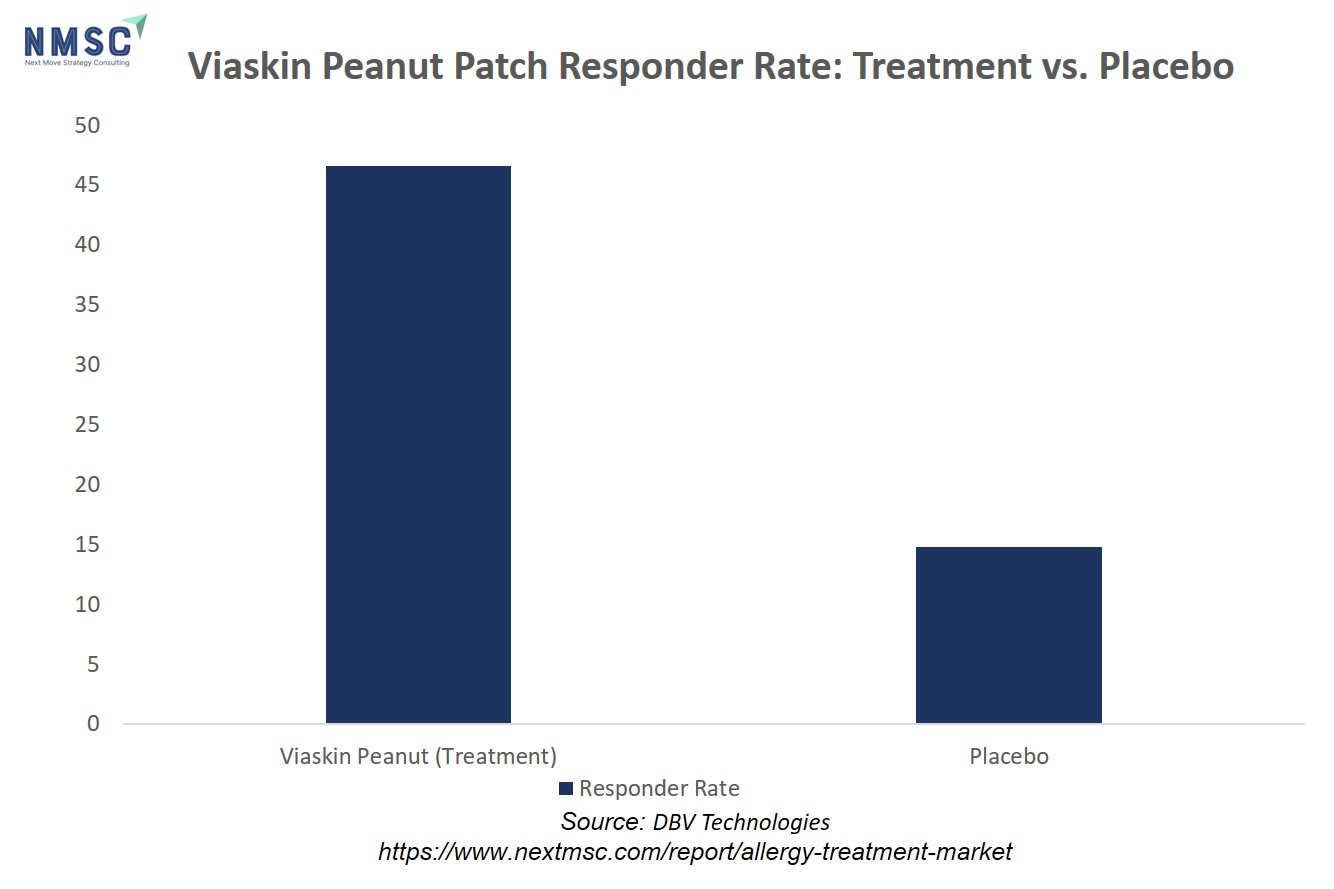
VITESSE Phase 3 Trial: DBV Technologies' Viaskin Peanut epicutaneous patch met its primary endpoint in children aged 4–7, with 46.6% of treated participants classified as responders versus 14.8% in the placebo group, and adherence rates of approximately 96%.
-
OUtMATCH Stage 3: Omalizumab (Xolair) was shown to be equally effective as multi-food oral immunotherapy (OIT), with over 60% of participants in both groups successfully integrating allergenic foods into their daily diet at six months.
-
ADORED Trial: STMC-103H (Siolta Therapeutics), a novel live oral microbial product administered to at-risk neonates, reduced the risk of developing atopic dermatitis by approximately 64% and physician-diagnosed food allergy by 77% compared to placebo.
-
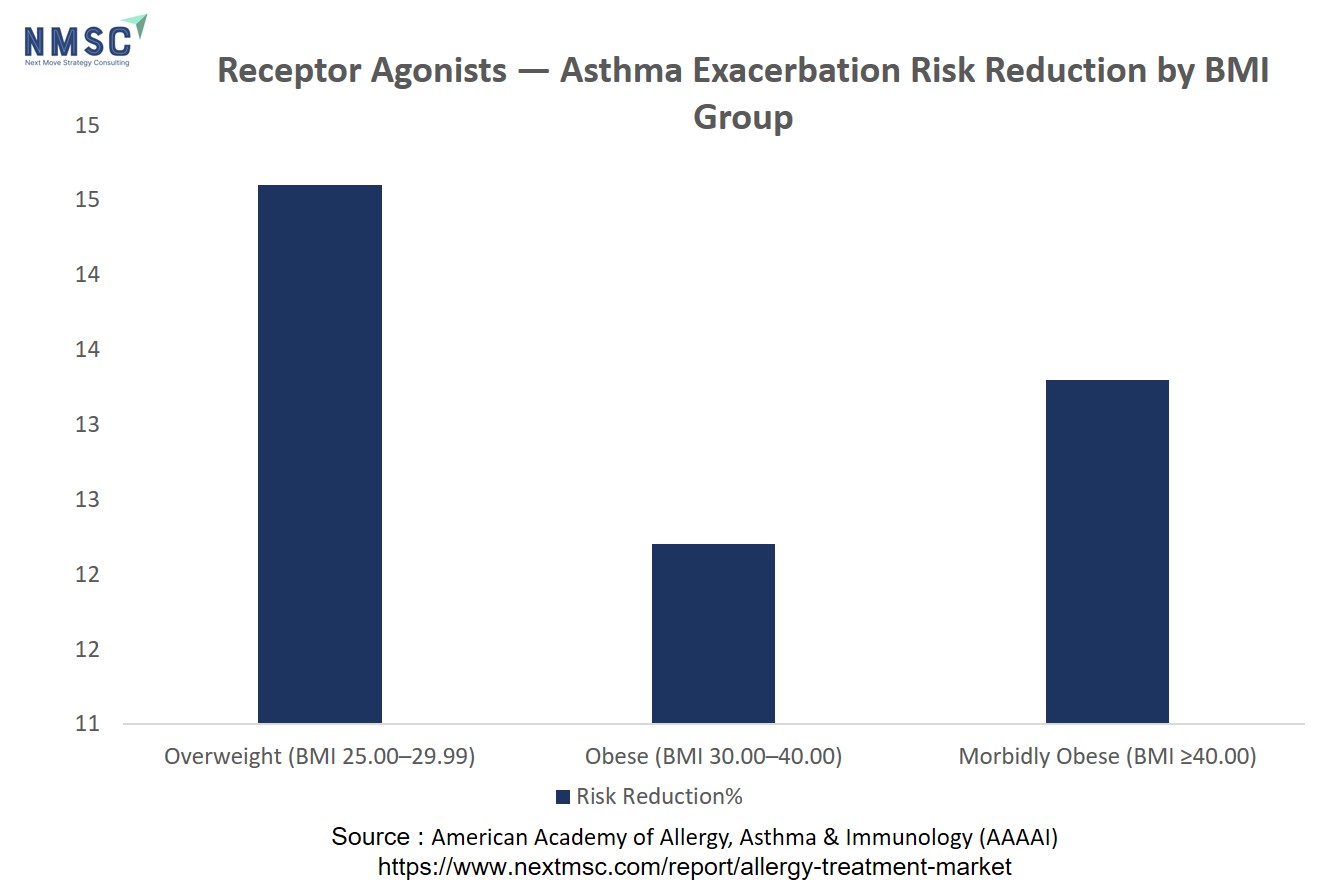
GLP-1 Receptor Agonists: A cohort study presented at AAAAI 2026 found that GLP-1 receptor agonists were associated with a 12–14.6% reduction in asthma exacerbation risk across overweight and obese non-diabetic patients.
Simultaneously, the FDA hosted a virtual public meeting in February 2026 on food allergen thresholds and their potential regulatory implications — a development that signals increasing institutional attention to the precision and enforceability of allergen safety standards.
NMSC Strategic Perspective: A Market at an Inflection Point
From Next Move Strategy Consulting's analytical standpoint, the convergence of multiple high-impact regulatory approvals, a maturing biologic pipeline, and rising global allergy prevalence represents a structural inflection point for the allergy treatment market. The transition from symptom-management-only approaches — dominated by antihistamines and corticosteroids — toward disease-modifying therapies such as allergen immunotherapy (AIT), monoclonal antibodies, and BTK inhibitors is fundamentally altering the commercial architecture of this sector.
NMSC identifies three primary catalysts driving this shift: (1) the growing recognition of allergy as a systemic immune disorder requiring targeted intervention rather than palliative management; (2) accelerated FDA approval pathways for biologic and immunotherapy-based treatments; and (3) the demographic reality of an aging global population with weakening immune systems, which is expanding the addressable patient population. The United Nations Population Fund has noted that the proportion of the global population aged 65 and above doubled from 5.5% to 10.3% between 1974 and 2024, and is projected to reach 20.7% by 2074 — a trend with direct implications for allergy treatment demand.
Section Summary: The allergy treatment market is experiencing a paradigm shift driven by landmark approvals such as remibrutinib for CSU, next-generation immunotherapy platforms, and a robust clinical pipeline. Regulatory bodies are actively expanding approval pathways for biologic therapies, while the global burden of allergic disease continues to intensify.
Key Takeaways:
-
Novartis' remibrutinib (Rhapsido) received FDA approval in September 2025 as the first oral BTKi for CSU, with Phase 3 food allergy trials planned for late 2026.
-
The AAAAI 2026 Annual Meeting showcased multiple breakthrough therapies across food allergy, atopic dermatitis prevention, and asthma management.
-
The FDA's February 2026 public meeting on food allergen thresholds signals a tightening regulatory environment with commercial implications for manufacturers.
-
The global shift from symptomatic treatment to disease-modifying therapies is fundamentally reshaping the competitive landscape of the allergy treatment market.
Industry Impact Analysis
The Epidemiological Imperative: Rising Prevalence Drives Demand
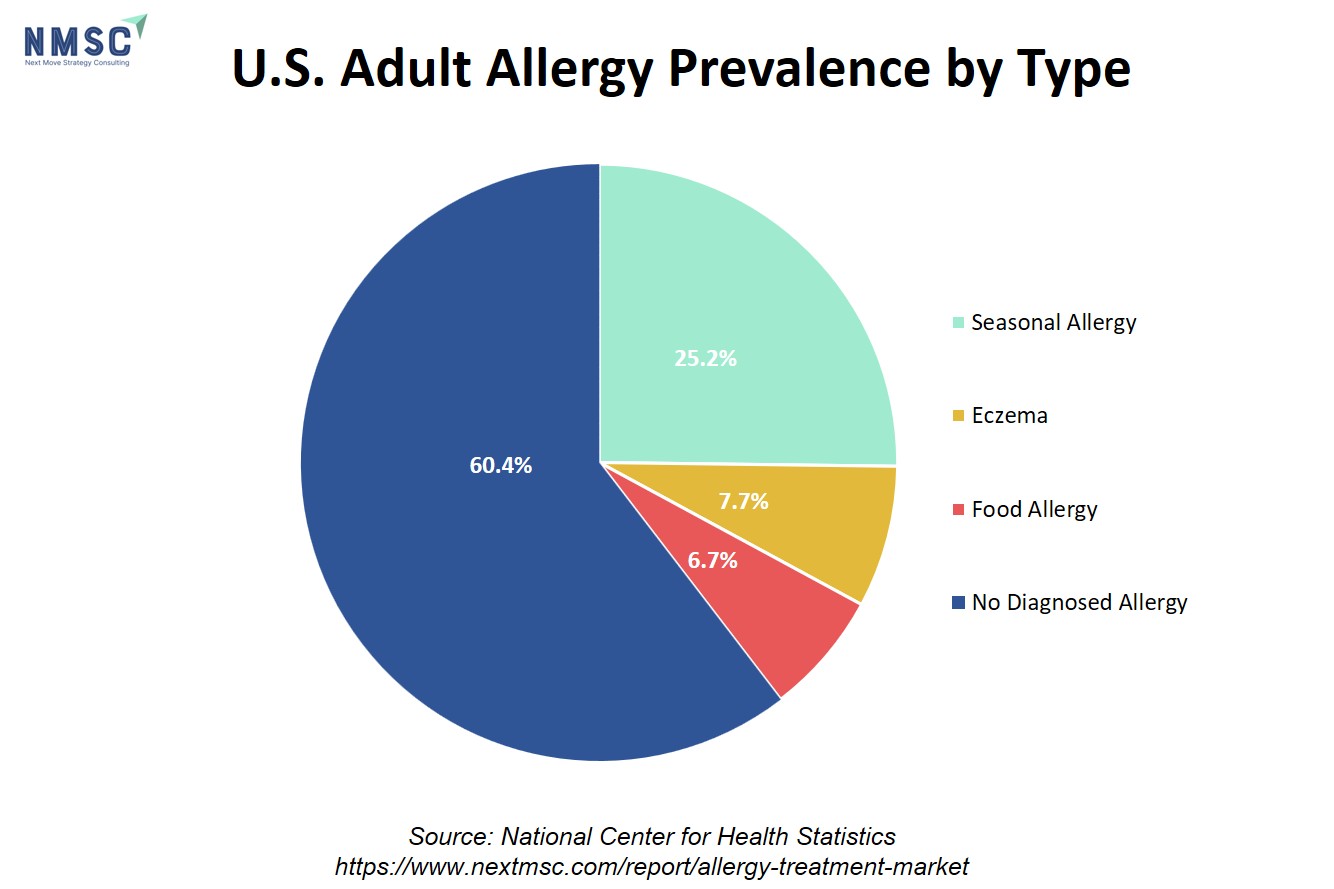
The commercial case for the allergy treatment market is anchored in an undeniable epidemiological reality. According to the U.S. Centers for Disease Control and Prevention (CDC) National Health Interview Survey data published in January 2026, 31.7% of U.S. adults had a diagnosed allergic condition in 2024 — including 25.2% with seasonal allergies, 7.7% with eczema, and 6.7% with food allergies. Women were disproportionately affected across all three categories, with 29.5% reporting seasonal allergies compared to 20.7% of men.
Globally, the World Allergy Organization (WAO) estimates that allergy prevalence ranges from 10% to 40% of the population across different countries, with food allergy prevalence in Europe reported at approximately 19.9% in recent literature. These figures translate directly into sustained and growing demand for allergy diagnostics, medications, and immunotherapy services.
Regulatory and Policy Shifts Reshaping Market Access
The regulatory environment governing the allergy treatment market is evolving rapidly. The FDA's accelerated approval pathways for allergy biologics — exemplified by the approvals of omalizumab (Xolair) for multi-food allergy in February 2024 and remibrutinib for CSU in September 2025 — are compressing development timelines and enabling faster market entry for innovative therapies.
In parallel, the 2026 ARIA-EAACI seasonal allergy guidelines have established a clearer treatment hierarchy, now favoring combination intranasal antihistamine and corticosteroid sprays as first-line therapy — a shift that has direct implications for prescribing patterns and product positioning across the pharmaceutical value chain.
Competitive Landscape: Innovation as the Primary Differentiator
The competitive dynamics of the allergy treatment market are increasingly defined by innovation velocity. Key players including Novartis International AG, AbbVie Inc., GlaxoSmithKline plc, Merck & Co., Inc., Johnson & Johnson, Glenmark Pharmaceuticals Ltd., Perrigo Company plc, Bausch Health Companies Inc., Hikma Pharmaceuticals plc, and Entod Pharmaceutical Ltd. are actively investing in product launches, clinical trials, and strategic partnerships to consolidate their market positions.
The shift toward personalized immunotherapy — tailoring allergen extracts to an individual patient's specific sensitization profile and immune response — is emerging as a key differentiator. This approach, which NMSC identifies as a significant growth opportunity, promises more durable outcomes and reduced adverse event profiles compared to conventional pharmacotherapy.
Access, Cost, and Equity Challenges
Despite the therapeutic advances, significant structural challenges persist. Biologic therapies for allergy — including anti-IgE and anti-IL-4/13 agents — remain cost-intensive, with access restricted in many healthcare systems due to high prices and limited reimbursement coverage. A 2025 review published in Life (Basel) noted that the underuse of biologics in severe allergy cases represents a critical unmet need, with high costs and limited access constituting the primary barriers. Furthermore, allergen immunotherapy (AIT) is not available or reimbursed in many healthcare systems globally, limiting its reach to patients who could benefit most.
Section Summary: The allergy treatment market is being shaped by a convergence of rising disease prevalence, accelerating regulatory approvals, evolving clinical guidelines, and intensifying competitive innovation. However, access barriers related to cost and reimbursement remain a structural constraint on market penetration for advanced therapies.
Key Takeaways:
-
CDC data confirms 31.7% of U.S. adults had a diagnosed allergic condition in 2024, underscoring the scale of the addressable market.
-
FDA accelerated approval pathways are compressing development timelines for biologic and immunotherapy-based allergy treatments.
-
Updated 2026 ARIA-EAACI guidelines are reshaping prescribing hierarchies, with direct implications for product positioning.
-
High costs and limited reimbursement for biologic therapies remain the primary barriers to equitable market access.
Pros and Cons of Recent Market Developments
|
Recent Development |
Pros |
Cons |
|
FDA Approval of Remibrutinib (Rhapsido) for CSU |
First oral BTKi option; no injections or lab monitoring required; fast symptom relief within 12 hours; expands treatment options beyond injectables |
Limited to adult CSU patients; not approved for other urticaria forms; long-term safety data still accumulating |
|
FDA Approval of Omalizumab (Xolair) for Multi-Food Allergy |
First therapy approved for multiple food allergies simultaneously; reduces anaphylaxis risk; established safety profile |
High cost; requires subcutaneous injection; not a cure; ongoing maintenance required |
|
VITESSE Phase 3 Peanut Patch Results |
Non-invasive epicutaneous delivery; ~96% adherence; low anaphylaxis rate (0.5%); suitable for young children (4–7 years) |
Pending FDA submission; only 46.6% responder rate; limited to peanut allergy; long-term durability data needed |
|
Updated 2026 ARIA-EAACI Seasonal Allergy Guidelines |
Clearer treatment hierarchy; promotes evidence-based prescribing; improves patient outcomes |
May disrupt existing prescribing habits; requires clinician re-education; combination therapies may increase treatment costs |
|
GLP-1 RA Association with Reduced Asthma Exacerbations |
12–14.6% reduction in exacerbation risk; potential new indication for existing drug class; benefits obese non-diabetic patients |
Observational data only; biologic users excluded; mechanism not fully established; further RCTs required |
|
ADORED Trial: STMC-103H Microbial Product |
64% reduction in atopic dermatitis risk; 77% reduction in food allergy risk in at-risk neonates; novel preventive approach |
Phase 1b/2 data only; ITT analysis did not reach statistical significance; FDA approval pathway still early-stage |
Future Outlook & Forecast
The Allergy Treatment Market Through 2030: NMSC Projections
According to Next Move Strategy Consulting's proprietary analysis, the global allergy treatment market is forecast to grow from USD 23.10 billion in 2023 to USD 36.47 billion by 2030, at a CAGR of 6.7%. This trajectory is underpinned by three structural growth drivers: the rising global prevalence of allergic conditions, the accelerating pace of R&D and regulatory approvals for advanced therapies, and the demographic shift toward an older global population with heightened susceptibility to immune dysregulation.
North America is expected to maintain its dominant market position throughout the forecast period, supported by high allergy prevalence, robust healthcare infrastructure, and significant government investment in allergy research and treatment access. The Allergy and Asthma Network has reported that over 50 million people are diagnosed with allergy in the United States, a figure expected to rise in the coming years.
Asia-Pacific represents the most dynamic growth opportunity within the forecast horizon. Japan — rated by the World Economic Forum as having the world's oldest population, with over 36.23 million people aged 65 and above — is a particularly significant market for allergy therapeutics, given the well-established correlation between immune senescence and allergic disease susceptibility. The introduction of AI-powered and molecular diagnostic platforms, such as Component Resolved Diagnostics (CRD), is further accelerating market development across the region.
Emerging Trends Shaping the Long-Term Landscape
Several macro-level trends are expected to define the allergy treatment market beyond 2026:
1. Personalized Immunotherapy: The adoption of tailored allergen immunotherapy protocols — calibrated to individual sensitization profiles — is expected to drive premium pricing and improved patient retention across specialty clinic settings.
2. Prevention as a Commercial Category: The ADORED trial data on STMC-103H signals the emergence of allergy prevention as a distinct and commercially viable market segment, targeting at-risk neonates and infants before the "atopic march" begins.
3. Digital Health Integration: AI-powered diagnostic tools and remote monitoring platforms are expected to improve allergy diagnosis accuracy and treatment adherence, expanding the addressable market for both diagnostics and therapeutics.
4. Regulatory Harmonization: Increasing alignment between FDA, EMA, and Asian regulatory bodies on biologic approval standards is expected to accelerate global market entry for innovative allergy therapies.
5. Climate-Driven Demand: Climate change is extending pollen seasons, increasing airborne allergen concentrations, and expanding the geographic range of allergenic species — factors that are expected to sustain long-term demand growth for allergy treatment products.
Section Summary: The global allergy treatment market is on a sustained growth trajectory, supported by NMSC's forecast of USD 36.47 billion by 2030 at a 6.7% CAGR. North America leads, while Asia-Pacific offers the highest growth potential. Personalized immunotherapy, prevention-focused therapies, and digital health integration are the defining trends of the next decade.
Key Takeaways:
-
NMSC projects the global allergy treatment market to reach USD 36.47 billion by 2030, growing at a CAGR of 6.7%.
-
Asia-Pacific is the fastest-growing regional market, driven by aging demographics and rising urbanization.
-
Prevention-focused therapies targeting the "atopic march" represent a nascent but high-potential commercial category.
-
Climate change is a structural, long-term demand driver for allergy treatment products globally.
Next Steps for Stakeholders
For Pharmaceutical Executives and R&D Leaders:
-
Prioritize investment in oral and non-injectable delivery formats for advanced allergy therapies, as patient preference data consistently favors convenience over efficacy parity with injectables.
-
Accelerate Phase 3 programs for BTK inhibitors in food allergy indications, given the compelling Phase 2 data presented at AAAAI 2026.
-
Evaluate strategic partnerships with microbiome-focused biotechnology companies to capture the emerging allergy prevention segment.
For Healthcare System Administrators and Payers:
-
Develop evidence-based reimbursement frameworks for biologic allergy therapies that balance cost-effectiveness with patient access, particularly for underserved populations.
-
Invest in allergy specialist training and diagnostic infrastructure to reduce the current 24-month average diagnosis timeline for conditions such as CSU.
-
Monitor the FDA's evolving position on food allergen thresholds, as regulatory changes in this area will have direct implications for formulary management and patient counseling protocols.
For Institutional Investors and Private Equity:
-
The allergy treatment market's 6.7% CAGR through 2030, combined with a robust pipeline of first-in-class therapies, presents a compelling risk-adjusted investment thesis in the specialty pharmaceutical and biotechnology segments.
-
Focus due diligence on companies with diversified allergy portfolios spanning both anti-allergy drugs and immunotherapy, as the market is bifurcating along these two treatment modalities.
-
Monitor Asia-Pacific market entry strategies, particularly in Japan, South Korea, and China, where aging demographics and rising healthcare expenditure are creating significant commercial opportunities.
For Clinicians and Allergy Specialists:
-
Stay current with the updated 2026 ARIA-EAACI guidelines, which establish a revised treatment hierarchy for seasonal allergic rhinitis.
-
Familiarize clinical teams with the mechanism, efficacy data, and patient selection criteria for remibrutinib, as its oral administration and no-monitoring profile make it a practical option for a broad CSU patient population.
-
Consider early referral pathways for at-risk neonates to allergy specialists, in anticipation of prevention-focused therapies entering the market.
Conclusion
The global allergy treatment market stands at a pivotal juncture. The convergence of landmark regulatory approvals — most notably the FDA's clearance of remibrutinib as the first oral BTKi for CSU — with a rich clinical pipeline spanning epicutaneous patches, sublingual tablets, microbiome-based prevention, and novel biologic mechanisms, is fundamentally redefining what is therapeutically possible for the estimated 20–30% of the global population living with allergic disease.
According to Next Move Strategy Consulting, the market is projected to grow from USD 23.10 billion in 2023 to USD 36.47 billion by 2030 at a CAGR of 6.7% — a trajectory that reflects both the scale of unmet clinical need and the commercial momentum building behind next-generation allergy therapeutics. For investors, executives, and healthcare decision-makers, the strategic imperative is clear: the allergy treatment market is no longer a mature, slow-growth sector. It is an innovation-driven growth market with significant upside potential for those who position themselves ahead of the curve.
About the Author
 Sanyukta Deb
— Sanyukta Deb is Digital Marketing Team Lead at Next Move Strategy Consulting, where she has led content strategy and technical SEO for the firm's B2B market research publications for over 2 years. Her editorial process translates NextMSC's primary and secondary research — spanning technology, industrial, and consumer sectors — into commercial narratives, backed by search-intent, keyword, and competitive analysis. She brings 5 years of overall experience in digital marketing and content strategy.
Sanyukta Deb
— Sanyukta Deb is Digital Marketing Team Lead at Next Move Strategy Consulting, where she has led content strategy and technical SEO for the firm's B2B market research publications for over 2 years. Her editorial process translates NextMSC's primary and secondary research — spanning technology, industrial, and consumer sectors — into commercial narratives, backed by search-intent, keyword, and competitive analysis. She brings 5 years of overall experience in digital marketing and content strategy.
About the Reviewer
 Debashree Dey
— Debashree Dey is Assistant Manager at Next Move Strategy Consulting, where she supports cross-vertical market content and communications across diverse industries for 6 years. Her professional background includes senior content writing, communications, and published manuscript authorship, with experience developing audience-focused business narratives and maintaining clear, consistent messaging. Her role supports research-led content development and editorial quality across NextMSC publications.
Debashree Dey
— Debashree Dey is Assistant Manager at Next Move Strategy Consulting, where she supports cross-vertical market content and communications across diverse industries for 6 years. Her professional background includes senior content writing, communications, and published manuscript authorship, with experience developing audience-focused business narratives and maintaining clear, consistent messaging. Her role supports research-led content development and editorial quality across NextMSC publications.


















Add Comment