How Is Biotechnology Redefining the Future of Science and Innovation?
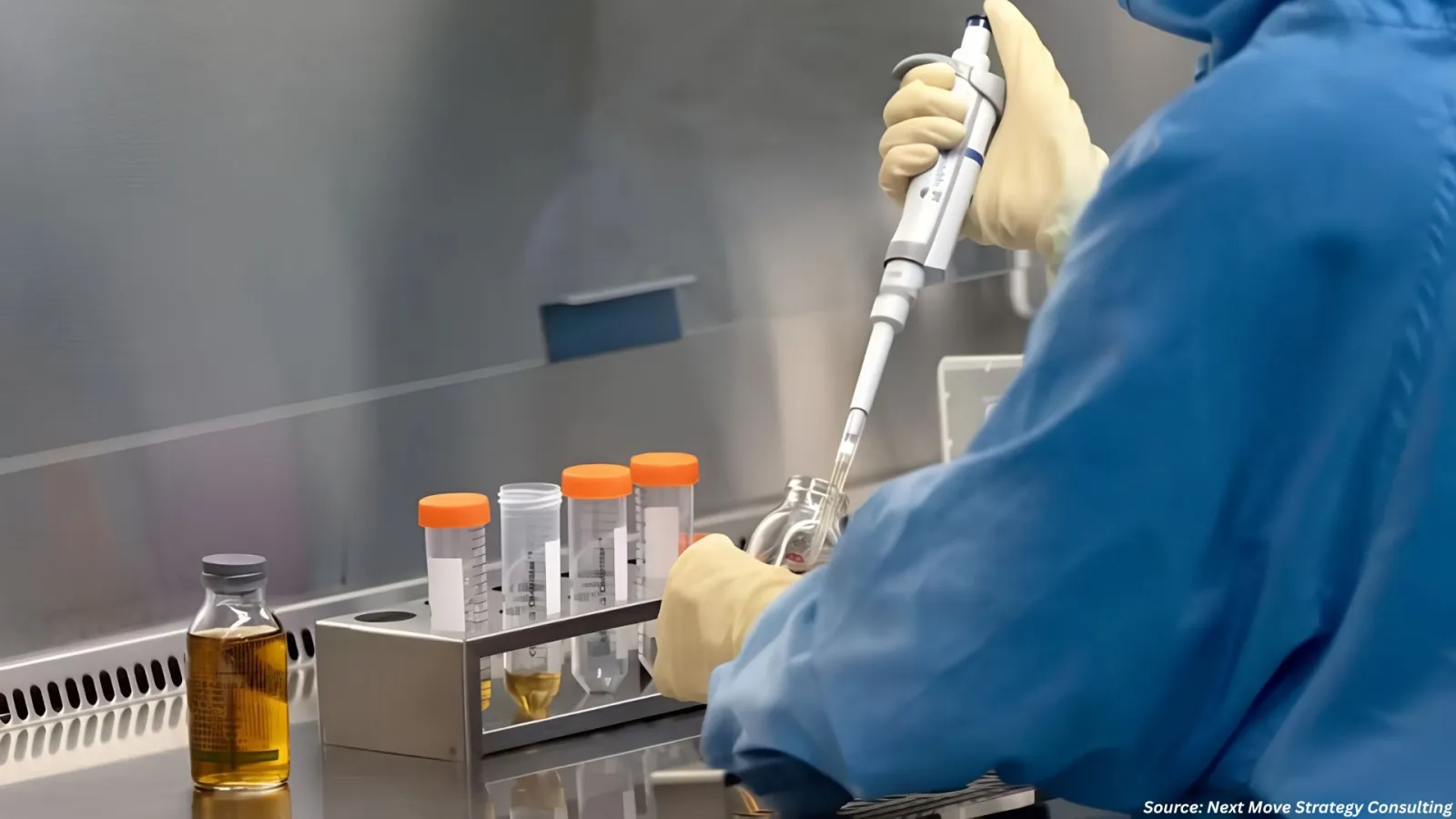
Biotechnology Market is steadily evolving from a specialized scientific discipline into a foundational force shaping multiple industries. In 2025, its influence extends far beyond healthcare, reaching into space exploration and global economic strategy. Two major developments define its current trajectory: the use of biotechnology to support human life beyond Earth and the rapid rise of China as a global innovation hub in drug development.
These shifts demonstrate that biotechnology is not only advancing science but also redefining how nations collaborate, compete, and prepare for the future.
How Is Biotechnology Enabling Sustainable Life in Space?
Biotechnology is emerging as a critical enabler of long-term space exploration. According to a 2025 report supported by the Carnegie Corporation, researchers emphasize that future human settlements beyond Earth will depend heavily on biological systems that can sustain life in extreme environments.
One of the most important concepts is the development of closed-loop systems, where essential resources such as oxygen and food are continuously regenerated. This approach reduces reliance on Earth-based supplies, which have historically been expensive due to high launch costs. While reusable rockets have lowered these costs, the challenge of sustainability remains central.
Biotechnology also addresses serious health risks associated with space travel. Exposure to radiation can damage DNA, while microgravity contributes to muscle loss, cardiovascular changes, and weakened immune systems. By leveraging bioengineering and cellular science, researchers aim to create solutions that allow humans not just to survive, but to function effectively in space.
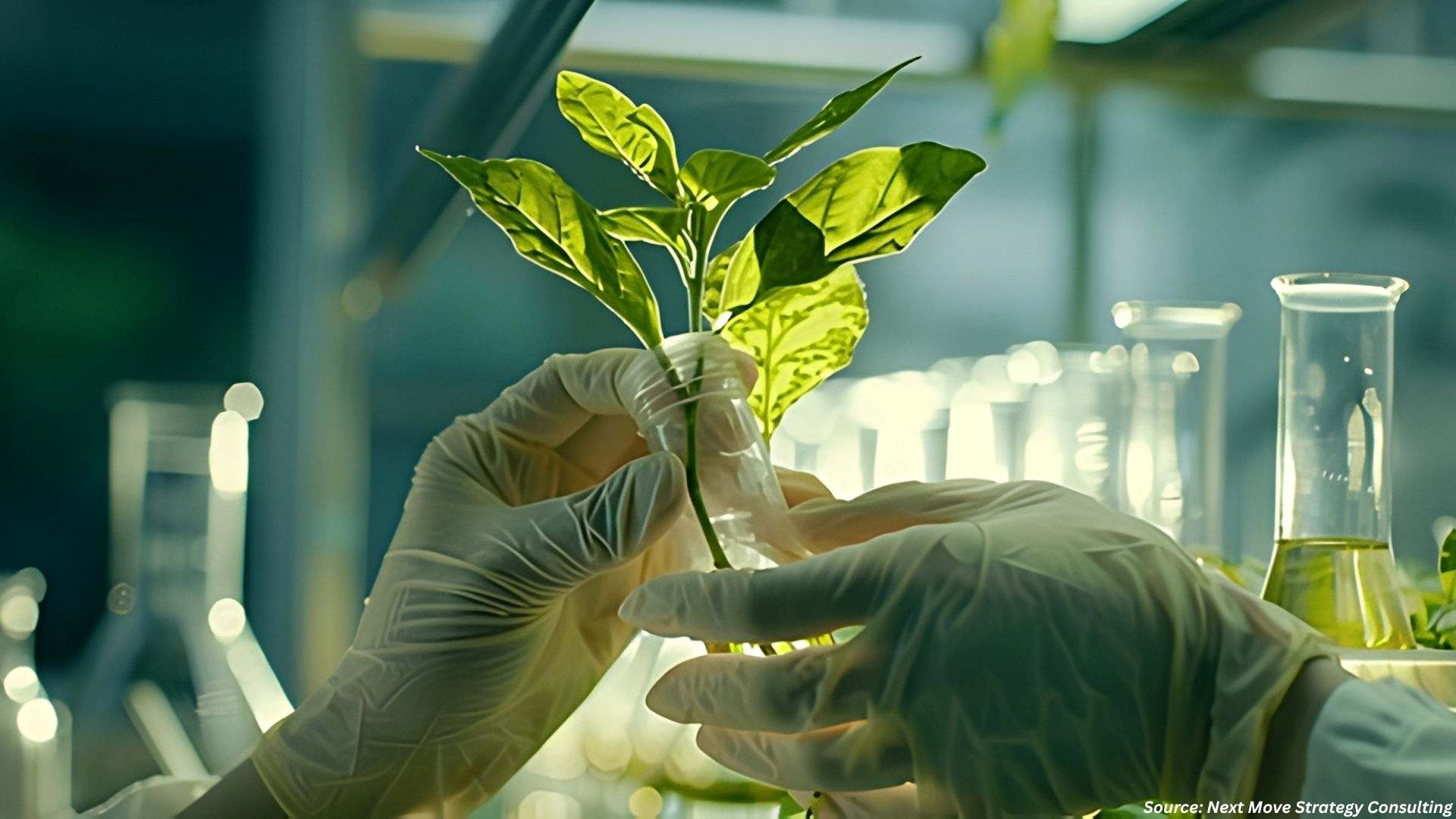
How Is Biotechnology Driving Global Drug Innovation?
While biotechnology is expanding into space, its most immediate impact remains in healthcare, where it is reshaping global drug innovation. China’s biotechnology sector, in particular, has experienced a rapid transformation over the past decade.
In 2024, more than 1,250 novel drugs were in development in China, a figure that nearly matches the United States at approximately 1,440 and surpasses the European Union. This shift highlights a significant redistribution of innovation capacity on a global scale.
Beyond volume, the quality of Chinese biotech innovation is also gaining recognition. Regulatory authorities such as the US Food and Drug Administration and the European Medicines Agency are increasingly granting Chinese-developed drugs priority review and fast-track designations. This reflects growing confidence in their scientific rigor and therapeutic potential.
Another defining advantage lies in efficiency. Clinical trials in China can recruit participants significantly faster, with early-stage trials for diseases such as cancer and obesity completing enrollment in nearly half the time compared to the United States. Combined with lower research costs, this enables companies to test multiple hypotheses simultaneously and accelerate innovation cycles.
What Are the Geopolitical Implications of Biotechnology Growth?
The expansion of biotechnology is not occurring in isolation. It is increasingly intertwined with global politics and economic strategy. As China strengthens its position in drug innovation, concerns are growing in the United States about maintaining leadership in a sector that is critical to both public health and national security.
Biotechnology is now viewed in a similar light to artificial intelligence and clean energy technologies, where leadership can translate into strategic advantage. Policymakers have begun exploring measures such as regulatory reforms and investment controls to strengthen domestic capabilities and reduce dependency on foreign-developed therapies.
At the same time, global pharmaceutical companies are actively partnering with Chinese firms, signing high-value deals to access promising drug candidates. This reflects a complex dynamic where competition and collaboration coexist, shaping a highly interconnected innovation ecosystem.
How Is Biotechnology Impact Distributed Across Key Sectors in 2025?
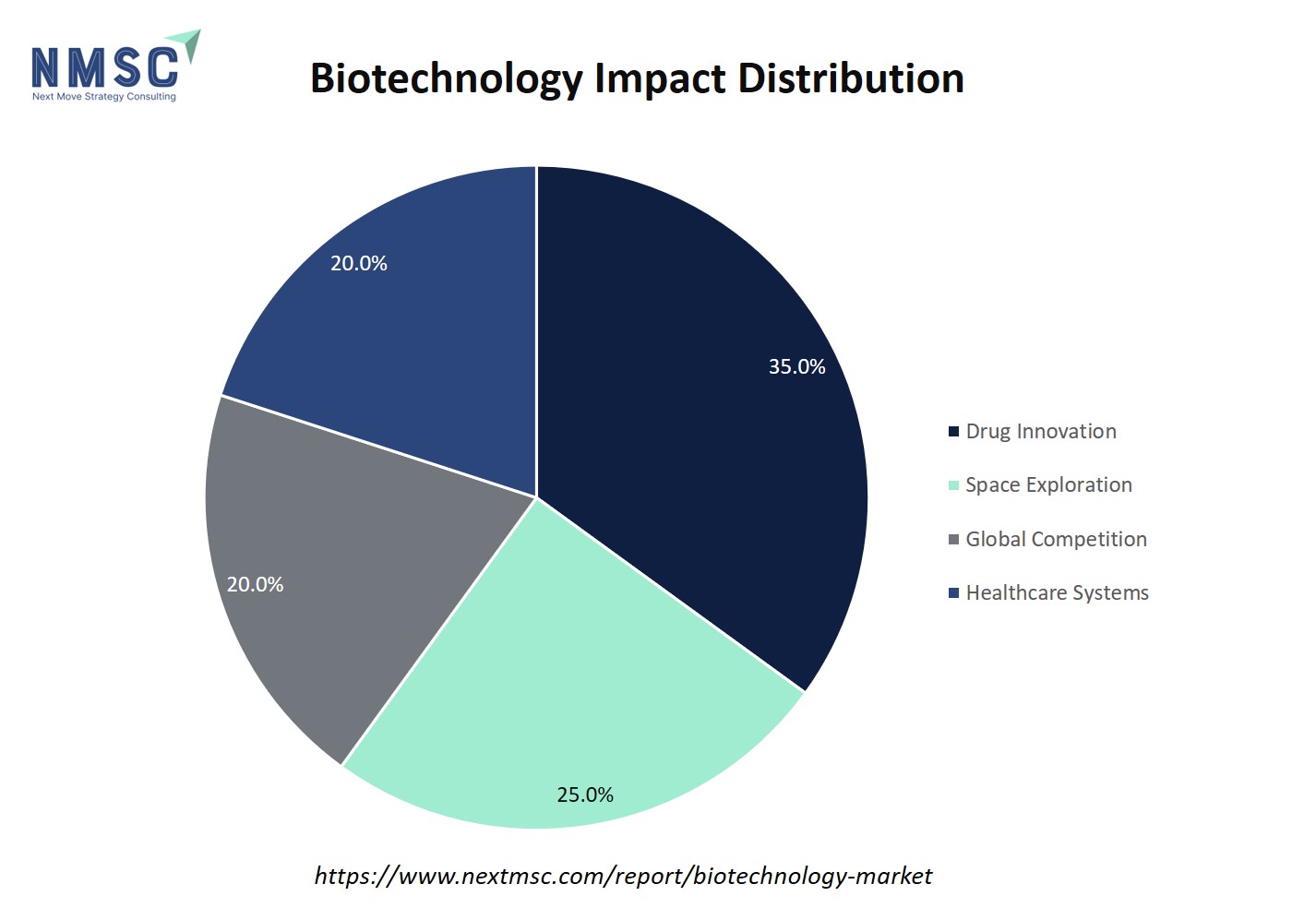
The pie chart illustrates how biotechnology is influencing four major domains in 2025, highlighting where its impact is strongest and how it is shaping global priorities.
The largest share, 35%, is attributed to drug innovation, indicating that healthcare remains the primary driver of biotechnology advancements. This reflects the rapid growth in drug development pipelines, especially with emerging global players accelerating research and approvals.
Space exploration accounts for 25%, showing a significant and growing role of biotechnology beyond Earth. This includes developments in sustaining human life through closed-loop biological systems and addressing health challenges in space environments.
Both global competition and healthcare systems hold 20% each, representing biotechnology’s broader strategic and systemic influence. The 20% share in global competition highlights its role in shaping geopolitical dynamics, particularly between leading economies. Meanwhile, the 20% in healthcare systems reflects improvements in efficiency, accessibility, and treatment delivery.
Major Trends Shaping the Present
Several clear trends define the current state of biotechnology. First, its application is expanding beyond traditional healthcare into areas such as space exploration, demonstrating its versatility. Second, innovation is becoming more geographically distributed, with Asia playing a larger role than ever before. Third, the pace of development is accelerating due to improvements in clinical trial efficiency and cost structures. Finally, increasing regulatory acceptance is reinforcing trust in new sources of innovation.
Biotechnology’s Dual Impact (2025)
|
Domain |
Key Impact Insight |
|
Space Exploration |
Enables sustainable human life systems |
|
Drug Innovation |
Accelerates global therapeutic development |
|
Global Competition |
Drives geopolitical strategy |
|
Healthcare Systems |
Improves efficiency and access |
What Does the Future Hold for Biotechnology?
Looking ahead, biotechnology is expected to become even more integrated into critical aspects of human advancement. In space exploration, it will form the backbone of life-support systems. In healthcare, it will continue to accelerate drug discovery and expand treatment possibilities.
However, the future will also require careful management of ethical considerations and regulatory alignment. As innovation becomes more global, ensuring consistent standards and equitable access will be essential. Additionally, the balance between international collaboration and strategic competition will shape how biotechnology evolves in the coming years.
How Are Leading Companies Strengthening Their Position in Biotechnology?
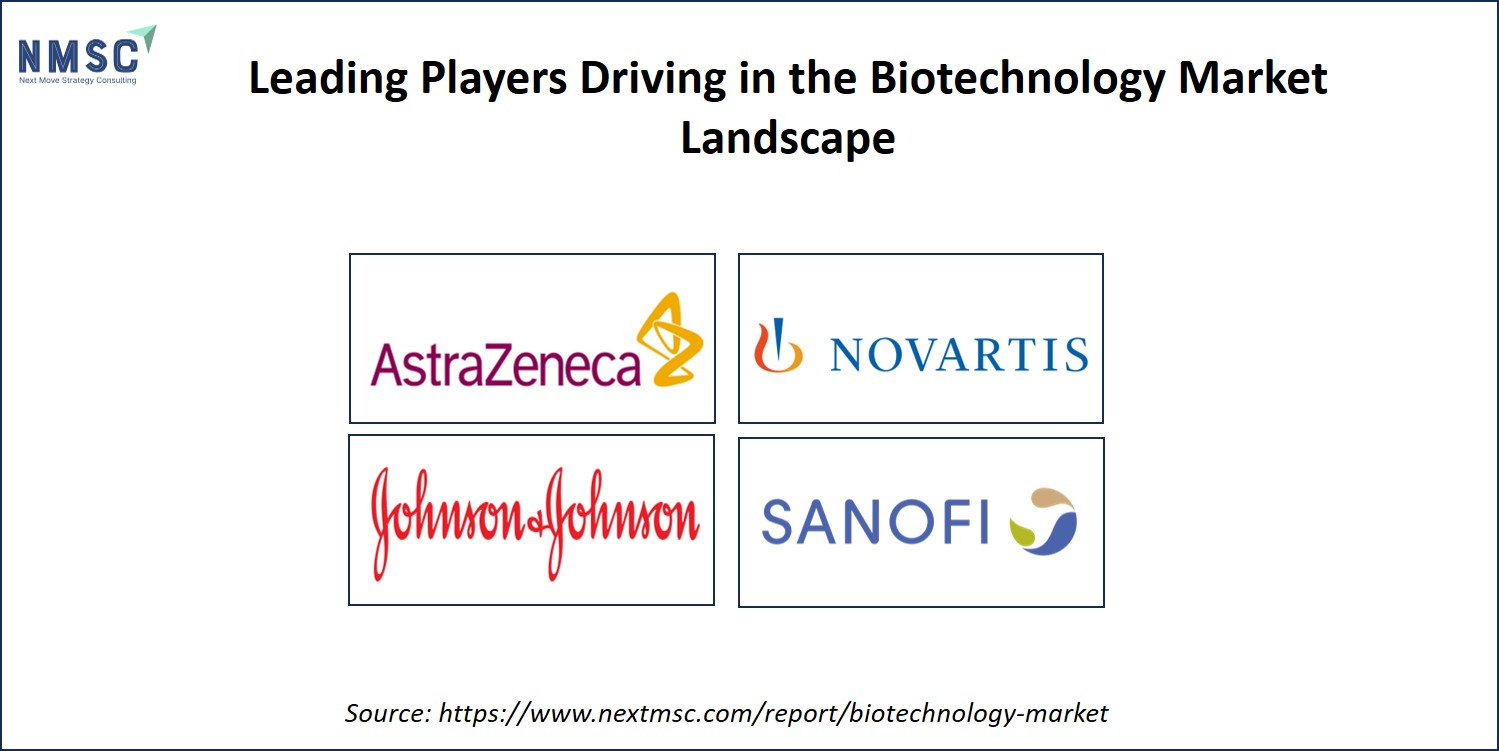
The biotechnology industry is shaped by major players such as Novo Nordisk, AstraZeneca, Johnson & Johnson, Pfizer, Novartis, Sanofi, Abbott, Gilead Sciences Inc, GSK, and Merck.
These companies are actively pursuing strategic initiatives, including acquisitions and regional investments, to strengthen their market presence and sustain leadership in the highly competitive global biotechnology landscape.
Next Steps
Organizations and policymakers should focus on strengthening research capabilities while ensuring that regulatory frameworks keep pace with innovation. Encouraging international collaboration will be critical, particularly in areas such as space biotechnology where shared expertise can accelerate progress. At the same time, stakeholders must remain aware of geopolitical dynamics and adapt strategies accordingly. Early adoption of biotechnology solutions across industries will also be essential to remain competitive in a rapidly evolving landscape.
-
Invest consistently in biotechnology research and development to stay competitive in both healthcare and emerging fields like space applications.
-
Strengthen regulatory frameworks to ensure safety, quality, and faster approvals across international markets.
-
Encourage cross-border collaboration to accelerate innovation, especially in complex areas such as space biotechnology.
-
Monitor geopolitical developments closely to align business and policy strategies with shifting global dynamics.
-
Adopt biotechnology solutions early across industries to improve efficiency, scalability, and long-term sustainability.
Final Thoughts
Biotechnology is redefining what is possible, from sustaining human life in space to transforming how drugs are developed and delivered. The developments observed in 2025 clearly show that it is no longer a niche scientific field. Instead, it has become a central pillar of global innovation, influencing economies, policies, and the future of humanity itself.
About the Author
 Sanyukta Deb
— Sanyukta Deb is Digital Marketing Team Lead at Next Move Strategy Consulting, where she has led content strategy and technical SEO for the firm's B2B market research publications for over 2 years. Her editorial process translates NextMSC's primary and secondary research — spanning technology, industrial, and consumer sectors — into commercial narratives, backed by search-intent, keyword, and competitive analysis. She brings 5 years of overall experience in digital marketing and content strategy.
Sanyukta Deb
— Sanyukta Deb is Digital Marketing Team Lead at Next Move Strategy Consulting, where she has led content strategy and technical SEO for the firm's B2B market research publications for over 2 years. Her editorial process translates NextMSC's primary and secondary research — spanning technology, industrial, and consumer sectors — into commercial narratives, backed by search-intent, keyword, and competitive analysis. She brings 5 years of overall experience in digital marketing and content strategy.
About the Reviewer
 Debashree Dey
— Debashree Dey is Assistant Manager at Next Move Strategy Consulting, where she supports cross-vertical market content and communications across diverse industries for 6 years. Her professional background includes senior content writing, communications, and published manuscript authorship, with experience developing audience-focused business narratives and maintaining clear, consistent messaging. Her role supports research-led content development and editorial quality across NextMSC publications.
Debashree Dey
— Debashree Dey is Assistant Manager at Next Move Strategy Consulting, where she supports cross-vertical market content and communications across diverse industries for 6 years. Her professional background includes senior content writing, communications, and published manuscript authorship, with experience developing audience-focused business narratives and maintaining clear, consistent messaging. Her role supports research-led content development and editorial quality across NextMSC publications.

















Add Comment