Autonomous Train Technology Is Reshaping the Future of Urban Rail

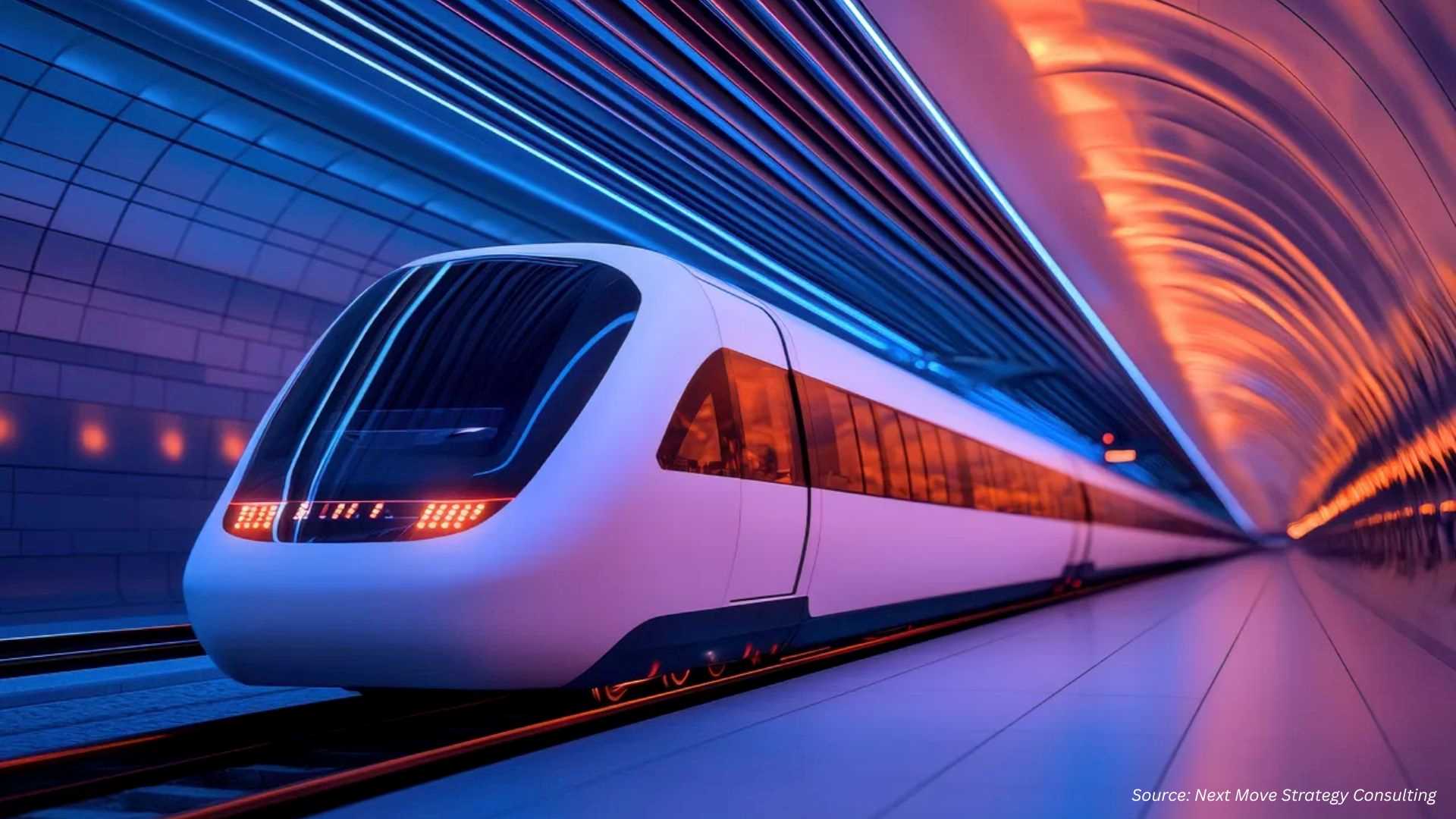
Urban mobility is entering a new phase of automation. Autonomous train systems are becoming a core part of next-generation metro infrastructure as cities seek safer, more efficient, and higher-capacity public transportation.
Recent developments highlight this shift. New driverless metro projects in India and Europe are integrating automated train operations, advanced signalling systems, and digital monitoring platforms to improve rail performance and passenger experience.
Projects involving global rail companies such as Alstom and Hitachi Rail demonstrate how automation is moving from pilot initiatives to large-scale deployments. These projects reflect how metro operators are adopting autonomous technologies to support growing urban populations and modernize public transport infrastructure.
Autonomous Train Technology: Understanding the Core Systems
Autonomous trains rely on a combination of advanced automation technologies and digital control systems to operate without direct human intervention.
One of the most important technologies used in modern driverless metro systems is Communications-Based Train Control (CBTC). CBTC enables continuous wireless communication between trains and signalling equipment along the track, allowing precise train positioning and safe distance management.
Unlike traditional rail signalling, CBTC systems allow trains to run closer together while maintaining safety. This capability improves line capacity and reduces waiting times for passengers.
Key Technologies Enabling Autonomous Train Operations
|
Technology |
Function |
|
CBTC signalling |
Enables real-time communication between trains and control systems |
|
Automated Train Operation (ATO) |
Controls train acceleration, braking, and station stopping |
|
Operations Control Centre |
Monitors train movement and network performance |
|
Digital monitoring systems |
Collect real-time performance and maintenance data |
In fully automated systems operating at Grade of Automation 4 (GoA4), trains can operate without drivers, with all operational tasks handled automatically by the control system.
According to our analysis at Next Move Strategy Consulting, CBTC signalling combined with GoA4 automation is becoming a foundational technology for modern metro networks, enabling safer and more efficient high-frequency rail operations.
Autonomous Train Deployment Expands in India’s Metro Infrastructure
India is rapidly integrating autonomous train technology into its expanding metro systems.
A major development is the Mumbai Metro Line 4 project, where Alstom will supply 39 driverless Metropolis trainsets, equivalent to 234 metro cars, along with advanced CBTC signalling technology and maintenance services.
Mumbai Metro Line 4 Project Overview
|
Project Parameter |
Details |
|
Line length |
35.3 km |
|
Stations |
32 |
|
Route |
Wadala – Kasarvadavali |
|
Train technology |
Driverless Metropolis trains |
|
Automation level |
GoA4 autonomous operation |
The metro trains will be designed at Alstom’s engineering center in Bengaluru and manufactured at the company’s Sri City facility in Andhra Pradesh as part of India’s Make in India initiative.
The project will use Urbalis Forward CBTC signalling, a system designed to optimize train spacing, improve safety, and support high-frequency metro operations.
The deployment of driverless trains is expected to improve reliability while supporting efficient passenger flow in one of India’s busiest metropolitan regions.
From our evaluation at Next Move Strategy Consulting, the Mumbai Metro Line 4 project demonstrates how emerging economies are increasingly adopting autonomous train technologies to expand metro capacity while improving operational efficiency.
Autonomous Train Innovation Accelerates in European Metro Networks
Automation is also advancing rapidly in Europe. A major example is the Turin Metro Line 2 project in Italy, where Hitachi Rail will deliver driverless trains and signalling technology.
Hitachi Rail secured a €481.6 million contract to design, manufacture, and deliver rolling stock and advanced signalling systems for the new metro line.
Turin Metro Line 2 Key Details
|
Parameter |
Details |
|
Contract value |
€481.6 million |
|
Line length |
Approximately 28 km |
|
Stations |
31 |
|
Passenger capacity per train |
404 passengers |
|
Automation level |
Fully driverless GoA4 |
Each train will include 68 seats and capacity for 336 standing passengers, along with dedicated spaces for bicycles and passengers with reduced mobility.
The trains will also integrate HMAX digital asset management technology, which monitors equipment performance and infrastructure conditions in real time. This system helps improve maintenance planning and reduce operational disruptions.
The first operational section of Turin Metro Line 2 is expected to begin service in 2033.
Our research team at Next Move Strategy Consulting observed that the Turin project highlights how automation and digital monitoring platforms are increasingly being combined to improve operational reliability and long-term asset management in metro networks.
According to Next Move Strategy Consulting: Industry Impact
Autonomous train technology is gaining traction across global rail markets as metro operators seek to improve capacity, safety, and operational efficiency.
Several key trends are driving this transition:
-
Rapid urban population growth increasing demand for reliable transit
-
Expansion of metro infrastructure in major cities
-
Integration of digital monitoring platforms into rail operations
-
Growing emphasis on sustainable and low-emission transportation systems
Driverless trains allow metro systems to operate with shorter intervals between trains, increasing passenger capacity while maintaining safety.
Based on insights developed by Next Move Strategy Consulting, the adoption of autonomous trains represents a long-term transformation in urban rail infrastructure, with automation expected to become a standard feature in future metro projects worldwide.
Key Advantages of Autonomous Train Systems
|
Advantage |
Industry Impact |
|
Higher operational efficiency |
Automated systems allow optimized train schedules |
|
Improved safety |
Reduced human operational errors |
|
Increased passenger capacity |
Trains can run closer together using CBTC |
|
Predictive maintenance |
Digital monitoring helps detect issues early |
|
Better passenger experience |
Reliable services and reduced delays |
These benefits explain why more cities are exploring driverless rail technologies as part of long-term transportation planning.
Next Steps: What Industry Stakeholders Should Focus On
To fully leverage the benefits of autonomous rail technology, stakeholders should consider the following strategic actions:
-
Invest in CBTC signalling infrastructure to enable automated train operations.
-
Adopt digital monitoring systems to support predictive maintenance.
-
Develop workforce training programs for automated rail systems management.
-
Strengthen urban transport planning to integrate automation into new metro lines.
-
Encourage collaboration between governments and technology providers to accelerate autonomous rail adoption.
Final Takeaway
Autonomous trains are rapidly transitioning from experimental technology to mainstream infrastructure in urban transportation.
Recent developments in Mumbai and Turin demonstrate how driverless metro systems, advanced signalling platforms, and digital monitoring technologies are reshaping the global rail landscape.


















Add Comment