How Are Electric Off-Road Vehicles Reshaping Adventure Mobility?
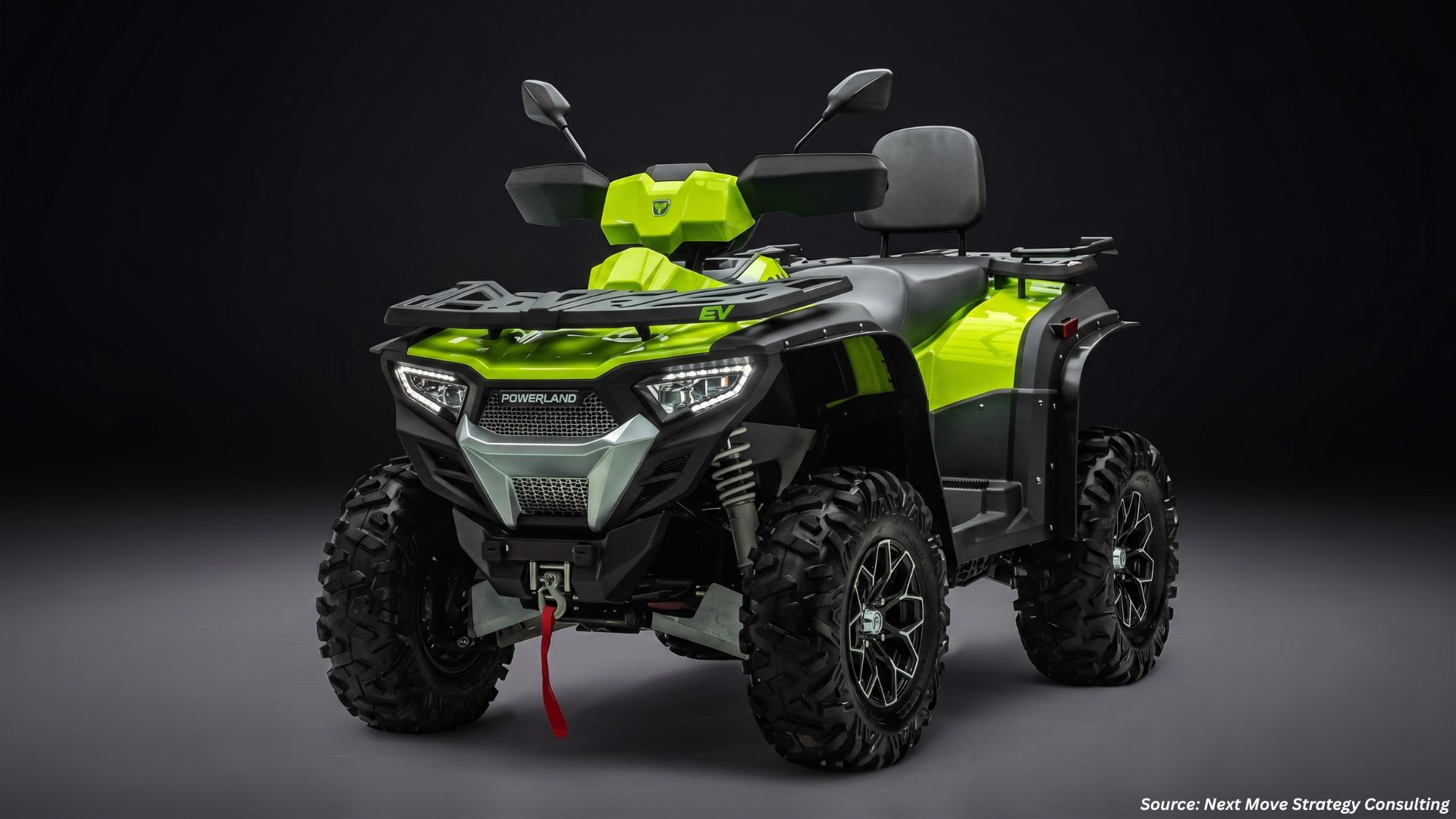
The Electric ATV & UTV Market is experiencing a significant transformation as electric all-terrain vehicles (ATVs) and utility terrain vehicles (UTVs) gain attention across tourism, agriculture, recreation, and public safety sectors. Manufacturers are no longer treating electric mobility as an experimental category. Instead, companies are actively developing quieter, cleaner, and more efficient vehicles designed for practical use in real-world environments.
How Is Electric Innovation Changing Off-Road Vehicles?
Electric-powered ATVs and UTVs are increasingly being recognized for their operational advantages compared to traditional gasoline-powered machines. DRR USA, an Ohio-based manufacturer, has positioned itself as a key player in this transition by developing electric ATVs focused on quiet operation, lower maintenance, and zero emissions.
According to Ideastream Public Media, the company initially explored electric mobility in 2018 during a search-and-rescue situation involving a child with autism. The founders believed quieter vehicles could help avoid startling vulnerable individuals during rescue operations. That experience pushed the company toward electric vehicle development and eventually opened new commercial opportunities.
Today, DRR USA supplies electric ATVs to vineyards, farmers, eco-tourism operators, and government organizations. One of its notable international projects includes supplying electric Safari ATVs to Mystic Mountain adventure park in Jamaica. The vehicles were customized with larger batteries, power steering, and a 65-mile range before charging. Their quiet performance also allows operators to navigate rainforest trails without heavily disturbing wildlife.

Why Are Global Manufacturers Expanding into Electric ATVs and UTVs?
The electric off-road industry is also becoming increasingly global. At EICMA 2025, SWM introduced a complete lineup of ATVs, UTVs, and hybrid off-road machines as part of its broader expansion strategy.
SWM combines Italian design influence with Chinese manufacturing capabilities. This business model reflects a wider industry trend in which manufacturers are leveraging international production networks to improve engineering, scale manufacturing, and expand distribution.
RideApart noted that Chinese-backed brands are no longer simply competing on affordability. Many are investing heavily in research and development, advanced engineering, and global market presence. Companies are increasingly focused on building vehicles that combine reliability, modern technology, and strong performance standards.
This shift indicates that electric and hybrid off-road mobility is entering a more mature phase where manufacturers are prioritizing long-term competitiveness rather than short-term experimentation.

What Challenges Are Slowing Industry Growth?
Despite rising demand, the electric ATV and UTV sector continues to face several operational and economic challenges.
DRR USA reported difficulties securing lithium-ion battery supplies because many overseas suppliers prioritize larger production orders. The company also highlighted the impact of tariffs, rising commercial real-estate costs, and supply-chain disruptions that emerged during the pandemic period.
Pricing remains another important factor. Electric ATVs are often several thousand dollars more expensive than gasoline-powered alternatives. While electric vehicles generally require less maintenance due to fewer moving components, the higher upfront cost can slow broader adoption.
Charging infrastructure and battery limitations also continue to influence purchasing decisions. Although electric drivetrains provide instant torque and smooth acceleration, operating range and charging time still affect long-distance or heavy-duty usage.
At the same time, competition within the sector is intensifying as larger manufacturers enter the electric off-road category. Smaller companies must continue innovating while managing cost pressures and limited production capacity.
How Is Eco-Tourism Supporting Electric Off-Road Adoption?
Eco-tourism has emerged as one of the strongest growth opportunities for electric off-road vehicles. Quiet electric drivetrains allow operators to provide immersive outdoor experiences without generating the noise and emissions associated with traditional fuel-powered vehicles.
DRR USA’s partnership with Mystic Mountain in Jamaica illustrates how tourism businesses are adopting electric mobility to align with sustainability goals while improving visitor experiences. The company’s customized electric Safari ATVs were designed specifically for rainforest terrain and tourist safety requirements.
The ability to reduce noise pollution is especially valuable in ecologically sensitive areas where wildlife preservation is a priority. Electric vehicles also eliminate fuel handling requirements, helping simplify operations for tourism providers.
Industry experts involved in Cleveland State University’s GlobalTarget export program identified eco-tourism as a particularly promising international growth segment for electric off-road vehicles.
What Could Shape the Future of Electric Off-Road Mobility?
The future of electric off-road transportation will likely depend on how quickly manufacturers can improve battery supply stability, reduce production costs, and expand charging efficiency. As more companies enter the market, product reliability and customer support may become major competitive differentiators.
DRR USA’s growth demonstrates how smaller manufacturers can succeed by focusing on specialized applications and personalized service. Meanwhile, companies such as SWM are showing how international manufacturing partnerships can accelerate expansion into global markets.
Electric ATVs and UTVs are no longer viewed solely as alternative recreational vehicles. They are increasingly becoming part of broader conversations around sustainability, eco-tourism, utility mobility, and next-generation transportation solutions.
Major Companies Driving Innovation in the Electric ATV & UTV Market
The Electric ATV & UTV Market is witnessing growing competition as manufacturers focus on advancing electric off-road mobility through improved performance, sustainability, and utility-focused vehicle platforms. Key companies shaping the industry include CLUB CAR, Deere & Company, Polaris Inc., CFMOTO, Landmaster, Powerland, Alke, DRR USA, HuntVe, Christini, Corvus, Volcon, Eco Charger Quads, and Tesla. These companies are contributing to the expansion of electric off-road transportation through innovations in battery technology, vehicle durability, eco-tourism applications, and utility-driven mobility solutions.

Next Steps
Businesses and operators exploring electric off-road mobility should focus on evaluating application-specific benefits rather than only comparing purchase prices. Eco-tourism providers, agricultural operators, and public safety organizations may particularly benefit from quieter and lower-maintenance vehicle platforms.
Manufacturers will also need to strengthen supply-chain resilience, invest in scalable battery sourcing, and continue improving charging efficiency to support long-term market growth.
-
Evaluate electric ATVs and UTVs for eco-tourism, agriculture, and public safety operations where quieter performance offers operational advantages.
-
Compare long-term maintenance and operating costs instead of focusing only on upfront vehicle pricing.
-
Monitor advancements in battery range and charging efficiency before expanding large-scale electric fleets.
-
Build partnerships with international distributors and tourism operators to explore new market opportunities.
-
Prioritize manufacturers that offer customization, technical support, and reliable after-sales service.
About the Author
 Tania Dey
— Tania Dey is a content writer specializing in transformation-led, insight-driven storytelling. She develops research-backed, high-impact content aligned with evolving business priorities, digital behavior, and audience expectations. Her work helps organizations sharpen value propositions, strengthen visibility, and communicate strategic intent with clarity and precision. Grounded in data-informed storytelling, she brings a strong focus on relevance, consistency, and measurable digital impact across platforms.
Tania Dey
— Tania Dey is a content writer specializing in transformation-led, insight-driven storytelling. She develops research-backed, high-impact content aligned with evolving business priorities, digital behavior, and audience expectations. Her work helps organizations sharpen value propositions, strengthen visibility, and communicate strategic intent with clarity and precision. Grounded in data-informed storytelling, she brings a strong focus on relevance, consistency, and measurable digital impact across platforms.
About the Reviewer
 Sanyukta Deb
— Sanyukta Deb is Digital Marketing Team Lead at Next Move Strategy Consulting, where she has led content strategy and technical SEO for the firm's B2B market research publications for over 2 years. Her editorial process translates NextMSC's primary and secondary research — spanning technology, industrial, and consumer sectors — into commercial narratives, backed by search-intent, keyword, and competitive analysis. She brings 5 years of overall experience in digital marketing and content strategy.
Sanyukta Deb
— Sanyukta Deb is Digital Marketing Team Lead at Next Move Strategy Consulting, where she has led content strategy and technical SEO for the firm's B2B market research publications for over 2 years. Her editorial process translates NextMSC's primary and secondary research — spanning technology, industrial, and consumer sectors — into commercial narratives, backed by search-intent, keyword, and competitive analysis. She brings 5 years of overall experience in digital marketing and content strategy.


















Add Comment