Can Breakthroughs in Organ Transplantation Transform Global Healthcare?
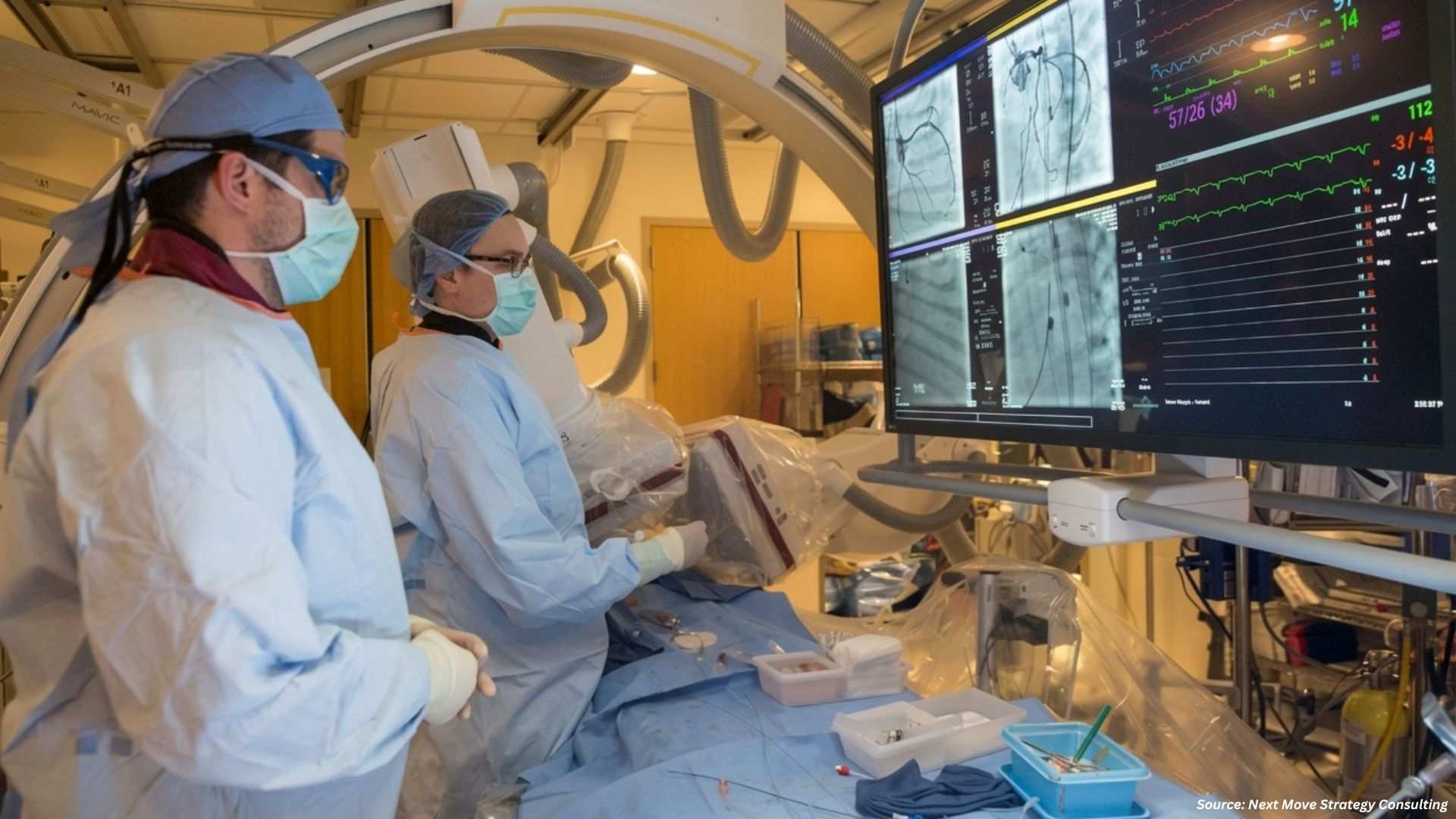
Organ transplantation has always operated under intense time pressure, limited availability, and complex logistics. However, recent advancements from China and Canada are reshaping how medical professionals approach this life-saving field. These developments are not just incremental improvements; they represent a shift toward making transplantation more efficient, accessible, and reliable.
This blog explores the latest verified breakthroughs and what they mean for the future of global healthcare.
Understanding the Core Limitation in Organ Transplantation
One of the most critical challenges in transplantation is the extremely short lifespan of organs outside the human body. Once removed, organs begin to deteriorate rapidly, which restricts both their usability and transport.
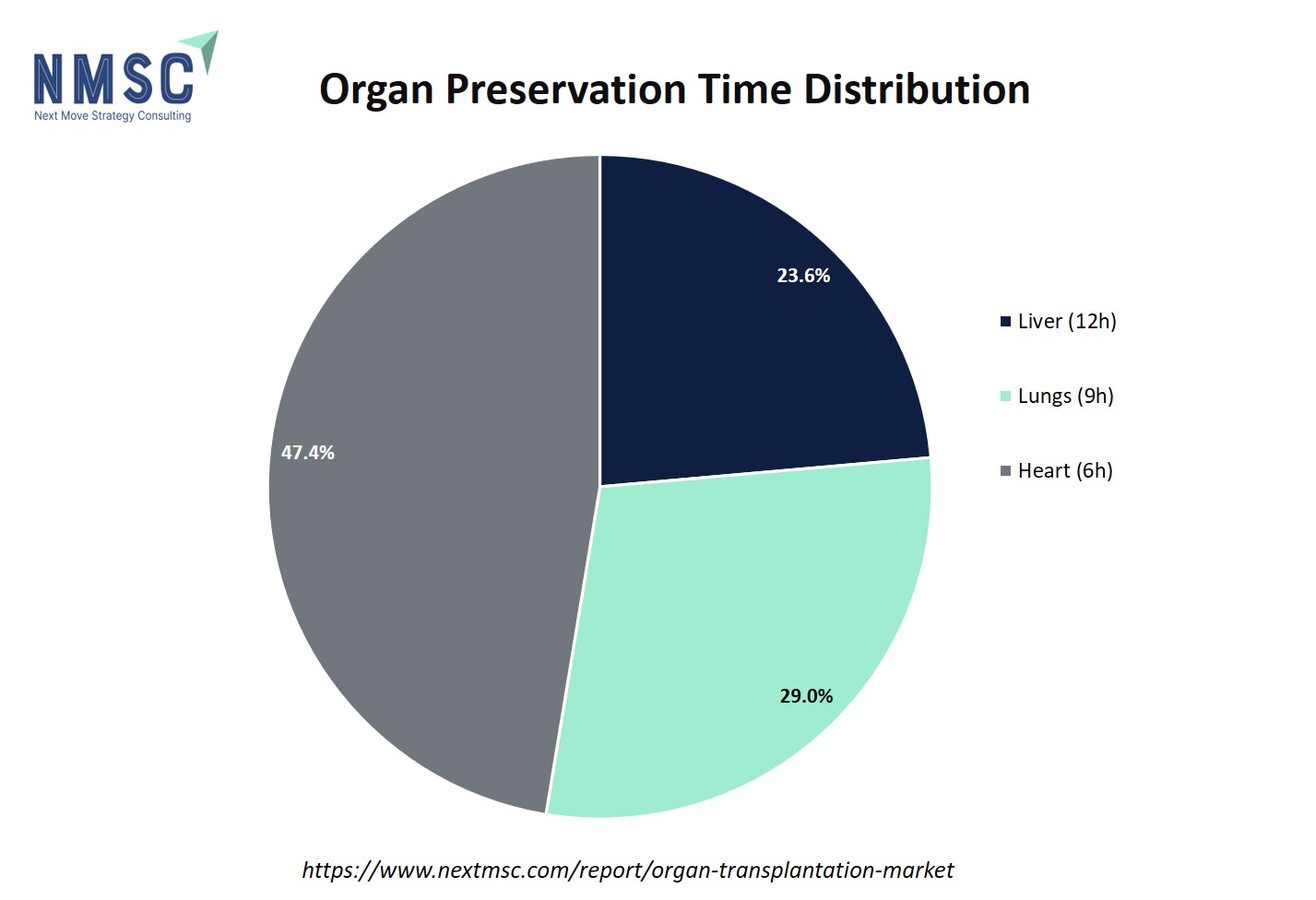
At present, preservation windows remain highly constrained. Hearts must typically be transplanted within about six hours, lungs within nine hours, livers within twelve hours, and kidneys within twenty-four hours.
Because of these limitations, transplantation often becomes an emergency procedure rather than a planned intervention. Hospitals must act quickly, transportation options are limited, and many potentially viable organs are ultimately discarded due to timing constraints. The short preservation window remains a fundamental barrier that directly impacts transplant success rates and organ utilization.
How New Technologies Are Transforming Organ Transplantation
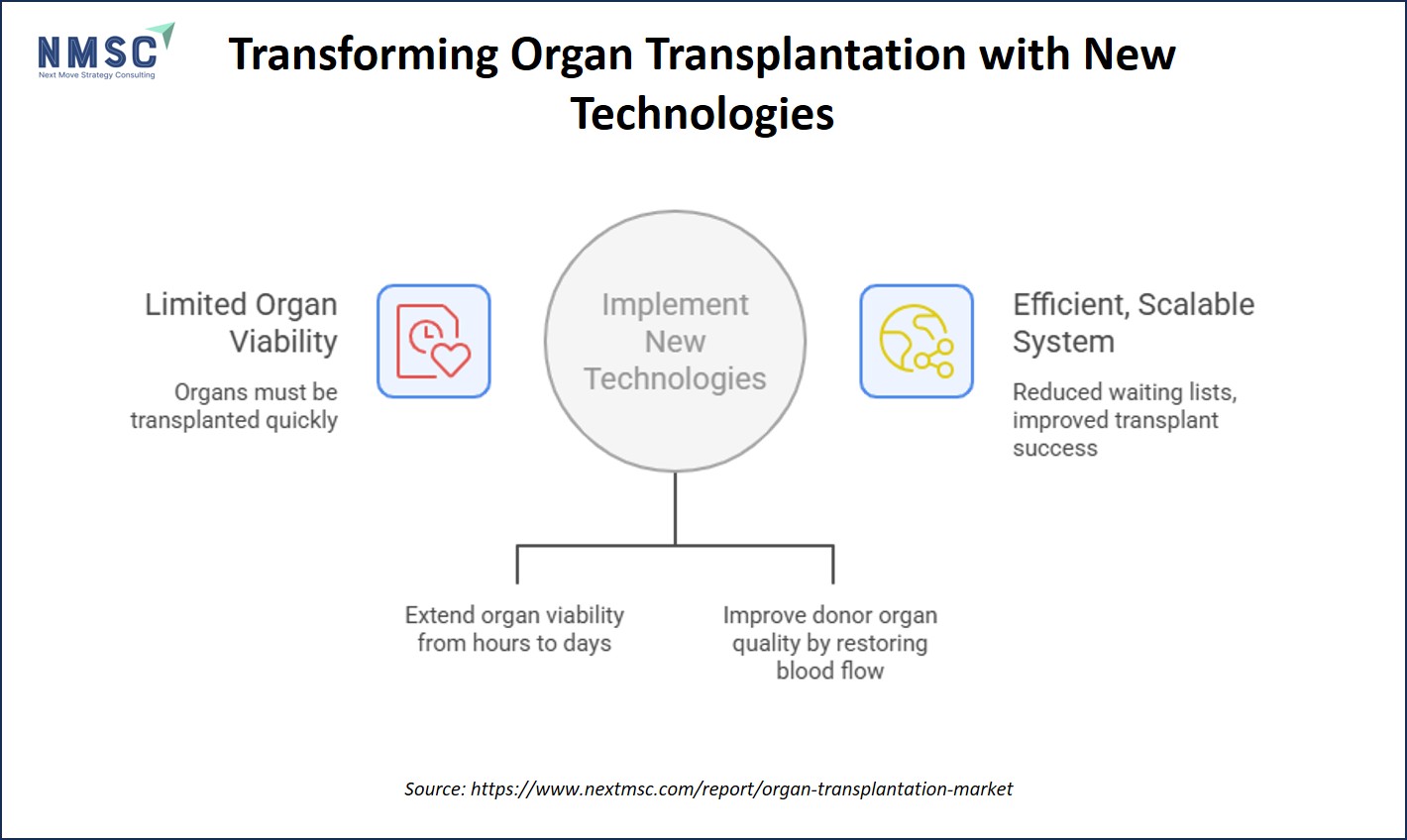
Recent advancements in organ transplantation are addressing one of the field’s biggest challenges: limited organ viability. Traditionally, organs such as the heart and lungs must be transplanted within hours, restricting both transport and successful usage. New cryopreservation techniques are extending this window from hours to days, enabling better planning and reducing organ wastage.
At the same time, innovations like abdominal normothermic regional perfusion (A-NRP) are improving the quality of donor organs. By restoring oxygen and blood flow after circulatory death, this technique helps recover organs that would otherwise be unsuitable for transplantation. This directly increases the number of viable organs available for patients in need.
Together, these breakthroughs are reshaping the transplantation ecosystem. Extended preservation allows global sharing of organs, while improved recovery techniques enhance transplant success rates. The combined impact is a more efficient, scalable, and life-saving system that has the potential to significantly reduce waiting lists worldwide.
China’s Cryopreservation Breakthrough and Its Global Potential
A team of researchers in China has developed a novel cryopreservation technique that could significantly extend how long organs remain viable. This approach involves vitrification, a process that freezes organs at extremely low temperatures without forming damaging ice crystals.
In experimental settings, animal kidneys were successfully preserved at minus 150°C for up to seven days and later revived for transplantation. Additionally, heart preservation in laboratory conditions has been extended from six hours to twenty-four hours. The technology relies on a controlled perfusion system that regulates temperature and oxygen flow while introducing cryoprotectants to prevent cellular damage. This precise control is essential for maintaining organ integrity during freezing and revival.
If this method progresses to human trials and clinical adoption, it could fundamentally change how organ transplantation is conducted. Instead of operating under strict time constraints, medical teams could plan procedures more effectively, and organs could be transported across much greater distances.
A particularly striking insight from the study suggests that if even half of currently discarded donor hearts in the United States were preserved and utilized, waiting lists could potentially be eliminated within two to three years.
Cryopreservation has the potential to shift transplantation from an emergency-driven process to a more structured and globally connected system.
Current vs Advanced Organ Preservation Capabilities
|
Organ Type |
Current Preservation Time |
Advanced Research Capability |
Key Limitation |
|
Heart |
~6 hours |
Up to 24 hours |
Highest discard rate due to short lifespan |
|
Lungs |
~9 hours |
Not specified |
Limited transport time |
|
Liver |
~12 hours |
Not specified |
Time-sensitive transplantation |
|
Kidneys |
~24 hours |
Up to 7 days (animal studies) |
Storage limitations in clinical settings |
Advancing Organ Transplantation Through Innovation
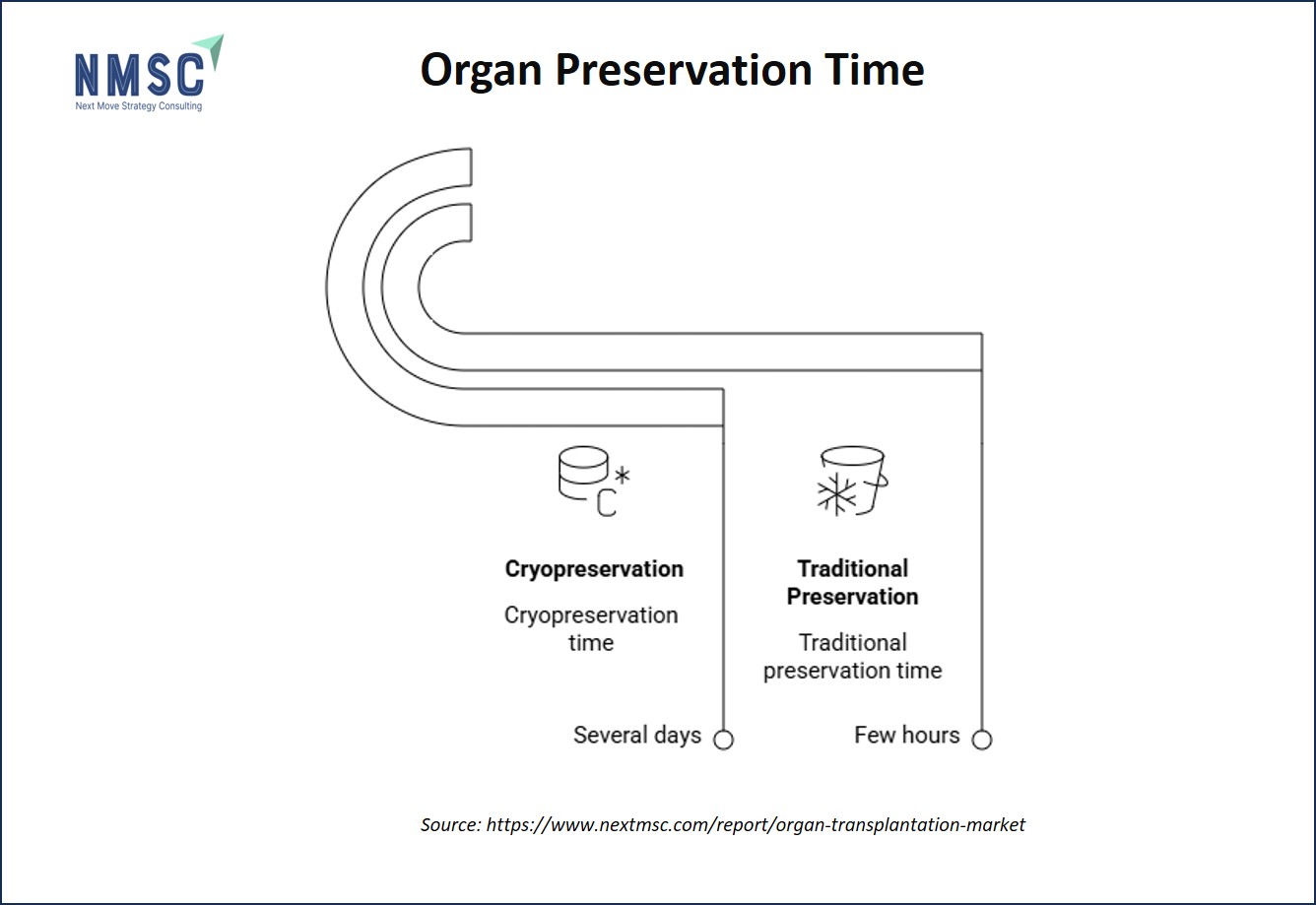
Modern organ transplantation is evolving rapidly as new technologies aim to overcome time-sensitive limitations. Traditional preservation methods restrict organ use to a few hours, often leading to high discard rates. Emerging cryopreservation techniques now allow organs to be stored at ultra-low temperatures for several days, creating new possibilities for long-distance transport and better donor-recipient matching.
Another major advancement focuses on improving organ condition rather than storage time. Techniques like abdominal normothermic regional perfusion (A-NRP) restore oxygen and blood flow to organs after circulatory death, reducing damage caused during the dying process. This approach increases the likelihood that more donated organs can be successfully transplanted.
These innovations are collectively redefining the transplantation landscape. By combining extended preservation with enhanced organ recovery, healthcare systems can improve efficiency, expand the donor pool, and deliver better patient outcomes. This integrated approach marks a significant step toward addressing global organ shortages.
Ethical and Practical Considerations of Extended Organ Storage
While the benefits of extended organ preservation are substantial, the development also raises important ethical and logistical concerns. Increasing the time window for organ storage could unintentionally create opportunities for misuse, particularly in regions where illegal organ trade already exists.
Reports referenced in the research highlight that organ trafficking networks, especially in parts of Southeast Asia, operate within complex criminal ecosystems. The World Health Organization has also acknowledged that organ shortages can contribute to illegal activities, including trafficking. Additionally, the cost of implementing such advanced preservation systems may limit access, especially in lower-resource healthcare settings. The technology is also still in the experimental phase, meaning its safety and effectiveness in human applications remain to be validated.
The Future of Organ Transplantation Innovation
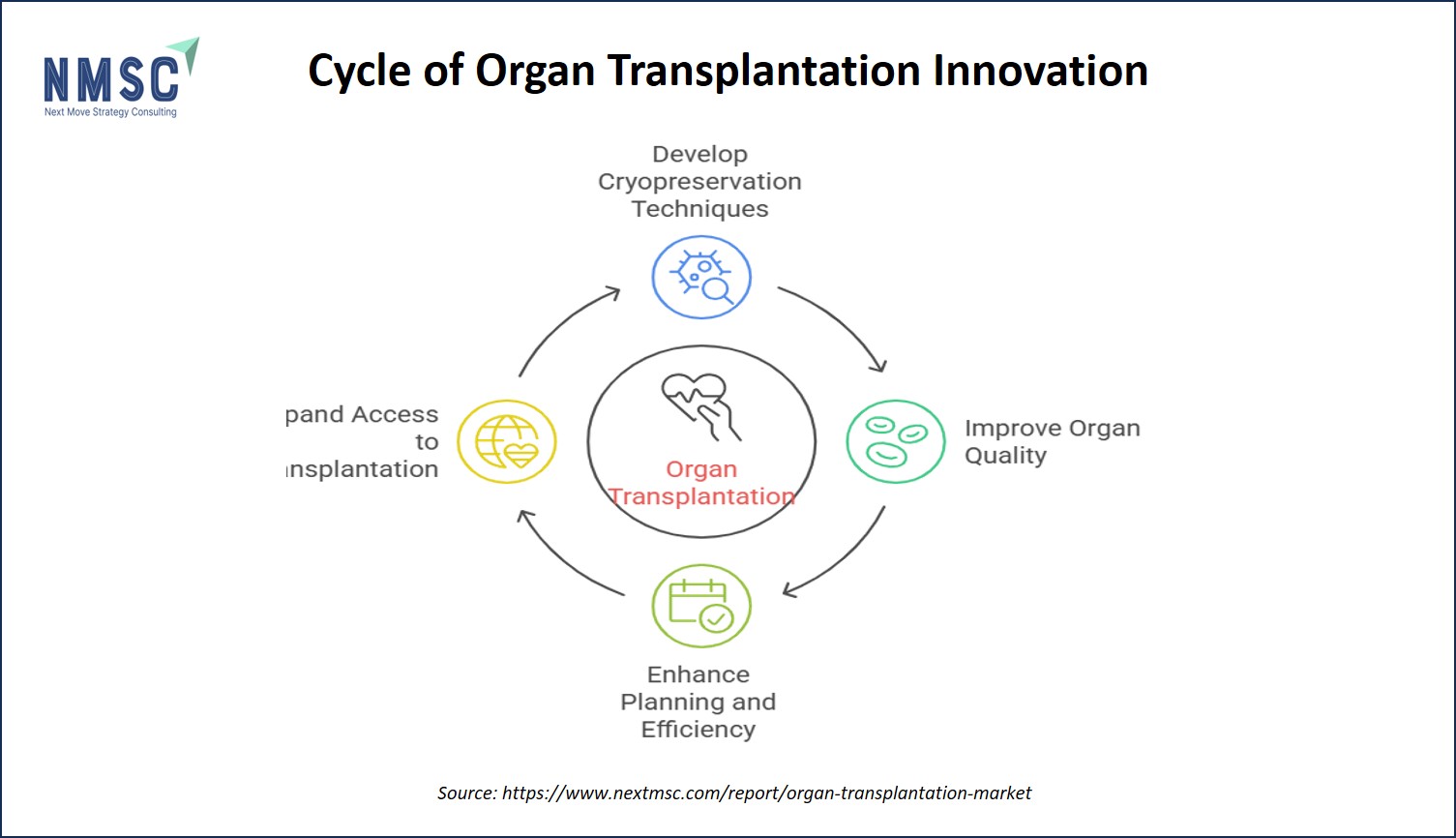
Organ transplantation is undergoing a major transformation as researchers develop solutions to extend organ usability and improve transplant success rates. One of the most significant limitations has been the short preservation window, which forces rapid decision-making and limits how far organs can be transported. With new cryopreservation techniques, organs can now potentially be stored for several days, allowing for better coordination and reduced wastage.
In addition to preservation, improving organ quality has become a key focus area. Techniques such as abdominal normothermic regional perfusion (A-NRP) help restore blood circulation and oxygen supply to organs after circulatory death. This process minimizes damage and increases the chances of successful transplantation, particularly for organs that were previously considered too risky to use.
These technological advancements are helping shift transplantation from an emergency-driven procedure to a more planned and efficient system. Hospitals can better align surgical teams, match donors and recipients more accurately, and improve overall outcomes through enhanced preparation and timing.
Another important impact of these innovations is the potential to expand access to transplantation. By increasing both the number and usability of available organs, more patients can receive timely treatment. This is especially critical in regions where organ shortages remain a significant healthcare challenge.
Canada’s A-NRP Technique Improving Organ Viability
In contrast to extending preservation time, Canada has focused on improving the quality of organs after donor death. A groundbreaking technique known as abdominal normothermic regional perfusion (A-NRP) is being used to restore blood flow to organs after circulatory death.
This method works by reintroducing oxygenated blood into abdominal organs, effectively rewarming them and reducing damage caused by oxygen deprivation. By doing so, it enhances the likelihood that these organs can be successfully transplanted. The need for such innovation is clear. After circulatory death, organs often suffer from a condition known as warm ischemia, where the lack of oxygen damages cellular function. Traditionally, this has made many organs unsuitable for transplantation. A-NRP directly addresses this issue by restoring circulation and stabilizing the organs before transplantation. A-NRP represents a practical and immediate improvement in transplant success by increasing the usability of organs that would otherwise be discarded.
Organ Transplantation Data and Techniques in Canada
|
Category |
Data / Insight |
Explanation |
|
Total Transplants |
3,400+ |
Total number of organ transplants performed in 2023 |
|
Deceased Donor Transplants |
83% |
Majority of transplants rely on deceased donors |
|
Living Donor Transplants |
17% |
Smaller but significant contribution |
|
Brain Death Donations |
67% |
More reliable due to maintained organ function |
|
Circulatory Death Donations |
27% |
Higher risk due to oxygen loss |
|
A-NRP Technique |
Restores blood flow post-death |
Improves organ viability and transplant success |
Extending Organ Preservation: From Hours to Days
This passage highlights a critical limitation in organ transplantation: the extremely short time organs remain viable outside the human body. Currently, the heart has the shortest preservation window at around six hours, which often leads to a high discard rate. Other organs such as lungs, liver, and kidneys have slightly longer timeframes, but even these are limited to less than a day. Because of this, transplantation must be carried out urgently, restricting how far organs can be transported and making it difficult to plan surgeries in advance.
To overcome these constraints, countries rely on rapid transportation methods. For example, helicopters are used in the United States, while high-speed trains are used in China to move organs quickly. Despite these efforts, the limited preservation time still forces transplants to function more like emergency procedures rather than scheduled medical treatments, reducing efficiency and increasing the risk of organ wastage.
The research mentioned introduces a potentially transformative solution. Scientists in China have developed a cryopreservation method that allows animal kidneys to be frozen at extremely low temperatures (−150°C) for up to seven days and later revived successfully for transplantation. This breakthrough suggests that, in the future, organs could be stored for much longer periods, enabling better planning, wider transport networks, and ultimately saving more lives by increasing the number of usable organs.
Insights from Canada’s Recent Transplant Data
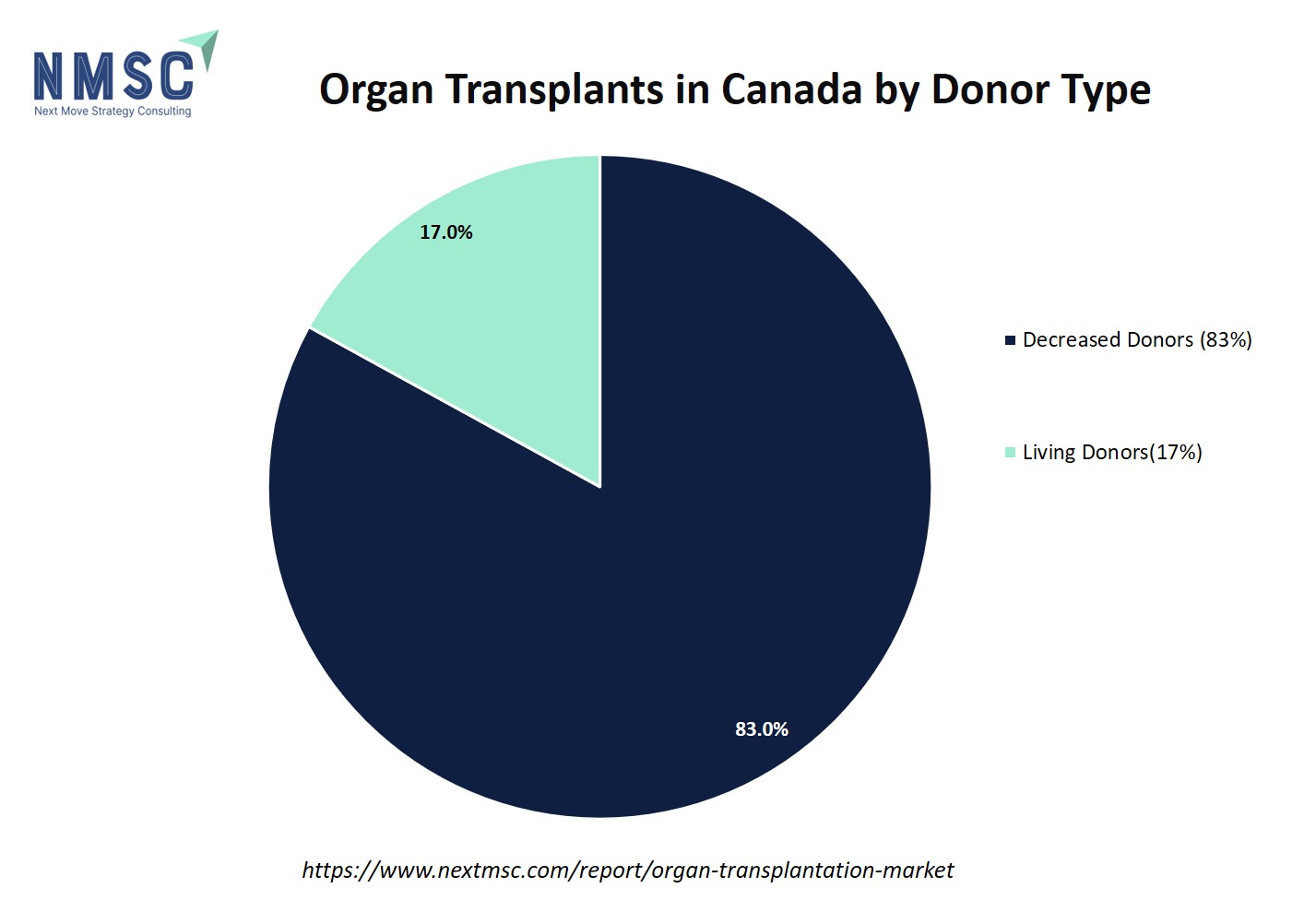
Recent data further highlights the importance of improving organ viability. In 2023, Canada performed more than 3,400 organ transplants. Of these, 83% involved deceased donors, while 17% came from living donors. Among deceased donors, 67% were cases of brain death, and 27% involved circulatory death.
These figures illustrate both the reliance on deceased donors and the untapped potential within circulatory death cases. Since organs from circulatory death donors are more prone to damage, techniques like A-NRP could significantly increase the number of usable organs.
Enhancing organ viability after circulatory death can meaningfully expand the donor pool and improve patient outcomes.
Complementary Innovations Driving the Future
The breakthroughs in China and Canada approach the same challenge from different perspectives. One focuses on extending how long organs can be stored, while the other improves the condition of organs before transplantation.
Together, these innovations could create a more robust transplantation ecosystem. Extended preservation allows for better logistics and planning, while improved recovery techniques ensure that more organs are viable in the first place.
This combination has the potential to reduce waiting lists, improve survival rates, and make transplantation more accessible on a global scale.
Key Players Driving Innovation in Organ Transplantation
The organ transplantation industry is supported by a range of major companies, including AbbVie Inc., BioLife Solutions Inc., Medtronic plc, Arthrex Inc., Zimmer Biomet Holdings Inc., 21st Century Medicine, Novartis AG, Stryker Corporation, Teva Pharmaceutical Industries Ltd., and Veloxis Pharmaceuticals, Inc., among others. These organizations are actively strengthening their market position through strategic initiatives such as new product developments, technological advancements, and acquisitions, enabling them to remain competitive and expand their influence within the evolving transplantation landscape.
What Lies Ahead for Organ Transplantation
The future of Organ Transplantation Market is moving toward greater efficiency and scalability. With continued research and clinical validation, it is possible to envision a system where organ shortages are significantly reduced, and transplants are no longer constrained by time and geography.
However, progress will depend on several factors, including regulatory approvals, ethical safeguards, and the ability to make these technologies accessible across different healthcare systems.
Next Steps
-
Healthcare institutions should evaluate emerging preservation and perfusion technologies for clinical integration
-
Researchers should prioritize human trials to validate long-term safety and effectiveness
-
Policymakers must establish strict regulations to prevent misuse and ensure ethical compliance
-
Hospitals can invest in infrastructure that supports advanced organ preservation techniques
-
Public awareness initiatives should continue to promote organ donation as a critical component of the system
Final Perspective
Organ transplantation is entering a transformative phase where long-standing limitations are being actively challenged by scientific innovation. For decades, the field has been constrained by narrow preservation windows, logistical barriers, and a persistent shortage of viable organs. The recent advancements from China and Canada demonstrate that these challenges are no longer insurmountable but are instead being systematically addressed through targeted, evidence-based approaches.
About the Author
 Sanyukta Deb
— Sanyukta Deb is Digital Marketing Team Lead at Next Move Strategy Consulting, where she has led content strategy and technical SEO for the firm's B2B market research publications for over 2 years. Her editorial process translates NextMSC's primary and secondary research — spanning technology, industrial, and consumer sectors — into commercial narratives, backed by search-intent, keyword, and competitive analysis. She brings 5 years of overall experience in digital marketing and content strategy.
Sanyukta Deb
— Sanyukta Deb is Digital Marketing Team Lead at Next Move Strategy Consulting, where she has led content strategy and technical SEO for the firm's B2B market research publications for over 2 years. Her editorial process translates NextMSC's primary and secondary research — spanning technology, industrial, and consumer sectors — into commercial narratives, backed by search-intent, keyword, and competitive analysis. She brings 5 years of overall experience in digital marketing and content strategy.
About the Reviewer
 Debashree Dey
— Debashree Dey is Assistant Manager at Next Move Strategy Consulting, where she supports cross-vertical market content and communications across diverse industries for 6 years. Her professional background includes senior content writing, communications, and published manuscript authorship, with experience developing audience-focused business narratives and maintaining clear, consistent messaging. Her role supports research-led content development and editorial quality across NextMSC publications.
Debashree Dey
— Debashree Dey is Assistant Manager at Next Move Strategy Consulting, where she supports cross-vertical market content and communications across diverse industries for 6 years. Her professional background includes senior content writing, communications, and published manuscript authorship, with experience developing audience-focused business narratives and maintaining clear, consistent messaging. Her role supports research-led content development and editorial quality across NextMSC publications.
















Add Comment