Ceramide in 2026: From Skin Barrier Repair to Aging Science
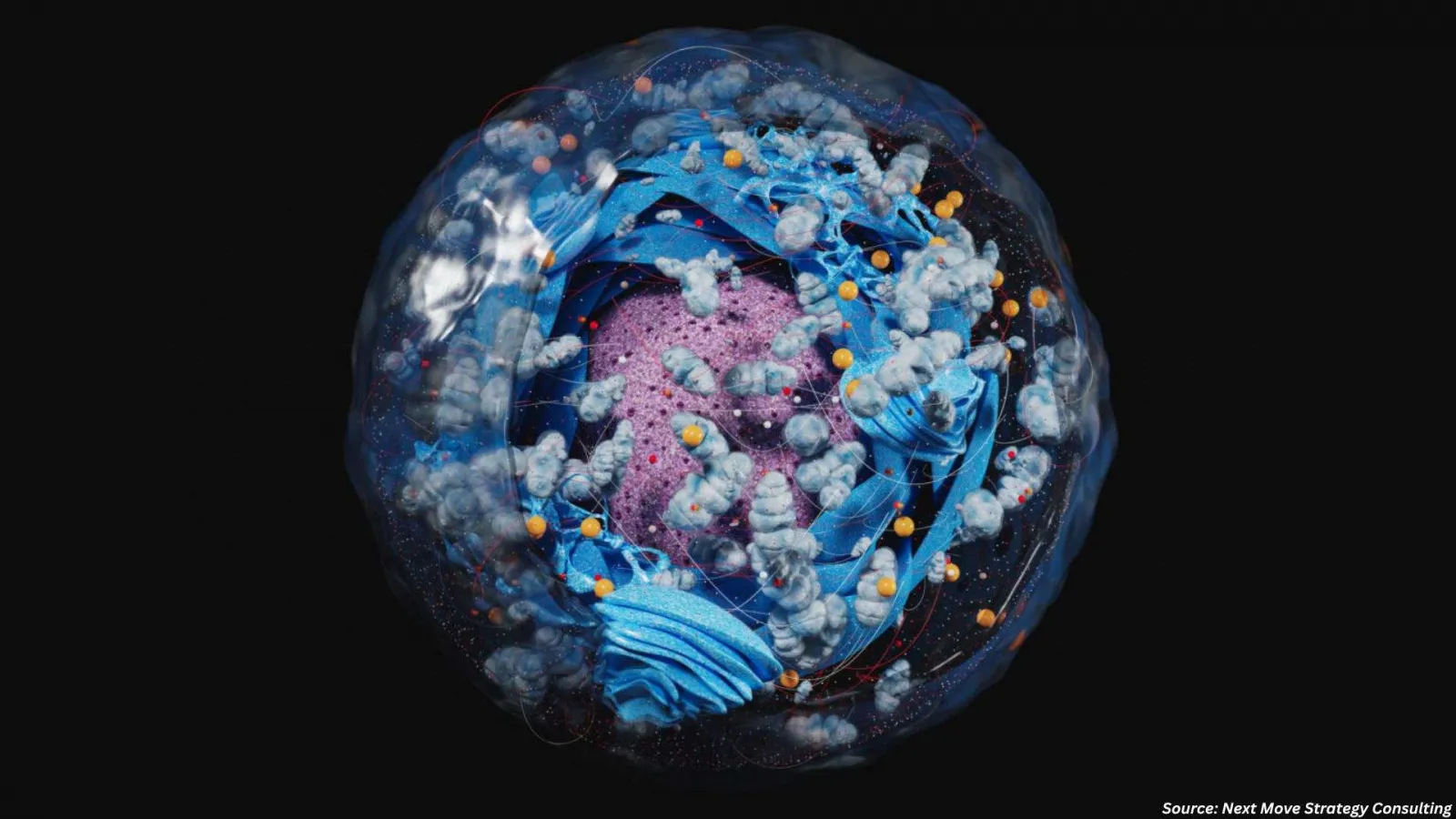
Ceramide is gaining renewed scientific and commercial attention in 2026, driven by advancements in dermatology and cellular biology. Traditionally known for its role in maintaining the skin barrier, ceramide is now being explored for its deeper biological significance, particularly in aging and cellular health.
Recent developments—from clinical skincare innovations to molecular research—highlight how ceramide is evolving from a cosmetic ingredient into a critical biomolecule with wide-ranging applications.
Ceramide and Skin Barrier Repair: A Clinical Breakthrough
In 2026, Alkem introduced an advanced ceramide-boosting product designed to strengthen the skin barrier and improve hydration. The formulation focuses on restoring lipid balance, which is essential for preventing moisture loss and protecting against environmental stressors.
Ceramides are naturally occurring lipids in the outermost layer of the skin. Their primary function is to form a protective barrier that retains moisture and blocks irritants. When ceramide levels decline—due to aging or environmental exposure—the skin becomes dry, sensitive, and prone to damage.
Key Benefits Highlighted in 2026 Developments
-
Strengthens skin barrier integrity
-
Reduces transepidermal water loss
-
Enhances hydration retention
-
Supports recovery of damaged skin
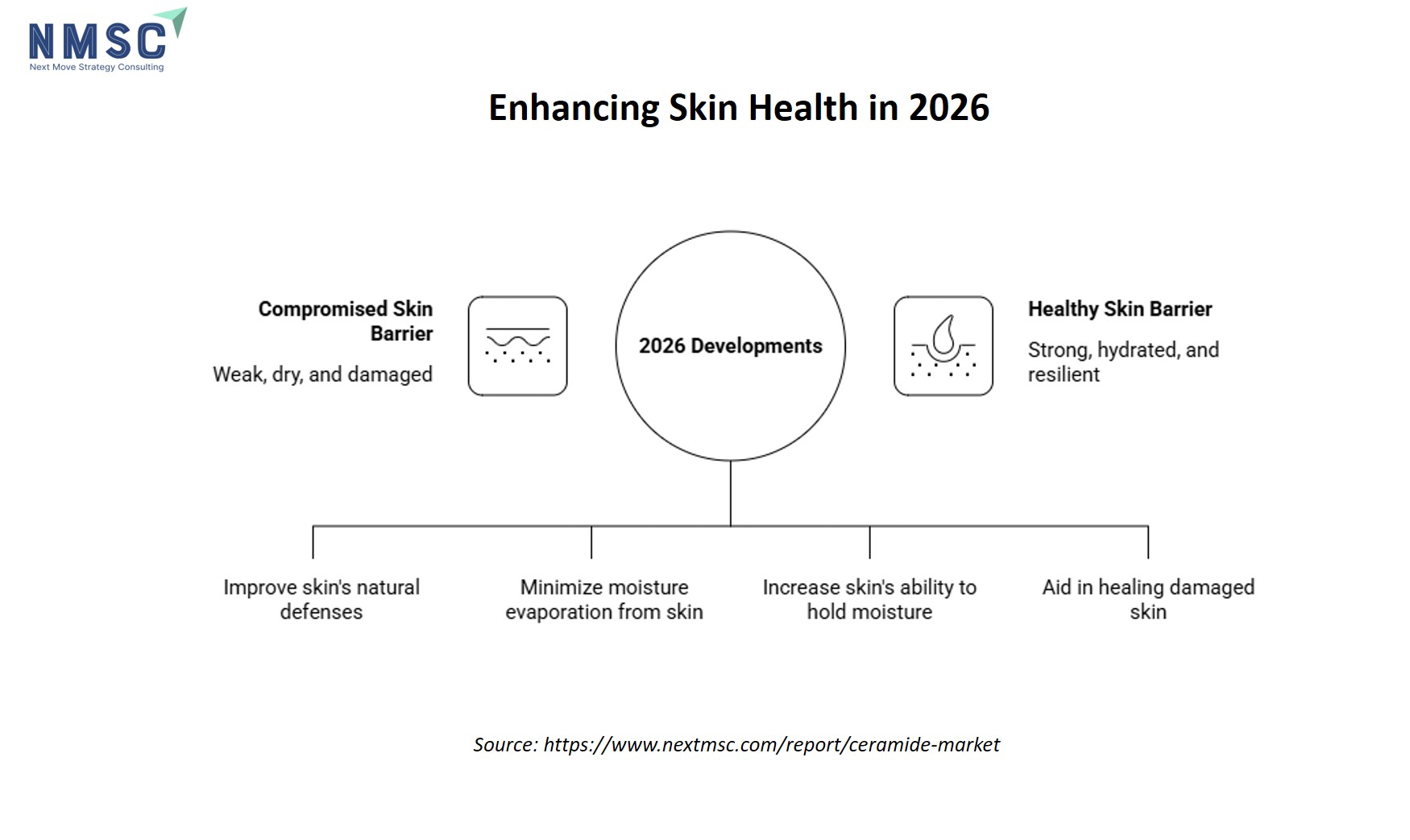
The introduction of clinically backed ceramide-enhancing formulations signals a clear shift toward functional skincare, where, according to Next Move Strategy Consulting, companies are moving beyond purely aesthetic outcomes to prioritize biological repair and long-term skin health, aligning with growing consumer demand for science-driven dermatological solutions.
Ceramide and Cellular Aging: A New Scientific Link
Beyond skincare, ceramide is now being studied in the context of aging biology. In 2026, researchers identified a connection between ceramide transport and cellular senescence—a process where cells lose their ability to divide and function effectively.
The study highlights how disruptions in ceramide transport within cells may contribute to the aging process. This discovery opens new possibilities for targeting age-related diseases and improving cellular longevity.
Key Scientific Findings
-
Ceramide transport plays a role in regulating cell aging
-
Impaired transport may accelerate cellular dysfunction
-
Potential therapeutic target for age-related conditions
Table: Ceramide Functions Across Applications
|
Application Area |
Function of Ceramide |
|
Dermatology |
Skin barrier repair and hydration |
|
Cellular Biology |
Regulation of cell aging and senescence |
|
Therapeutics |
Potential target for age-related diseases |
The identification of ceramide transport as a factor in cellular aging marks a significant expansion of its role beyond dermatology, and according to Next Move Strategy Consulting, this finding strengthens the scientific basis for exploring ceramide pathways in future therapeutic research, particularly in areas related to aging biology and chronic disease management.
Bridging Skincare and Biotechnology
The convergence of dermatology and molecular biology is redefining the role of ceramide. While skincare applications focus on external repair, biomedical research is uncovering its internal regulatory functions.
This dual relevance positions ceramide as a unique molecule that connects consumer health products with advanced medical research.
Emerging Trends in 2026
-
Integration of dermatological and biomedical research
-
Development of multi-functional ceramide-based formulations
-
Increased investment in aging-related studies
The overlap between skincare innovation and cellular biology research is accelerating cross-industry collaboration. Companies operating in pharmaceuticals, biotechnology, and cosmetics are likely to explore shared research pathways, creating new opportunities for product development and commercialization.
According to Next Move Strategy Consulting: Industry Impact
The latest developments in ceramide research and product innovation are expected to influence multiple sectors:
Skincare Industry: Transition toward clinically validated, barrier-repair solutions
Biotechnology Sector: Expansion of ceramide research into aging and disease pathways
Pharmaceutical Industry: Exploration of ceramide as a therapeutic target
These shifts indicate that ceramide is evolving into a strategic focus area rather than a niche ingredient.
Challenges and Considerations
Despite promising advancements, several challenges remain:
-
Limited understanding of long-term effects in cellular applications
-
Complexity in regulating ceramide transport mechanisms
-
Need for clinical validation in therapeutic use cases
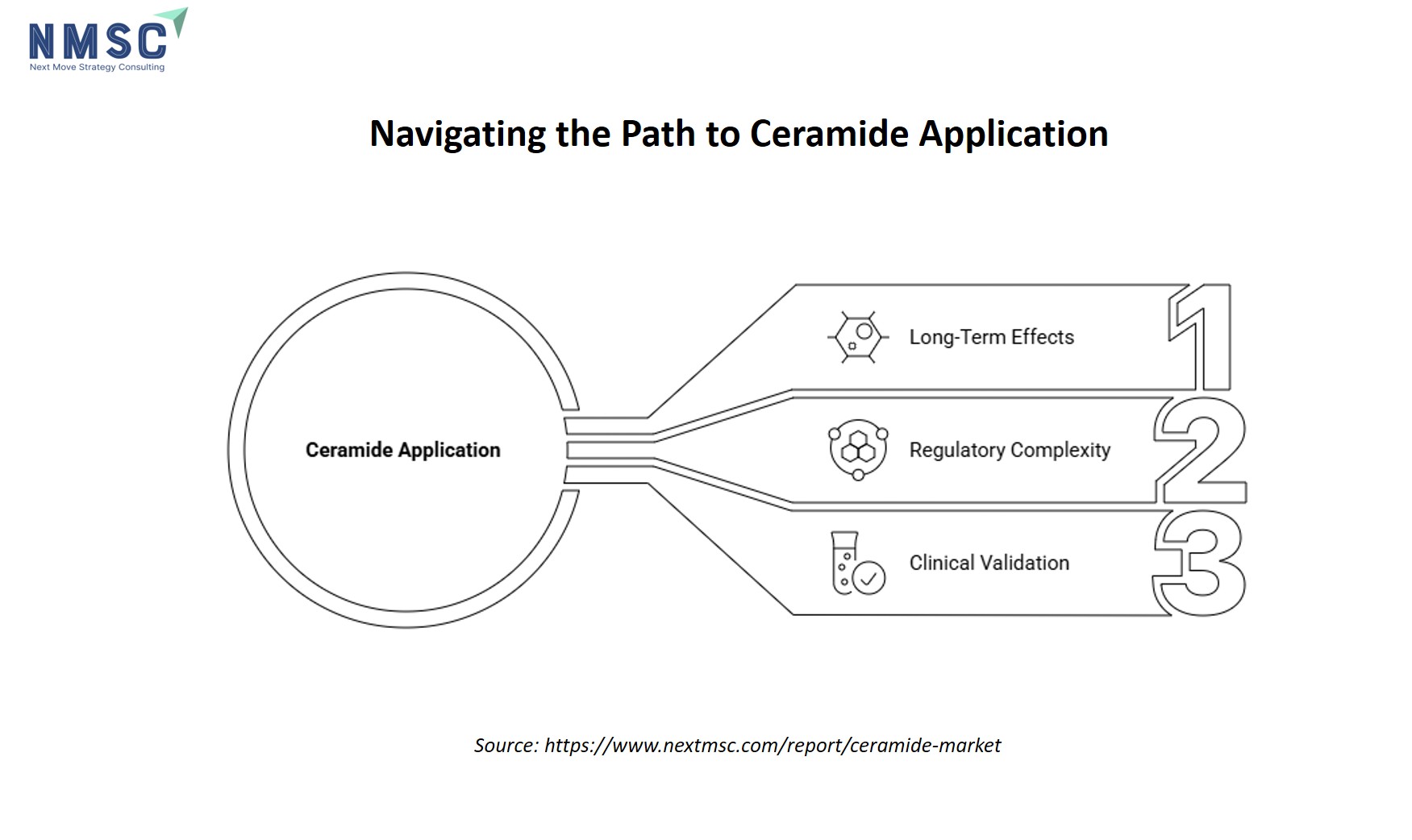
Addressing these challenges will be essential for scaling ceramide-based innovations across industries.
While innovation is accelerating, the success of ceramide applications will depend on rigorous clinical validation and regulatory clarity. Companies that invest in scientific credibility and evidence-based development are more likely to gain long-term market trust.
Next Steps: What Stakeholders Should Do
-
Invest in Research: Focus on clinical studies exploring both dermatological and cellular applications
-
Develop Multi-Functional Products: Combine skin repair with long-term health benefits
-
Strengthen Scientific Communication: Clearly explain benefits to build consumer trust
-
Explore Cross-Industry Partnerships: Collaborate between biotech and skincare sectors
-
Monitor Regulatory Developments: Stay aligned with evolving guidelines for therapeutic use
Conclusion
Ceramide is no longer limited to being a skincare ingredient. In 2026, it stands at the intersection of dermatology, biotechnology, and aging research. From strengthening the skin barrier to influencing cellular health, ceramide is emerging as a molecule of both commercial and scientific importance.
As research continues to evolve, its role is expected to expand further, shaping the future of both healthcare and consumer wellness.
The growing relevance of ceramide across multiple domains highlights its potential as a cornerstone molecule in next-generation health solutions. Organizations that align innovation with scientific evidence will be best positioned to capitalize on this emerging opportunity.
About the Author
 Sanyukta Deb
— Sanyukta Deb is Digital Marketing Team Lead at Next Move Strategy Consulting, where she has led content strategy and technical SEO for the firm's B2B market research publications for over 2 years. Her editorial process translates NextMSC's primary and secondary research — spanning technology, industrial, and consumer sectors — into commercial narratives, backed by search-intent, keyword, and competitive analysis. She brings 5 years of overall experience in digital marketing and content strategy.
Sanyukta Deb
— Sanyukta Deb is Digital Marketing Team Lead at Next Move Strategy Consulting, where she has led content strategy and technical SEO for the firm's B2B market research publications for over 2 years. Her editorial process translates NextMSC's primary and secondary research — spanning technology, industrial, and consumer sectors — into commercial narratives, backed by search-intent, keyword, and competitive analysis. She brings 5 years of overall experience in digital marketing and content strategy.
About the Reviewer
 Debashree Dey
— Debashree Dey is Assistant Manager at Next Move Strategy Consulting, where she supports cross-vertical market content and communications across diverse industries for 6 years. Her professional background includes senior content writing, communications, and published manuscript authorship, with experience developing audience-focused business narratives and maintaining clear, consistent messaging. Her role supports research-led content development and editorial quality across NextMSC publications.
Debashree Dey
— Debashree Dey is Assistant Manager at Next Move Strategy Consulting, where she supports cross-vertical market content and communications across diverse industries for 6 years. Her professional background includes senior content writing, communications, and published manuscript authorship, with experience developing audience-focused business narratives and maintaining clear, consistent messaging. Her role supports research-led content development and editorial quality across NextMSC publications.

















Add Comment