Blood Preparation Market Statistics, Trends & Forecasts for 2026
Introduction
The global Blood Preparation Market stands at a critical inflection point in 2026. As healthcare systems worldwide grapple with rising chronic disease burdens, aging populations, and increasingly complex surgical procedures, the demand for safe, efficacious, and readily available blood products has never been more urgent. At the same time, the sector faces structural vulnerabilities — from plasma supply chain fragility and regulatory tightening to recurring immunoglobulin shortages — that are reshaping how governments, manufacturers, and healthcare institutions approach blood preparation at every level.
Against this backdrop, the blood preparation market is emerging as one of the most strategically significant segments within the global life sciences industry. According to Next Move Strategy Consulting (NMSC), the global blood preparation market was valued at USD 46.88 billion in 2022 and is projected to reach USD 72.94 billion by 2030, advancing at a CAGR of 5.69% from 2023 to 2030. For C-level executives, institutional investors, and healthcare policymakers, understanding the forces driving this trajectory — and the risks that could disrupt it — is no longer optional. It is a strategic imperative.
For More Information: Download FREE Sample on Blood Preparation Market Report
Supply Chain Under Scrutiny: The Forces Reshaping Blood Preparation in 2026
The FDA's Landmark Roundtable on Blood Manufacturing Supply Chain Resilience
On September 29, 2026, the U.S. Food and Drug Administration's Center for Biologics Evaluation and Research (CBER), Office of Blood Research and Review, convened a landmark roundtable titled "Strengthening the Supply Chain for Blood Manufacturing." The event brought together representatives from the blood collection industry, supply chain manufacturers, and federal agencies within the Department of Health and Human Services (HHS) to address one of the most pressing systemic challenges in modern healthcare: the fragility of the blood manufacturing supply chain.
The roundtable was structured around three core sessions: (1) current challenges to supply chain disruptions in blood manufacturing, (2) manufacturers' perspectives on root causes and potential solutions, and (3) the role of federal agencies in building supply chain resilience. Panelists included senior executives from Terumo BCT, Fresenius Kabi, Haemonetics Corporation, Macopharma, Roche Diagnostics, and Grifols Diagnostic Solutions — a cross-section of the global blood preparation ecosystem.
The FDA's decision to convene this roundtable reflects a broader recognition that the supply chain for whole blood, blood components, and source plasma is structurally exposed to disruption — whether from geopolitical events, public health emergencies, or equipment shortages. The Biomedical Advanced Research and Development Authority (BARDA) and the Office of Supply Chain Resilience (OSCR) within the FDA's Center for Devices and Radiological Health were also represented, underscoring the federal government's intent to treat blood supply chain resilience as a national security priority.
This event is not an isolated regulatory exercise. It is the culmination of years of escalating concern about the adequacy and resilience of global blood product supply chains — concerns that have been amplified by the COVID-19 pandemic, recurring immunoglobulin shortages, and the growing geopolitical concentration of plasma sourcing.
The WHO's 2025 Global Blood Safety Report: A Systemic Assessment
Reinforcing the urgency of the FDA's action, the World Health Organization (WHO) published its Global Status Report on Blood Safety and Availability 2025, drawing on data from 168 countries. The report provides a comprehensive assessment of national blood systems worldwide, examining governance, blood collection and donation patterns, component preparation, laboratory screening for transfusion-transmissible infections, clinical use, haemovigilance systems, and the availability of plasma-derived medicinal products (PDMPs).
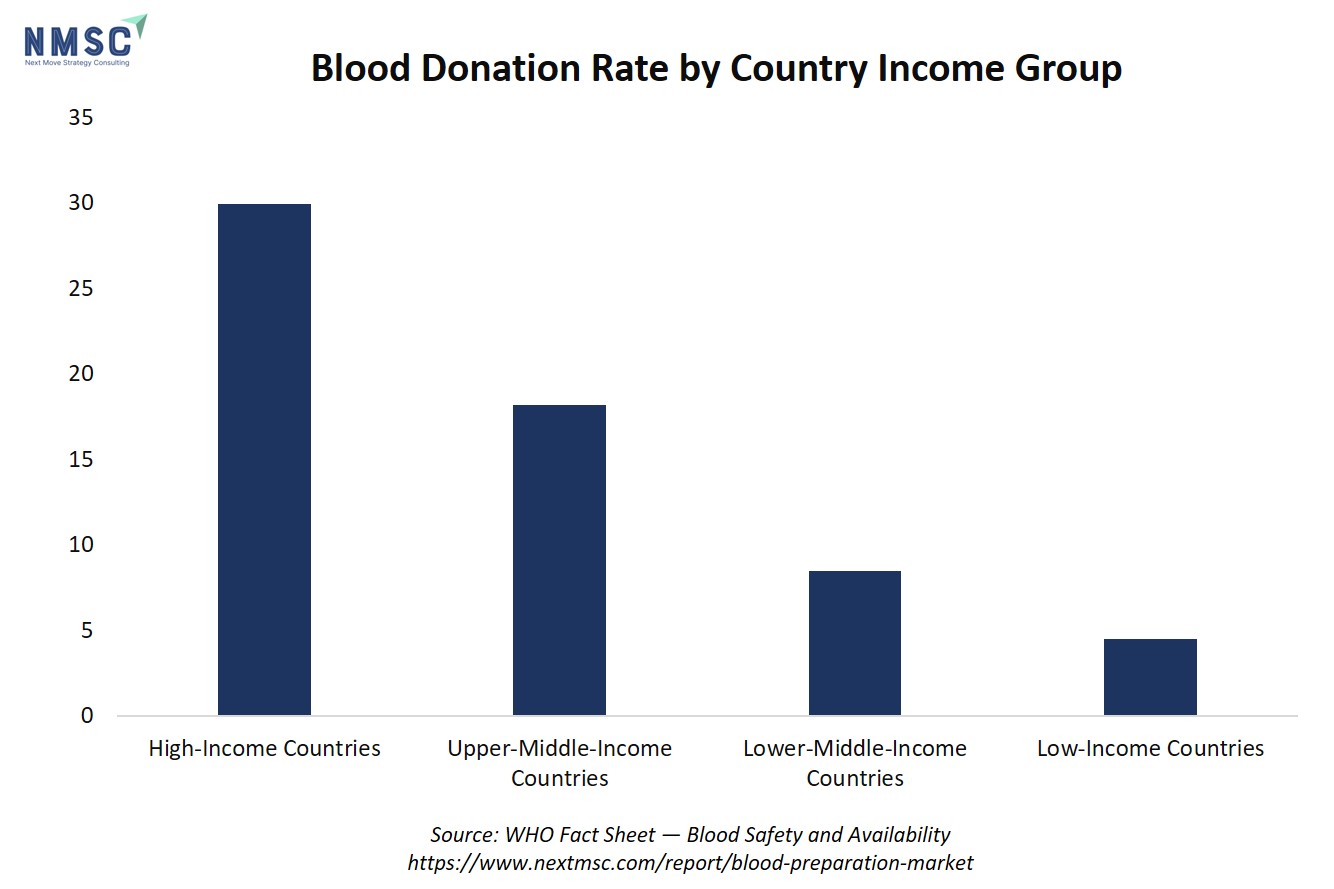
The report documents significant progress in expanding voluntary blood donation in several regions, while simultaneously identifying persistent gaps in blood availability, safety, and equitable access — particularly in low- and middle-income countries (LMICs). It highlights regional and income-related disparities that continue to undermine universal access to safe blood products, a foundational component of resilient health systems and universal health coverage.
The EMA's Anti-D Immunoglobulin Supply Chain Intervention
In July 2025, the European Medicines Agency (EMA) and the Heads of Medicines Agencies issued formal recommendations to address critical vulnerabilities in the supply chain of anti-D immunoglobulins — a plasma-derived product essential for preventing haemolytic disease of the fetus and newborn. The recommendations were issued in direct response to a declining number of plasma donors in the European Union and the near-total absence of anti-D immunoglobulin manufacturers within the EU.
The EMA called on EU member states to develop national plans to secure supply, reduce unnecessary use, support the development of alternative therapies through research funding, and promote public awareness of plasma donation. The European Commission was further advised to leverage the proposed Critical Medicines Act to establish or increase domestic supply of anti-D immunoglobulins.
The Plasma Self-Sufficiency Crisis: A Structural Vulnerability
Underpinning all of these regulatory interventions is a structural reality that the blood preparation market cannot escape: the world's plasma supply is dangerously concentrated. The United States currently supplies approximately 70% of the plasma used worldwide, a dominance attributable to the country's 80% share of global plasma donation centres, favourable regulatory conditions, and a donor compensation model that incentivizes higher donation frequency.
Europe's domestically collected plasma meets only approximately 63% of its demand for PDMPs, with the remainder predominantly imported from the United States. The COVID-19 pandemic exposed the severity of this dependency: in the United States alone, plasma donations fell by 20%, from 53.5 million in 2019 to 43.8 million in 2021, triggering cascading shortages across global markets.
The manufacturing timeline compounds the challenge. The journey from plasma donation to the administration of a PDMP takes between 7 and 12 months — compared with just 2 to 3 months for conventional biologics. Manufacturing and raw materials account for 57% of total PDMP costs, versus 14% for biologics, making the economics of blood preparation inherently more complex and capital-intensive.
NMSC's Strategic Perspective: Navigating the Supply-Demand Inflection
From Next Move Strategy Consulting's analytical standpoint, the convergence of regulatory action, WHO-documented supply gaps, and structural plasma concentration represents a defining moment for the blood preparation market. The FDA roundtable, the EMA's anti-D immunoglobulin recommendations, and the WHO's 2025 report collectively signal that governments and regulatory bodies are transitioning from reactive crisis management to proactive supply chain architecture.
NMSC's research indicates that this regulatory momentum will serve as a significant market catalyst. Manufacturers that invest in supply chain diversification, automated blood collection technologies, and expanded plasma fractionation capacity are positioned to capture disproportionate market share as institutional procurement frameworks evolve. Conversely, organizations that remain dependent on single-source plasma supply or legacy processing infrastructure face material operational and reputational risk.
The blood preparation market's growth trajectory — from USD 46.88 billion in 2022 to a projected USD 72.94 billion by 2030 — is not simply a function of rising demand. It is increasingly shaped by the regulatory and geopolitical architecture being constructed around blood product supply chains in 2025 and 2026.
Section Summary: The blood preparation market in 2026 is defined by a convergence of regulatory urgency, structural supply chain vulnerabilities, and rising global demand. The FDA's September 2026 roundtable, the WHO's 2025 blood safety report, and the EMA's anti-D immunoglobulin recommendations collectively mark a turning point in how the sector is governed and financed.
Key Takeaways:
-
The FDA convened a landmark roundtable on September 29, 2026, to address blood manufacturing supply chain resilience, involving major industry players and federal agencies.
-
The WHO's 2025 Global Blood Safety Report, covering 168 countries, identifies persistent gaps in blood availability and equitable access, particularly in LMICs.
-
The EMA issued formal recommendations in July 2025 to address anti-D immunoglobulin supply chain vulnerabilities driven by declining EU plasma donors.
-
The United States supplies approximately 70% of the world's plasma, creating a structural concentration risk that regulatory bodies are now actively working to mitigate.
Industry Impact Analysis
Rising Disease Burden and Expanding Clinical Indications
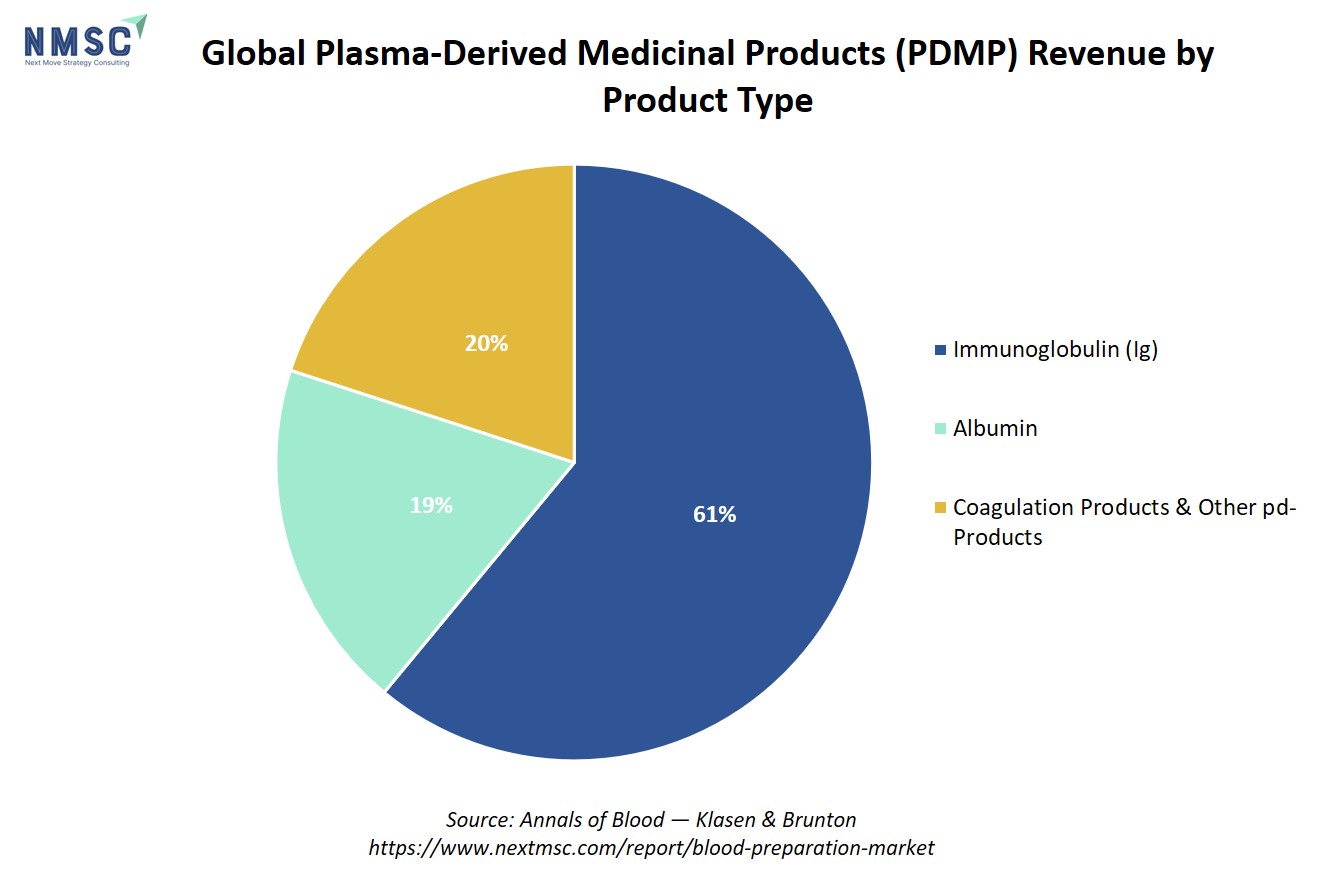
The demand side of the blood preparation market is being driven by a broadening spectrum of clinical applications. Intravenous immunoglobulins (IVIgs), a cornerstone of the plasma-derived medicines segment, have seen their approved indications expand significantly over the past decade. The global IVIg market was estimated at USD 13.36 billion in 2023 and is projected to reach approximately USD 24.98 billion by 2032, driven by applications in primary immunodeficiencies, chronic inflammatory demyelinating polyradiculoneuropathy (CIDP), myasthenia gravis, Guillain-Barré syndrome, and hereditary angioedema, among others.
Off-label use further amplifies demand. In France, for example, off-label IVIg use rates are approximately 30%, a pattern observed across multiple OECD countries. This expanding utilization, while clinically significant, places additional pressure on an already constrained supply chain.
Haematological Malignancies and Surgical Demand
North America's dominance in the blood preparation market is reinforced by the high incidence of haematological malignancies. According to the Leukemia & Lymphoma Society, cases of leukemia, lymphoma, and myeloma accounted for 9.8% of the 1,898,160 cancer cases diagnosed in the United States in 2021. These conditions require intensive blood product support, including packed red cells, platelet concentrates, and cryoprecipitate, sustaining robust institutional demand for blood preparation services.
Asia-Pacific: The Emerging Demand Frontier
Asia-Pacific represents the most significant growth opportunity in the blood preparation market over the forecast horizon. The region's rapidly aging population is a primary driver. According to the National Library of Medicine, the proportion of individuals aged 60 years and above in China is projected to rise from 12.4% (168 million) to 28% (402 million) by 2040, with approximately 80% of deaths among this cohort attributed to chronic non-communicable diseases — conditions that frequently require blood transfusions and blood-derived therapies.
Regulatory and Quality Assurance Pressures
The European Commission's adoption of the Substances of Human Origin (SoHO) regulation in August 2024 introduced new quality and safety standards for human-origin substances, including plasma. The regulation aims to ensure a more reliable and sustainable plasma supply across Europe by encouraging member states to develop effective plasmaphaeresis programmes and expand plasma collection and fractionation capabilities. However, the regulation's "financial neutrality" principle — which restricts financial incentives for plasma donors — may paradoxically reduce collection volumes in countries such as Austria, Czechia, Germany, and Hungary, which collectively contribute over 55% of the plasma collected in Europe for PDMP manufacturing.
Product Recalls and Quality Events
In August 2026, Baxter International Inc. announced a voluntary nationwide recall of one lot of anticoagulant sodium citrate solution due to the potential presence of particulate matter identified as fiberglass — a development that underscores the quality assurance challenges inherent in blood preparation manufacturing. Such events reinforce the importance of robust manufacturing controls and supplier qualification frameworks across the blood preparation value chain.
Emerging Therapeutic Alternatives
The blood preparation market is also being shaped by the emergence of therapeutic alternatives that reduce reliance on plasma-derived products. Recombinant and extended half-life clotting factors have significantly reduced the need for plasma-derived factor concentrates in haemophilia management. Neonatal Fc receptor (FcRn)-targeted therapies, now approved for neurology and haematology indications, offer a promising avenue to reduce high-dose IVIg dependence in autoimmune conditions. These innovations do not diminish the blood preparation market's growth prospects; rather, they reshape its composition, shifting emphasis toward higher-value, more specialized blood derivatives.
Section Summary: The blood preparation market's demand dynamics are being shaped by expanding clinical indications, aging demographics in Asia-Pacific, rising haematological malignancy incidence in North America, and the emergence of therapeutic alternatives. Regulatory frameworks in Europe are simultaneously tightening quality standards while creating unintended supply constraints.
Key Takeaways:
-
The global IVIg market is projected to grow from USD 13.36 billion (2023) to USD 24.98 billion by 2032, driven by expanding disease indications and off-label use.
-
China's population aged 60+ is projected to reach 402 million by 2040, creating a substantial long-term demand base for blood preparation products in Asia-Pacific.
-
The EU's SoHO regulation, while strengthening quality standards, may reduce plasma collection volumes in key European donor markets.
-
Emerging FcRn-targeted therapies and recombinant clotting factors are beginning to reshape the composition of blood preparation demand, reducing reliance on certain plasma-derived products.
Global Blood Preparation & Plasma-Derived Medicines — Institutional Data Snapshot (2025–2026)
|
Indicator |
Data Point |
|
US share of global plasma supply |
~70% |
|
US share of global plasma donation centres |
~80% |
|
Europe's domestic plasma self-sufficiency rate |
~63% of PDMP demand |
|
PDMP manufacturing timeline (plasma to product) |
7–12 months |
|
Manufacturing & raw material cost share (PDMPs) |
57% of total cost |
|
COVID-19 impact on US plasma donations |
20% reduction (2019–2021) |
|
Global IVIg market size (2023) |
USD 13.36 Billion |
|
Global IVIg market projection (2032) |
USD 24.98 Billion |
|
EU countries affected by IVIg shortages (2024) |
14 countries |
|
WHO Global Blood Safety Report coverage |
168 countries |
Future Outlook & Forecast
NMSC Market Forecast: A USD 72.94 Billion Opportunity by 2030
According to Next Move Strategy Consulting, the global blood preparation market is on a sustained growth trajectory, advancing from USD 46.88 billion in 2022 to USD 72.94 billion by 2030 at a CAGR of 5.69%. This growth is underpinned by several converging structural forces: the rising global burden of haematological malignancies and chronic diseases requiring blood product support, the expanding clinical indications for plasma-derived medicines, the growing geriatric population in Asia-Pacific, and the accelerating adoption of advanced blood collection and processing technologies.
Technology as a Market Catalyst
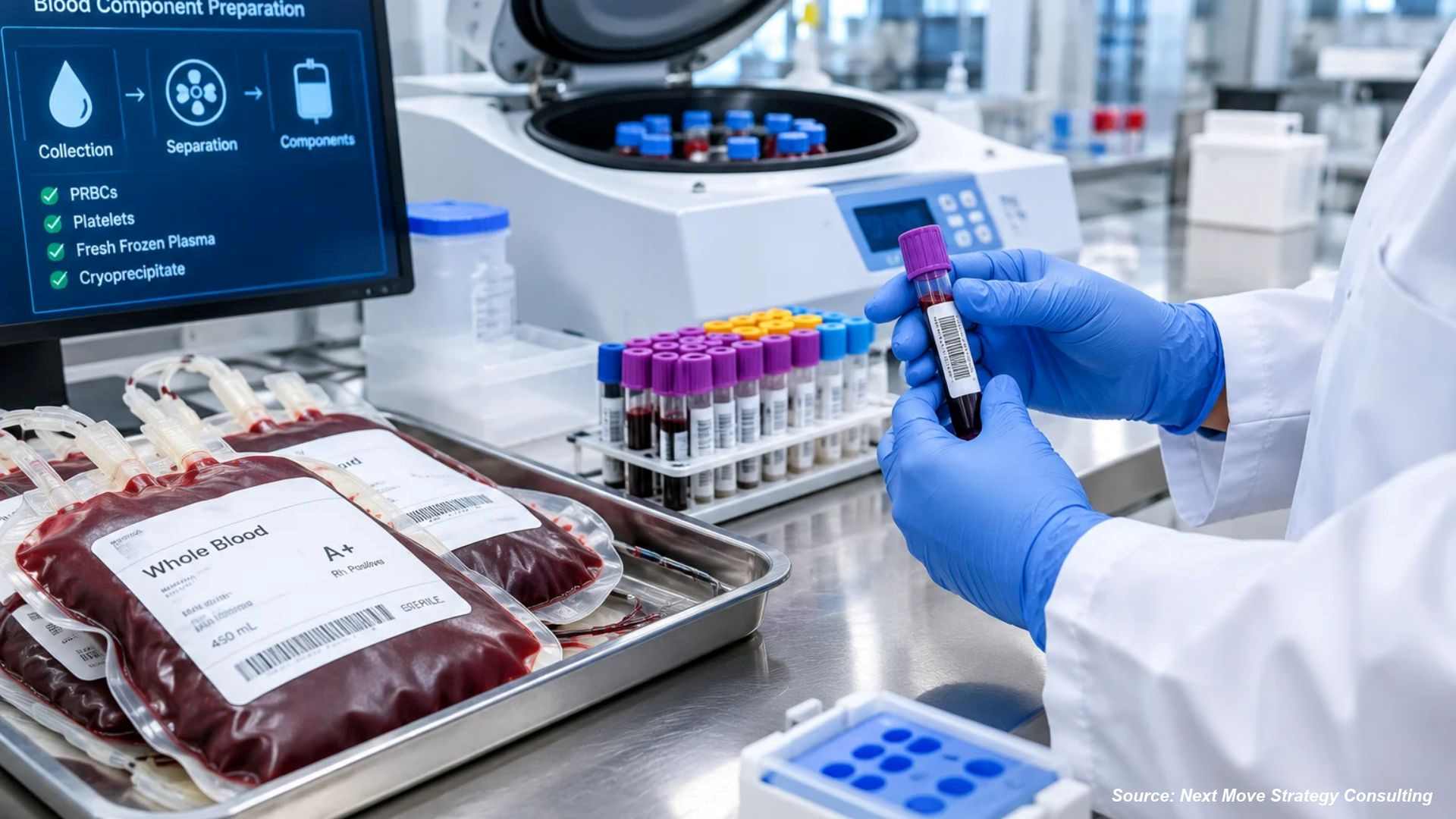
Automated blood collection systems, centrifugal separation technologies, and pathogen reduction platforms are expected to create significant growth opportunities within the blood preparation market over the forecast period. These innovations reduce processing time, improve product quality, and enhance the safety profile of blood components — addressing two of the market's most persistent restraints: disease transmission risk and allergic transfusion reactions.
Regulatory Architecture as a Long-Term Growth Driver
The regulatory developments of 2025 and 2026 — the FDA's supply chain roundtable, the EMA's anti-D immunoglobulin recommendations, and the EU's SoHO regulation — are expected to drive sustained capital investment in blood preparation infrastructure. Governments and institutional procurement bodies are increasingly treating blood product supply chain resilience as a strategic priority, which will translate into expanded public and private investment in plasma collection centres, fractionation facilities, and haemovigilance systems.
The Role of Alternative Therapies in Market Evolution
While FcRn-targeted therapies and recombinant clotting factors will reduce demand for certain plasma-derived products, they are unlikely to displace the blood preparation market's core growth drivers. The WHO's identification of PDMPs as essential medicines, combined with the expanding disease burden in emerging markets, ensures that the demand for whole blood, blood components, and blood derivatives will continue to grow across the forecast period.
Geographic Diversification of Plasma Supply
One of the most consequential long-term trends in the blood preparation market is the gradual geographic diversification of plasma supply. The Asia-Pacific region supplied 18% of the global plasma supply in 2020, with China contributing 75% of this amount. As regulatory frameworks in Asia-Pacific mature and domestic fractionation capacity expands, the region is expected to play an increasingly significant role in global plasma supply — reducing the structural concentration risk currently centred on the United States.
Section Summary: The blood preparation market's growth to USD 72.94 billion by 2030 is supported by rising disease burden, expanding clinical indications, technological innovation, and a strengthening regulatory architecture. Geographic diversification of plasma supply and the emergence of alternative therapies will reshape — but not diminish — the market's long-term growth profile.
Key Takeaways:
-
NMSC projects the global blood preparation market to reach USD 72.94 billion by 2030, growing at a CAGR of 5.69% from 2023.
-
Automated blood collection and processing technologies represent the most significant near-term growth opportunity within the market.
-
Asia-Pacific's expanding plasma supply capacity and aging demographics position the region as the fastest-growing market over the forecast horizon.
-
Regulatory investment in supply chain resilience — driven by the FDA, EMA, and WHO — will catalyze sustained capital deployment in blood preparation infrastructure through 2030.
Next Steps for Stakeholders
For C-Level Executives and Corporate Strategy Teams:
-
Conduct a supply chain resilience audit. In light of the FDA's September 2026 roundtable findings, organizations across the blood preparation value chain should assess their exposure to single-source plasma supply dependencies and develop contingency frameworks for supply disruption scenarios.
-
Engage proactively with regulatory developments. The EU's SoHO regulation and the EMA's anti-D immunoglobulin recommendations signal a period of intensifying regulatory scrutiny. Compliance teams should map current operations against evolving standards and engage with regulatory bodies during consultation periods to shape implementation frameworks.
-
Invest in automation and processing technology. Automated blood collection systems and advanced fractionation technologies offer a dual benefit: improved product quality and reduced operational costs. Capital allocation toward these platforms will be a key differentiator in an increasingly competitive market.
-
Evaluate Asia-Pacific market entry or expansion. The region's demographic trajectory and expanding healthcare infrastructure make it the most compelling long-term growth opportunity in the blood preparation market. Strategic partnerships with regional plasma collection networks and fractionation facilities should be prioritized.
For Institutional Investors:
-
Monitor regulatory catalysts. The outcomes of the FDA's September 2026 roundtable and the European Commission's Critical Medicines Act deliberations will have material implications for market structure and competitive dynamics. These regulatory milestones should be tracked as leading indicators of investment opportunity.
-
Assess portfolio exposure to plasma supply concentration risk. Companies with significant revenue dependence on US-sourced plasma face structural vulnerability. Investors should evaluate management teams' strategies for supply chain diversification and alternative product development.
-
Consider the long-term implications of FcRn-targeted therapies. While these alternatives reduce demand for certain IVIg applications, they also represent a new category of high-value biologics with significant market potential. Portfolio construction should reflect both the displacement risk and the opportunity.
For Healthcare Policymakers and Procurement Authorities:
Develop national plasma self-sufficiency strategies. The WHO's 2025 report and the EMA's recommendations both underscore the importance of domestic plasma collection capacity. National health authorities should establish measurable self-sufficiency targets and invest in public awareness campaigns to increase voluntary plasma donation.
Implement haemovigilance systems. Countries without robust haemovigilance infrastructure remain exposed to preventable transfusion-related adverse events. Investment in these systems is both a patient safety imperative and a prerequisite for regulatory compliance under evolving international standards.
Conclusion
The global blood preparation market in 2026 is defined by a fundamental tension: rising demand driven by aging populations, expanding disease indications, and complex surgical procedures on one side, and structural supply chain vulnerabilities, regulatory tightening, and plasma concentration risk on the other. The FDA's landmark supply chain roundtable, the WHO's comprehensive 2025 blood safety assessment, and the EMA's anti-D immunoglobulin recommendations collectively signal that the sector is entering a period of accelerated regulatory and institutional transformation.
For market participants, this transformation presents both risk and opportunity. Organizations that invest in supply chain diversification, advanced processing technologies, and proactive regulatory engagement are positioned to capture the market's projected growth to USD 72.94 billion by 2030. Those that do not will find themselves increasingly exposed to the structural vulnerabilities that regulators and policymakers are now working urgently to address.
The blood preparation market is not simply a healthcare sector story. It is a story about the resilience of critical medical infrastructure — and the strategic decisions made today will determine whether that infrastructure is adequate to meet the demands of tomorrow.
About the Author
 Sanyukta Deb
— Sanyukta Deb is Digital Marketing Team Lead at Next Move Strategy Consulting, where she has led content strategy and technical SEO for the firm's B2B market research publications for over 2 years. Her editorial process translates NextMSC's primary and secondary research — spanning technology, industrial, and consumer sectors — into commercial narratives, backed by search-intent, keyword, and competitive analysis. She brings 5 years of overall experience in digital marketing and content strategy.
Sanyukta Deb
— Sanyukta Deb is Digital Marketing Team Lead at Next Move Strategy Consulting, where she has led content strategy and technical SEO for the firm's B2B market research publications for over 2 years. Her editorial process translates NextMSC's primary and secondary research — spanning technology, industrial, and consumer sectors — into commercial narratives, backed by search-intent, keyword, and competitive analysis. She brings 5 years of overall experience in digital marketing and content strategy.
About the Reviewer
 Debashree Dey
— Debashree Dey is Assistant Manager at Next Move Strategy Consulting, where she supports cross-vertical market content and communications across diverse industries for 6 years. Her professional background includes senior content writing, communications, and published manuscript authorship, with experience developing audience-focused business narratives and maintaining clear, consistent messaging. Her role supports research-led content development and editorial quality across NextMSC publications.
Debashree Dey
— Debashree Dey is Assistant Manager at Next Move Strategy Consulting, where she supports cross-vertical market content and communications across diverse industries for 6 years. Her professional background includes senior content writing, communications, and published manuscript authorship, with experience developing audience-focused business narratives and maintaining clear, consistent messaging. Her role supports research-led content development and editorial quality across NextMSC publications.

















Add Comment