Data Center Market: How AI, Power, and Cooling Are Transforming Digital Infrastructure
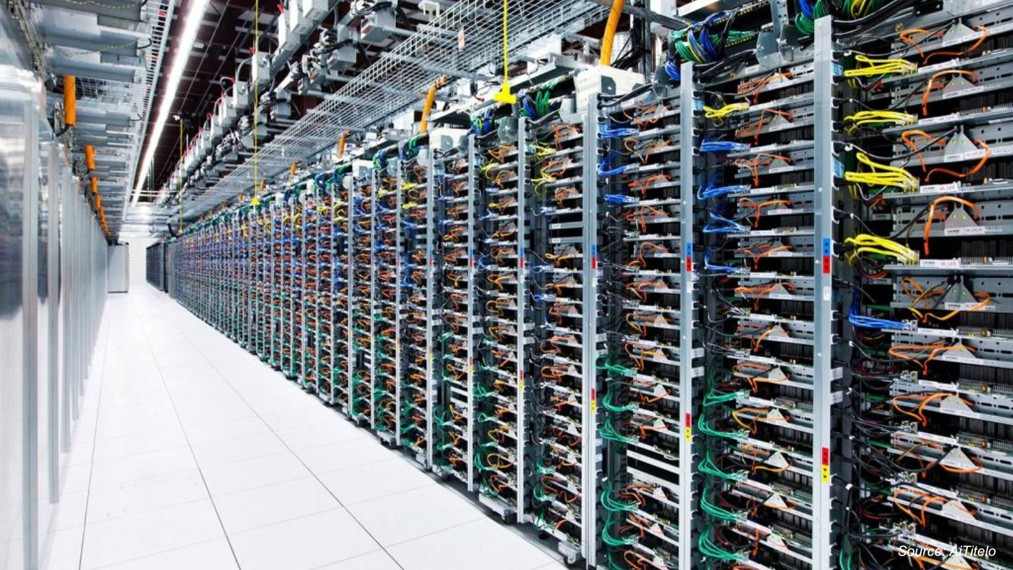
The global Data Center Market is entering a period of accelerated expansion as artificial intelligence (AI), cloud computing, high-performance computing, and data-intensive digital applications increase demand for scalable digital infrastructure. The global Data Center Market size was valued at USD 419.42 billion in 2025 and is projected to reach USD 1,282.86 billion by 2035, expanding at a CAGR of 11.14% from 2026 to 2035, led by rapid growth across the data center infrastructure market and data center services market. The market is estimated to reach USD 495.90 billion in 2026, reflecting continued investment in computing capacity, cloud infrastructure, power systems, cooling technologies, and network connectivity.
As data center requirements evolve, operators are reassessing how facilities are designed, powered, cooled, and deployed. AI workloads are increasing computing density, electricity availability is becoming a critical factor in site selection, and liquid cooling is gaining importance in high-performance computing environments. At the same time, renewable energy procurement, resource efficiency, and strategic infrastructure partnerships are influencing investment priorities across the global market.
In This Article
-
AI workloads are pushing data centers toward high-density infrastructure architectures.
-
Power availability is becoming a defining factor in data center expansion.
-
Liquid cooling is emerging as a critical technology for AI-ready facilities.
-
Renewable energy and resource efficiency are reshaping data center development.
-
Strategic partnerships and regional capacity expansion are accelerating deployment.
For an In-Depth Analysis of the Data Center Market — Try a FREE Sample
AI Workloads Are Pushing Data Centers Toward High-Density Infrastructure Architectures
The Data Center Market is increasingly being shaped by the infrastructure requirements of artificial intelligence and other high-performance computing workloads. Unlike traditional enterprise applications, large-scale AI training and inference require substantial computing resources, high-speed networking, efficient power delivery, and advanced thermal management. These requirements are driving data center operators to move toward infrastructure architectures designed specifically for dense, performance-intensive workloads.
The investment momentum reflects the scale of this transition. According to the International Energy Agency (IEA), capital expenditure by five large technology companies exceeded USD 400 billion in 2025 and was expected to increase by a further 75% in 2026, driven by data center investments. The IEA also reported that electricity demand from data centers increased by 17% in 2025, substantially exceeding the 3% growth in global electricity demand. AI-focused facilities recorded even stronger increases in electricity consumption. These developments demonstrate how AI adoption is influencing infrastructure investment and facility planning.
The implications extend beyond the procurement of additional servers and computing accelerators. AI infrastructure requires coordination between compute systems, rack configurations, network fabrics, power distribution, cooling equipment, and facility management. As computing density rises, limitations in any one of these systems can restrict the performance of the broader computing environment.
This shift is also changing infrastructure purchasing decisions. Operators increasingly prioritize architectures that accommodate demanding AI workloads while supporting scalability, reliability, and efficient resource utilization. Infrastructure providers that combine high-density computing support with compatible power, cooling, and networking solutions are positioned to address these requirements.
As AI adoption continues across cloud services, enterprise applications, research, and digital platforms, data center design is moving toward integrated, high-density environments. This transition is expected to remain an important contributor to market expansion through 2035.
Power Availability Is Becoming a Defining Factor in Data Center Expansion
Electricity availability is emerging as one of the most significant considerations in data center development. Large facilities require substantial and continuous power supplies to support computing equipment, cooling systems, backup infrastructure, and network operations. As operators expand capacity to accommodate AI and cloud workloads, securing sufficient electricity has become as important as obtaining suitable land, connectivity, and construction resources.
The challenge extends beyond the amount of electricity available in a market. Grid interconnection timelines, transmission capacity, equipment availability, electricity costs, and permitting requirements can influence how quickly new facilities enter service. In its April 2026 analysis, the IEA identified tightening supply chains for transformers, gas turbines, advanced chips, and other critical components, alongside delays in grid connections and regulatory approvals, as constraints on data center expansion.
Recent industry initiatives demonstrate how infrastructure providers are responding. In March 2026, Vertiv and Generate Capital announced a collaboration to deliver integrated power and cooling solutions for data centers across the United States. The initiative combines Vertiv's power and thermal infrastructure capabilities with Generate Capital's financing, ownership, and operating model to help accelerate capacity deployment in power-constrained markets.
These developments highlight a broader change in data center investment strategy. Developers are increasingly evaluating power infrastructure during the early stages of site selection and project planning rather than treating electricity supply as a separate operational consideration. On-site generation, battery storage, long-term electricity procurement agreements, and coordinated utility planning are receiving greater attention as operators seek to improve supply resilience.
For market participants, this creates opportunities across power distribution, backup power, energy storage, electrical engineering, cooling, and infrastructure integration. However, projects that cannot secure adequate power or complete grid connections on schedule face additional delivery risks. The availability of reliable, cost-effective electricity will therefore remain an important factor influencing the pace and location of future data center expansion.
Liquid Cooling Is Emerging as a Critical Technology for AI-Ready Facilities
The growing adoption of high-performance computing is increasing the importance of advanced thermal management across the Data Center Market. Traditional air-cooling systems remain relevant across a wide range of facilities, but rising rack densities and concentrated heat loads are creating stronger demand for liquid-based cooling technologies.
Liquid cooling transfers heat through a circulating liquid rather than relying exclusively on air movement. Depending on the architecture, solutions include direct-to-chip cooling, coolant distribution units, rear-door heat exchangers, and other liquid-based thermal management systems. These technologies help address the cooling requirements of dense computing environments and provide operators with additional options for managing thermal performance.
A recent product development illustrates the direction of the market. In September 2026, Vertiv announced that its 2.3 MW CoolChip coolant distribution unit had qualified as NVIDIA DSX Ready. The unit supports liquid-to-liquid cooling applications, including direct-to-chip cooling and rear-door heat exchangers, and is designed for deployment in AI infrastructure environments. The qualification provides data center developers with an additional reference point when evaluating compatible cooling equipment for integrated AI facility designs.
The significance of liquid cooling extends beyond individual equipment installations. Cooling architecture influences rack design, power density, facility layout, maintenance requirements, and the ability to accommodate future computing upgrades. Consequently, operators must assess cooling requirements alongside server specifications, power distribution, and the physical design of the data center.
Retrofitting existing facilities is another important consideration. Operators seeking to accommodate higher-density computing need solutions that increase thermal capacity without necessarily replacing the entire facility. Hybrid cooling approaches and compatible liquid-cooling systems provide additional options for upgrading existing infrastructure, although their suitability depends on facility design and workload requirements.
As AI infrastructure becomes more demanding, the competitive landscape is shifting toward providers offering integrated thermal management, power systems, engineering, monitoring, and lifecycle support. Liquid cooling is therefore becoming a strategic infrastructure consideration rather than a specialized equipment choice limited to a narrow set of applications.
Inline CTA Band
Band Title: Inside the Data Center Market Report
Band Subline: 2025–2035 market sizing, infrastructure and facility segmentation, competitive analysis, company profiling, and global market forecasts across 38 countries.
Band Button: Explore the Full Report → https://www.nextmsc.com/report/data-center-market
Renewable Energy and Resource Efficiency Are Reshaping Data Center Development
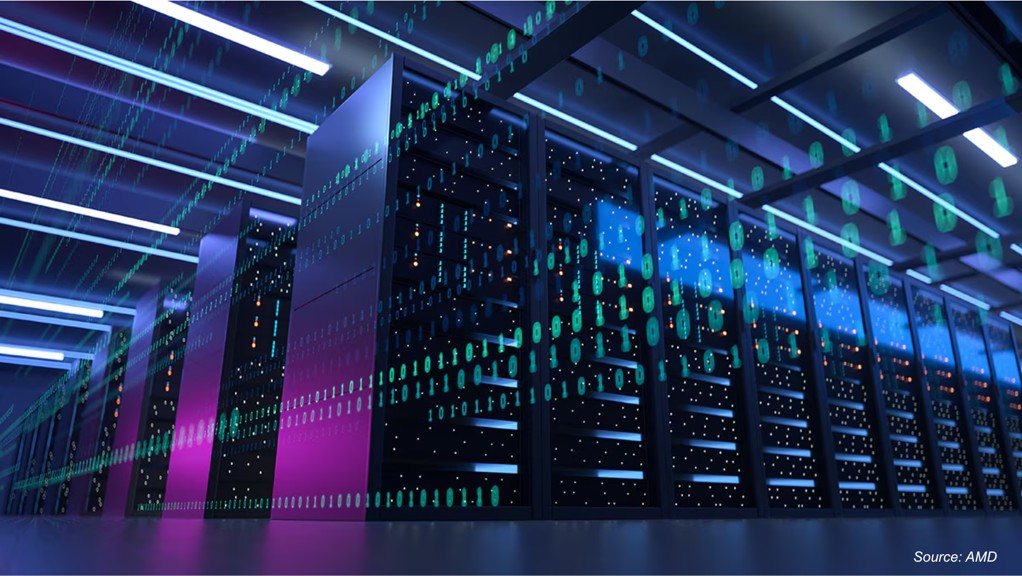
The expansion of the Data Center Market is increasing scrutiny of electricity consumption, energy sourcing, water use, and the environmental footprint of large computing facilities. As data center capacity grows, operators face greater pressure to secure dependable electricity while managing operating costs, improving resource efficiency, and meeting environmental commitments.
Renewable energy procurement has become an important element of this transition. The IEA reported that technology companies accounted for approximately 40% of all corporate renewable-energy power purchase agreements signed in 2025. The agency also highlighted growing interest in nuclear energy, advanced geothermal technologies, and other approaches intended to support rising electricity demand from data centers.
A June 2026 announcement by Meta and Reliance Industries illustrates how energy and resource considerations are becoming part of data center development. The companies announced plans for a 168 MW AI-enabled data center in Jamnagar, Gujarat, which Meta will lease, with options to expand capacity. The announcement also highlighted cooling using desalinated seawater and separate agreements by Meta with CleanMax and Fourth Partner Energy to support nearly 1 GW of renewable energy capacity in India.
Such initiatives demonstrate that sustainability considerations are becoming increasingly connected to infrastructure design and investment decisions. Renewable electricity agreements support energy procurement strategies, while cooling choices and water-management approaches influence site planning and facility operations. However, the environmental benefits of individual projects depend on factors such as electricity generation sources, water requirements, operating practices, and the performance of installed systems.
Energy efficiency is also an operational priority. Better utilization of computing resources, efficient power distribution, optimized cooling, and infrastructure monitoring can help operators manage electricity requirements as facilities expand. The objective is not simply to add capacity, but to support greater computing output while maintaining operational and resource efficiency.
For developers, technology providers, and investors, these priorities create opportunities in energy-efficient equipment, renewable power integration, thermal management, energy storage, monitoring systems, and resource optimization. As data center projects become larger and more energy-intensive, the ability to demonstrate responsible and reliable resource management will become increasingly important to long-term development.
Strategic Partnerships and Regional Capacity Expansion Are Accelerating Deployment
Data center investment is increasingly being organized around strategic partnerships, long-term capacity commitments, and region-specific infrastructure development. Cloud providers, AI companies, colocation operators, infrastructure suppliers, and energy partners are working together to deliver capacity that meets computing requirements while addressing local power availability, connectivity, security, and regulatory considerations.
This approach enables technology companies to expand their computing infrastructure without independently managing every aspect of facility development. Depending on the arrangement, partnerships can combine capital investment, data center construction, equipment supply, cloud services, energy procurement, and long-term capacity leasing. These structures also allow developers and customers to align expansion plans with anticipated workload requirements.
Recent investments illustrate this trend. In November 2025, Amazon announced plans to invest up to USD 50 billion to expand AI and high-performance computing infrastructure for U.S. government customers. The planned development is expected to add nearly 1.3 GW of computing capacity across AWS Top Secret, AWS Secret, and AWS GovCloud (US) Regions, with projects set to begin breaking ground in 2026. The investment demonstrates the scale of infrastructure commitments associated with specialized cloud and government computing requirements.
Meta's planned partnership with Reliance in India provides another example of region-specific capacity expansion. The 168 MW facility in Jamnagar is intended to support Meta's services and AI capabilities closer to a major and rapidly growing digital market. Such developments reflect the importance of combining infrastructure scale with geographic reach and the ability to serve local demand.
Regional capacity expansion also creates opportunities for colocation providers, cloud operators, equipment suppliers, construction companies, power infrastructure developers, and engineering service providers. Customers can access computing capacity through specialized infrastructure partnerships rather than bearing the entire investment and operational burden of building facilities themselves.
Nevertheless, the success of these projects depends on execution. Access to capital, power availability, construction schedules, equipment procurement, connectivity, and regulatory approvals all influence the speed at which planned capacity becomes operational. Strategic partnerships help align these requirements, but developers must still coordinate infrastructure delivery with actual customer demand.
As investment continues across established data center hubs and emerging digital markets, partnerships and region-specific deployment strategies are expected to remain important mechanisms for expanding global computing capacity.
The Future Outlook for the Data Center Market
The Data Center Market is evolving into a central pillar of the global digital economy as AI, cloud computing, enterprise digitization, and high-performance computing increase demand for computing capacity. The market was valued at USD 419.42 billion in 2025 and is projected to reach USD 1,282.86 billion by 2035, expanding at a CAGR of 11.14% from 2026 to 2035. The 2026 market estimate stands at USD 495.90 billion.
Five structural changes are shaping this expansion. First, AI workloads are pushing operators toward high-density computing environments that integrate servers, networking, power, and cooling. Second, electricity availability and grid access are becoming critical determinants of project feasibility and deployment timelines. Third, liquid cooling is gaining importance as facilities accommodate increasingly demanding AI and high-performance computing workloads.
Fourth, renewable energy procurement and resource-efficient design are becoming integral to data center planning as operators address energy requirements and environmental considerations. Fifth, strategic partnerships and regional capacity investments are helping cloud providers, AI companies, and infrastructure developers coordinate the delivery of increasingly complex facilities.
These trends also demonstrate that market competition is expanding beyond physical capacity alone. Operators must balance computing performance, energy access, thermal management, operational reliability, resource efficiency, and deployment speed. Infrastructure suppliers that address these interconnected requirements are positioned to benefit from the industry's continued investment cycle.
Looking toward 2035, the Data Center Market is expected to remain an important part of the digital infrastructure ecosystem. Its growth will depend not only on rising demand for computing, but also on the industry's ability to overcome power constraints, deploy suitable cooling technologies, secure investment, and develop facilities that meet increasingly demanding operational requirements.
About the Author
 Mayurima Roy
— Mayurima Roy is Research Analyst at Next Move Strategy Consulting, where she has spent 4 years working across the firm's full industry coverage rather than a single fixed vertical. Her work centers on structured research, ongoing trend tracking, competitive assessment, and insight-led content development, translating complex market data into clear, decision-ready narratives that support informed client decision-making across diverse global industries, market sectors, and world regions every day.
About the Reviewer
 Debashree Dey
— Debashree Dey is Assistant Manager at Next Move Strategy Consulting, where she supports cross-vertical market content and communications across diverse industries for 6 years. Her professional background includes senior content writing, communications, and published manuscript authorship, with experience developing audience-focused business narratives and maintaining clear, consistent messaging. Her role supports research-led content development and editorial quality across NextMSC publications.












Add Comment