Delta Robotics: Collaborative Automation, AI Integration, and Smart Manufacturing Expansion
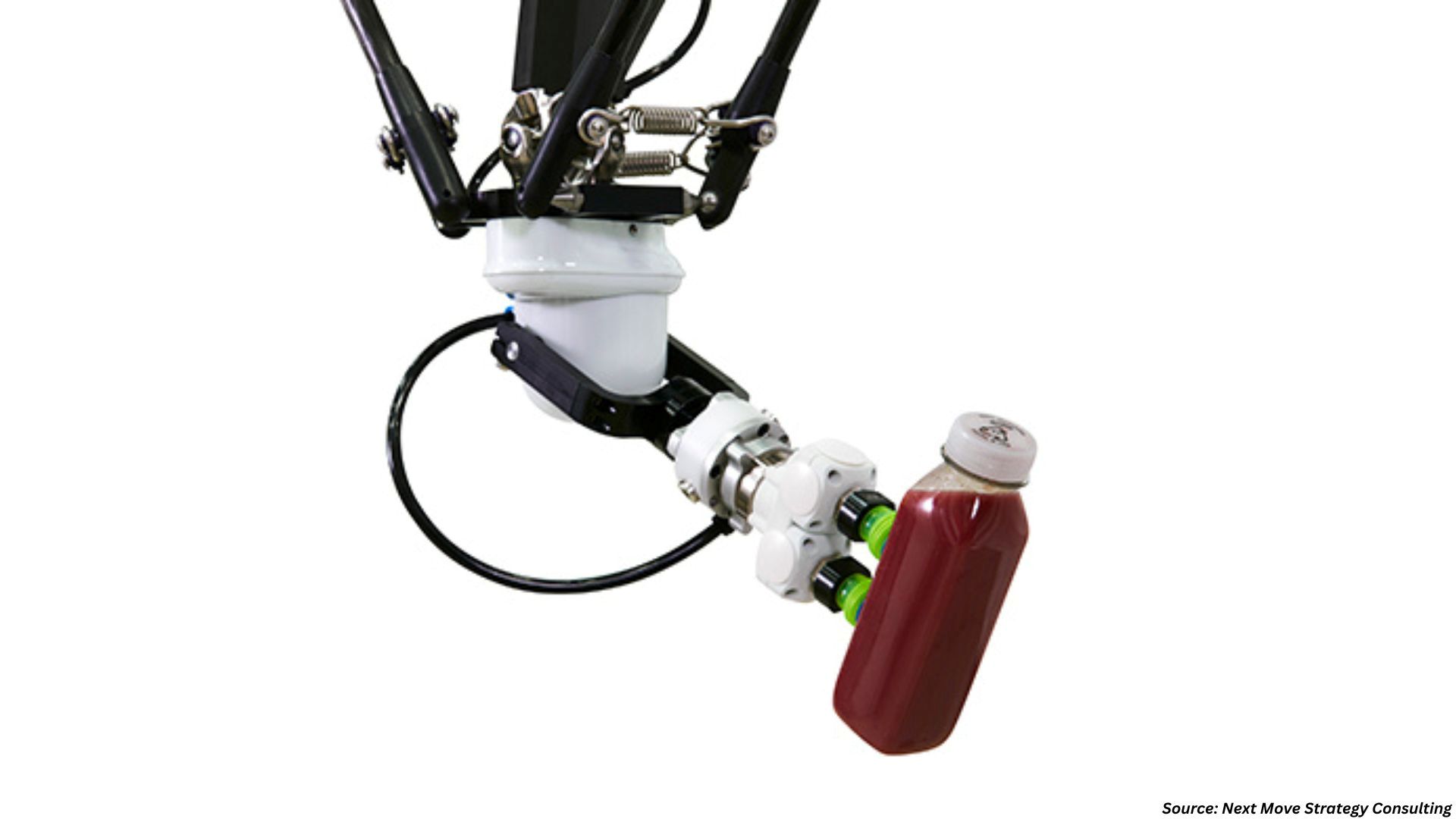
Delta Electronics, a Taiwan-based company specializing in power management and smart green solutions, is advancing its position in intelligent manufacturing through the Delta robotics platform. At SPS 2025 in Nuremberg, the company showcased next-generation collaborative robotics solutions designed to support small and medium-sized enterprises (SMEs) and large industrial operators with scalable automation, AI integration, and flexible production systems.
The platform is designed for integration across production, logistics, and assembly environments and uses a unified architecture for system coordination. It incorporates NVIDIA Omniverse libraries and the NVIDIA Isaac Sim robotics simulation framework to support robot design, testing, and deployment through digital simulation.
D-Bot Robotics Platform in Modern Industrial Systems
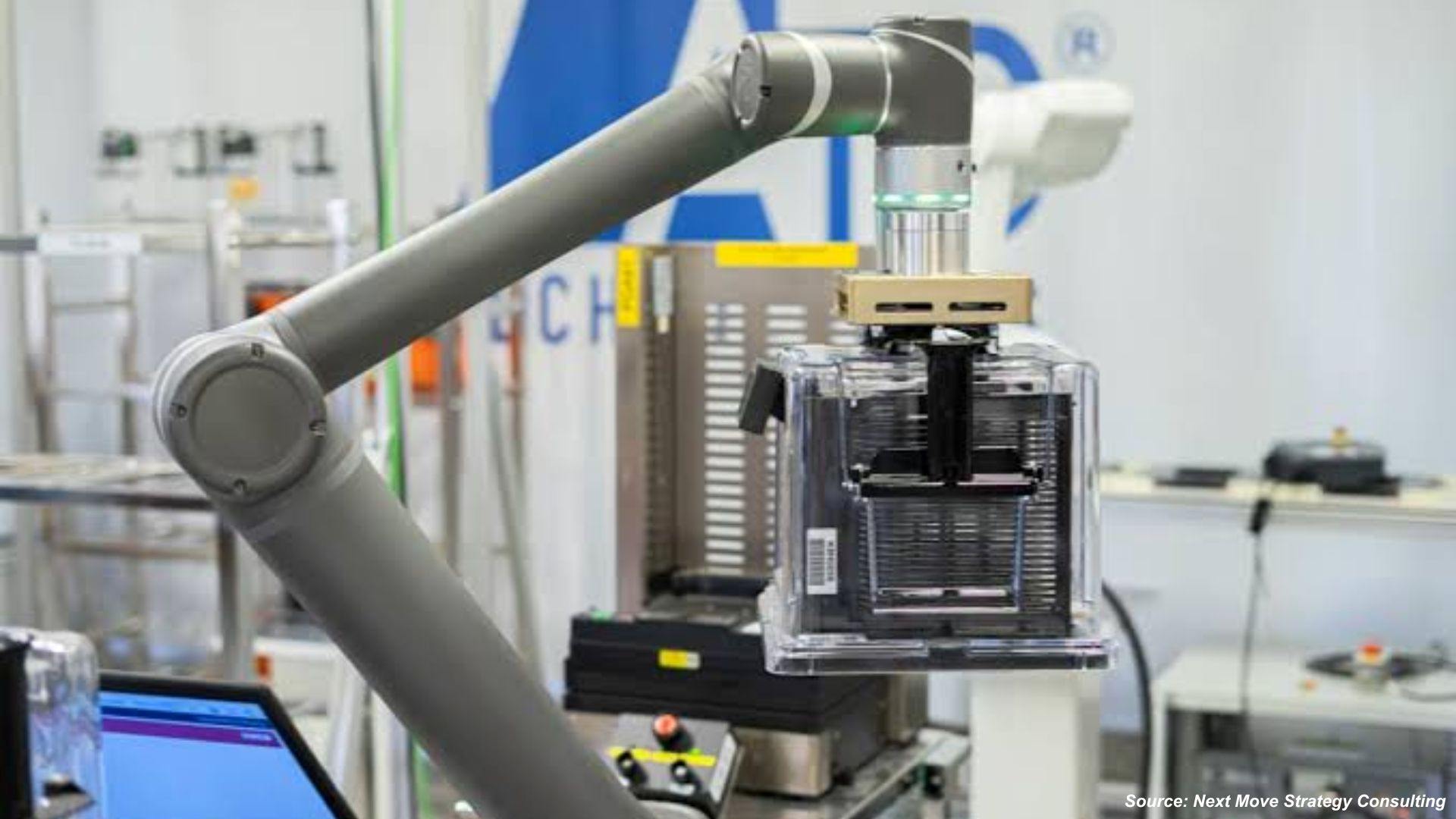
The D-Bot robotics platform is designed as a unified automation system that connects robotics, software, and simulation into a single operational framework. It is built to simplify deployment in manufacturing environments while improving coordination across production, logistics, and assembly operations.
The platform integrates collaborative robotics capabilities with simulation-based development using NVIDIA Omniverse and NVIDIA Isaac Sim. This enables engineers to design, simulate, and validate robotic systems in a virtual environment before physical deployment.
A key feature of the system is its use of digital twin technology to improve testing and deployment efficiency for industrial automation systems.
Our observations at Next Move Strategy Consulting indicate that simulation-driven robotics platforms are increasingly important for manufacturers seeking improved deployment efficiency and system validation before physical implementation.
Expansion of Collaborative Robotics Capabilities
Delta Electronics has expanded its robotics portfolio with collaborative systems focused on human-robot interaction, flexibility, and operational efficiency. The platform is designed to reduce deployment complexity while improving adaptability in dynamic industrial environments.
A major enhancement is the Cognibot-Kit, which adds advanced interaction capabilities to the D-Bot series.
Key Cognitive Features:
360° voice recognition for human-robot interaction
-
3D object recognition for adaptive handling in unstructured environments
-
Real-time adaptive workflows for dynamic industrial operations
The system is connected to the Neuraverse platform, enabling software updates and extended system functionality. It also includes the Power AI Box, an edge computing module that processes data locally and connects to cloud-based services.
Our analysis at Next Move Strategy Consulting indicates that cognitive-enabled robotics systems are enhancing flexibility in industrial automation by improving interaction between humans and machines in dynamic environments.
Digital Twin and NVIDIA Omniverse Integration
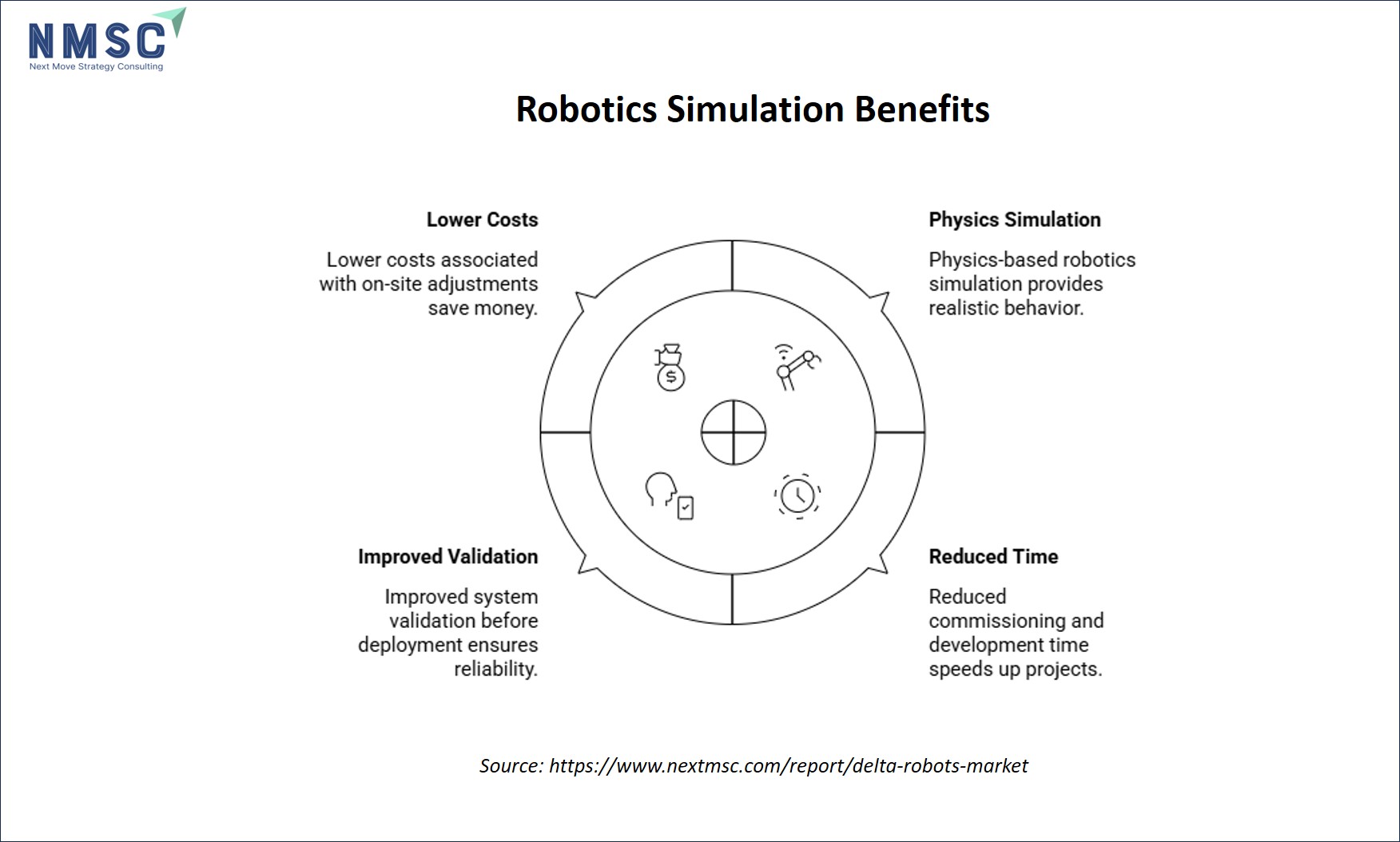
A major advancement in the D-Bot ecosystem is its integration with NVIDIA Omniverse and NVIDIA Isaac Sim, enabling simulation-based robotics development.
This supports a “real-to-sim and sim-to-real” workflow, allowing engineers to design, test, and validate robotic systems in a virtual environment before deployment in physical production settings.
Key Benefits:
Physics-based robotics simulation
-
Reduced commissioning and development time
-
Improved system validation before deployment
-
Lower costs associated with on-site adjustments
At SPS 2025, Delta demonstrated how digital twin workflows can support production, logistics, and quality control optimization.
Our observations at Next Move Strategy Consulting indicate that digital twin integration is becoming an important tool for improving robotics development efficiency and reducing deployment risks in industrial environments.
Safety, Efficiency, and Industrial Deployment
The D-Bot robotics ecosystem includes safety-focused technologies designed to support human-robot collaboration in shared industrial environments. These systems are intended to ensure safe operation while maintaining productivity.
A key safety development includes collaboration with Waveye, which provides radar-based sensing technology to enhance human detection capabilities in industrial environments.
Key safety and operational features:
Radar-based human detection for improved safety
-
Integration with existing industrial safety systems
-
Support for human-robot collaboration in shared workspaces
-
Designed for continuous industrial operation environments
We observe that safety integration is becoming a critical requirement in collaborative robotics, directly influencing deployment decisions in manufacturing industries.
Industry Applications and Operational Importance
Delta’s collaborative robotics systems are applicable across manufacturing, logistics, and assembly operations. These systems are designed for environments requiring flexibility, precision, and scalable automation.
Key Applications:
Industrial assembly and machine tending
-
Packaging and material handling
-
Warehouse and intralogistics operations
-
Flexible production line automation
The integration of collaborative robotics with simulation and AI systems supports more efficient production workflows and improved operational coordination.
Our observations at Next Move Strategy Consulting indicate that integrated robotics platforms are increasingly important as manufacturers focus on improving operational efficiency while reducing system complexity.
According to Next Move Strategy Consulting: Industry Impact
According to Next Move Strategy Consulting, developments in Delta’s D-Bot robotics platform reflect a broader shift toward:
Simulation-driven robotics development
-
Integrated AI and automation ecosystems
-
Increased adoption of digital twin technologies
-
Enhanced human-robot collaboration systems
These trends indicate a transition toward more connected, flexible, and intelligent manufacturing environments where robotics, AI, and simulation operate as unified systems.
Next Steps for Industry Stakeholders
-
Adopt simulation-based robotics development for faster validation
-
Integrate AI-enabled robotics systems for improved flexibility
-
Explore digital twin technologies for production optimization
-
trengthen human-robot collaboration safety systems
-
Evaluate unified robotics platforms for scalable automation
Conclusion
The D-Bot robotics platform showcased at SPS 2025 highlights Delta Electronics’ focus on integrated automation, simulation-driven development, and collaborative robotics. With support for NVIDIA Omniverse, Isaac Sim, Cognibot-Kit, and radar-based safety integration, the platform demonstrates how industrial robotics is evolving toward more adaptive, intelligent, and efficient manufacturing systems.
About the Author
 Sanyukta Deb
— Sanyukta Deb is Digital Marketing Team Lead at Next Move Strategy Consulting, where she has led content strategy and technical SEO for the firm's B2B market research publications for over 2 years. Her editorial process translates NextMSC's primary and secondary research — spanning technology, industrial, and consumer sectors — into commercial narratives, backed by search-intent, keyword, and competitive analysis. She brings 5 years of overall experience in digital marketing and content strategy.
Sanyukta Deb
— Sanyukta Deb is Digital Marketing Team Lead at Next Move Strategy Consulting, where she has led content strategy and technical SEO for the firm's B2B market research publications for over 2 years. Her editorial process translates NextMSC's primary and secondary research — spanning technology, industrial, and consumer sectors — into commercial narratives, backed by search-intent, keyword, and competitive analysis. She brings 5 years of overall experience in digital marketing and content strategy.
About the Reviewer
 Debashree Dey
— Debashree Dey is Assistant Manager at Next Move Strategy Consulting, where she supports cross-vertical market content and communications across diverse industries for 6 years. Her professional background includes senior content writing, communications, and published manuscript authorship, with experience developing audience-focused business narratives and maintaining clear, consistent messaging. Her role supports research-led content development and editorial quality across NextMSC publications.
Debashree Dey
— Debashree Dey is Assistant Manager at Next Move Strategy Consulting, where she supports cross-vertical market content and communications across diverse industries for 6 years. Her professional background includes senior content writing, communications, and published manuscript authorship, with experience developing audience-focused business narratives and maintaining clear, consistent messaging. Her role supports research-led content development and editorial quality across NextMSC publications.















Add Comment