How AI-Powered Software Is Transforming Modern Business Operations

Artificial intelligence (AI) has moved from being an emerging technology to becoming a practical part of modern business operations. Companies across industries are using AI-powered software to automate repetitive processes, improve customer experiences, analyze large amounts of data, and support faster decision-making. As businesses become increasingly digital, AI is helping organizations operate more efficiently while allowing employees to focus on higher-value responsibilities.
From customer service and marketing to finance and workflow management, AI-powered solutions are changing how companies manage their everyday activities. The technology is particularly valuable for organizations looking to reduce operational costs, improve productivity, and deliver more personalized services.
Automating Repetitive Business Tasks
One of the most significant advantages of AI-powered software is automation. Many businesses spend considerable time on repetitive administrative tasks such as data entry, appointment scheduling, document processing, email sorting, and customer inquiries.
AI systems can handle many of these activities automatically. Intelligent software can categorize information, recognize patterns, generate responses, and route tasks to the appropriate employee or department. This reduces the amount of manual work required and minimizes the possibility of human errors.
For example, AI-powered workflow platforms can automatically assign tasks based on predefined rules and business requirements. Employees can then spend more time on activities that require creativity, strategic thinking, and human judgment.
Improving Customer Service
Customer expectations have changed significantly as digital communication has become more common. Customers want quick responses and convenient access to businesses across multiple communication channels.
AI-powered customer service software can help companies respond to customers around the clock. AI chatbots and virtual assistants can answer frequently asked questions, provide basic information, collect customer details, and direct complex requests to human representatives.
Voice-based AI systems are also becoming increasingly useful. Businesses that receive a high volume of calls can use intelligent answering solutions to ensure that inquiries are handled even when employees are unavailable. For specialized industries such as legal services, companies can evaluate options such as a top legal answering service to improve call handling, capture potential client information, and ensure important inquiries are not missed.
The combination of AI automation and human support creates a more responsive customer service experience without requiring businesses to expand their support teams at the same rate as customer demand.
Enhancing Business Decision-Making
Modern organizations generate enormous amounts of data every day. Sales transactions, website interactions, customer feedback, marketing performance, and operational metrics can all provide valuable insights. However, analyzing this information manually can be time-consuming.
AI-powered analytics software can process large datasets and identify patterns that may not be immediately obvious to human analysts. Businesses can use these insights to understand customer behavior, identify operational inefficiencies, forecast demand, and evaluate business performance.
Predictive analytics is another important application. AI systems can analyze historical information and use it to estimate potential future outcomes. For example, a company may use predictive models to forecast product demand or identify customers who are more likely to make another purchase.
Better access to data-driven insights allows decision-makers to respond more quickly to changing market conditions.
Transforming Marketing and Sales
AI is also having a major impact on marketing and sales operations. Businesses can use AI tools to analyze customer preferences, segment audiences, personalize communications, and optimize advertising campaigns.
Generative AI can assist marketing teams by creating initial drafts for blog posts, product descriptions, email campaigns, social media content, and other marketing materials. While human review remains important, these tools can significantly reduce the time required to produce content.
Sales teams can also use AI to prioritize leads based on their likelihood of converting. Instead of treating every prospect equally, intelligent systems can analyze customer interactions and identify opportunities that deserve immediate attention.
This combination of automation, personalization, and predictive analysis enables businesses to create more efficient sales and marketing processes.
Supporting Employees and Productivity
AI-powered software does not simply replace manual processes; it can also act as a productivity assistant for employees. Modern AI tools can summarize documents, organize information, generate reports, assist with research, and help employees find relevant information quickly.
For example, an employee preparing a business report may use AI software to organize large quantities of information into a structured summary. A project manager may use intelligent software to identify overdue tasks and highlight potential workflow bottlenecks.
These capabilities can help employees complete routine activities faster and focus their attention on strategic responsibilities.
Strengthening Business Operations With Intelligent Workflows
Business operations often involve multiple departments working together. A delay in one process can affect several other areas of an organization. AI-powered workflow software can help companies coordinate these activities more effectively.
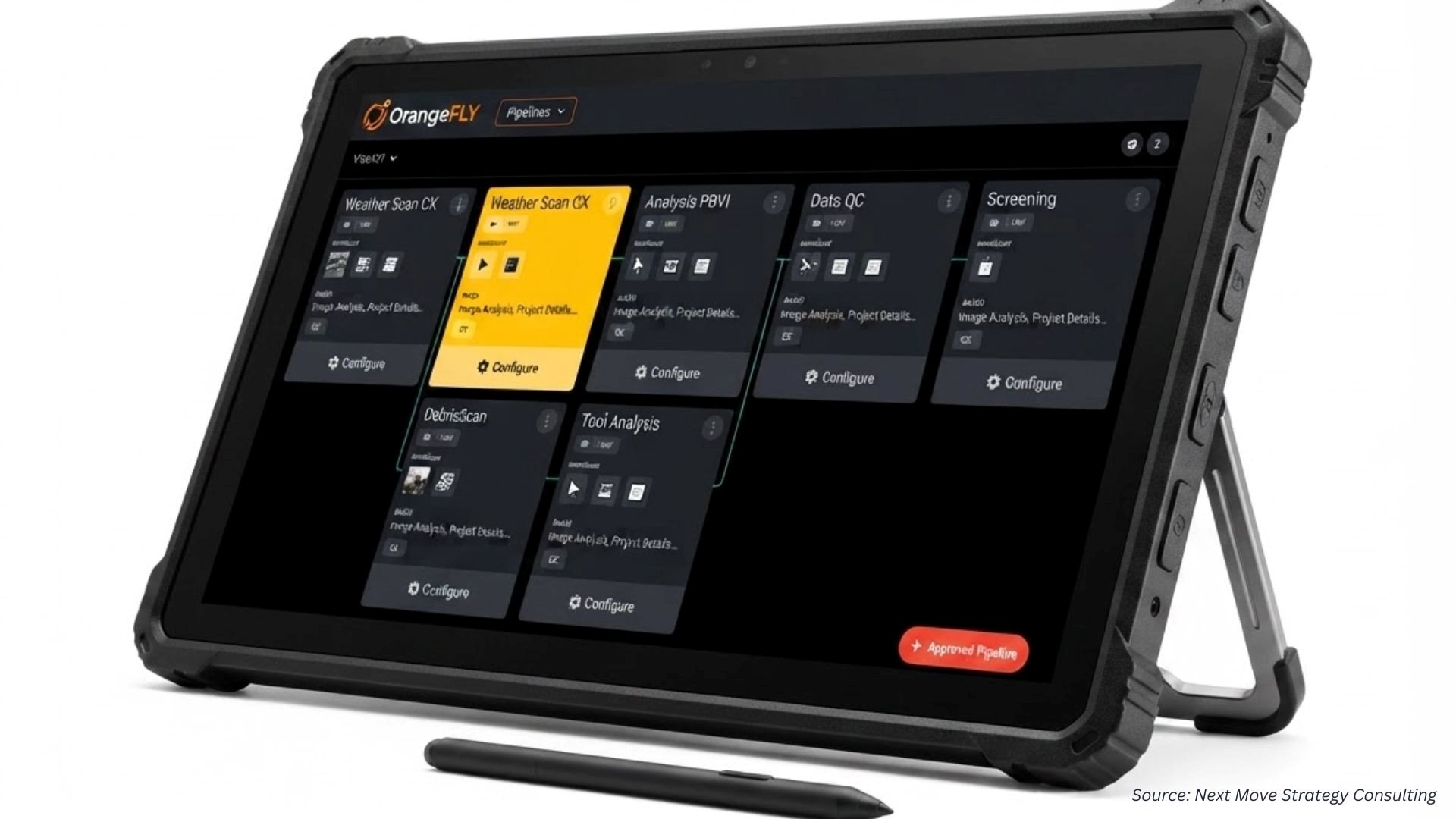
Intelligent workflow systems can monitor processes, identify delays, trigger automated actions, and notify employees when intervention is required. This creates a more connected operational environment.
For example, when a customer submits a request, an AI-enabled workflow could automatically record the information, categorize the request, assign it to the correct team, and notify the responsible employee. This reduces unnecessary handoffs and makes processes easier to track.
Improving Operational Efficiency
Cost efficiency is another reason businesses are adopting AI. Automation can help organizations handle larger workloads without increasing staffing requirements at the same rate.
AI can also identify inefficiencies that may otherwise go unnoticed. By analyzing operational data, businesses can determine where resources are being wasted, which processes are taking too long, and where automation could provide the greatest benefit.
However, successful implementation requires more than simply purchasing AI software. Organizations should identify specific operational challenges and select solutions that address measurable business needs.
AI and the Future of Business Operations
The role of AI in business is expected to continue expanding. As AI technologies become more capable, businesses will increasingly integrate intelligent features into customer service platforms, enterprise software, analytics systems, communication tools, and workflow applications.
The future will likely involve closer collaboration between humans and AI rather than complete automation of every business function. AI can process information and automate routine activities, while employees continue to provide judgment, creativity, empathy, and strategic direction.
Organizations that successfully combine these capabilities can create more flexible and efficient operating models.
Conclusion
AI-powered software is transforming modern business operations by automating repetitive work, improving customer service, supporting data-driven decisions, enhancing marketing, and increasing employee productivity. Its ability to process information quickly and identify patterns makes it valuable across a wide range of industries.
As businesses continue to adopt digital technologies, AI will become an increasingly important part of everyday operations. Companies that approach AI strategically—focusing on practical use cases, measurable outcomes, data quality, and human oversight—can use the technology to improve efficiency while delivering better experiences to customers and employees.
The most successful organizations will not simply adopt AI because it is technologically advanced. Instead, they will identify where intelligent automation can solve real operational challenges and integrate those capabilities into their broader business strategy.
About the Author
 Sanyukta Deb
— Sanyukta Deb is Digital Marketing Team Lead at Next Move Strategy Consulting, where she has led content strategy and technical SEO for the firm's B2B market research publications for over 2 years. Her editorial process translates NextMSC's primary and secondary research — spanning technology, industrial, and consumer sectors — into commercial narratives, backed by search-intent, keyword, and competitive analysis. She brings 5 years of overall experience in digital marketing and content strategy.
Sanyukta Deb
— Sanyukta Deb is Digital Marketing Team Lead at Next Move Strategy Consulting, where she has led content strategy and technical SEO for the firm's B2B market research publications for over 2 years. Her editorial process translates NextMSC's primary and secondary research — spanning technology, industrial, and consumer sectors — into commercial narratives, backed by search-intent, keyword, and competitive analysis. She brings 5 years of overall experience in digital marketing and content strategy.
About the Reviewer
 Debashree Dey
— Debashree Dey is Assistant Manager at Next Move Strategy Consulting, where she supports cross-vertical market content and communications across diverse industries for 6 years. Her professional background includes senior content writing, communications, and published manuscript authorship, with experience developing audience-focused business narratives and maintaining clear, consistent messaging. Her role supports research-led content development and editorial quality across NextMSC publications.
Debashree Dey
— Debashree Dey is Assistant Manager at Next Move Strategy Consulting, where she supports cross-vertical market content and communications across diverse industries for 6 years. Her professional background includes senior content writing, communications, and published manuscript authorship, with experience developing audience-focused business narratives and maintaining clear, consistent messaging. Her role supports research-led content development and editorial quality across NextMSC publications.

















Add Comment