How Are Fast Attack Craft Reshaping Modern Naval Conflict?
Why Fast Attack Craft Matter Now
Fast Attack Craft Market have emerged as a decisive force in modern naval warfare, particularly in constrained and high-risk maritime environments such as the Strait of Hormuz. Recent 2026 developments highlight how these small, agile vessels are disrupting global trade, challenging naval superiority, and forcing militaries to rethink response strategies.
Unlike traditional warships, FAC rely on speed, maneuverability, and asymmetric tactics to create disproportionate impact. Their growing use in the ongoing Iran-related conflict demonstrates a shift toward unconventional maritime warfare.
What Makes Fast Attack Craft a Strategic Threat?

Fast Attack Craft Capabilities in Modern Warfare
Fast attack craft are small, nimble vessels designed for rapid strikes and harassment missions. Recent developments show that Iranian patrol boats are often powered by twin outboard motors, making them highly mobile and difficult to detect using conventional systems. These vessels can deploy mines, conduct hit-and-run attacks, and operate without the need for large ports.
They are also capable of carrying rockets, short-range missiles, and explosive payloads, allowing them to inflict damage disproportionate to their size.
Real-World Impact: Strait of Hormuz Disruptions
Recent incidents confirm the operational effectiveness of fast attack craft. A cargo ship reported being attacked by multiple small craft near Iran, and there have been at least two dozen such incidents since the conflict began. These attacks have elevated the threat level in the region, disrupted shipping routes, and intensified geopolitical tensions.

How Do Fast Attack Craft Enable Asymmetric Warfare?
The Power of Swarm Tactics
Fast attack craft are frequently used in coordinated swarm attacks, where multiple small boats overwhelm larger vessels through simultaneous strikes, rapid maneuvering, and unpredictable movement. These tactics increase the complexity of defense and raise the likelihood of successful attacks.
Strategic Advantage in Chokepoints
The Strait of Hormuz remains one of the world’s most critical maritime chokepoints, with around 20% of global liquefied natural gas and seaborne oil trade passing through it between 2023 and 2025. In such narrow waterways, large ships face limitations in maneuverability, while dense traffic conditions create confusion. These factors provide a natural advantage to smaller, faster vessels operating at short engagement distances.
Understanding the Strategic Impact of Fast Attack Craft
The pie chart presents a structured view of how fast attack craft influence different aspects of modern naval conflict. Each segment reflects the relative weight of their impact across operational, economic, and strategic dimensions.
The largest share, 30%, represents the operational threat. This highlights that the primary role of fast attack craft lies in direct combat activities such as swarm attacks, hit-and-run tactics, and mine deployment. Their ability to rapidly engage targets and evade detection makes them a persistent tactical challenge.
The next significant portion, 25%, focuses on trade disruption. Fast attack craft have a substantial effect on global shipping routes, particularly in critical chokepoints. Their presence increases risk for commercial vessels, leading to delays, rerouting, and broader economic consequences.
At 20%, military response reflects the scale of effort required to counter these threats. This includes the deployment of air power, surveillance systems, and naval patrols. The size of this segment indicates that considerable resources are being allocated to mitigate the risks posed by these vessels.
The 15% share attributed to strategic control underscores how fast attack craft contribute to dominance over key maritime regions. By operating effectively in narrow waterways, they enable control over critical routes, influencing both military and political outcomes.
Finally, 10% represents technological evolution. This segment shows how the rise of fast attack craft is driving innovation in defense systems, particularly in counter-swarm technologies and advanced monitoring solutions.

How Are Militaries Countering Fast Attack Craft Threats?

Air Power as a Key Countermeasure
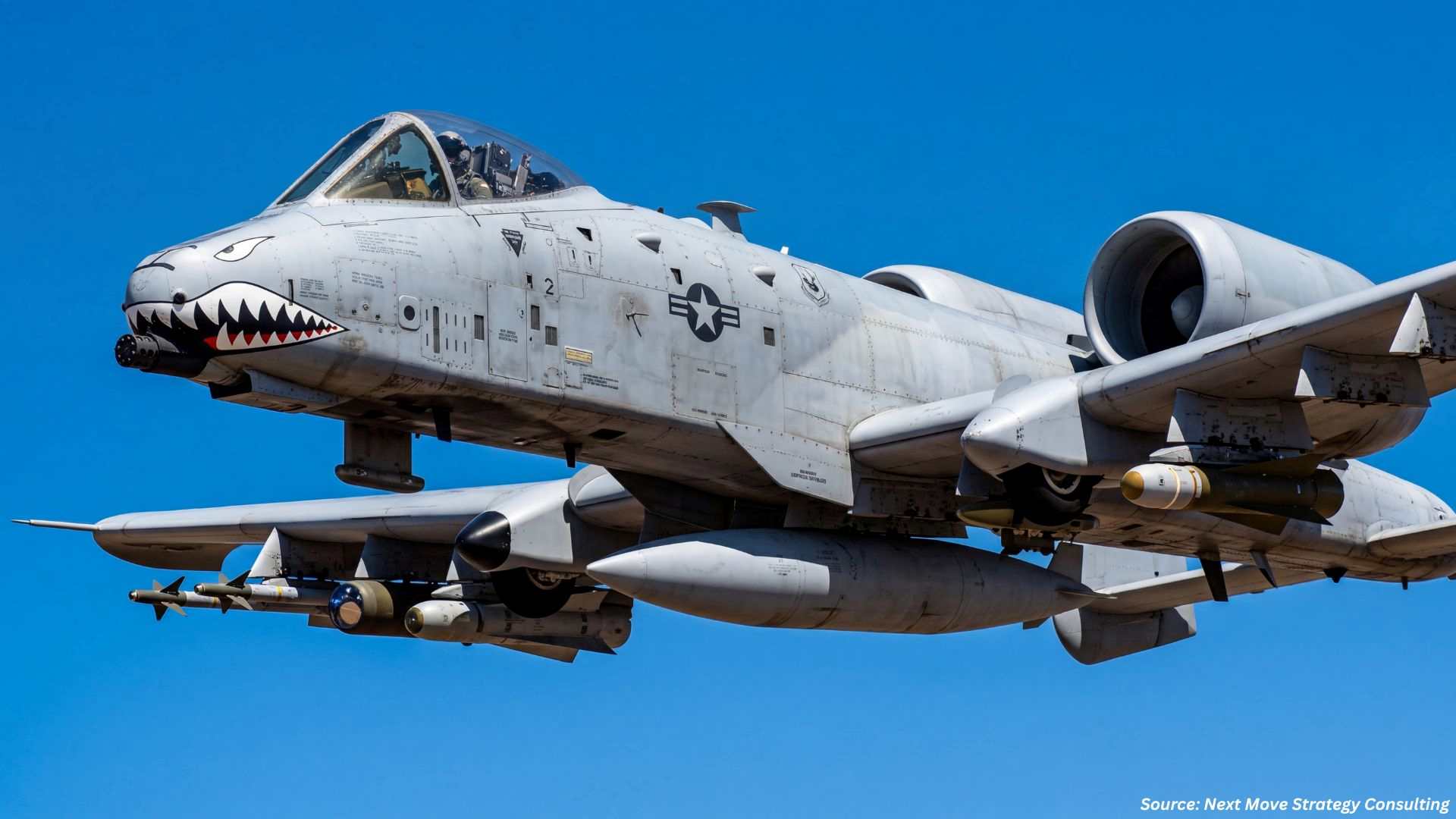
Recent operations demonstrate that air power is being used to counter fast attack craft threats. The A-10 Thunderbolt II aircraft is actively deployed in maritime interdiction missions, targeting small hostile vessels in the Strait of Hormuz.
Its effectiveness lies in its ability to loiter over contested areas for extended periods, enabling continuous surveillance and rapid response. The aircraft also allows enhanced visual identification of small vessels and can deploy precision-guided munitions against targets.
Scale of Military Response
Recent operations have resulted in the targeting or destruction of more than 120 vessels and dozens of mine-laying assets. Despite these efforts, hundreds of smaller fast attack craft remain operational, continuing to pose a challenge due to their size and mobility.
Policy and Military Directives
In response to escalating threats, strict engagement directives have been issued, allowing forces to neutralize hostile boats deploying mines or threatening maritime security.
Key Industry Players Driving the Fast Attack Craft Sector
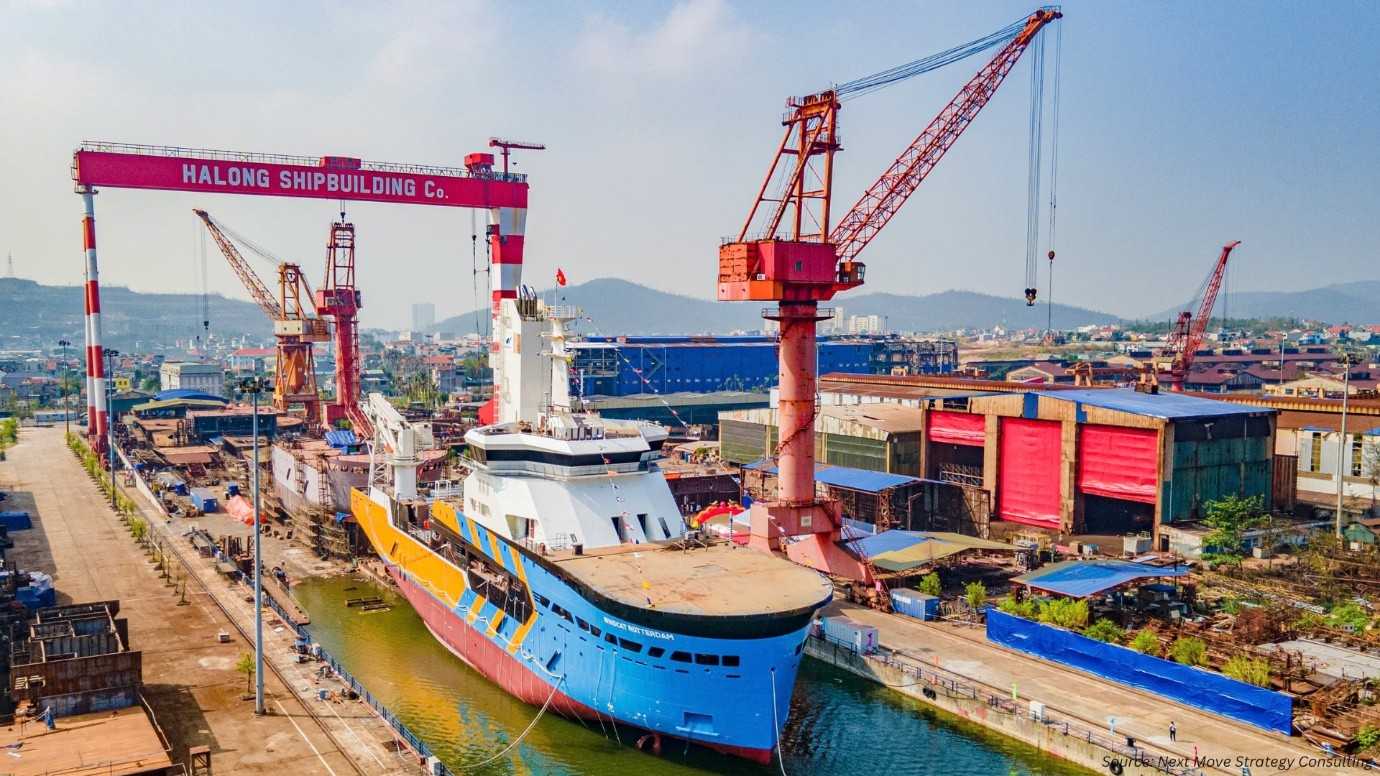
The fast attack craft industry is supported by a diverse group of global shipbuilders and defense manufacturers, including FINCANTIERI S.p.A., BAE Systems plc, Navantia S.A., Garden Reach Shipbuilders & Engineers Ltd. (GRSE), Goa Shipyard Limited, Damen Shipyards Group, China Shipbuilding & Offshore International Co., Ltd. (CSOC), Constructions Mécaniques de Normandie (CMN), Lürssen Werft GmbH & Co. KG, and Hanjin Heavy Industries & Construction Co. Ltd., among others.
These companies are actively strengthening their market position by pursuing strategic initiatives such as collaborations, partnerships, and joint development programs to maintain competitiveness and expand their presence in the fast attack craft segment.

Next Steps: What Should Stakeholders Do?
-
Enhance maritime surveillance systems to improve detection and tracking of small, fast-moving vessels in high-risk zones
-
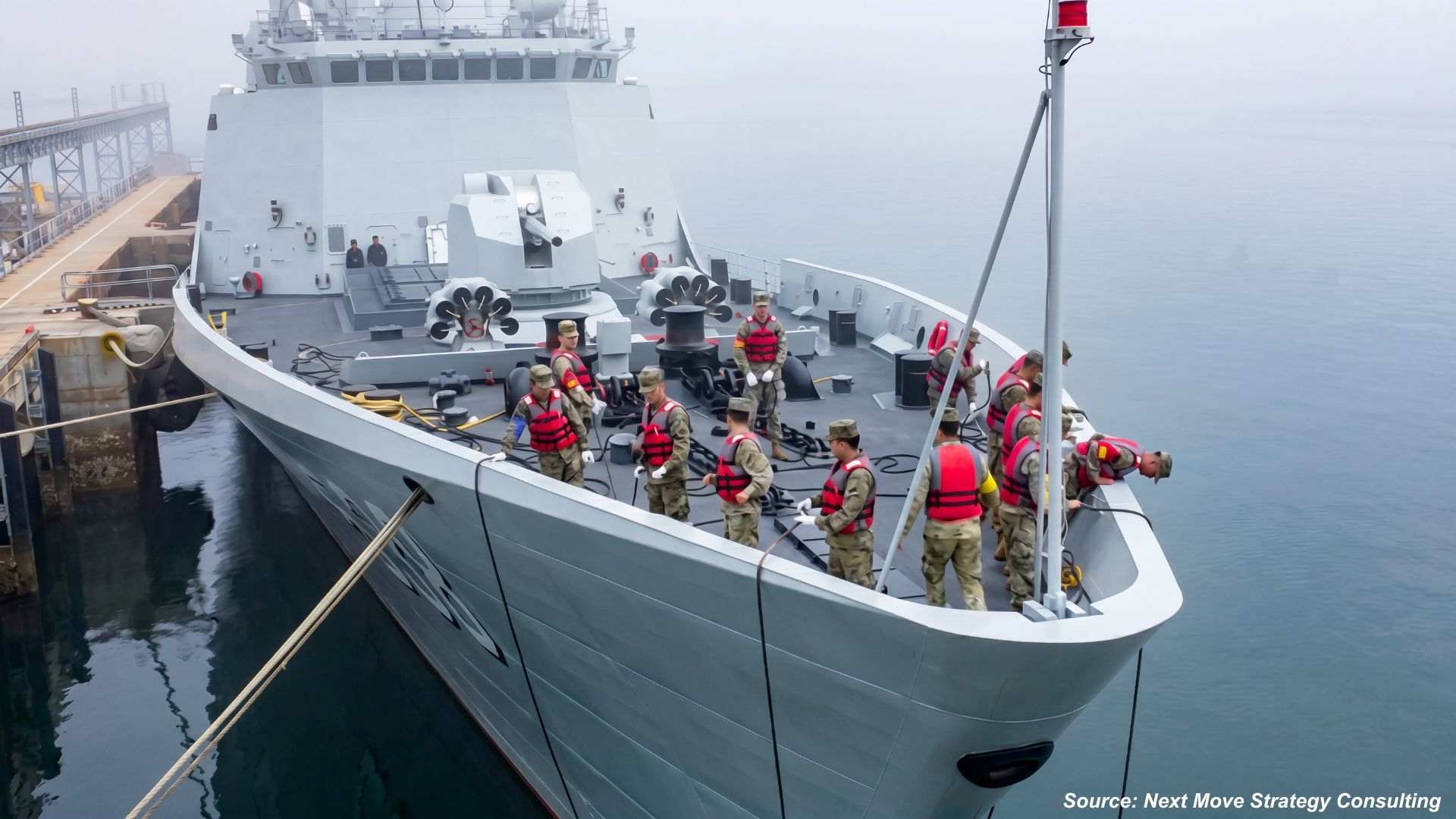
Strengthen coordination between air and naval forces to enable faster and more precise response to fast attack craft threats
-
Increase security presence in strategic chokepoints such as the Strait of Hormuz to ensure safe passage of commercial shipping
-
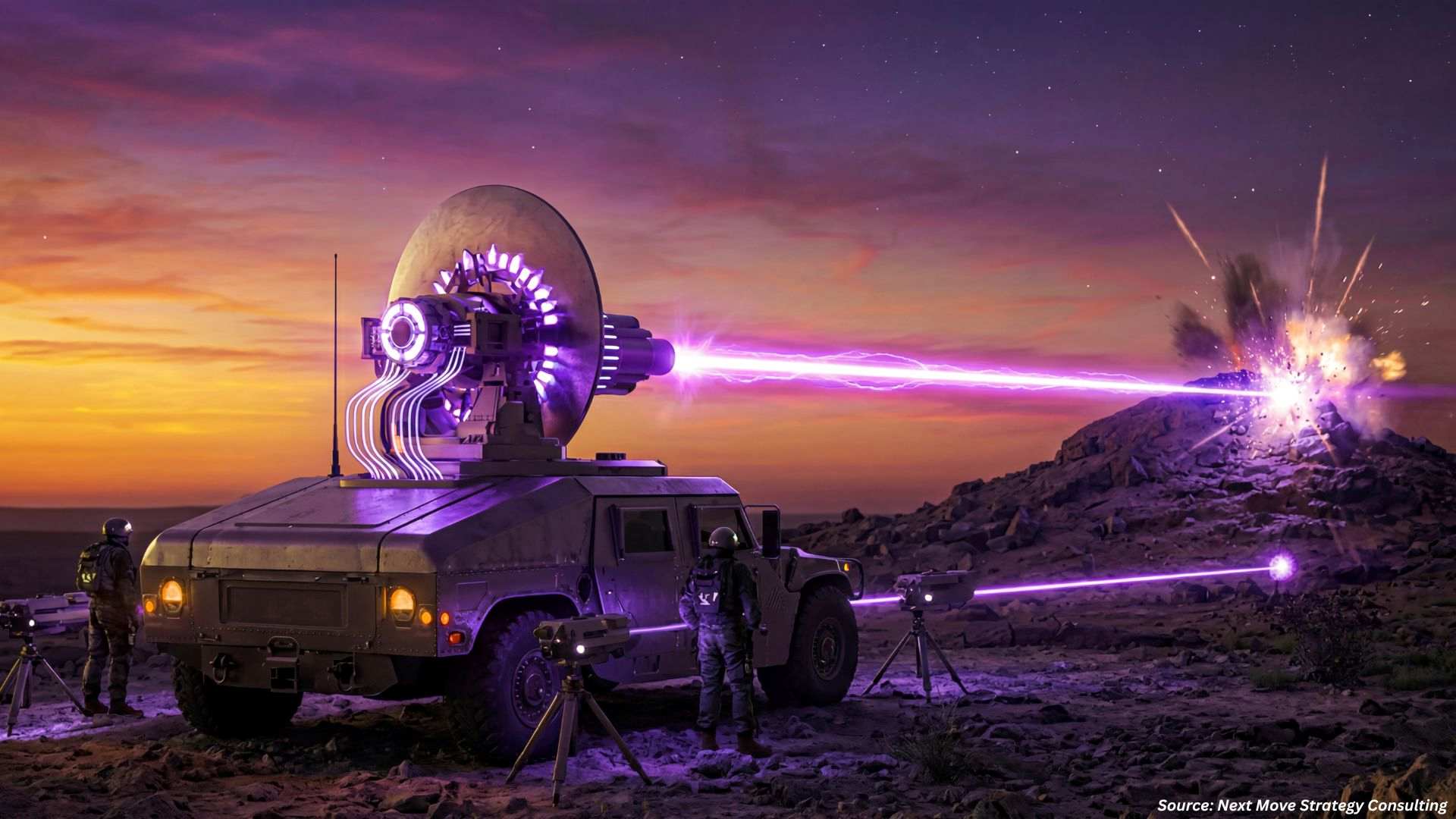
Invest in counter-swarm technologies designed to neutralize multiple small threats simultaneously
-
Encourage diplomatic engagement to reduce tensions and minimize disruptions to global trade routes
Final Thoughts: Are Fast Attack Craft the Future of Naval Warfare?
Fast attack craft are no longer supplementary assets; they are central to modern maritime conflict. Their effectiveness in the Strait of Hormuz demonstrates how smaller, agile platforms can challenge even the most advanced military forces.
However, their rise also exposes vulnerabilities in global trade systems and highlights the need for adaptive defense strategies.
About the Author
 Tania Dey
— Tania Dey is a content writer specializing in transformation-led, insight-driven storytelling. She develops research-backed, high-impact content aligned with evolving business priorities, digital behavior, and audience expectations. Her work helps organizations sharpen value propositions, strengthen visibility, and communicate strategic intent with clarity and precision. Grounded in data-informed storytelling, she brings a strong focus on relevance, consistency, and measurable digital impact across platforms.
Tania Dey
— Tania Dey is a content writer specializing in transformation-led, insight-driven storytelling. She develops research-backed, high-impact content aligned with evolving business priorities, digital behavior, and audience expectations. Her work helps organizations sharpen value propositions, strengthen visibility, and communicate strategic intent with clarity and precision. Grounded in data-informed storytelling, she brings a strong focus on relevance, consistency, and measurable digital impact across platforms.
About the Reviewer
 Sanyukta Deb
— Sanyukta Deb is Digital Marketing Team Lead at Next Move Strategy Consulting, where she has led content strategy and technical SEO for the firm's B2B market research publications for over 2 years. Her editorial process translates NextMSC's primary and secondary research — spanning technology, industrial, and consumer sectors — into commercial narratives, backed by search-intent, keyword, and competitive analysis. She brings 5 years of overall experience in digital marketing and content strategy.
Sanyukta Deb
— Sanyukta Deb is Digital Marketing Team Lead at Next Move Strategy Consulting, where she has led content strategy and technical SEO for the firm's B2B market research publications for over 2 years. Her editorial process translates NextMSC's primary and secondary research — spanning technology, industrial, and consumer sectors — into commercial narratives, backed by search-intent, keyword, and competitive analysis. She brings 5 years of overall experience in digital marketing and content strategy.















Add Comment