How Are Directed Energy Weapons Reshaping Modern Warfare?
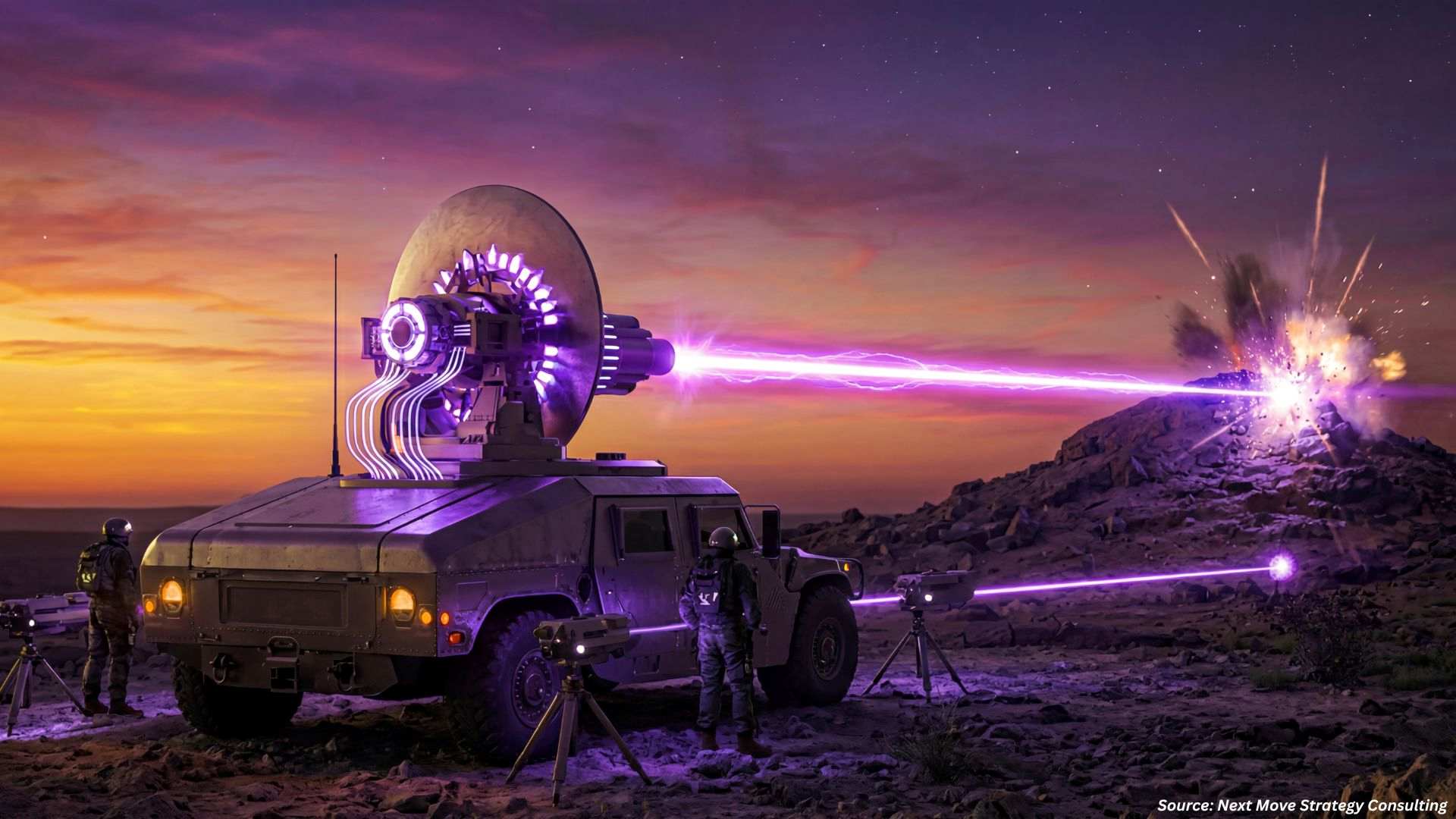
Modern warfare is entering a new phase where speed, precision, and energy efficiency are becoming just as important as firepower. The growing use of low-cost drones, artificial intelligence infrastructure, and advanced surveillance systems has created pressure on traditional defence models that rely heavily on expensive missile interceptors and fuel-intensive operations.
This shift is accelerating growth in the Directed Energy Weapons (DEW) Market, particularly for laser-based systems capable of neutralising threats at significantly lower operational cost. Recent developments in Ukraine and the United States highlight how militaries are increasingly exploring energy-driven defence technologies that can respond faster, improve operational efficiency, and operate more sustainably in complex combat environments.
Why Are Directed Energy Weapons Gaining Attention?
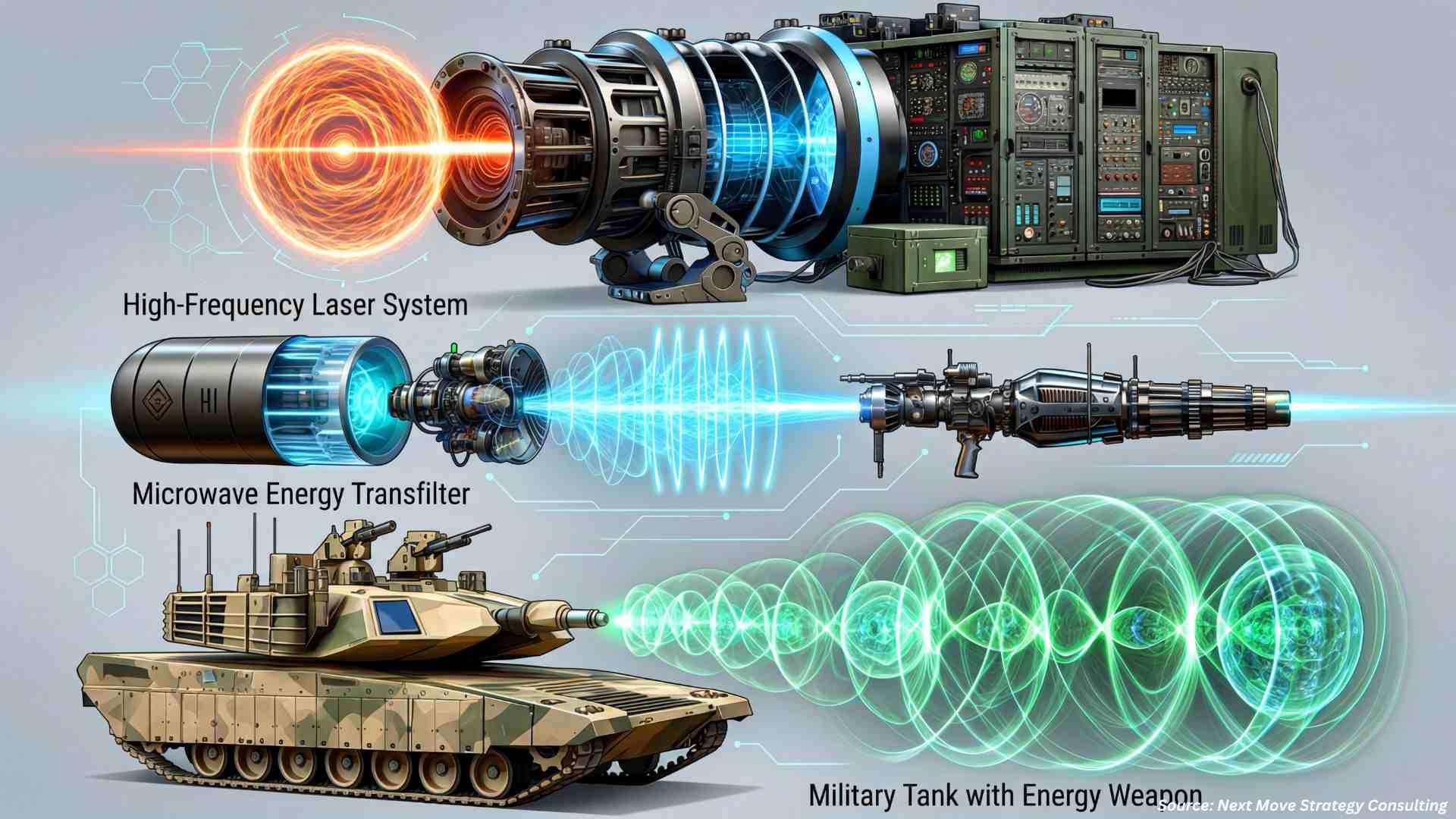
Directed energy systems are gaining momentum because they offer a fundamentally different approach to defence operations. Instead of relying on traditional munitions, these systems use concentrated energy to disable or destroy aerial threats.
Ukraine has been testing a compact laser-based defence platform known as Sunray. The system was reportedly developed over approximately two years in response to sustained drone attacks that placed increasing pressure on existing air defence resources.
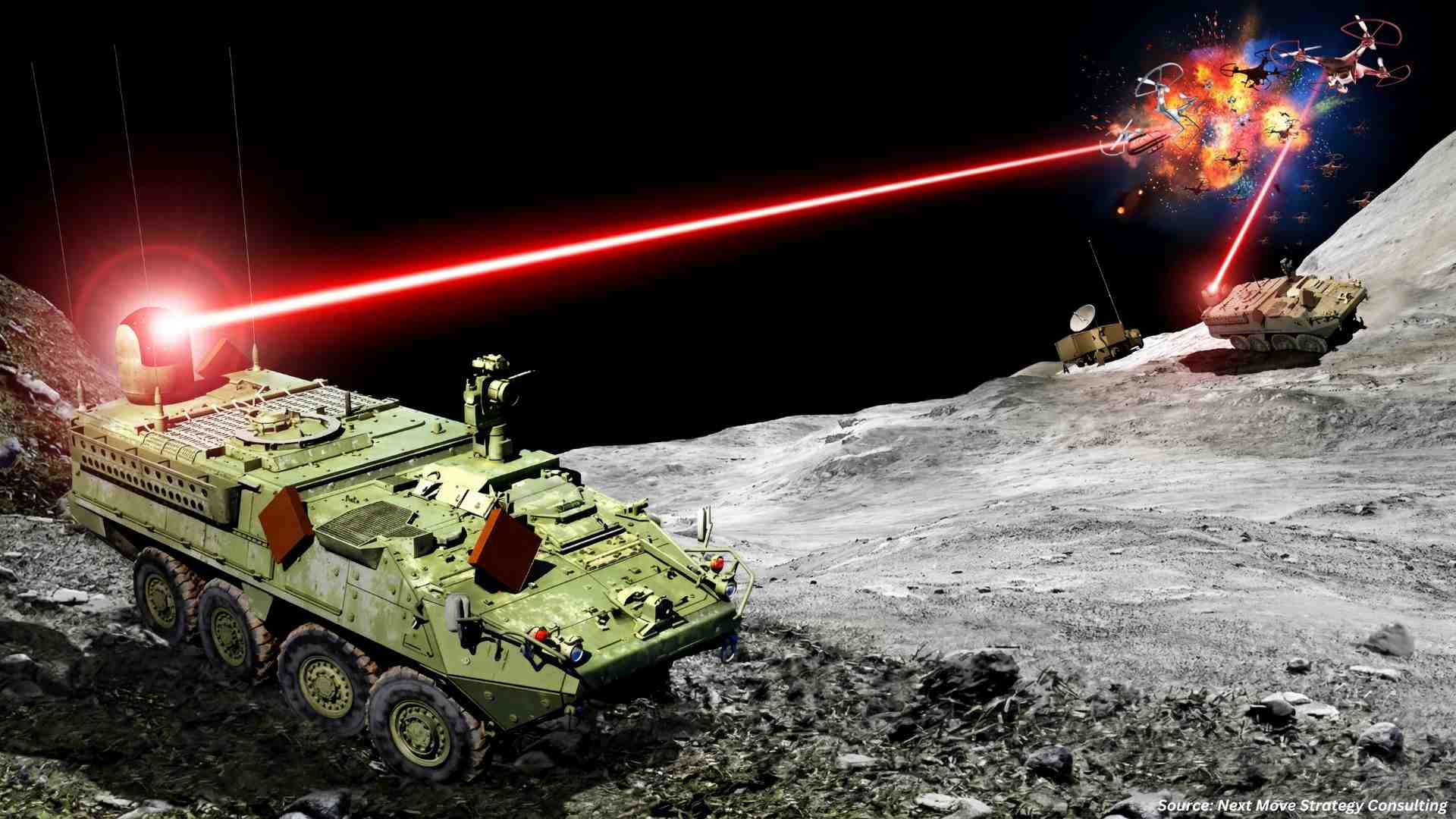
The report described Sunray as a compact system resembling a small telescope equipped with tracking cameras and mounted on a pickup truck. During testing observed by journalists, the laser reportedly ignited a drone within seconds, causing it to fall from the sky.
Unlike conventional missile systems, laser weapons operate with minimal noise and without visible projectiles. This creates operational advantages in situations where rapid engagement and lower interception costs are critical.
How Is Ukraine Using Laser Weapons Against Drone Threats?
Ukraine’s Sunray project reflects how battlefield urgency is reshaping defence technology development. The system was specifically designed to address the growing imbalance between low-cost drones and high-cost interception methods.
The report noted that Ukraine has faced repeated attacks involving relatively inexpensive unmanned aerial systems. In many cases, costly Western-supplied missiles were being used to intercept drones worth only a fraction of the missile price. This economic mismatch pushed Ukrainian engineers to pursue alternative defence solutions.
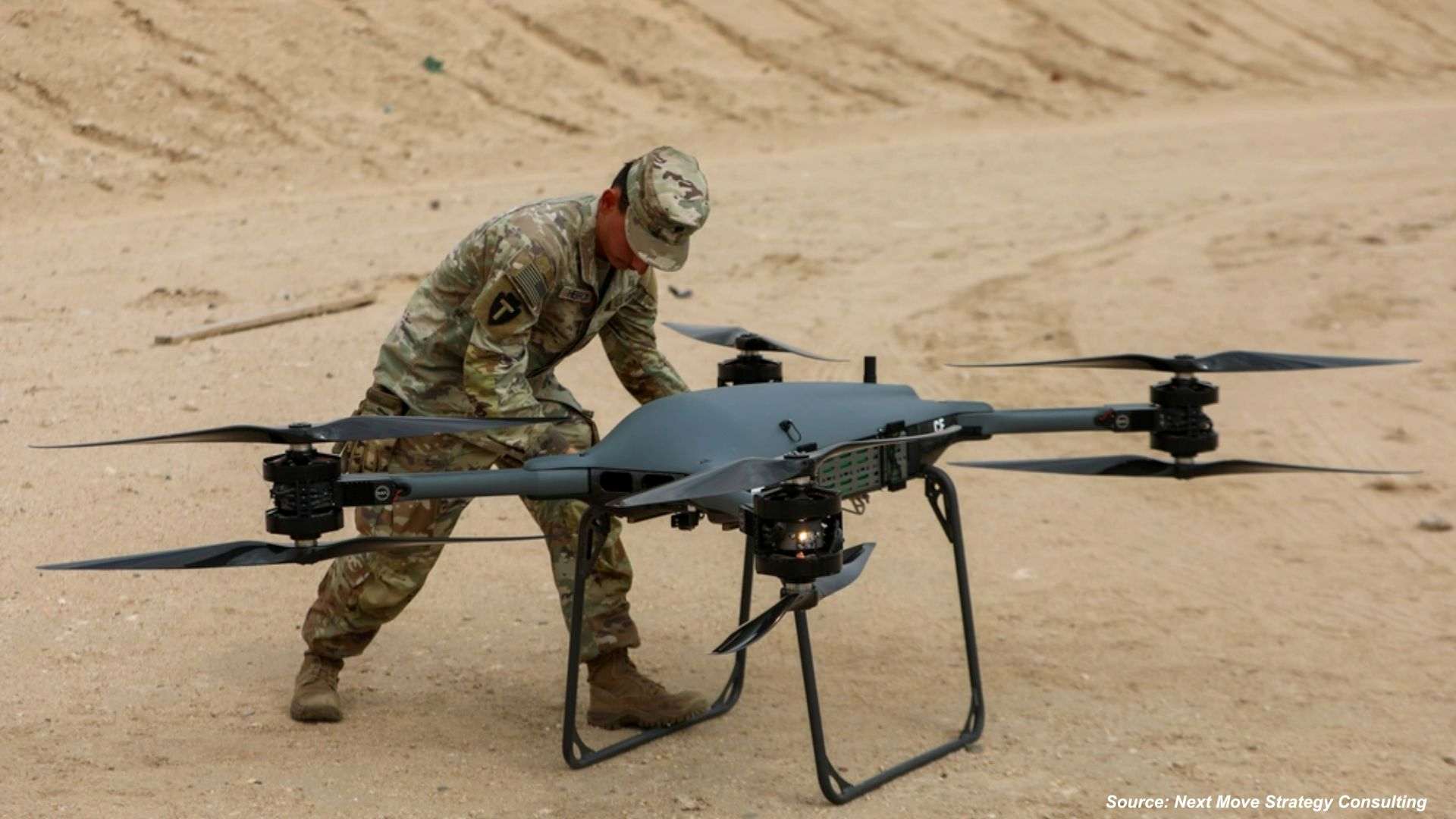
Sunray focuses primarily on short-range threats such as kamikaze drones and reconnaissance UAVs. Automated cameras track incoming targets while operators initiate laser engagement. The ability to respond quickly without consuming traditional ammunition is one of the system’s defining characteristics.
At the same time, the technology is still evolving. Integration into command-and-control systems and maintaining reliable performance under operational conditions remain ongoing challenges.
How Do Advanced Laser Systems Compare with Battlefield Innovations?
The development of directed energy systems is progressing along two parallel paths. One focuses on rapid battlefield adaptation, while the other emphasises highly integrated, long-term defence programmes.
The article compared Ukraine’s Sunray system with the HELIOS platform developed by Lockheed Martin for the United States Navy. Unlike Sunray, HELIOS is integrated into naval combat systems and supports multiple operational roles including surveillance, intelligence gathering, and unmanned aerial defence.
According to the report, HELIOS has demonstrated power levels exceeding 60 kilowatts and is designed with scalable architecture capable of addressing future threats.
This contrast highlights a broader trend within the defence industry. Some nations are prioritising affordability and rapid deployment, while others are investing in complex systems designed for long-term strategic integration.
Why Is Energy Infrastructure Critical for Directed Energy Weapons?
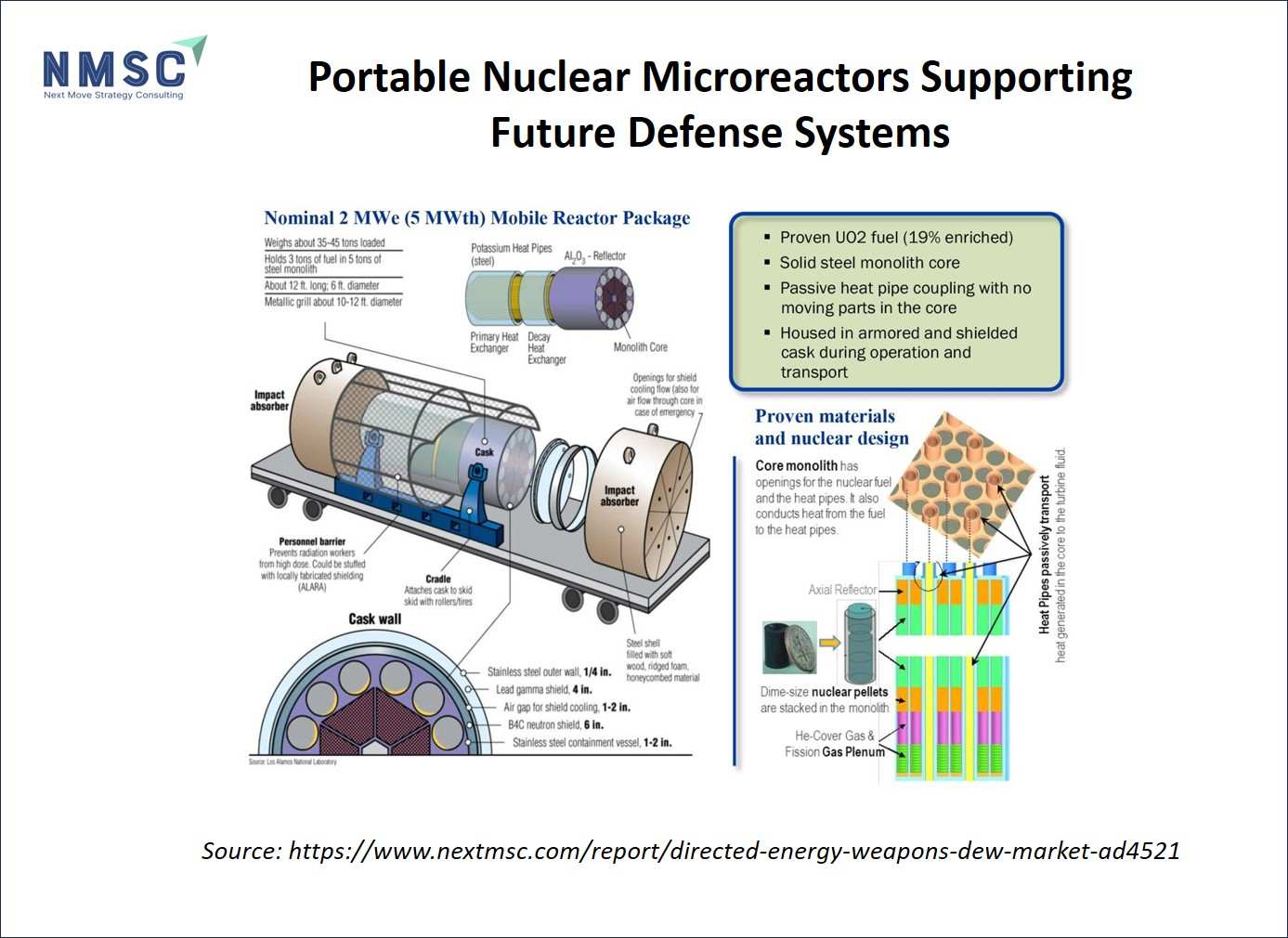
As military technologies become more energy-intensive, stable power generation is becoming a strategic requirement. This is one reason why the United States military is investing in portable nuclear microreactors capable of supporting future defence systems.
C-17 Globemaster III recently transported the Ward 250 microreactor during Operation Windlord. The exercise marked the first time the US military had airlifted a next-generation nuclear microreactor.
The reactor reportedly generates five megawatts of electricity, enough to power approximately 5,000 homes. Officials stated that future warfare will require reliable energy support for artificial intelligence infrastructure, cyber systems, space operations, and directed energy weapons.
Unlike conventional nuclear facilities, microreactors are designed for transportability and rapid deployment. The Ward 250 system uses helium cooling, graphite moderation, and TRISO fuel technology intended to improve operational safety and long-term efficiency.
Importantly, the reactor was transported without nuclear fuel onboard, eliminating radiological risk during the flight.
Advanced Mobile Reactor Technology Powering Energy-Intensive Warfare
This infographic showcases how next-generation microreactor technology is being designed to support energy-demanding defence applications, including directed energy systems and military infrastructure. The reactor uses enriched UO2 fuel, passive cooling mechanisms, and shielded containment systems to ensure efficient and secure power generation. Its transportable structure demonstrates how portable energy solutions could strengthen battlefield energy resilience and support future military operations.
What Challenges Could Slow Directed Energy Adoption?
Although directed energy technologies are advancing rapidly, large-scale deployment still faces important obstacles.
Regulatory approval remains a major challenge, particularly for portable nuclear systems and advanced reactor technologies. The report also highlighted supply chain concerns involving HALEU fuel availability, alongside questions related to waste management, licensing timelines, and long-term economic viability.
Operational reliability is another important factor. Laser systems must maintain consistent performance across varying environmental and battlefield conditions. Integrating these technologies into existing military command structures will also require significant testing and refinement.
Despite these hurdles, governments continue investing in directed energy and advanced energy infrastructure because of their potential long-term strategic value.
Leading Companies Driving Innovation in the Directed Energy Weapons (DEW) Market
The Directed Energy Weapons (DEW) Market is shaped by major defence technology companies including Lockheed Martin, RTX, Northrop Grumman, Boeing, L3Harris Technologies, Kratos Defense & Security Solutions, BAE Systems, Thales, Rheinmetall, Leonardo, RAFAEL Advanced Defense Systems, Elbit Systems, Israel Aerospace Industries, Hanwha Systems, General Atomics, Electro Optic Systems, QinetiQ, Epirus, Diehl Defence, and Saab.
These organisations maintain strong market positions through advanced directed energy capabilities, specialised defence solutions, large-scale manufacturing expertise, and long-term partnerships with military and government agencies worldwide.
Next Steps: What Should Defence Stakeholders Monitor?
Defence organisations and industry stakeholders should closely track the operational deployment of compact laser systems, particularly those focused on counter-drone missions. Monitoring advances in portable nuclear energy infrastructure will also be important as military systems become increasingly dependent on resilient power generation.
At the same time, evaluating cost-per-engagement improvements and integration capabilities will help determine how quickly directed energy technologies move from experimental systems into mainstream defence operations.
-
Track battlefield deployment of compact laser defence systems against drones
-
Monitor advancements in portable nuclear microreactor technology
-
Evaluate cost-efficiency improvements in drone interception operations
-
Follow regulatory developments surrounding advanced military energy systems
-
Assess integration of directed energy technologies into existing defence networks
Final Thoughts
Directed energy weapons are no longer limited to theoretical defence discussions. Ukraine’s Sunray programme and the United States’ portable microreactor initiative both demonstrate how military priorities are shifting toward faster, more energy-efficient, and economically sustainable defence systems.
As drone warfare expands and military infrastructure becomes increasingly power-dependent, directed energy technologies are expected to play a growing role in shaping future battlefield strategy.
About the Author
 Sanyukta Deb
— Sanyukta Deb is Digital Marketing Team Lead at Next Move Strategy Consulting, where she has led content strategy and technical SEO for the firm's B2B market research publications for over 2 years. Her editorial process translates NextMSC's primary and secondary research — spanning technology, industrial, and consumer sectors — into commercial narratives, backed by search-intent, keyword, and competitive analysis. She brings 5 years of overall experience in digital marketing and content strategy.
Sanyukta Deb
— Sanyukta Deb is Digital Marketing Team Lead at Next Move Strategy Consulting, where she has led content strategy and technical SEO for the firm's B2B market research publications for over 2 years. Her editorial process translates NextMSC's primary and secondary research — spanning technology, industrial, and consumer sectors — into commercial narratives, backed by search-intent, keyword, and competitive analysis. She brings 5 years of overall experience in digital marketing and content strategy.
About the Reviewer
 Debashree Dey
— Debashree Dey is Assistant Manager at Next Move Strategy Consulting, where she supports cross-vertical market content and communications across diverse industries for 6 years. Her professional background includes senior content writing, communications, and published manuscript authorship, with experience developing audience-focused business narratives and maintaining clear, consistent messaging. Her role supports research-led content development and editorial quality across NextMSC publications.
Debashree Dey
— Debashree Dey is Assistant Manager at Next Move Strategy Consulting, where she supports cross-vertical market content and communications across diverse industries for 6 years. Her professional background includes senior content writing, communications, and published manuscript authorship, with experience developing audience-focused business narratives and maintaining clear, consistent messaging. Her role supports research-led content development and editorial quality across NextMSC publications.

















Add Comment