Hybrid Trains: Driving the Future of Rail Transport
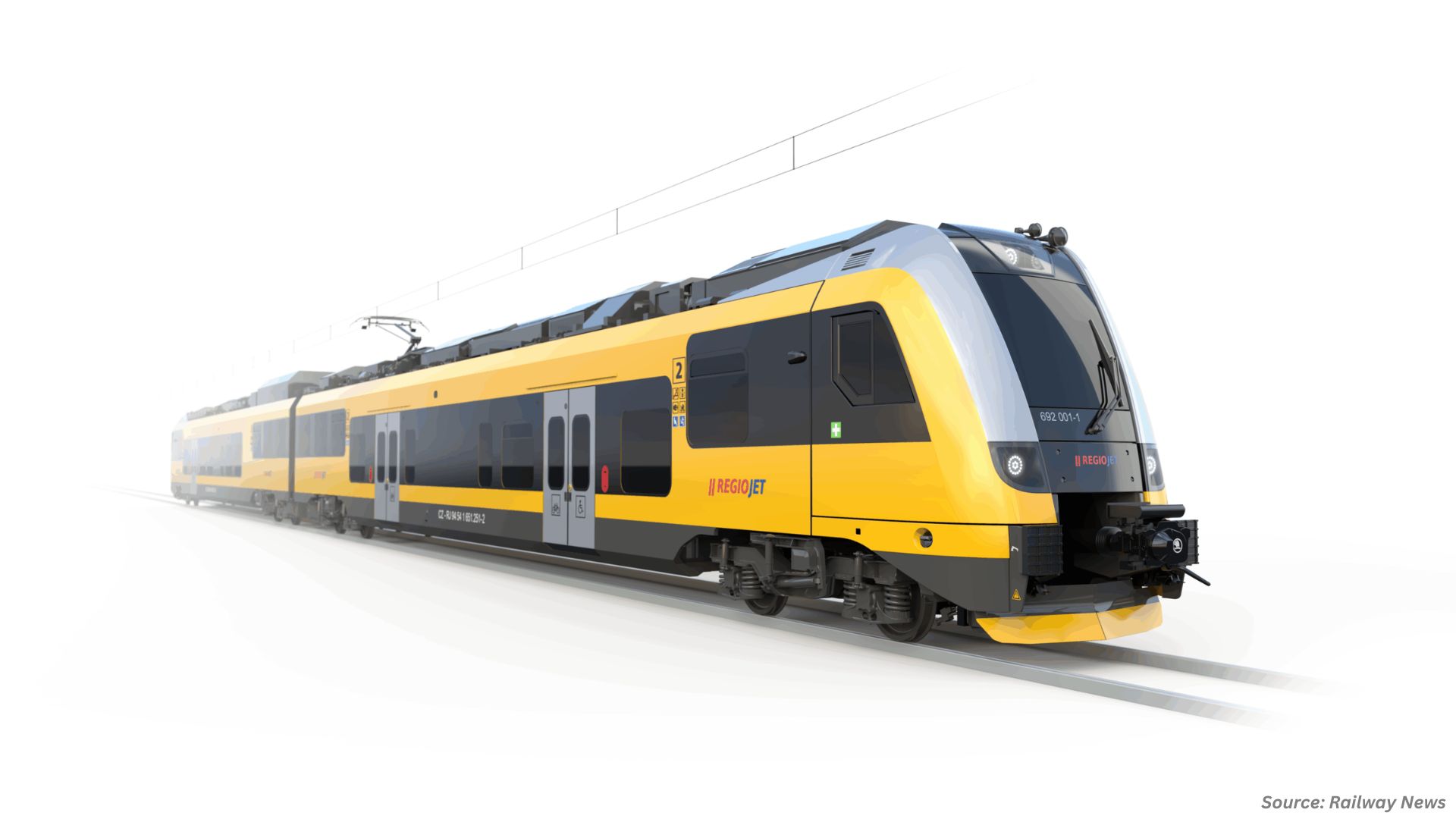
Rail transport is undergoing a significant transformation, and hybrid trains are leading the way. By combining traditional diesel engines with advanced battery systems, these trains are achieving new levels of efficiency, reducing emissions, and enabling operations on both electrified and non-electrified tracks. Hybrid trains are increasingly recognized as a practical solution for modern rail transport, offering operators both environmental and operational advantages.
Hybrid trains operate using a combination of diesel and battery power. This dual system allows locomotives to switch seamlessly between diesel mode on long, non-electrified routes and battery or electric mode in urban or environmentally sensitive areas. The benefits are clear: substantial fuel savings, lower greenhouse gas emissions, reduced noise, and greater operational flexibility. This technology is especially valuable for regional passenger services, freight yards, and regions with limited electrification infrastructure.
Skoda Delivers Hybrid Trains to RegioJet
The Czech manufacturer Skoda has signed a contract to deliver 34 BEDMU (Battery Electric Diesel Multiple Unit) hybrid train units to RegioJet, a private rail operator. The units are equipped with a battery-electric system complemented by a diesel generator and will enter service in December 2029. These hybrid trains are designed to operate efficiently on non-electrified lines while minimizing environmental impact and improving energy efficiency.
According to Next Move Strategy Consulting, this delivery highlights a broader industry trend where private operators are investing in hybrid solutions to modernize fleets and comply with evolving environmental regulations.
SBB Cargo’s Hybrid Shunting Locomotives
In Switzerland, SBB Cargo has issued tenders for hybrid shunting locomotives that combine battery and diesel power. These locomotives are designed to operate efficiently in freight yards, where frequent stop-start cycles traditionally lead to high fuel consumption and emissions. The hybrid system enables SBB Cargo to reduce fuel use and emissions while maintaining operational flexibility.
From an industry perspective, Next Move Strategy Consulting highlights that hybrid technology in freight operations addresses both economic and environmental needs. In locations where full electrification is not feasible, hybrid shunting locomotives provide a practical solution that balances efficiency with sustainability.
Mongolia Converts Diesel Locomotive to Battery Hybrid
Mongolia Railways has successfully converted a six-axle diesel locomotive into a diesel-battery hybrid. This locomotive, originally manufactured by Luhansk in the USSR, was rebuilt with two 400 kW diesel engines and two 440 kW batteries. It is capable of running entirely on battery power without using diesel engines, achieving fuel consumption reductions of between 60% and 70%.
Next Move Strategy Consulting notes that such hybrid conversion projects demonstrate the potential to extend the life of existing locomotives while delivering substantial efficiency gains. For rail operators in regions with limited electrification, hybrid conversions offer a sustainable alternative that significantly reduces operational costs and environmental impact.
Benefits of Hybrid Trains
Hybrid trains provide measurable environmental and economic advantages. They can lower fuel consumption by up to 70%, reduce CO2 and other harmful emissions, and operate quietly in urban areas. For operators, hybrid trains offer cost savings through reduced fuel and maintenance needs, and greater operational flexibility to run on both electrified and non-electrified lines.
Despite these advantages, hybrid trains also present challenges. Initial capital costs are higher than conventional diesel locomotives, and managing battery lifecycles and recycling requires careful planning. Maintenance staff and operators must also be trained to handle new hybrid systems safely and efficiently. Nevertheless, these challenges are outweighed by the long-term benefits of sustainability and operational efficiency.
Next Steps: Actionable Takeaways
-
Operators should prioritize hybrid technology on non-electrified routes to reduce fuel consumption and emissions.
-
Governments can incentivize hybrid adoption through grants, tax breaks, or regulatory support.
-
Develop battery lifecycle management programs to maintain efficiency and sustainability.
-
Conduct pilot projects to evaluate hybrid locomotives before full-scale fleet deployment.
-
Foster partnerships between manufacturers and operators to optimize hybrid solutions for specific operational needs.

Hybrid trains are no longer experimental. From private European passenger services to freight yard operations and innovative conversions in Mongolia, these trains demonstrate that sustainable, efficient rail transport is achievable. With strategic planning and targeted investments, hybrid technology will continue to reshape the global rail industry.
Conclusion
Hybrid trains are redefining the future of rail transport by combining sustainability with operational efficiency. From modern passenger services in Europe to freight yard innovations and locomotive conversions in Mongolia, these trains demonstrate that cleaner, cost-effective rail solutions are achievable today. As more operators adopt hybrid technology, supported by strategic investments and policy incentives, the global rail industry can significantly reduce fuel consumption, emissions, and noise pollution. Hybrid trains are not just a technological innovation they are a practical step toward a more sustainable and resilient railway network.
About the Author
 Joydeep Dey is a content writer and analyst fueled by creativity, research, and continuous learning. He combines compelling storytelling with market insights to turn complex information into engaging, impactful content. Passionate about emerging trends, digital strategy, and innovation-driven communication, he believes curiosity and consistent growth are key to creating meaningful influence in every project.
About the Reviewer
 Debashree Dey is a senior content writer and communications specialist known for crafting audience-focused narratives and insight-driven content strategies. As a published manuscript author, she combines creative storytelling with strategic thinking to strengthen brand messaging, enhance visibility, and drive meaningful audience engagement across digital platforms. With a collaborative leadership approach, she contributes to high-impact communication initiatives that ensure consistency, clarity, and long-term brand value. Outside of work, she finds inspiration in creative projects, design exploration, and storytelling-driven ideas.












Add Comment