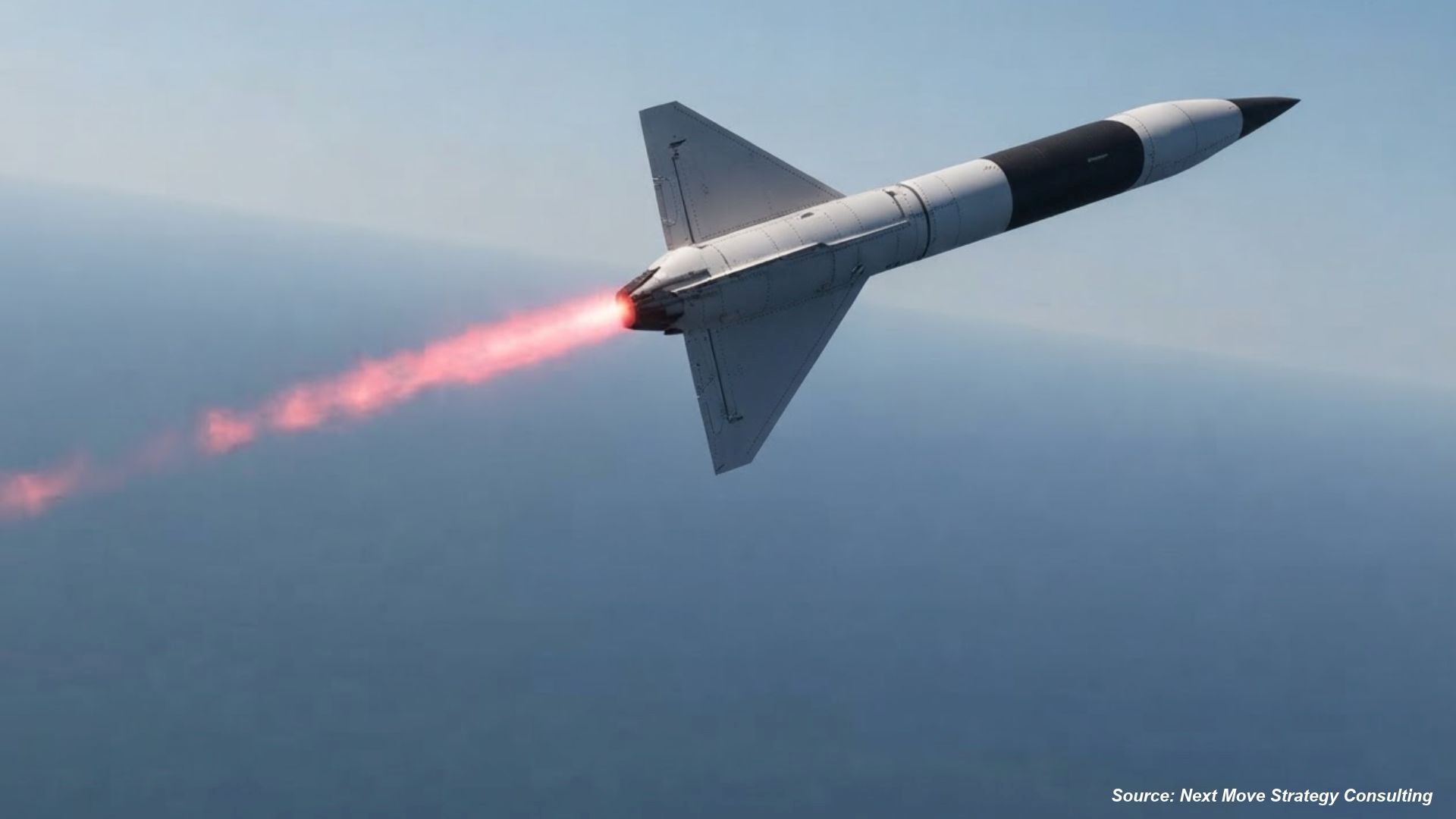
Directed Energy Weapons (DEW) Market By Technology (High-Energy Laser, High-Power Microwave, & Others), By Power Rating (Low, Medium, High Power & Very High Power), By Lethality (Lethal & Non-Lethal), By Platform (Land-Based, Naval, Airborne, & Space-Based), By Deployment Type (Fixed Systems & Mobile Systems), By Application (Air and Missile Defense, Naval Defense, & Others), By End-User (Military, Law Enforcement & Homeland Security Agencies, & Others) – Global Analysis & Forecast, 2025-2035
Industry: Aerospace & Defense | Latest Edition: September 30, 2026 | No of Pages: N/A | No. of Tables: N/A | No. of Figures: N/A | Format: PDF | Report Code: AD4521
Industry Outlook
The global Directed Energy Weapons Market size was valued at USD 10.33 billion in 2025, and is expected to be valued at USD 12.23 billion by the end of 2026. The industry is projected to grow, hitting USD 55.91 billion by 2035, with a CAGR of 18.4% between 2026 and 2035.
Directed Energy Weapons Market Size & Forecast
|
Parameters |
Details |
|
Market Size in 2026 |
USD 12.23 Billion |
|
Revenue Forecast in 2035 |
USD 55.91 Billion |
|
Growth Rate |
CAGR of 18.4% from 2026 to 2035 |
|
Analysis Period |
2025–2035 |
|
Base Year Considered |
2025 |
|
Forecast Period |
2026–2035 |
|
Market Size Estimation |
Billion (USD) |
|
Companies Profiled |
20 |
|
Countries Covered |
33 |
|
Market Share |
Available for 10 companies |
Current market analysis indicates that the directed energy weapons market is transitioning from a developmental phase to early-stage operational deployment, driven by evolving threat dynamics and defense modernisation priorities. DEWs are increasingly being integrated into applications such as counter-UAS, air and missile defense, and naval platform protection, where speed-of-light engagement and low cost per shot offer clear operational advantages. In parallel, the proliferation of drone swarms and asymmetric threats is accelerating procurement interest, while advancements in solid-state lasers, power systems, and beam control technologies are enhancing deployment feasibility across multiple domains.
The future trajectory of the directed energy weapons market is shaped by increasing system integration, scalability, and network-centric warfare requirements. Based on our further interactions with technology providers, we observed a growing focus on modular architectures, AI-enabled targeting, and SWaP optimisation to improve operational flexibility and overall system performance. Furthermore, ongoing field testing and pilot deployments are strengthening confidence in real-world capabilities, thereby paving the way for broader adoption. As a result, sustained market growth is directing energy weapons into a core component of multi-layered, next-generation defense strategies globally.
What Are the Key Directed Energy Weapons Market Trends?
How Is the Shift Toward Modular and Scalable DEW Architectures Transforming the Directed Energy Weapons Market?
Defense programs are increasingly prioritising modular, open-architecture directed energy systems to improve flexibility and long-term upgradeability. Based on our analysis, we found that system integrators are actively developing scalable laser and microwave solutions that are deployed across multiple platforms with minimal redesign. This approach allows defense agencies to standardise components, reduce integration timelines, and lower lifecycle costs. Furthermore, modularity enables faster technology refresh cycles, ensuring that systems remain relevant against evolving threat landscapes. In parallel, there is a clear shift toward plug-and-play architectures that enhance interoperability across defense ecosystems. As a result, these advancements are accelerating procurement efficiency and supporting the scalable adoption of directed energy weapons across defense programs.
How Is Increasing Focus on SWaP Optimisation Influencing System Design?
Based on our primary research, we observed that size, weight, and power (SWaP) optimisation is becoming a critical design priority in the development of directed energy weapons. Engineering teams are increasingly focusing on miniaturising power systems, improving energy efficiency, and reducing overall system footprint to enable deployment on mobile and unmanned platforms. Building on these efforts, we noticed that advancements in compact energy storage and thermal management are playing a key role in overcoming historical deployment limitations. Consequently, SWaP optimisation is directly influencing platform compatibility, particularly for airborne and tactical ground systems, thereby expanding the operational scope of directed energy weapons. As a result, continued progress in SWaP efficiency is expected to accelerate integration and drive broader adoption across next-generation defense platforms.
How Is AI-Enabled Targeting and Fire Control Enhancing DEW Effectiveness?
Market data indicate that the integration of artificial intelligence into targeting, tracking, and fire control systems is increasing across directed energy weapons. Our evaluation indicates that AI-driven algorithms are significantly improving target identification accuracy, engagement precision, and response times in complex threat environments.
In parallel with these developments, automation is reducing operator dependency while enabling real-time decision-making in high-speed scenarios, such as drone swarm engagements. Furthermore, AI integration is enhancing predictive targeting and adaptive engagement capabilities, thereby positioning directed energy weapons as increasingly autonomous systems within modern network-centric warfare frameworks. As a result, the growing convergence of AI and DEWs is expected to significantly enhance operational effectiveness and drive next-generation defense adoption.
Ecosystem Analysis of the Directed Energy Weapons Market
The infographic illustrates the ecosystem of the directed energy weapons market, reflecting the collaboration between technology developers, system integrators, component suppliers, service providers, and regulatory bodies that collectively enable underwater robotic operations across industries.

This infographic illustrates the multi-layered ecosystem underpinning the directed energy weapons market. We noticed that technology hubs, specialised integrators, and component suppliers collaborate to advance HEL, HPM, and other DEW technologies, while software platforms provide precision control and multi-domain operational capability. End users, including military and security agencies, drive procurement and deployment priorities, with governance and safety frameworks ensuring compliance with international standards. By mapping these interactions, the infographic highlights how innovation, integration, and regulation collectively shape market growth, adoption speed, and competitive positioning. Understanding this ecosystem enables stakeholders to identify partnership opportunities, emerging threats, and strategic entry points in a rapidly evolving DEW landscape.
What Are the Key Market Drivers, Breakthroughs, And Investment Opportunities That Will Shape the Directed Energy Weapons Market in the Next Decade?
Growth Catalyst & Risk Assessment Matrix
|
DRIVERS/TRENDS/ RESTRAINTS |
(+/-) % IMPACT ON CAGR FORECAST |
GEOGRAPHIC RELEVANCE |
IMPACT TIMELINE |
|
Rising proliferation of drone swarms and low-cost aerial threats driving demand for cost-effective counter-UAS solutions |
+4.12% |
U.S., China, Israel, Europe (UK, Germany), India |
Short to Medium term (2–5 years) |
|
Advancements in power density, beam control, and solid-state laser technologies enabling multi-platform deployment |
+3.64% |
U.S., Europe, China, South Korea, Japan |
Medium to Long term (3–7 years) |
|
Emerging applications such as environmental monitoring, scientific research, and critical infrastructure protection |
+2.87% |
U.S., NATO countries, Middle East (Saudi Arabia, UAE), Asia-Pacific |
Medium to Long term (3–8 years) |
|
High power requirements, thermal management challenges, and environmental limitations affecting system performance |
-3.05% |
Global, particularly regions with harsh environmental conditions |
Medium term (2–5 years) |
From our evaluation, we noticed that the directed energy weapons market is being shaped by evolving threat dynamics, particularly the rapid proliferation of drone swarms and low-cost aerial systems, alongside advancements in power density, beam control, and thermal management technologies. The primary growth driver is the increasing demand for cost-effective, high-speed engagement systems with low cost per shot, driving adoption across air defense and counter-UAS applications. However, our operational research indicates that high power requirements and sensitivity to environmental conditions continue to constrain large-scale deployment and operational reliability. At the same time, strong long-term opportunities lie in the integration of directed energy systems into multi-layered, network-centric defense architectures, supporting sustained procurement and strategic growth.
Growth Drivers:
How Is the Rising Threat of Drone Swarms and Low-Cost Aerial Systems Accelerating the Directed Energy Weapons Market Demand?
NMSC’s analysis indicates that the rapid proliferation of low-cost unmanned aerial systems, particularly swarm-enabled drones, is fundamentally reshaping modern defense doctrines and, in turn, accelerating demand for directed energy weapons. Based on our analysis, we found that conventional kinetic interceptors are economically inefficient against high-volume, low-cost threats, thereby creating a strong case for laser and high-power microwave systems with a significantly lower cost per shot. Building on this shift, industry analysis suggests that defense procurement teams are increasingly prioritising scalable counter-UAS solutions capable of sustained engagement without ammunition constraints. As a result, these evolving threat dynamics are directly driving increased investments and accelerating the adoption of directed energy weapons across modern defense ecosystems.
How Are Advancements in Power Density and Beam Control Technologies Driving Directed Energy Weapons Market Expansion?
Breakthroughs in power generation, beam quality, and thermal management are significantly enhancing the operational viability of directed energy weapons across multiple platforms. Based on our technical evaluation, we assessed that improvements in solid-state laser efficiency, compact power systems, and adaptive optics are enabling deployment across mobile ground vehicles, naval vessels, and airborne platforms.
Building on these advancements, technology providers are achieving higher output power within reduced size, weight, and power (SWaP) constraints, which have historically been a critical limitation. Furthermore, advancements in beam control precision are improving engagement range and effectiveness against fast-moving targets, thereby expanding use cases from counter-drone operations to missile defense and electronic warfare applications. As a result, these technological innovations are accelerating the transition of directed energy weapons from experimental systems to deployable, mission-ready defense solutions.
Growth Inhibitor:
How Do High Power Requirements and Environmental Limitations Constrain Market Adoption?
Market data indicate that, despite significant progress, directed energy weapons continue to face critical operational constraints related to power availability and environmental sensitivity. High-energy laser systems require substantial and stable power sources, which limit deployment flexibility, particularly for smaller or mobile platforms.
In addition to power challenges, atmospheric conditions such as fog, dust, rain, and turbulence degrade beam quality and reduce effective range, thereby impacting system reliability in real-world combat environments. Based on our interviews with system integrators, we observed that thermal management challenges and energy storage limitations further complicate sustained operations, increasing overall system complexity and cost. Collectively, these factors act as structural restraints, limiting scalability and slowing the widespread adoption of directed energy weapons across diverse defense segments.
Growth Opportunity:
How Is Environmental Monitoring and Emerging Sector Demand Creating Directed Energy Weapons Market Opportunity?
The integration of directed energy weapons into multi-layered and network-centric defense systems represents a major growth opportunity for the market. Based on our analysis, we found that DEWs are increasingly being positioned as complementary systems within broader air and missile defense frameworks, working alongside kinetic interceptors, electronic warfare systems, and advanced radar networks. Building on this trend, we noticed that defense forces are prioritising integrated solutions capable of addressing diverse threat profiles, ranging from drones to hypersonic missiles. In parallel, there is a growing emphasis on interoperability and real-time data sharing, enabling DEWs to function as part of coordinated engagement strategies. As a result, this shift is expected to unlock new procurement avenues and drive increased adoption, particularly within advanced military modernisation programs globally.
How Is the Directed Energy Weapons Industry Segmented in this Report, and What Are the Key Insights from the Segmentation Analysis?
Market Highlights & Strategic Insights - Directed Energy Weapons Market:
|
Segments |
Key Takeaways |
|
Technology |
High-Energy Lasers (HEL) remain the dominant deployed technology, favored for precision strike and missile defense, while HPM systems are increasingly adopted for electronic attack and counter-UAS operations. Particle-beam and plasma-based weapons are largely in R&D stages, highlighting future innovation opportunities, whereas acoustic weapons serve niche non-lethal applications. |
|
Power Rating |
Low- and medium-power DEWs are primarily used for counter-UAS and tactical defense scenarios, offering cost-effective and portable solutions. High- and very-high-power systems target strategic applications including ship defense, air defense, and ballistic/hypersonic missile interception, reflecting the technological sophistication and operational complexity required at higher power ratings. |
|
Lethality |
Lethal DEWs are deployed for precise kinetic or destructive effects, critical in high-stakes military engagements, whereas non-lethal systems focus on disruption, dazzling, or area denial, supporting internal security, crowd control, and mission flexibility without permanent damage. |
|
Platform |
Land-based deployments dominate tactical defense and infrastructure protection, while naval platforms integrate high-power DEWs for ship defense and anti-missile roles. Airborne and space-based systems are emerging for strategic reach, highlighting the shift toward multi-domain deployment capabilities. |
|
Deployment Type |
Fixed systems provide permanent defense for critical sites or installations, ensuring sustained protection. On the other hand, mobile systems, including vehicle-mounted and man-portable DEWs, enable flexible operational coverage and rapid response in field deployments. |
|
Application |
Air & missile defense is the leading application, followed by naval defense and ground force protection. Electronic warfare applications using HPMs are gaining traction, while homeland/internal security leverages non-lethal DEWs for perimeter defense and crowd control. |
|
End-User |
Military forces are the primary adopters, leveraging DEWs for multi-domain defense and strategic deterrence. Law enforcement and homeland security agencies increasingly explore non-lethal and tactical applications, while government and defense R&D organisations drive innovation, testing, and prototype development |
By Technology Insights
Is Technology Adoption in Directed Energy Weapons Shaping Market Leadership in 2025?
On the basis of technology, the directed energy weapons market is segmented into high-energy laser (HEL), high-power microwave (HPM), particle-beam weapons, plasma-based weapons, acoustic weapons, and others.
Our market evaluation indicates that in 2025, the technology landscape of directed energy weapons is clearly led by high‑energy laser systems, driven by their proven precision, tactical versatility, and expanding deployments across air, naval, and ground defense domains. HEL’s scalability and cost benefits underpin sustained military prioritisation, with high‑power microwave systems emerging as a strong complementary technology for electronic disruption. Experimental technologies like particle beam and plasma weapons remain important innovation fronts, but are not yet large market drivers. This hierarchy reflects defence modernisation priorities focused on multi‑domain threat engagement and cost‑efficient operational effects.

By Platform Insights
Is Platform Shaping the Directed Energy Weapons Market Dynamics in 2025?
Based on the platform, the directed energy weapons market is segmented into land-based, naval, airborne, and space-based.
Our market assessment indicates that land-based directed energy weapons dominate the market, driven by operational flexibility, ease of deployment, and cost efficiency for tactical defense, infrastructure protection, and counter-UAS missions. Naval platforms follow closely, with high-power lasers and HPM systems enhancing fleet survivability and layered defense at sea. On the other hand, airborne DEWs offer strategic mobility but face technical barriers such as power, weight, and cooling constraints, limiting near-term adoption, whereas space-based systems remain largely experimental, focused on missile defense and satellite protection. Overall, the market reflects a clear prioritisation of immediate, deployable solutions while long-term investment targets advanced multi-domain and space-based capabilities.

By Application Insights
Is Application Adoption Driving Directed Energy Weapons Market Growth in 2025?
Based on application, the directed energy weapons market is segmented into air & missile defenceIs Application Adoption Driving Directed Energy Weapons (DEWs) Market Growth in 2025, naval defense, ground force protection, electronic warfare, homeland & internal security, and others.
Based on our evaluation, we noticed that air and missile defense clearly dominates directed energy weapons applications, driven by strategic importance, operational effectiveness, and cost-efficiency. Following closely, naval defense plays a key role in fleet protection. Ground force protection and electronic warfare provide complementary tactical capabilities, while homeland security and emerging applications continue to expand the market’s scope. Overall, this distribution reflects defense priorities focused on high-impact, multi-domain operations. Moreover, growing experimentation in niche and non-lethal use cases highlights innovation opportunities and potential avenues for future market expansion.
Regulatory Framework Impacting the Directed Energy Weapons Market
The infographic outlines the strategic framework, highlighting the key factors shaping the directed energy weapons market trends, spanning technology adoption, operational priorities, and defense procurement trends.

This infographic illustrates that the directed energy weapons market is influenced by a combination of procurement behavior, operational efficiency, and technological integration. Defense stakeholders increasingly prioritise systems that offer high reliability, multi-domain applicability, and lifecycle cost efficiency, while suppliers focus on advanced optics, power modules, and automation-enabled targeting. Regulatory compliance and safety remain critical, with adherence to military standards shaping adoption. Market trends indicate growing integration with conventional platforms, energy-efficient design considerations, and responsible disposal of hazardous components. Collectively, these factors guide investment, procurement strategies, and innovation trajectories, underscoring the strategic significance of DEW in modern defense operations.
Regional Outlook:
Geographic Performance Snapshot:
|
Regions |
Key Takeaways |
|
North America |
North America leads the directed energy weapons market, driven by high defense spending and active deployment programs in the U.S. Industry assessment indicates strong integration of laser and microwave systems across counter-UAS, air defense, and naval platforms. Advanced R&D ecosystems and extensive field testing are accelerating commercialisation and long-term procurement. |
|
Europe |
Europe is a mature and strategically evolving market, led by the UK, Germany, and France. NATO collaboration and rising security concerns are driving investment in DEW technologies. Further, we noticed a strong focus on interoperability and integration into existing air defense systems. |
|
Asia-Pacific |
Asia-Pacific is the fastest-growing market, driven by China, India, Japan, and South Korea. Defense modernisation, regional tensions, and domestic innovation are accelerating adoption. Moreover, increasing investments in indigenous DEW systems for counter-UAS and missile defense drives the regional growth. |
|
Middle East & Africa (MEA) |
The Middle East shows strong growth potential, particularly in Saudi Arabia, the UAE, and Israel. Rising demand for counter-drone and missile defense systems fuels market demand. Also, Africa remains limited but is witnessing selective adoption in high-security zones. |
|
Latin America (LATAM) |
Latin America remains an early-stage directed energy weapons market, with adoption primarily limited to pilot programs and initial technology evaluations. Further, procurement remains cautious, with governments prioritising cost-effective solutions. However, increasing focus on border security and gradual defense modernisation efforts are expected to create steady, long-term growth opportunities across the region. |
The directed energy weapons market is geographically studied across North America, Europe, Asia Pacific, the Middle East & Africa, and Latin America (LATAM), and each region is further studied across countries.
Directed Energy Weapons Market in North America
North America represents the most mature and deployment-ready directed energy weapons market, driven by sustained government funding and a structured transition from R&D to operational systems. Based on our evaluation, we found that the region’s strength lies in high-energy laser and high-power microwave system development, supported by strong integration across land, naval, and airborne platforms. Official U.S. Department of Defense budget documents highlight continued allocation toward directed energy research, prototyping, and system integration programs through 2025. In parallel, the emphasis is shifting toward power scaling, beam control precision, and operational reliability. As a result, North America is leading in full-system deployment readiness, particularly in naval laser integration and mobile ground-based laser systems, thereby reinforcing its dominance in the global market.
Directed Energy Weapons Market in the United States
The U.S. is the global leader in directed energy weapons development and deployment. Our analysis shows that the U.S. Department of Defense continues to allocate substantial funding toward high-energy laser and high-power microwave programs across multiple branches. Official FY2025 budget justification documents confirm dedicated RDT&E funding lines for directed energy technologies. We further observed active deployment programs, including ground-based laser systems and naval laser integration initiatives, reflecting a clear transition from prototype to operational capability. In parallel, there is a strong focus on scaling laser power output, improving beam quality, and integrating systems into layered defense architectures. As a result, the U.S. market is characterised by high technological maturity, extensive testing infrastructure, and strong collaboration between government, defense primes, and subsystem suppliers, reinforcing its leadership in the global DEW landscape.
Directed Energy Weapons Market in Canada
Our country analysis indicates that Canada represents a niche but strategically aligned directed energy weapons market, primarily driven by defense modernisation and NATO interoperability requirements. Canada’s defense strategy emphasises advanced surveillance, electronic warfare, and emerging energy-based systems. Government defense policy documents highlight increasing investment in next-generation technologies, though at a smaller scale compared to the U.S. Based on our interactions with stakeholders, we found that Canada is focusing on integration, testing support, and collaboration with allied programs rather than full-scale domestic DEW development. As a result, the country’s role remains largely supportive, particularly in joint defense initiatives and Arctic operational environments requiring advanced sensing and directed energy capabilities.
Directed Energy Weapons Market in Europe
Europe represents a mature, collaboration-driven directed energy weapons market, underpinned by strong regulatory frameworks and multinational defense programs. Investment momentum is particularly visible in high-energy laser systems for naval and air defense applications, reflecting the region’s focus on precision and interoperability. Also, funding support from the European Defence Agency continues to expand, with joint initiatives accelerating the development of advanced weapons technologies through 2025. At the same time, interoperability within NATO-aligned architectures and increasing emphasis on modular system design are shaping procurement priorities. This positions Europe on a measured but steady path toward deployment, with a clear focus on reliability, standardisation, and cross-border defense integration.
Directed Energy Weapons Market in the United Kingdom
The UK is one of the most advanced European markets for directed energy weapons, supported by strong government funding and structured innovation programs. The UK Ministry of Defence has committed significant resources toward high-energy laser development, particularly through programs such as DragonFire, with publicly disclosed funding exceeding USD 125 million for prototype development and trials. Official government updates confirm ongoing testing and planned integration of laser systems on naval platforms, indicating a clear pathway toward operational deployment. Based on our interactions with system integrators, we noticed a strong emphasis on beam control precision, power scaling, and system reliability under maritime conditions. Industry evidence suggests that the UK is prioritising rapid prototyping and accelerated field trials, positioning itself as a key innovation hub within Europe with strong near-term commercialisation potential.
Directed Energy Weapons Market in Germany
Market data indicates that Germany is advancing in the directed energy weapons market through a structured and engineering-driven approach focused on system reliability and naval integration. The German Ministry of Defence is actively supporting high-energy laser development programs, particularly for ship-based applications. Public disclosures confirm successful testing of laser demonstrators on naval platforms, highlighting progress toward operational deployment. Moreover, there is a strong focus on thermal management, beam stabilisation, and compliance with NATO interoperability standards. Overall, Germany’s strength lies in precision engineering and subsystem development, particularly in optics and control systems. This positions Germany as a technically robust contributor to the European DEW ecosystem, with steady progress toward deployment.
Directed Energy Weapons Market in France
France is strategically strengthening its position in the directed energy weapons market through sustained investment in defense innovation and advanced weapon systems. The French Ministry of Armed Forces is actively funding high-energy laser and electronic attack capabilities through dedicated innovation programs. In addition, government-backed agencies have introduced initiatives focused on countering emerging threats using directed energy technologies, with a particular emphasis on both land-based and naval applications. Our analysis highlights a strong push toward integrating DEWs into multi-domain operations, including air defense and electronic warfare frameworks. Supported by a robust domestic defense industrial base, France is accelerating development and testing efforts, positioning itself as a balanced market with both strong R&D capabilities and increasing deployment readiness.
Directed Energy Weapons Market in Italy
Italy is steadily developing its directed energy weapons capabilities through targeted investments and active participation in European collaborative programs. National efforts are focused on integrating high-energy laser systems into naval platforms, with particular attention to beam control, power modules, and subsystem reliability. Industry insights indicate that Italy is leveraging partnerships with European defense primes to advance prototype testing and system integration, rather than pursuing large-scale domestic production. Government defense expenditure trends show moderate but consistent allocations toward advanced weapon programs, supporting incremental capability growth. Italy is also emphasising interoperability with NATO systems and modular design approaches. While deployment remains gradual, the country’s approach prioritises technical robustness, reflecting a deliberate strategy aligned with broader European efforts to strengthen directed energy capabilities across the continent.
Directed Energy Weapons Market in Spain
Spain is emerging as a developing market for directed energy weapons, driven largely by participation in EU-funded research initiatives and experimental deployment programs. The Spanish Ministry of Defence is investing in high-energy laser prototypes, with a focus on naval applications and integration into defensive platforms. Industry evidence indicates that Spain is prioritising precision targeting and system control, seeking to balance innovation with cost-effectiveness. Pilot programs are also supporting technical validation and interoperability testing within NATO frameworks. While DEW adoption remains limited, Spain is poised for gradual expansion as defense budgets increase and collaborative European projects mature, positioning the country as a measured but strategically important contributor to Europe’s directed energy ecosystem, particularly in modular laser and subsystem integration.
Directed Energy Weapons Market in the Nordics
NMSC’s assessment shows that the Nordic countries, including Norway, Denmark, Sweden, Finland, and Iceland, are progressively strengthening their position in the directed energy weapons market, driven by regional security priorities and high technological standards. Governments are prioritising high-energy laser systems for naval and air defense, with particular attention to resilience in extreme environmental conditions. Significant emphasis is placed on power stability, beam quality, and system reliability, ensuring consistent performance under Arctic operational scenarios. Based on our discussions with regional defense contractors, we observed that interoperability with NATO command and control networks is a key design criterion. Although the region remains niche in scale, the Nordics are strategically significant due to their technological rigour, targeted deployment programs, and early adoption of next-generation DEW subsystems, positioning them as a specialised hub within Europe’s defense innovation landscape.
Directed Energy Weapons Market in the Asia-Pacific
From our regional analysis, we found that the Asia-Pacific has emerged as the fastest-growing directed energy weapons market globally, driven by rising defense budgets and accelerated R&D efforts. Governments across the region are actively developing indigenous high-energy laser and high-power microwave systems, reflecting a strategic emphasis on self-reliance. Industry evidence indicates that primary applications include air defense, electronic attack, and naval integration, with programs encompassing both prototype testing and operational trials. Countries are rapidly advancing beam power scaling, system integration, and domestic manufacturing capabilities. Coupled with regional geopolitical tensions and modernisation imperatives, the Asia-Pacific is positioned as a major growth hub for DEW deployment over the next 5-10 years, with increasing technological maturity and operational readiness.
Directed Energy Weapons Market in China
China continues to aggressively expand its directed energy weapon capabilities through state-backed R&D and strategic defense investments. High-energy laser and microwave technologies are prioritised for both tactical and strategic applications, including missile defense and electronic warfare. Rapid prototyping, experimental deployment on naval and airborne platforms, and integration with existing missile defense systems are all actively progressing. Official defense budget data confirm sustained investment growth, reflecting a national strategy aimed at achieving technological parity with global leaders. Beyond hardware development, China is advancing beam control, targeting systems, and operational doctrine to enhance overall system effectiveness. Market evidence positions China as a dominant force, driving technological innovation and shaping the competitive landscape of the global directed energy weapons market.
Directed Energy Weapons Market in Japan
Japan is actively advancing its directed energy capabilities, with a strong focus on defensive applications and homeland protection. The Japanese Ministry of Defense is funding high-energy laser programs aimed at countering short-range air and missile threats, alongside advanced electronic attack systems. In parallel, industry evidence indicates that testing is prioritising system reliability, integration with radar networks, and precision targeting. The country is strategically emphasising domestic technological development while maintaining interoperability with allied systems. Overall, Japan’s measured, R&D-driven approach supports incremental capability growth and positions the nation for potential operational deployment over the next decade.
Directed Energy Weapons Market in India
Our evaluation indicates that India is actively advancing indigenous directed energy systems to strengthen defensive capabilities and foster strategic self-reliance. Government-led programs prioritise cost-effective high-energy laser prototypes and experimental testing across both mobile and stationary platforms. At the same time, industry insights highlight a focus on power efficiency, beam control, and integration into layered defense networks. Pilot deployments are being used to validate system performance and reliability under real-world conditions. While operational deployment remains at an early stage, India’s sustained R&D investment and progressive capability maturation position the country as a promising and emerging directed energy weapons market within the Asia-Pacific region.
Directed Energy Weapons Market in South Korea
Through our market evaluations, we found that South Korea is rapidly advancing its directed energy program, supported by robust government funding and an innovation-focused defense industry. In particular, high-energy laser and microwave systems are being tested for platform integration on naval, ground, and aerial assets. At the same time, there is a strong focus on system reliability, power scaling, and operational interoperability with existing defense networks. To support this, domestic manufacturers are pursuing rapid prototyping and iterative testing, accelerating deployment readiness. Consequently, South Korea’s strategic objective to maintain technological parity with regional competitors positions the country as a high-growth and emerging directed energy weapons market within the Asia-Pacific region.
Directed Energy Weapons Market in Taiwan
Taiwan is cautiously developing its directed energy capabilities as part of an asymmetric defense strategy. In this context, government initiatives prioritise high-energy laser systems for short-range defense and critical infrastructure protection. Meanwhile, industry evaluation indicates that emphasis is placed on reliability, precision targeting, and integration with early warning and radar systems. Funding is incremental and primarily focused on validation trials rather than large-scale deployment. Overall, Taiwan is strategically adopting DEWs to strengthen defensive deterrence while carefully balancing technological feasibility with operational constraints.
Directed Energy Weapons Market in Indonesia
Current market evaluation indicates that Indonesia remains in the early stages of directed energy system development. At present, investment is limited, with government initiatives exploring high-energy laser applications for maritime and infrastructure security. Additionally, domestic technical expertise is still developing, and international collaboration is being leveraged to support R&D efforts. Pilot testing is also underway in controlled environments, focusing on feasibility and system integration. While growth is gradual, rising regional security needs may drive incremental adoption over the next 5-10 years, positioning Indonesia as an emerging participant in the Asia-Pacific DEW landscape.
Directed Energy Weapons Market in Australia
Australia is actively advancing directed energy research as part of long-term defense modernisation. Based on our analysis, we found that government funding is focused on high-energy laser and microwave system prototyping, platform integration, and collaborative trials with allied nations. In parallel, there is a strong emphasis on performance validation, system reliability, and modularity for multi-platform deployment. Australia is strategically leveraging R&D and pilot programs to build domestic capability while supporting allied defense objectives. Overall, the country remains a technology-driven directed energy weapons market with moderate deployment potential in the near term.
Directed Energy Weapons Market in Latin America
Based on our regional assessment, we observed that Latin America is an early-stage directed energy weapons market, with adoption largely limited to pilot programs and technical evaluations. Government investment is constrained by budgetary and infrastructure limitations, which restrict large-scale system deployment. Nevertheless, there is incremental interest in high-energy laser applications for border security and critical infrastructure protection. R&D initiatives are primarily collaborative and exploratory, aimed at technical validation rather than operational use. While adoption remains slow, strategic investments in emerging defense programs could gradually expand the region’s DEW capabilities over the coming years.
Directed Energy Weapons Market in the Middle East & Africa
The Middle East is emerging as a strategically significant market for directed energy weapons, driven by substantial government defense investments and an emphasis on rapid operational deployment. High-energy laser and microwave systems are increasingly being integrated for naval and air defense missions, supported by dedicated funding for platform integration, subsystem testing, and field trials. Gulf nations are focusing on protecting critical infrastructure and strategic assets, whereas much of Africa remains at the conceptual or pilot-testing stage. Regional security imperatives, combined with ongoing defense modernisation initiatives, are expected to support measured growth in DEW adoption across MEA over the next decade, positioning the region as a high-potential yet heterogeneous market.
Competitive Landscape
Competitive Dynamics & M&A Landscape:
|
Key Takeaways |
|
The directed energy weapons market is led by Lockheed Martin, RTX, Northrop Grumman, Boeing, L3Harris, Kratos, BAE Systems, Thales, Rheinmetall, Leonardo, RAFAEL, Elbit Systems, Israel Aerospace Industries, Hanwha Systems, General Atomics, Electro Optic Systems, QinetiQ, Epirus, Diehl, and Saab. These companies dominate through scale, specialised DEW solutions, and global defense and government partnerships. |
|
From our competitive evaluation, we found that leading companies differentiate via high-energy laser and high-power microwave systems, multi-domain integration (land, naval, air, space), modular architectures, advanced power management, and rapid deployment. Operational scale, platform versatility, and access to defense contracts allow them to secure strategic military, naval, and homeland security programs globally. |
|
Recent advancements include shipboard and land-based HEL systems, multi-target HPM demonstrations, counter-drone capabilities, modular airborne and naval integration, and rapid prototyping of non-lethal DEWs. Companies like Epirus and QinetiQ are driving HPM and laser innovation for counter-swarm operations, while Lockheed Martin and Rheinmetall focus on large-scale deployment. |
|
Companies are pursuing joint ventures, collaborations, and strategic partnerships to expand capabilities and market reach. Notable examples include the Rheinmetall-MBDA laser joint venture and QinetiQ collaborations for UK naval DEWs. These initiatives accelerate technology readiness, reduce development risk, and strengthen competitive positioning in multi-domain defense applications. |
Which Companies Dominate the Directed Energy Weapons Market and How Do They Compete?
Based on our market analysis of the directed energy weapons landscape, we noticed that major defense primes such as Lockheed Martin, RTX (Raytheon), Northrop Grumman, BAE Systems, L3Harris, and Thales maintain competitive leadership through diversified portfolios and deep government partnerships. These companies leverage decades of R&D in high‑energy lasers and high‑power microwave systems to secure multi‑year defense contracts and integrate DEWs into next‑generation air and missile defense architectures. For example, Lockheed Martin’s sustained profitability and expanded production outlook underpin broader strategic investments that indirectly support DEW divisions. Meanwhile, firms like Rheinmetall are extending influence through European joint ventures, positioning future naval laser systems for deployment with the German Navy under a new Rheinmetall‑MBDA collaboration. This competitive environment underscores how market leaders leverage scale, IP portfolios, and defense‑industry ties to outpace smaller rivals.
Market Dominated by Directed Energy Weapons Giants and Specialists
From our competitive assessment, we analysed that the global directed energy weapons market is characterised by concentration around a core set of established primes, while innovative specialists carve niche roles. According to recent industry assessments, companies such as Raytheon Technologies, Lockheed Martin, Northrop Grumman, BAE Systems, and Thales stand out for their integrated systems and global defense supply chain reach. In contrast, specialist firms, particularly in Europe, drive targeted technology developments. For instance, Rheinmetall and MBDA have conducted extensive at‑sea tests of a shipboard laser demonstrator, moving toward operational readiness of a containerised laser system that could be fielded by 2029. These dynamics create a layered competitive landscape where giants deliver broad, high‑power DEW systems, and specialists accelerate field‑ready innovations in defined segments.
Innovation and Adaptability Drive Market Success
Innovation remains a defining competitive differentiator in DEWs, where advancing power scalability, integration agility, and thermal/power efficiency dictate procurement decisions. Industry reports indicate a shift from raw output metrics toward modular architectures and rapid integration cycles in deployed systems. A notable European example is the Rheinmetall‑MBDA laser initiative, which has progressed through extensive sea trials and now transitions toward formal joint venture development, illustrating adaptability to multi‑domain defense requirements. Furthermore, UK and allied efforts on RF‑directed energy demonstrators like RapidDestroyer showcase how specialised radio‑frequency DEWs are being refined for complex counter‑UAS roles. Such focused innovation strategies help both primes and niche players respond quickly to evolving battlefield needs and procurement cycles.
Market Players to Opt for Merger & Acquisition Strategies to Expand Their Presence
In our assessment of competitive expansion strategies, we noticed that in the directed energy weapons market, structured collaborations, joint ventures, and selective acquisitions complement organic R&D. A key example is the planned Rheinmetall‑MBDA joint venture launched in early 2026 to accelerate naval laser weapons development, formalising long‑standing cooperation and pooling technological resources under a unified entity for faster market entry. Strategic industrial partnerships like this enhance scale and reduce development risk in cutting‑edge Directed Energy Weapon systems. Such joint ventures indicate the sector’s movement toward collaborative industrial frameworks that expand capability portfolios and shared IP, advancing competitiveness across regional and platform segments.
List of Key Directed Energy Weapons Companies
-
RTX
-
Northrop Grumman
-
Boeing
-
L3Harris Technologies, Inc.
-
BAE Systems
-
Thales
-
Rheinmetall AG
-
Leonardo
-
RAFAEL Advanced Defense Systems Ltd.
-
Elbit Systems Ltd.
-
Israel Aerospace Industries
-
Hanwha Systems Co., Ltd.
-
General Atomics
-
Electro Optic Systems
-
QinetiQ
-
Epirus Inc.
-
Diehl Stiftung & Co. KG
-
Saab AB
What are the Latest Key Industry Developments?
-
January 2026- QinetiQ received funding from MBDA to integrate and test the DragonFire laser for Royal Navy ships by 2027, cementing its role in deploying operational naval DEW systems and advancing European laser weapon adoption.
-
November 2025- The UK government contracted MBDA UK (with QinetiQ and Leonardo partners) to supply DragonFire laser systems to Royal Navy Type 45 destroyers, representing one of Europe’s first large‑scale naval DEW procurements.
-
September 2025- Epirus demonstrated its Leonidas high‑power microwave system neutralising all 61 drones in live‑fire tests, highlighting breakthrough capability in counter‑swarm scenarios and validating HPM as a scalable multi‑target DEW solution.
Expert Insights
 “We are proud of the vital role we continue to play in delivering Europe’s leading laser weapon technology to our warfighters.”
-Steve Wadey, Chief Executive of QinetiQ
Statement made during the company’s 2026 role in delivering the UK’s first naval laser weapons.
Market Interpretation
Wadey’s comment underscores the shift from R&D to operational deployment in directed energy weapons, particularly in naval defence. By securing a USD 83.7 million contract and integrating DragonFire DEWs into Royal Navy platforms, the UK industry is demonstrating that cutting‑edge technologies can be produced at scale and integrated with existing defence architectures. This signal growing confidence among governments and defence primes to invest in laser DEWs as cost‑effective, sustainable alternatives to traditional interceptors, driving broader adoption across NATO and allied markets.
SWOT Analysis of the Directed Energy Weapons Market
This infographic presents a strategic SWOT analysis of the Directed Energy Weapons (DEW) industry, highlighting internal capabilities, market challenges, emerging opportunities, and external threats shaping the development and deployment of HEL, HPM, and particle/plasma-based systems.

NMSC’s analysis indicates that the directed energy weapons market is positioned at a critical juncture of technological innovation and strategic defense adoption. Strengths lie in AI-driven precision and cost-efficient engagement capabilities, while weaknesses stem from high capital requirements and platform limitations. Industry evidence suggests opportunities are emerging in naval, airborne, and counter-UAS deployments, fueled by government R&D funding and joint ventures, while threats from regulatory constraints, geopolitical tensions, and competitive pressures among manufacturers and suppliers. Collectively, this SWOT assessment underscores how technological, financial, and operational factors shape adoption, providing actionable insights for investors, defense planners, and technology integrators seeking sustainable growth in the DEW sector.
What Are the Key Factors Influencing Investment Analysis & Opportunities in the Directed Energy Weapons Industry?
Investment in the directed energy weapons market is being shaped by a combination of sustained government funding, strategic defense priorities, and growing interest from private sector innovators. Notably, funding trends are increasingly focused on high-energy laser and high-power microwave technologies, with particular emphasis on rapid prototyping, platform integration, and subsystem development. Investor interest is especially strong in companies capable of demonstrating scalable, deployable systems with clear operational applications across naval, airborne, and ground-based platforms.
In addition, emerging strategic opportunities are concentrated in regions prioritising defense modernisation, homeland security, and electronic warfare capabilities. Cross-border collaborations and public-private partnerships are further accelerating technology transfer and capability development, creating attractive entry points for investors. Overall, the market’s long-term growth is underpinned by the dual drivers of technological advancement and operational necessity, positioning well-capitalised stakeholders to capture value from early-stage R&D, integration programs, and next-generation directed energy solutions.
Key Benefits for Stakeholders:
Next Move Strategy Consulting (NMSC) provides a comprehensive and evidence-based research of the directed energy weapons market, covering historical developments from 2020 to 2025 and offering forward-looking forecasts through 2035. Our study assesses the market at global, regional, and country levels, combining quantitative outlooks with qualitative insights into key growth drivers, adoption constraints, technology evolution, and investment dynamics across major Directed Energy Weapons segments.
Our analysis indicates that stakeholders across the directed energy weapons market share derive distinct strategic, economic, and operational benefits. For investors, early access to innovative high-energy laser and high-power microwave technologies enables portfolio diversification and exposure to long-term defense modernisation trends. Meanwhile, customers, including defense agencies and security operators, gain practical advantages through enhanced threat mitigation, precision engagement, and reduced lifecycle costs compared with conventional kinetic systems.
At the same time, technology providers and system integrators generate value by delivering modular, scalable solutions that align with evolving operational doctrines and interoperability standards. Policy and regulatory incentives, such as government R&D funding, testbed access, and strategic partnerships, further reinforce market confidence and accelerate adoption. Collectively, the convergence of these factors creates opportunities for sustained value creation, risk mitigation, and capability enhancement, positioning the directed energy weapons market as a high-priority segment for both commercial and defense-oriented stakeholders
|
Parameters |
Details |
|
Customization Scope |
Free customisation (equivalent to up to 80 analyst-working hours) after purchase. Addition or alteration to country, regional & segment scope. |
|
Pricing and Purchase Options |
Avail customised purchase options to meet your exact research needs. |
|
Approach |
In-depth primary and secondary research; proprietary databases; rigorous quality control and validation measures. |
|
Analytical Tools |
Porter's Five Forces, SWOT, value chain, and Harvey ball analysis to assess competitive intensity, stakeholder roles, and relative impact of key factors. |
Directed Energy Weapons Market Key Segments
By Technology
-
High-Energy Laser (HEL)
-
Solid-State Lasers
-
Fiber Lasers
-
Slab Lasers
-
Disk Lasers
-
-
Chemical Lasers
-
Free-Electron Lasers
-
-
High-Power Microwave (HPM)
-
Narrowband HPM
-
Broadband HPM
-
-
Particle-Beam Weapons
-
Charged-Particle Beams
-
Neutral-Particle Beams
-
-
Plasma-Based Weapons
-
Acoustic Weapons
-
Others
By Power Rating
-
Low Power (< 10 kW)
-
Medium Power (10–50 kW)
-
High Power (51–150 kW)
-
Very High Power (> 150 kW)
By Lethality
-
Lethal
-
Non-Lethal
By Platform
-
Land-Based
-
Naval
-
Airborne
-
Space-Based
By Deployment Type
-
Fixed Systems
-
Mobile Systems
-
Vehicle-Mounted
-
Man-Portable
-
By Application
-
Air & Missile Defense
-
Naval Defense
-
Ground Force Protection
-
Electronic Warfare
-
Homeland & Internal security
-
Others
By End-User
-
Military
-
Army
-
Navy
-
Air Force
-
Space Forces
-
-
Law Enforcement & Homeland Security Agencies
-
Police Forces
-
Border Security
-
Counter-Terror Units
-
Coast Guard
-
-
Government & Defense R&D Organisations
-
Others
Geographical Breakdown
-
North America: U.S., Canada, and Mexico.
-
Europe: UK, Germany, France, Italy, Spain, Sweden, Denmark, Finland, the Netherlands, and the Rest of Europe.
-
Asia Pacific: China, India, Japan, South Korea, Taiwan, Indonesia, Vietnam, Australia, Philippines, Malaysia and the rest of APAC.
-
Middle East & Africa (MEA): Saudi Arabia, UAE, Egypt, Israel, Turkey, Nigeria, South Africa, and the rest of MEA.
-
Latin America: Brazil, Argentina, Chile, Colombia, and the rest of LATAM.
Conclusion & Recommendations
The directed energy weapons market is entering a phase of strategic maturation, driven by advancements in high-energy laser and high-power microwave technologies, as well as increasing operational integration across naval, airborne, and ground platforms. We observed that the convergence of government funding, defense modernisation priorities, and technological innovation is accelerating deployment readiness while reducing reliance on legacy kinetic systems. Stakeholders who focus on modularity, interoperability, and scalable subsystem development are best positioned to capture long-term value, while early adoption in emerging regions provides both strategic and competitive advantage.
The market also offers significant opportunities for investors and executives to shape the future of advanced defense capabilities. Based on our research, we recommend that executives prioritise strategic partnerships with technology providers and defense agencies, while investors focus on companies demonstrating rapid prototyping and operational deployment potential. Policymakers can act by supporting innovation programs, establishing clear acquisition frameworks, and fostering public-private collaboration to accelerate capability adoption. Taken together, these measures position stakeholders to effectively capitalise on the evolving DEW landscape while advancing national and organizational security objectives.


About the Author
 Mayurima Roy
— Mayurima Roy is Research Analyst at Next Move Strategy Consulting, where she has spent 4 years working across the firm's full industry coverage rather than a single fixed vertical. Her work centers on structured research, ongoing trend tracking, competitive assessment, and insight-led content development, translating complex market data into clear, decision-ready narratives that support informed client decision-making across diverse global industries, market sectors, and world regions every day.
Mayurima Roy
— Mayurima Roy is Research Analyst at Next Move Strategy Consulting, where she has spent 4 years working across the firm's full industry coverage rather than a single fixed vertical. Her work centers on structured research, ongoing trend tracking, competitive assessment, and insight-led content development, translating complex market data into clear, decision-ready narratives that support informed client decision-making across diverse global industries, market sectors, and world regions every day.
About the Reviewer
 Supradip Baul
— Supradip Baul is an accomplished business consultant and strategist with over a decade of rich experience in market intelligence, strategy, technology, and business transformation. His work has included rigorous qualitative and quantitative analysis across multiple industries, helping clients shape investment decisions and long-term roadmaps. Earlier in his career, he was associated with Gartner, where he contributed to industry-leading reports and market share analyses. He has worked with leading global companies and holds an MBA with a dual specialization in Marketing and Finance.
Supradip Baul
— Supradip Baul is an accomplished business consultant and strategist with over a decade of rich experience in market intelligence, strategy, technology, and business transformation. His work has included rigorous qualitative and quantitative analysis across multiple industries, helping clients shape investment decisions and long-term roadmaps. Earlier in his career, he was associated with Gartner, where he contributed to industry-leading reports and market share analyses. He has worked with leading global companies and holds an MBA with a dual specialization in Marketing and Finance.
At Next Move Strategy Consulting, we understand that insightful market research is the cornerstone of successful business decisions. That's why we employ a robust and multifaceted approach, combining various methodologies to deliver the most accurate and actionable data for our clients.

Research Landscape
We navigate the world of research with two primary approaches:
Qualitative Approach
Our qualitative research methodologies involve immersive techniques such as in-depth interviews, focus groups, and observational studies. By engaging directly with individuals and stakeholders, we uncover valuable insights that quantitative data alone may overlook.

Quantitative Research
In tandem with qualitative methodologies, NMSC leverages the power of Quantitative Research to provide a robust foundation of numerical insights. Through systematic data collection and analysis, we quantify patterns, preferences, and market trends, offering a comprehensive view of the business landscape.
Our quantitative research approach employs diverse tools, including surveys, experiments, and statistical modelling. These methodologies enable us to gather data from a large and representative sample, ensuring the statistical significance of our findings. By employing structured questionnaires and standardized data collection methods, we guarantee the reliability and validity of the information we present to our clients.
Quantitative research is particularly effective in measuring the prevalence of trends, assessing market size, and gauging the impact of various factors on consumer behavior. The numerical precision attained through this approach equips our clients with actionable insights, facilitating data-driven decision-making and strategy formulation.


Our Specialized Toolbox for Industry-Specific Market Research
We deploy a specialized arsenal of techniques tailored to meet your unique requirements. Here's a glimpse into our comprehensive toolbox:

Information Procurement
The stage entails acquiring market data or relevant information through various sources and methodologies.


Market Research Approach
We utilize both top-down and bottom-up approaches in market research analysis to achieve a comprehensive understanding of the market dynamics, leveraging the broad perspective of industry trends and macroeconomic factors alongside detailed insights from specific segments and individual companies.

Porters Five Forces Analysis
We conduct Porter's Five Forces analysis to evaluate the competitive landscape of an industry, providing us with insights into factors that affect profitability and strategic positioning.

SWOT Analysis

Forecasting
We utilize a forecasting model to predict future consumption by considering parameters like population, economics, regulations, market competition, drivers, constraints, technology, and pricing. We also employ statistical techniques such as multilinear regression, exponential smoothing, moving average, ARIMA, and Monte Carlo simulations for accurate predictions. In econometric forecasting, we analyzed short-term and long-term event impacts, attributing values based on regulatory frameworks, economic factors, and market events.





 Speak to Our Analyst