Orthobiologics Market: Regenerative Therapies Reshape Joint Care

Introduction: What is Driving the Orthobiologics Market?
Orthobiologics, a rapidly evolving segment of regenerative medicine, is transforming how musculoskeletal conditions are treated. These therapies use biological substances such as stem cells and platelet-rich plasma to promote healing of bones, joints, and soft tissues.
In 2026, the orthobiologics landscape is gaining momentum due to two key developments: the launch of advanced stem cell-based therapies targeting knee osteoarthritis and the introduction of structured orthobiologics training protocols for medical professionals.
These advancements signal a shift from traditional pain management toward regenerative and restorative treatment approaches.
The orthobiologics market is transitioning from experimental adoption to structured clinical integration, driven by innovation in therapy development and physician education. This dual progression is expected to accelerate mainstream acceptance.
Stem Cell Therapy Expansion in Knee Osteoarthritis
A major development shaping the orthobiologics market is the partnership between Cipla and Stempeutics Research. This collaboration focuses on launching a stem cell-based therapy for knee osteoarthritis.
-
The therapy is designed to address cartilage degeneration using regenerative mechanisms.
-
It represents a shift toward disease-modifying treatment instead of symptomatic relief.
-
The initiative aims to improve patient outcomes in chronic joint conditions.
According to Economic Times Pharma, this collaboration highlights the growing interest in regenerative solutions within India’s pharmaceutical ecosystem.
Key Impact Areas
|
Area |
Impact |
|
Patient Care |
Improved joint function and reduced dependency on surgery |
|
Pharma Innovation |
Expansion into regenerative biologics |
|
Market Growth |
Increased investment in orthobiologics therapies |
The introduction of stem cell-based orthobiologics is expected to redefine osteoarthritis treatment by shifting toward biologically driven solutions that address root causes rather than symptoms, according to analysis from Next Move Strategy Consulting.
Orthobiologics Training Protocols Boost Clinical Adoption
Another significant advancement in 2026 is the launch of a structured orthobiologics protocol by My Injection Training.
-
The program provides standardized guidance on orthobiologics procedures.
-
It includes training on injection techniques and patient selection.
-
The initiative supports safe and effective clinical application of regenerative therapies.
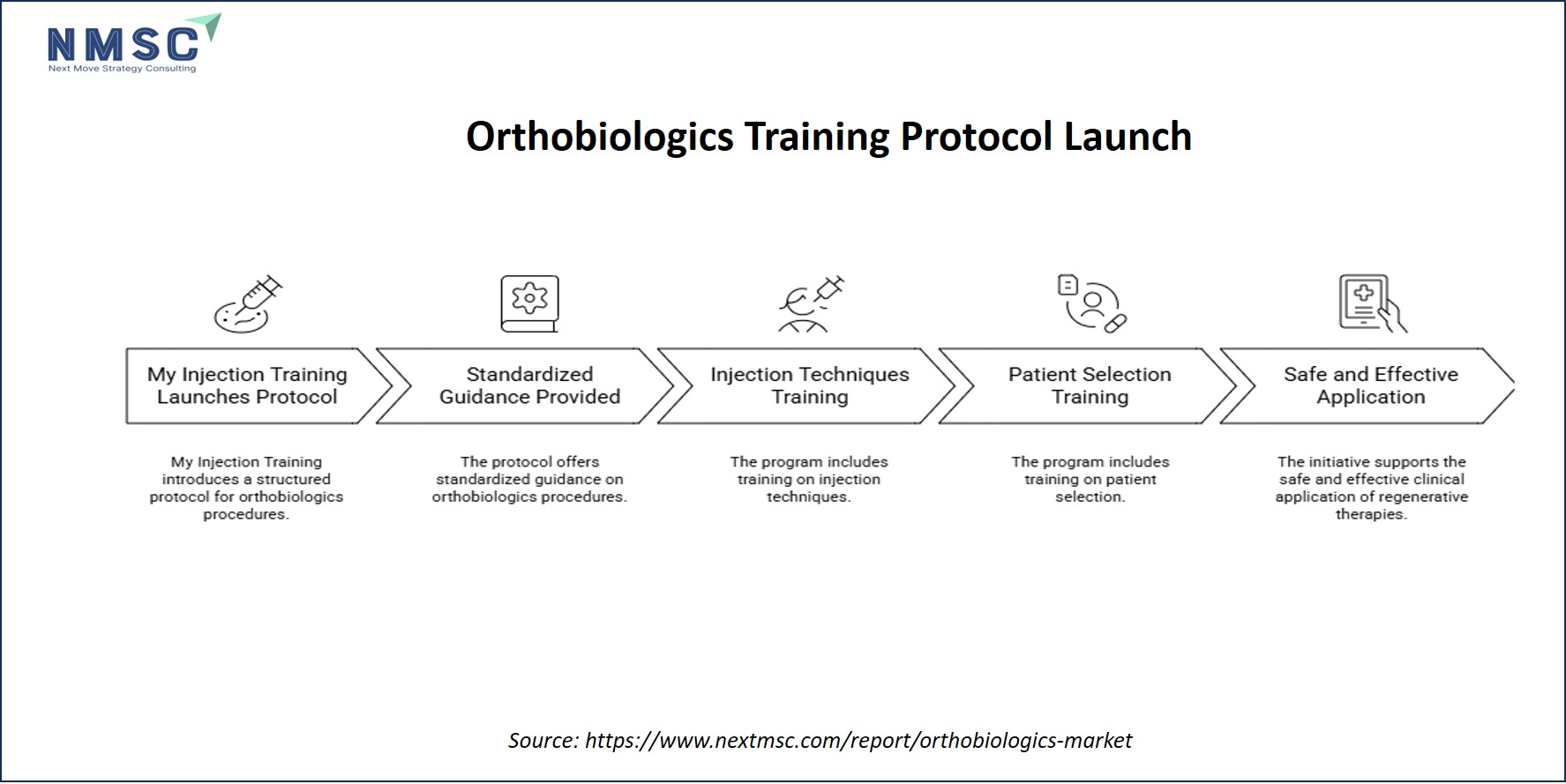
This development aims to bridge the knowledge gap among practitioners and ensure consistent treatment outcomes.
Why Training Matters
-
Reduces variability in treatment outcomes
-
Enhances practitioner confidence
-
Improves patient safety
-
Encourages wider adoption of orthobiologics
Standardized training is emerging as a key driver of orthobiologics market expansion, as increasing practitioner expertise is likely to accelerate adoption across both developed and emerging healthcare systems, according to insights from Next Move Strategy Consulting.
Key Trends Shaping the Orthobiologics Market in 2026
-
Shift Toward Regenerative Medicine: Orthobiologics is increasingly being positioned as a long-term solution rather than a temporary fix. Stem cell therapies and biologics are targeting tissue regeneration at a cellular level.
-
Growing Role of Pharma Companies: Pharmaceutical companies are expanding into biologics, indicating a convergence between traditional pharma and regenerative medicine.
-
Standardization of Clinical Practices: Training programs and protocols are ensuring uniformity in procedures, reducing risks and improving outcomes.
-
Increased Focus on Knee Osteoarthritis: Knee osteoarthritis remains a major application area due to its high prevalence and limited non-surgical treatment options.
The orthobiologics market is entering a structured growth phase where innovation, regulation, and education are aligning. This alignment is crucial for sustainable expansion and long-term credibility.
According to Next Move Strategy Consulting: Industry Impact
The recent developments in orthobiologics are expected to create a multi-dimensional impact across the healthcare ecosystem:
-
Healthcare Providers: Increased adoption of minimally invasive regenerative therapies
-
Patients: Access to treatments that promote healing rather than symptom management
-
Pharmaceutical Industry: Entry into high-growth biologics segment
-
Medical Education: Expansion of specialized training programs
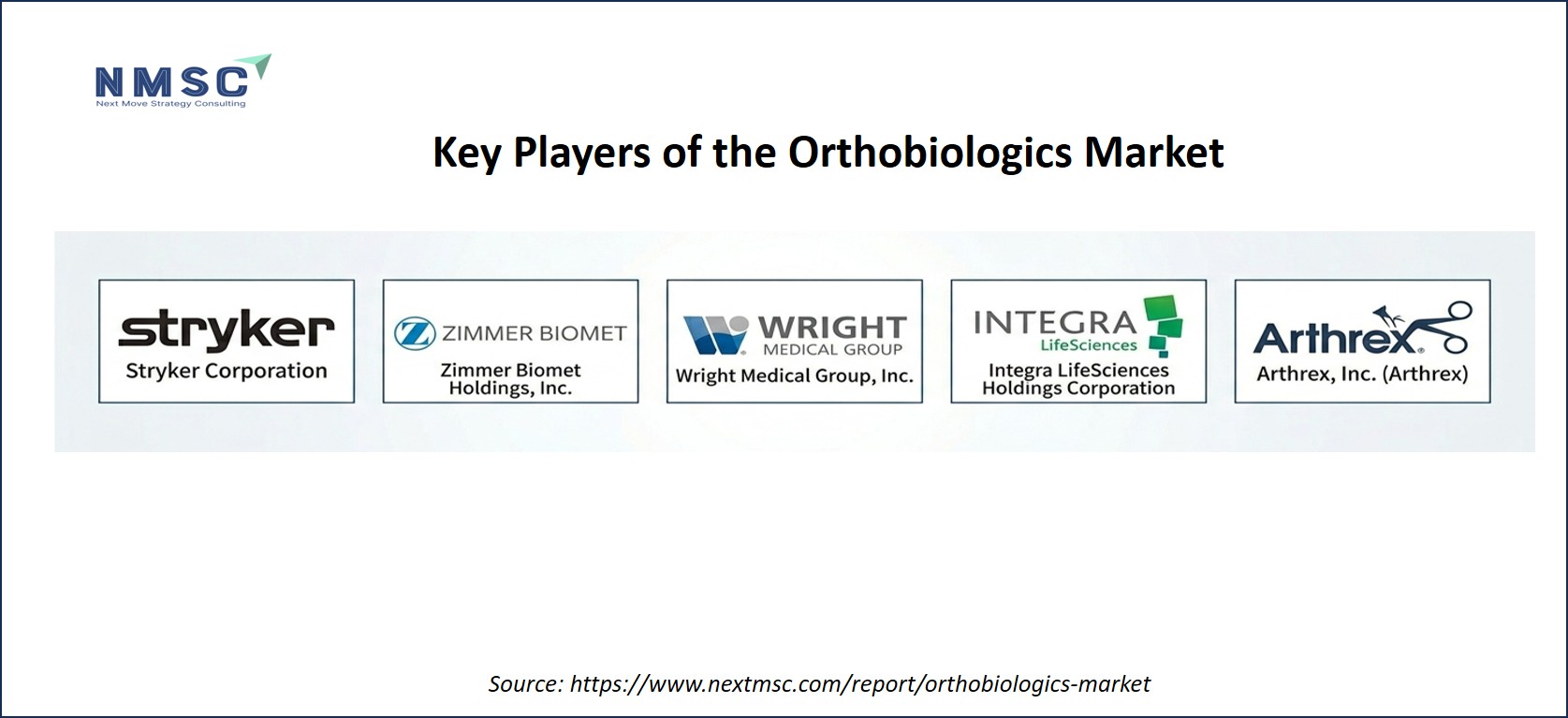
These factors collectively contribute to the establishment of orthobiologics as a mainstream treatment category rather than a niche alternative.
Challenges to Consider
Despite strong growth momentum, certain challenges remain:
-
Limited awareness among patients
-
High cost of advanced biologics
-
Need for long-term clinical validation
-
Regulatory complexities in different regions
While the growth outlook is strong, addressing cost and awareness barriers will be critical. Market players that focus on affordability and education will likely gain a competitive advantage.
Next Steps: Actionable Takeaways
1. Invest in Training Programs: Healthcare providers should prioritize certified orthobiologics training to ensure safe adoption.
2. Focus on Patient Education: Clinics and hospitals must raise awareness about regenerative treatment benefits.
3. Explore Strategic Partnerships: Pharma companies can collaborate with biotech firms to accelerate innovation.
4. Monitor Regulatory Developments: Staying updated on compliance requirements will be essential for market entry and expansion.
5. Adopt Evidence-Based Practices: Emphasize clinical validation to build trust and credibility.
Conclusion
The orthobiologics market in 2026 is evolving rapidly, driven by advancements in stem cell therapies and structured clinical training. With increasing support from pharmaceutical companies and growing interest in regenerative medicine, orthobiologics is set to redefine orthopedic care.
From improved patient outcomes to enhanced clinical adoption, the market is moving toward a future where healing is driven by biology rather than intervention.
Orthobiologics will play a central role in the next generation of musculoskeletal treatment, supported by innovation, education, and strategic industry collaboration.
About the Author
 Sanyukta Deb
— Sanyukta Deb is Digital Marketing Team Lead at Next Move Strategy Consulting, where she has led content strategy and technical SEO for the firm's B2B market research publications for over 2 years. Her editorial process translates NextMSC's primary and secondary research — spanning technology, industrial, and consumer sectors — into commercial narratives, backed by search-intent, keyword, and competitive analysis. She brings 5 years of overall experience in digital marketing and content strategy.
Sanyukta Deb
— Sanyukta Deb is Digital Marketing Team Lead at Next Move Strategy Consulting, where she has led content strategy and technical SEO for the firm's B2B market research publications for over 2 years. Her editorial process translates NextMSC's primary and secondary research — spanning technology, industrial, and consumer sectors — into commercial narratives, backed by search-intent, keyword, and competitive analysis. She brings 5 years of overall experience in digital marketing and content strategy.
About the Reviewer
 Debashree Dey
— Debashree Dey is Assistant Manager at Next Move Strategy Consulting, where she supports cross-vertical market content and communications across diverse industries for 6 years. Her professional background includes senior content writing, communications, and published manuscript authorship, with experience developing audience-focused business narratives and maintaining clear, consistent messaging. Her role supports research-led content development and editorial quality across NextMSC publications.
Debashree Dey
— Debashree Dey is Assistant Manager at Next Move Strategy Consulting, where she supports cross-vertical market content and communications across diverse industries for 6 years. Her professional background includes senior content writing, communications, and published manuscript authorship, with experience developing audience-focused business narratives and maintaining clear, consistent messaging. Her role supports research-led content development and editorial quality across NextMSC publications.

















Add Comment