Rising Freight Volumes: Choose Semi-Truck Tool Boxes Built to Last

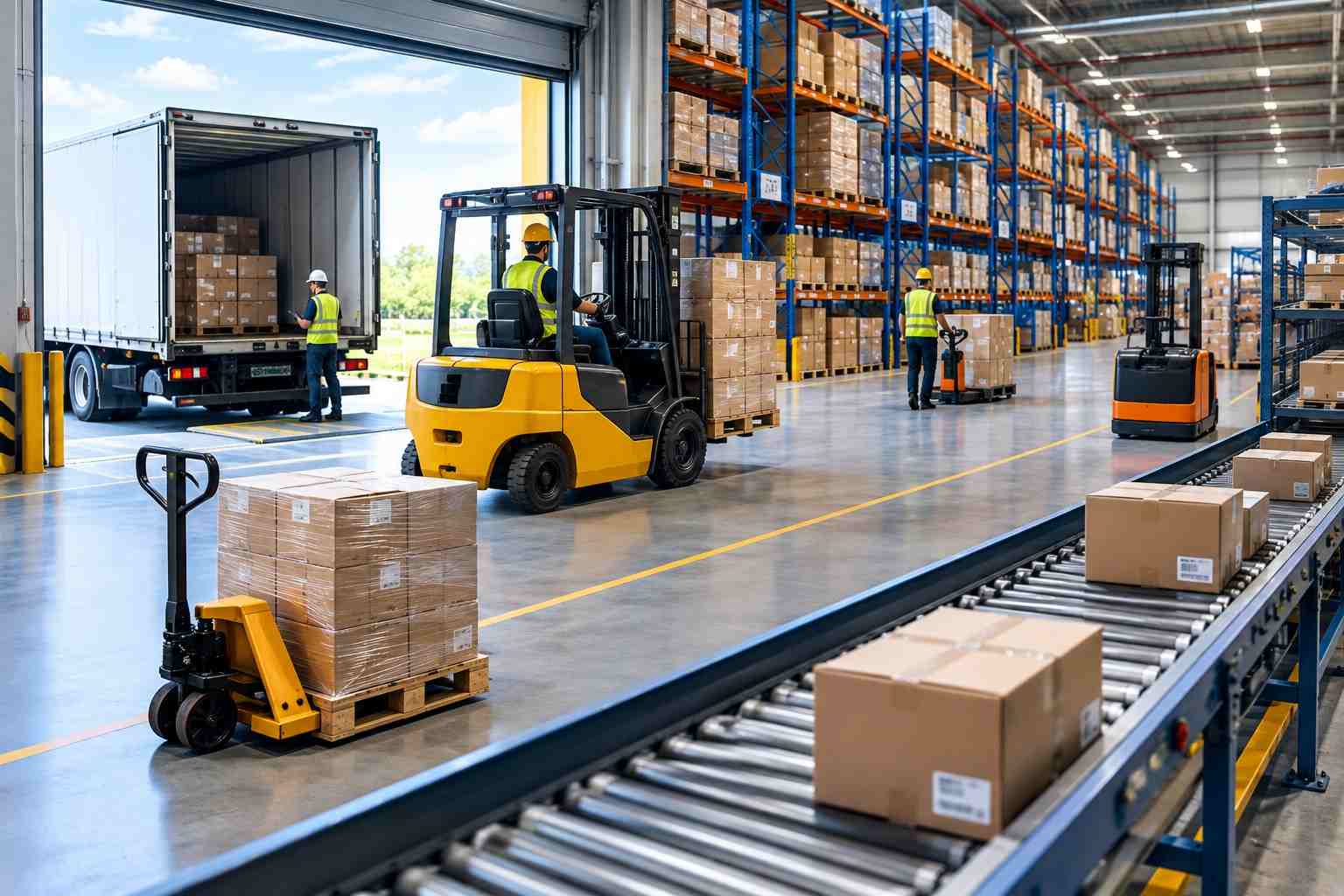
Freight is picking up. You can feel it at the docks. Loads that sat on the board last winter get grabbed in minutes now, and trucks that had a slow stretch are rolling full again. That is good news for anybody who owns equipment. It also means everything bolted to the frame is about to get worked harder than it has in a while, storage included.
Storage tends to be forgotten by most drivers until problems arise. This is understandable because a box is just that - a box - until the lock mechanism freezes during January or the door seal fails and there is water alongside your binders. If you are considering purchasing new storage this year, semi truck tool boxes warrant closer consideration than usual. They have to withstand the elements, they are closed multiple times per day and they contain items too valuable to be missing.
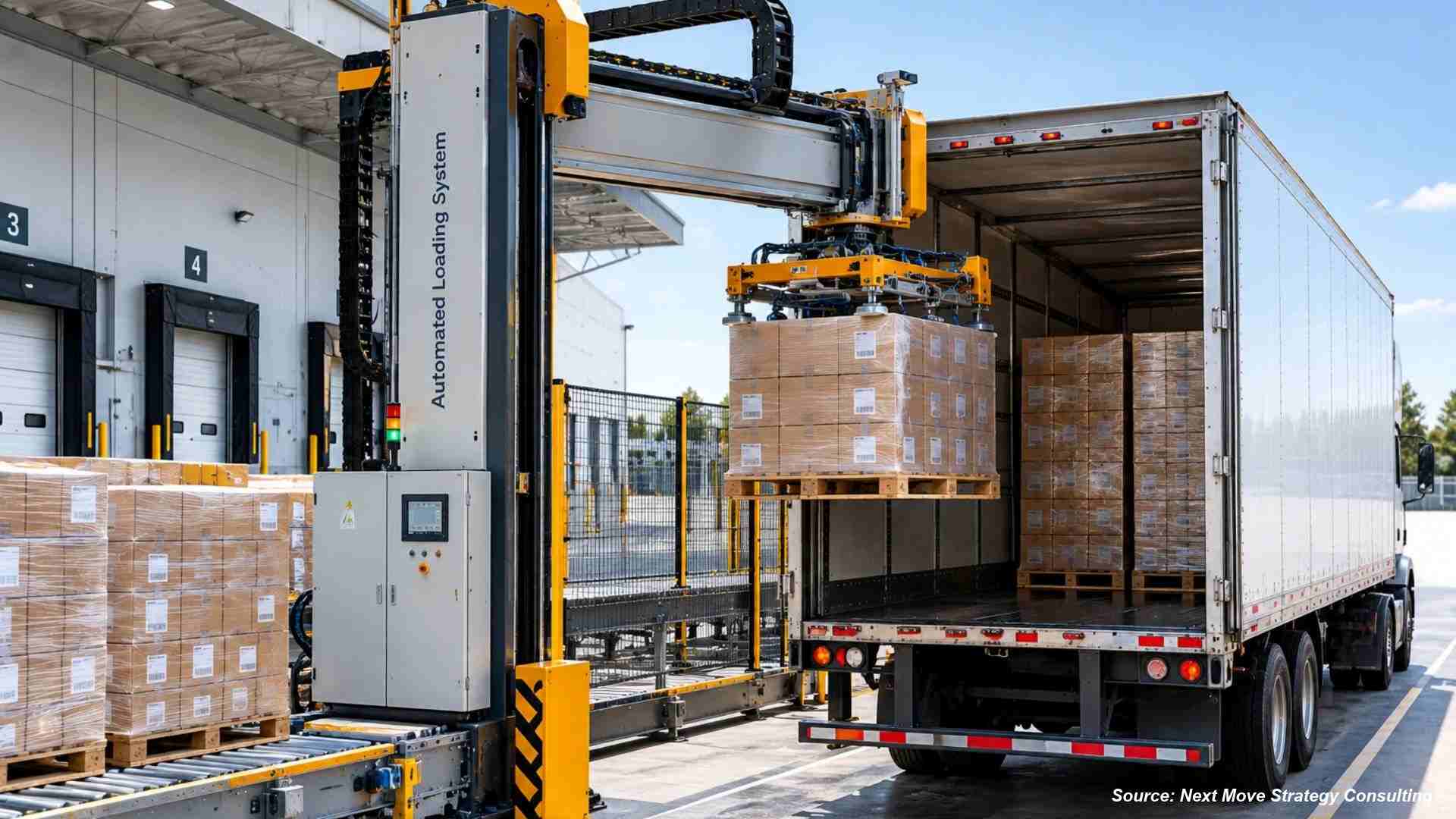
The volumes behind all this are not guesswork. As reported by the American Trucking Associations, the long-range outlook supports that growth: the American Trucking Associations’ freight forecast projects truck tonnage rising from 11.27 billion tons in 2024 to 13.99 billion tons in 2035, with trucking revenue climbing from about $906 billion to $1.46 trillion. It means the equipment you buy now has to hold up through a lot of miles, not just a busy quarter.
More freight also changes what a normal day looks like for the box itself. More loads mean more stops, more securement checks and more times the door swings open in rain, sleet or a dusty yard. A flatbed driver might reach for straps, chains and edge protectors a dozen times before lunch. Every one of those openings puts wear on the hinge, the latch and the seal. A box that felt fine at half the workload can start showing its weaknesses fast once the calendar fills up.
Aluminum or Steel? Ask Where You Run
This argument has been going on forever and there is no single winner. Steel takes a beating and shrugs it off. Aluminum saves weight and does not rust. Where you drive decides which one matters more. Up in the salt belt, steel starts losing the fight the first time a rock chips the coating. Aluminum just sits there looking the same. On a flatbed that is already heavy, the weight savings go straight into freight you can actually get paid for.
The finish matters too. A bare diamond-plate aluminum box looks sharp on day one but dulls and stains without regular polishing, while a powder-coated finish hides road grime and adds another layer against corrosion. If you choose steel, ask how it was treated before painting. A galvanized or zinc-primed body will hold up years longer than plain steel with a single coat of paint. Whichever way you go, match the box to the rest of the truck’s maintenance routine, because a finish that needs constant attention will eventually stop getting it.
Size the Box to the Work
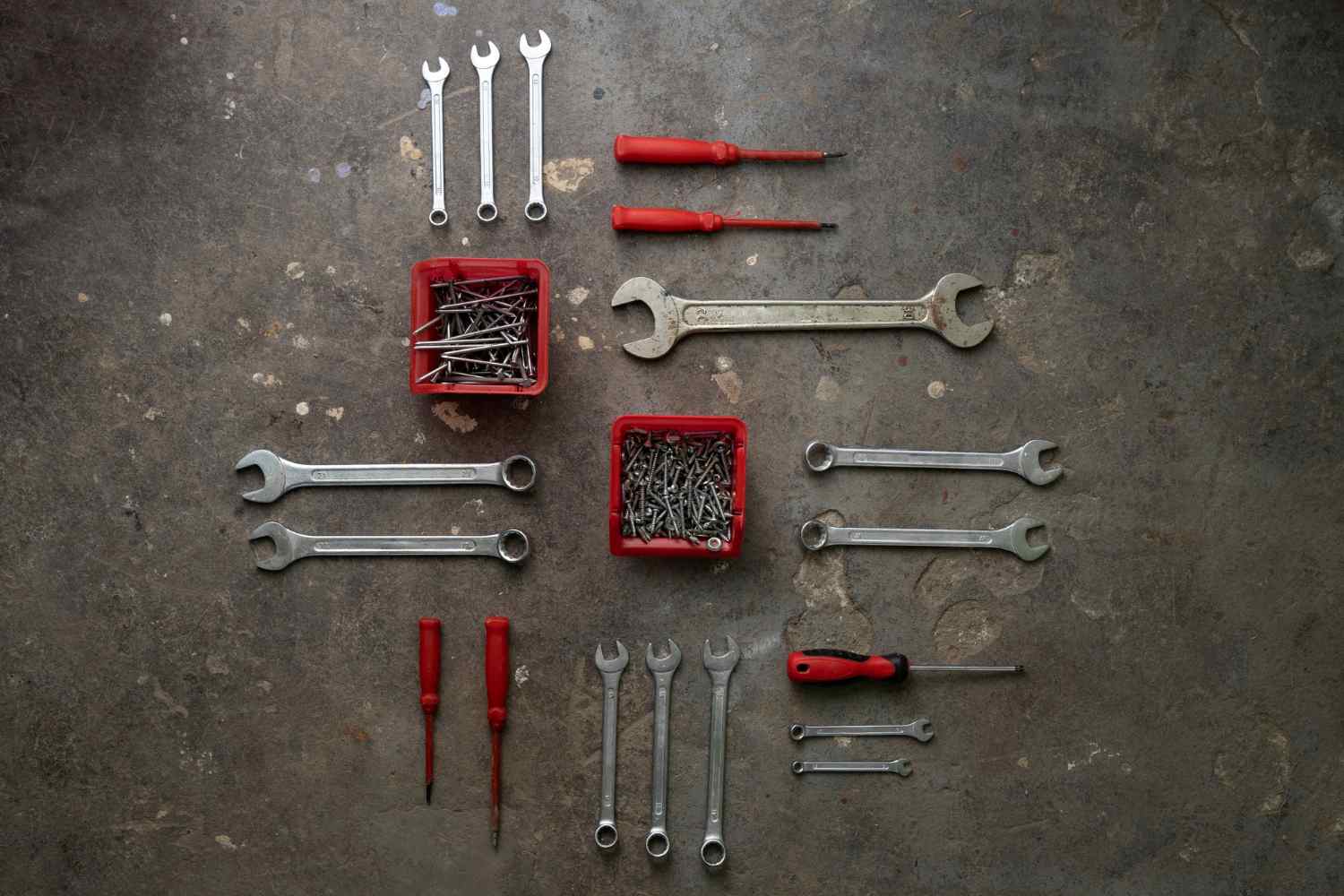
Material is only half the decision. The other half is fit. An underbody box between the axles keeps weight low and centered, which is easy on handling. A side-mount or saddle box near the cab is easier to reach but competes with fuel tanks, steps and air lines for space. Measure the open frame rail before you order, and think about what actually goes inside. Chains and binders are heavy and need a floor that will not flex. Straps and tarps need volume more than strength. A box sized for what you really carry is one you will actually keep organized.
The Parts That Actually Break
Nobody's tool box fails because the shell was too thin. It fails at the small stuff. Hinges that sag. Latches that rattle loose. A seal that dried out two summers ago. Brackets that bolt straight to the frame with no give, so every bump in the road goes right into the welds. A rain gutter around the door helps more than people realize.
When you compare models, look at the hardware before you look at the finish. Stainless steel hinges and latches hold up far better than plated ones, which start to pit after one winter of road salt. A full-length piano hinge spreads the load instead of letting two small hinges carry it. Double-wall doors stay flat and do not drum on rough pavement. Gas struts on a top-opening lid keep it from dropping on your hands. These details add a little to the price, but they are exactly the parts you would otherwise be replacing.
Security Matters More When Trucks Run Full
Busy freight cycles bring crowded truck stops and long nights parked in unfamiliar places. A loaded tool box is an easy target, and replacing a full set of chains, binders and hand tools is an expensive way to lose a day. Look for recessed, weather-sealed locks that do not freeze shut, and consider keyed-alike locks if you run several boxes. A padlock hasp adds a second layer for overnight parking. Theft does not only cost the gear itself. It costs the load you cannot legally haul until the missing securement equipment is replaced.
Do the Math Past the Price Tag
A cheap box is cheap only once. After that it requires your time, and time is the only resource you cannot return when you have the cargo to move. Painting of a rusty steel box, cleaning of a jammed hinge, changing of the gears that got wet due to the damaged seal. Calculate all of it over ten years, and you will see that the cheaper box does not become cheaper at all. That is the whole idea of buying semi-truck tool boxes designed for the job.
Install It Right and Keep It That Way
Even a well-built box can be ruined by a careless install. Use the mounting kit made for your frame, and put rubber isolators between the brackets and the rail so vibration does not travel straight into the welds. Torque the bolts to spec and check them again after the first few hundred miles, because new hardware settles. After that, fold a quick look into your regular preventive maintenance. Wash road salt off the box during winter, spray a little lubricant on hinges and lock cylinders, and replace a seal at the first sign of cracking. Ten minutes a few times a year keeps the box working for as long as the truck does.
Buying for the Next Ten Years
The freight predictions will be predictions and there is always one that will not come true. However, the general trend is pretty obvious and the trucks will continue moving regardless.
Choose your storage solution the same way you choose your tires and brakes, by its longevity and reliability: doors that are water resistant, fasteners that are reliable under vibration and mounts that will not get loose easily. Once you get it all right, you will no longer have to worry about it because that is exactly what you need from the box. That is how you get yourself a semi-truck tool boxes that are still operational on the next freight cycle.
About the Author
 Sanyukta Deb
— Sanyukta Deb is Digital Marketing Team Lead at Next Move Strategy Consulting, where she has led content strategy and technical SEO for the firm's B2B market research publications for over 2 years. Her editorial process translates NextMSC's primary and secondary research — spanning technology, industrial, and consumer sectors — into commercial narratives, backed by search-intent, keyword, and competitive analysis. She brings 5 years of overall experience in digital marketing and content strategy.
About the Reviewer
 Debashree Dey
— Debashree Dey is Assistant Manager at Next Move Strategy Consulting, where she supports cross-vertical market content and communications across diverse industries for 6 years. Her professional background includes senior content writing, communications, and published manuscript authorship, with experience developing audience-focused business narratives and maintaining clear, consistent messaging. Her role supports research-led content development and editorial quality across NextMSC publications.















Add Comment