The Fastest-Growing Jobs in the Age of Automation
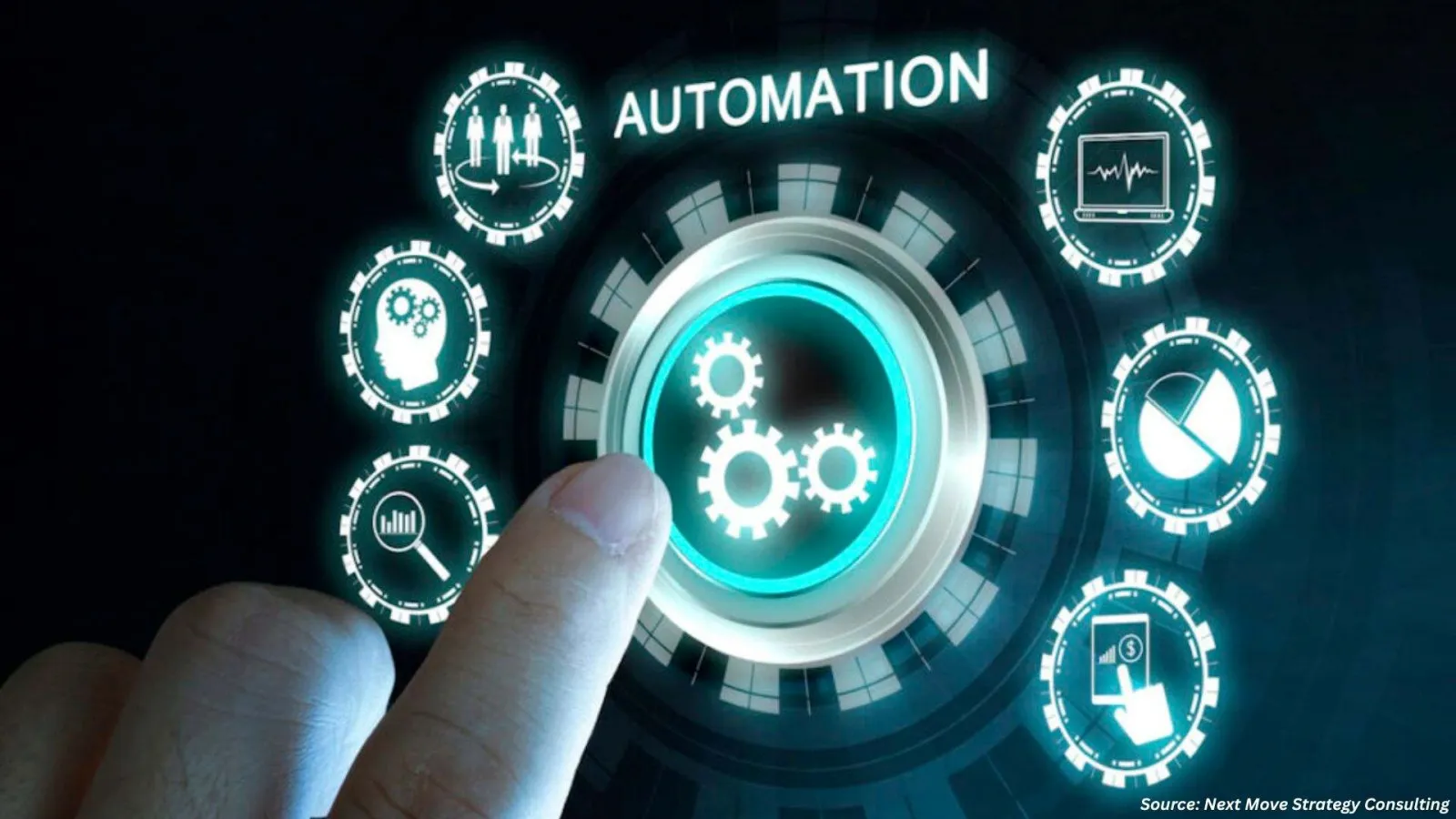
The conversation around automation used to feel like pure science fiction, but today it's happening right in front of us. Honestly, it’s happening so fast it can make your head spin. Everywhere you look, routines are changing. Tasks are shrinking. Systems are handling work that humans used to do. It’s easy to look at these shifts and feel a little uneasy. I guess it's completely natural to worry about security when the ground keeps shifting under your feet. We constantly hear warnings about positions disappearing and industries shrinking. But history shows that major technological shifts don't just eliminate roles, they create new ones. The workforce is transforming, and a new generation of careers is emerging at an incredible pace.
But how do we figure out where we fit into this new picture?
Instead of focusing entirely on what we're losing, it's time to look at where the actual growth is happening. The fastest-growing jobs today aren't just about keeping up with technology. They’re about combining human insight, care, and adaptability with a digital world. You know, if you want to understand where the professional landscape is heading, you have to look at the sectors that rely on the things technology simply can't replace.
The Rise of the Machine Guides: AI and Data Specialists
It's no surprise that the tech sector itself is experiencing massive growth, but the nature of that growth has shifted. We're no longer just building basic software. We're building systems that learn. This has created a massive demand for artificial intelligence specialists, machine learning engineers, and data analysts.
These professionals aren't just writing code. They’re teaching systems how to interpret information, recognize patterns, and make smart predictions. A data specialist takes massive pools of unstructured information and translates it into a strategy that a business can actually use. They act as the translators between complex computer algorithms and real-world outcomes. And as long as organizations continue to generate data, the need for people who can make sense of it will continue to climb. It's intense, meticulous work.
The Human Element: Healthcare and Compassion
While machines excel at processing numbers and automating routines, they can't replicate human empathy. This is why the healthcare sector remains one of the absolute fastest-growing areas of employment. Roles for nurse practitioners, physical therapists, and home health aides are expanding rapidly.
An automated system might be able to analyze a medical scan or dispense medication, but it can't comfort a patient who's afraid. It can't listen to the subtle nuances of a person's physical pain or provide the gentle encouragement needed during rehabilitation. Have you ever tried talking to a machine when you were genuinely hurting? It doesn't work. The aging population, combined with a greater societal focus on wellness, ensures that healthcare professionals will remain irreplaceable. The future of medicine belongs to technology, but the future of care belongs entirely to humans. And that’s the point.
Sustainability and the Green Economy
Another massive driver of job growth is our shifting relationship with the planet. The transition to renewable energy sources is creating thousands of positions that didn't even exist a generation ago. Solar photovoltaic installers and wind turbine service technicians consistently top lists of the fastest-growing occupations.
These are hands-on, highly skilled technical positions that require real-time problem-solving in unpredictable environments. You can't easily automate the process of climbing a wind turbine in changing weather conditions to diagnose a mechanical fault.
And that is manual work that requires real human judgment.
Maybe it's the crisp wind or the literal heights, but there is something deeply human about fixing the things that power our world. As communities and businesses commit to reducing their carbon footprints, the green energy sector will continue to offer stable, future-proof career paths for folks who like to build and fix things.
Strategy and Human Connections: Marketing and Management
In a business world filled with automated tools, standing out requires a deep understanding of human psychology. This is why roles in marketing strategy, market research, and organizational management are growing. Automated platforms can distribute emails or track ad clicks, but they can't tell a story that genuinely moves people.
Creative directors, brand strategists, and community managers are in high demand because they understand cultural trends and emotional triggers. They know how to build a community around an idea. Likewise, human resources managers are more critical than ever. So, how do you manage a team that is half-remote and entirely stressed? You need human empathy. As workplaces navigate remote setups, hybrid schedules, and technological disruptions, keeping teams motivated and cohesive requires exceptional interpersonal skills.
How to Prepare Your Career Strategy
If you want to thrive in this changing environment, you have to be proactive about how you present your skills. It's not just about having the right experience; it's about making sure employers can see that experience instantly. The first step in pivoting to a high-growth industry is updating how you present your professional history.
We've all been there, staring at a blank screen with the hum of the laptop at midnight, trying to figure out how to sum up our lives in a single page.
When you're updating your resume with keywords, you want to make sure your presentation matches modern hiring standards. Recruiters today use automated sorting systems to scan applications before a human ever looks at them. To stand out, you need a clean layout that highlights your adaptable skills and technical familiarity. Utilizing Zety’s HR-approved resume templates ensures your documents are both machine-readable and visually appealing to hiring managers. This allows you to focus on tailoring your language to the specific growth industries you want to target.
Focus heavily on your transferable skills. Highlight times when you learned a new software quickly, managed a difficult project, or solved a complex problem without a clear blueprint. These are the traits that prove you can grow alongside a company, no matter how much its technology changes.
Embracing Lifelong Learning
The concept of a single career path lasting 40 years is fading away. In the age of automation, adaptability is the ultimate superpower. The professionals who thrive will be those who view graduation not as the end of education but as the beginning of a lifelong learning process.
But who has the time to go back to school for years?
You don't have to. This doesn't mean you need to go back to school for a four-year degree every time technology updates. It means taking short courses, earning certifications, and staying curious about your industry. Pay attention to the tools that are entering your field. Instead of resisting them, learn how to use them. The worker who knows how to operate an automated tool will always be more valuable than the worker it replaces.
Ultimately, automation isn't an enemy to be feared; it's a tool to be leveraged. By focusing on industries that require human empathy, complex problem-solving, and strategic thinking, you can build a career that's secure, rewarding, and resilient.
About the Author
 Brittany Van Tassel
— Brittany Van Tassel is an SEO and digital marketing professional with extensive experience in content strategy, link building, and online brand growth. She specializes in helping businesses improve their search visibility through high-quality content and authoritative outreach campaigns.
Brittany Van Tassel
— Brittany Van Tassel is an SEO and digital marketing professional with extensive experience in content strategy, link building, and online brand growth. She specializes in helping businesses improve their search visibility through high-quality content and authoritative outreach campaigns.
About the Reviewer
 Debashree Dey
— Debashree Dey is Assistant Manager at Next Move Strategy Consulting, where she supports cross-vertical market content and communications across diverse industries for 6 years. Her professional background includes senior content writing, communications, and published manuscript authorship, with experience developing audience-focused business narratives and maintaining clear, consistent messaging. Her role supports research-led content development and editorial quality across NextMSC publications.
Debashree Dey
— Debashree Dey is Assistant Manager at Next Move Strategy Consulting, where she supports cross-vertical market content and communications across diverse industries for 6 years. Her professional background includes senior content writing, communications, and published manuscript authorship, with experience developing audience-focused business narratives and maintaining clear, consistent messaging. Her role supports research-led content development and editorial quality across NextMSC publications.
















Add Comment