What Is Artificial Intelligence in Cybersecurity and Why Does It Matter in 2026?
Artificial Intelligence in Cybersecurity Market is transforming how organizations detect, prevent, and respond to cyber threats. However, the same technology that strengthens cyber defense is also empowering cybercriminals to launch more sophisticated attacks. This dual reality has elevated artificial intelligence in cybersecurity from a technical discussion to a boardroom priority.
Recent developments highlighted by the World Economic Forum and industry leadership experts indicate that cyber resilience is no longer solely an information technology concern. It has become a strategic business imperative affecting operational continuity, investor confidence, digital transformation initiatives, and long-term organizational growth.
For executives, investors, and decision-makers, understanding how artificial intelligence is reshaping cybersecurity is critical for navigating an increasingly complex risk environment.
Artificial intelligence is creating both significant opportunities and emerging risks within the cybersecurity landscape. As organizations continue adopting AI-powered technologies to strengthen defense capabilities, they must also address the growing sophistication of AI-enabled cyber threats. Cybersecurity is increasingly viewed as a governance and business issue rather than a purely technical challenge, making executive leadership and strategic oversight essential components of organizational resilience.
How Is Artificial Intelligence Reshaping Cybersecurity Strategy?
According to discussions at the World Economic Forum's Annual Meetings of the Global Future Councils and Cybersecurity 2025, cybersecurity experts emphasized that resilience, trust, and secure digital infrastructure have become foundational pillars of future prosperity.
More than 500 experts, including 150 cybersecurity leaders, gathered to examine how emerging technologies are changing digital security and resilience. A recurring theme was that cybersecurity must be integrated into broader organizational governance rather than treated as an isolated technical function.
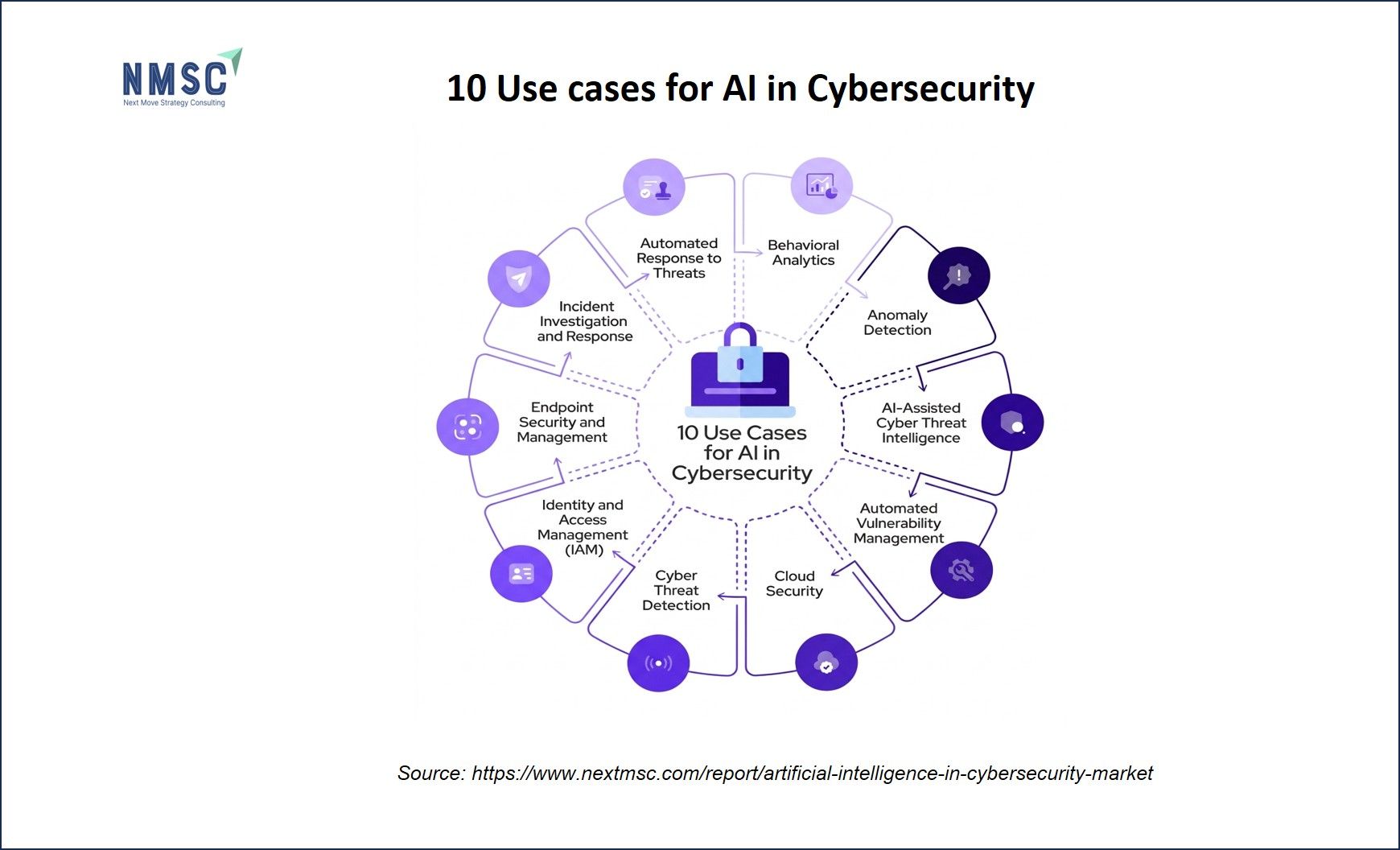
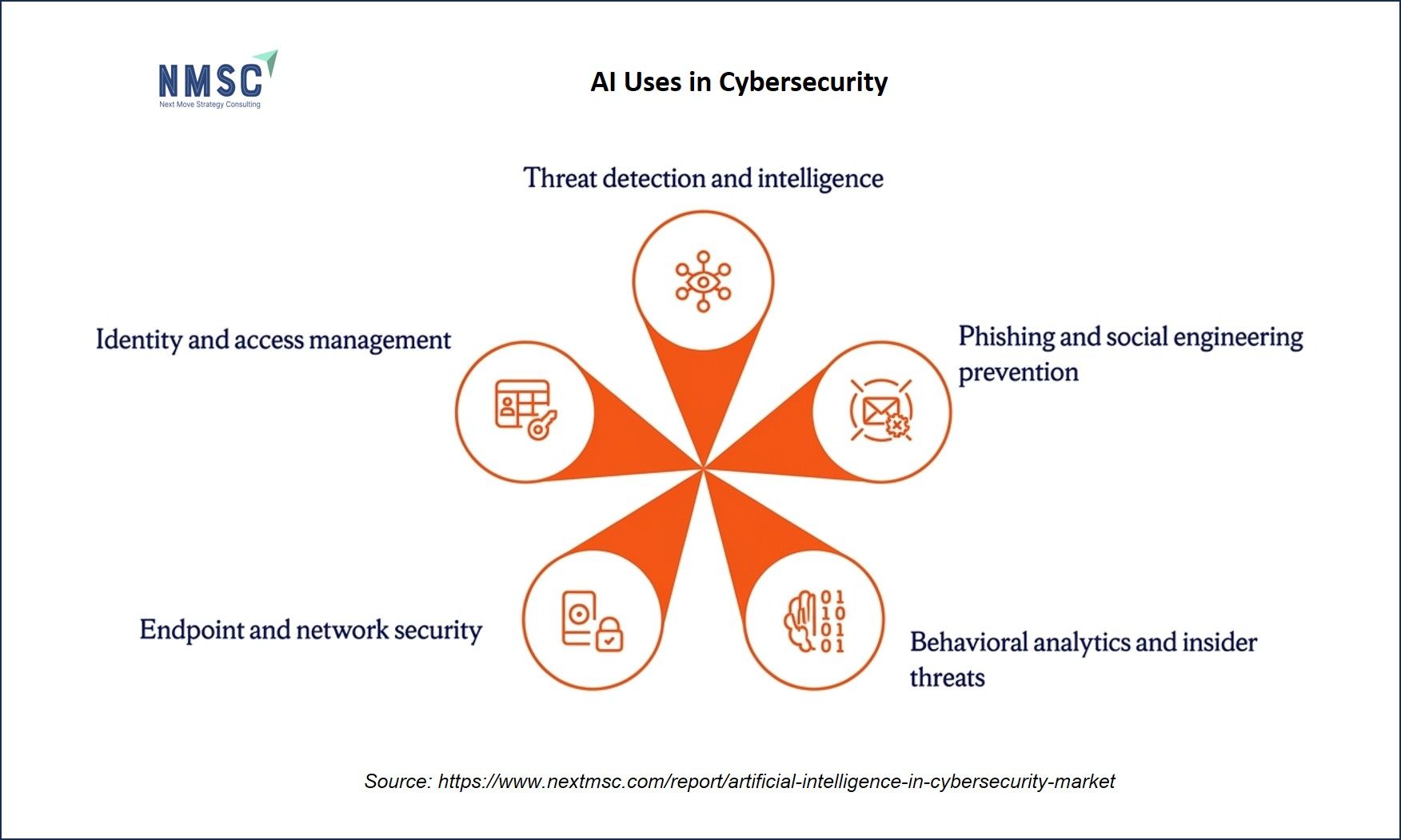
Artificial intelligence is increasingly influencing threat detection and monitoring, security automation, incident response processes, risk assessment, governance frameworks, and organizational resilience planning.
The World Economic Forum report, Elevating Cybersecurity: Ensuring Strategic and Sustainable Impact for CISOs, further positions cybersecurity as a strategic enabler of growth, innovation, and trust.

Why Are Cybersecurity Leaders Becoming Strategic Business Advisors?
The World Economic Forum highlighted the evolving role of Chief Information Security Officers (CISOs), emphasizing stronger alignment between security strategies and broader business resilience objectives.
This shift reflects a growing trend in which cybersecurity leadership contributes directly to business continuity, digital transformation, enterprise risk management, stakeholder trust, and long-term growth planning. As artificial intelligence continues to reshape security operations, executive teams are placing greater emphasis on governance, accountability, and resilience. Cybersecurity leaders are no longer confined to technical oversight; they are increasingly involved in strategic decision-making processes that influence organizational performance and competitive positioning. The growing interconnection between business resilience and cybersecurity further reinforces the importance of integrating security leadership into enterprise-wide planning and governance structures.
What Major Trends Are Shaping Artificial Intelligence in Cybersecurity?
Rising AI-Driven Cybercrime
The World Economic Forum reported that AI-optimized cybercrime is increasing rapidly, particularly across the Asia-Pacific region.
Criminal groups are leveraging advanced technologies to scale cyberattacks, identify vulnerabilities faster, conduct more sophisticated phishing campaigns, and expand ransomware operations. The report also cited growing concerns surrounding data extortion and ransomware leak sites that facilitate the exchange of sensitive information and unauthorized access.
Growing Focus on Global Cyber Cooperation
A significant milestone occurred with the signing of the first United Nations cybercrime treaty by 65 nations in Vietnam.
The agreement aims to strengthen international cooperation, improve evidence-sharing capabilities, enhance victim protection, and establish stronger legal frameworks for combating cybercrime. As cyber threats increasingly transcend national borders, collaborative approaches are becoming essential for effective defense and enforcement.
Cyber Resilience Becoming a National Priority
World Economic Forum contributors emphasized that cybersecurity now influences economic stability, national security, digital sovereignty, and public trust.
Organizations today face a rapidly evolving threat environment shaped by AI-enabled attacks, expanding digital ecosystems, and growing geopolitical risks. At the same time, governments, enterprises, and international institutions are strengthening collaborative efforts to improve resilience and cybersecurity preparedness. As a result, cyber resilience is emerging as a strategic priority that extends beyond technology and plays a critical role in safeguarding economic and societal stability.
How Is Leadership Influencing Cybersecurity Success?
A Business Wire announcement regarding DSG Global's appointment of Lavonne Moon highlights a growing market reality: technology, artificial intelligence, and cybersecurity leadership have become enterprise-shaping mandates.
According to DSG Global, organizations increasingly seek leaders capable of managing digital transformation, strengthening cyber resilience, leveraging artificial intelligence effectively, and translating technological complexity into measurable business value.
Moon's experience includes leadership engagements across cyber resilience initiatives, intelligent manufacturing, digital supply chains, data center operations, and enterprise analytics.
The announcement reinforces a broader industry trend that successful cybersecurity programs depend not only on advanced technologies but also on strong executive leadership. Organizations are increasingly prioritizing leaders who can connect cybersecurity initiatives with business strategy, operational resilience, and innovation objectives. As digital transformation accelerates, executive expertise has become a critical factor influencing organizational preparedness, risk management capabilities, and long-term resilience outcomes.
Competitive Landscape and Strategic Developments
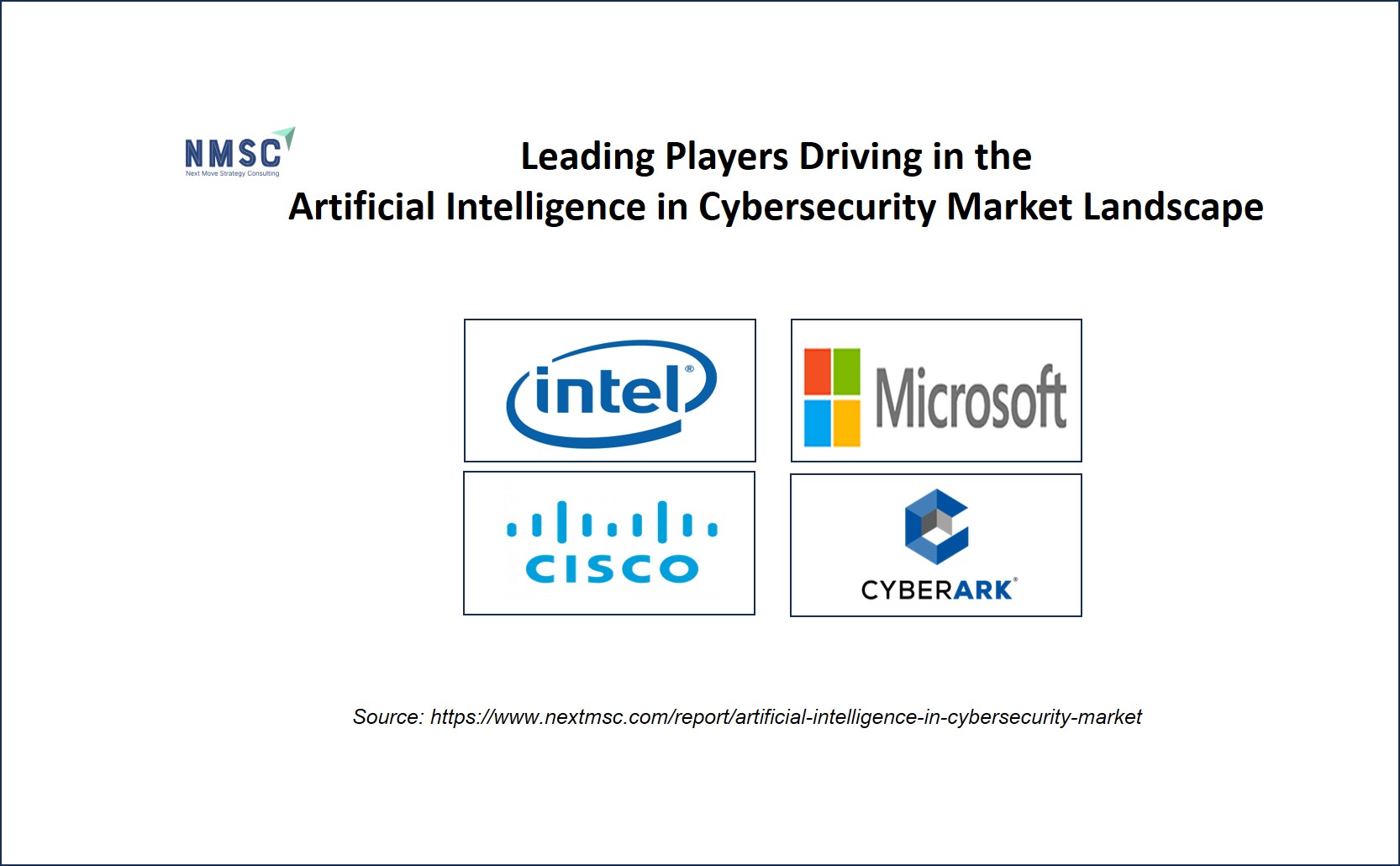
The cybersecurity industry is characterized by the presence of leading technology providers, including Palo Alto Networks, Fortinet, Bitdefender, Cisco Systems (including Splunk), CrowdStrike Holdings, IBM, Trend Micro, Tenable, KnowBe4, Darktrace, Check Point Software Technologies, Sophos, Zscaler, Rapid7, Microsoft Corporation, Broadcom Inc. (Symantec Enterprise), SentinelOne, Okta, Proofpoint, and McAfee Enterprise. These companies continue to strengthen their market positions through strategic initiatives such as product launches, mergers and acquisitions, partnerships, and technology expansion across global markets. Such strategies enable them to enhance their cybersecurity portfolios, expand customer reach, and maintain a competitive edge in an increasingly dynamic threat landscape.
Next Steps
Organizations evaluating their cybersecurity strategies should consider:
-
Assessing AI-related cyber risks across operations.
-
Aligning cybersecurity objectives with business goals.
-
Strengthening executive and board-level cyber governance.
-
Enhancing incident reporting and resilience measurement practices.
-
Evaluating leadership capabilities required for digital transformation.
Conclusion
Artificial Intelligence in Cybersecurity is no longer a future consideration—it is a present-day strategic imperative. Insights from the World Economic Forum and evolving industry leadership trends demonstrate that organizations must move beyond traditional security approaches and embrace resilience-focused strategies.
As AI continues reshaping both cyber defense and cyber threats, successful organizations will be those that combine strong governance, capable leadership, international collaboration, and resilient digital infrastructures. For investors, executives, and decision-makers, cybersecurity has become a critical determinant of long-term business value and operational stability.
About the Author
 Sanyukta Deb
— Sanyukta Deb is Digital Marketing Team Lead at Next Move Strategy Consulting, where she has led content strategy and technical SEO for the firm's B2B market research publications for over 2 years. Her editorial process translates NextMSC's primary and secondary research — spanning technology, industrial, and consumer sectors — into commercial narratives, backed by search-intent, keyword, and competitive analysis. She brings 5 years of overall experience in digital marketing and content strategy.
Sanyukta Deb
— Sanyukta Deb is Digital Marketing Team Lead at Next Move Strategy Consulting, where she has led content strategy and technical SEO for the firm's B2B market research publications for over 2 years. Her editorial process translates NextMSC's primary and secondary research — spanning technology, industrial, and consumer sectors — into commercial narratives, backed by search-intent, keyword, and competitive analysis. She brings 5 years of overall experience in digital marketing and content strategy.
About the Reviewer
 Debashree Dey
— Debashree Dey is Assistant Manager at Next Move Strategy Consulting, where she supports cross-vertical market content and communications across diverse industries for 6 years. Her professional background includes senior content writing, communications, and published manuscript authorship, with experience developing audience-focused business narratives and maintaining clear, consistent messaging. Her role supports research-led content development and editorial quality across NextMSC publications.
Debashree Dey
— Debashree Dey is Assistant Manager at Next Move Strategy Consulting, where she supports cross-vertical market content and communications across diverse industries for 6 years. Her professional background includes senior content writing, communications, and published manuscript authorship, with experience developing audience-focused business narratives and maintaining clear, consistent messaging. Her role supports research-led content development and editorial quality across NextMSC publications.

















Add Comment