What Is Driving Global Plastic Policy Changes and Why It Matters in 2025?

The Plastic Market continues to play a foundational role across manufacturing, packaging, healthcare, logistics, and consumer goods industries. However, in 2025, the market is undergoing a significant transformation as governments, regulators, and industry stakeholders seek to balance environmental sustainability objectives with economic and supply chain considerations.
Two major developments illustrate this transformation. The European Union is leading efforts to secure an ambitious Global Plastics Treaty aimed at addressing plastic pollution throughout the entire plastic life cycle. At the same time, Canada has suspended its planned ban on single-use plastic exports, citing supply chain pressures and broader economic concerns. Together, these developments reveal how plastic policy is becoming a strategic issue that extends far beyond environmental regulation.
For investors, procurement leaders, supply chain executives, and corporate strategists, understanding these policy changes is increasingly important. Regulatory decisions made today could influence investment priorities, operational planning, and global trade patterns for years to come.
How Are Global Negotiations Reshaping Plastic Management?
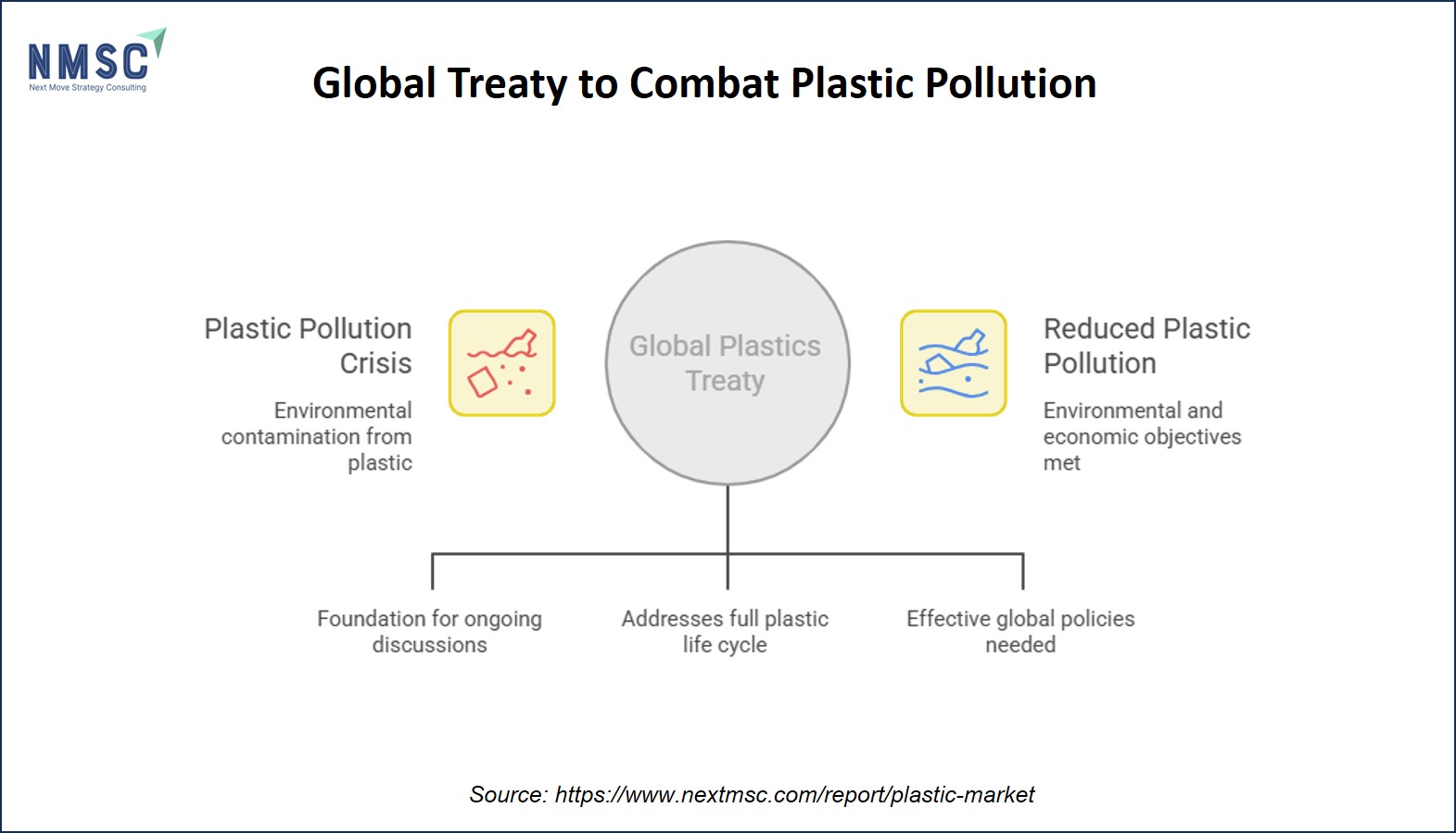
One of the most significant developments in 2025 is the renewed push toward a legally binding Global Plastics Treaty. In August 2025, negotiations resumed in Geneva following an earlier negotiating session held in Busan, South Korea, in December 2024.
Although negotiators were unable to reach a final agreement during the previous session, substantial progress was achieved through the development of a draft text that now serves as the foundation for ongoing discussions. The European Union is advocating for a comprehensive agreement that addresses the full life cycle of plastic, from production and consumption to waste management and disposal.
The proposed approach reflects a growing recognition that plastic pollution cannot be effectively addressed through waste management alone. Instead, policymakers are increasingly focusing on upstream and downstream activities that contribute to environmental contamination.
Commissioner for the Environment, Water Resilience and a Competitive Circular Economy, Jessika Roswall, emphasized the importance of international cooperation, highlighting the need for effective global policies capable of reducing plastic pollution while supporting both environmental and economic objectives.
How Are Economic Pressures Influencing Plastic Regulations?
While environmental concerns remain a primary driver of policy discussions, economic factors continue to shape regulatory decisions.
Canada's decision to suspend its planned export ban on single-use plastics demonstrates the complexity of balancing sustainability goals with economic realities. According to the federal government, tariffs and ongoing supply chain challenges have created significant pressure on the domestic economy, leading policymakers to reconsider the timing and impact of the proposed restrictions.
Officials also concluded that the anticipated environmental benefits of the export ban were not proportional to its expected economic consequences. As a result, the government launched consultations regarding the future of the policy rather than proceeding with implementation.
This decision illustrates a broader challenge facing regulators worldwide. While environmental objectives remain important, governments must also consider trade competitiveness, industrial performance, and supply chain stability when developing plastic-related policies.
What Does This Mean for Businesses?
For multinational organizations, the divergence between regulatory approaches creates additional complexity. While some jurisdictions may pursue stricter controls on plastic production and waste, others may prioritize economic resilience and supply chain continuity.
Consequently, companies may need to develop more flexible compliance strategies capable of adapting to evolving regulatory environments across different regions.
How Could These Developments Impact Industry Stakeholders?
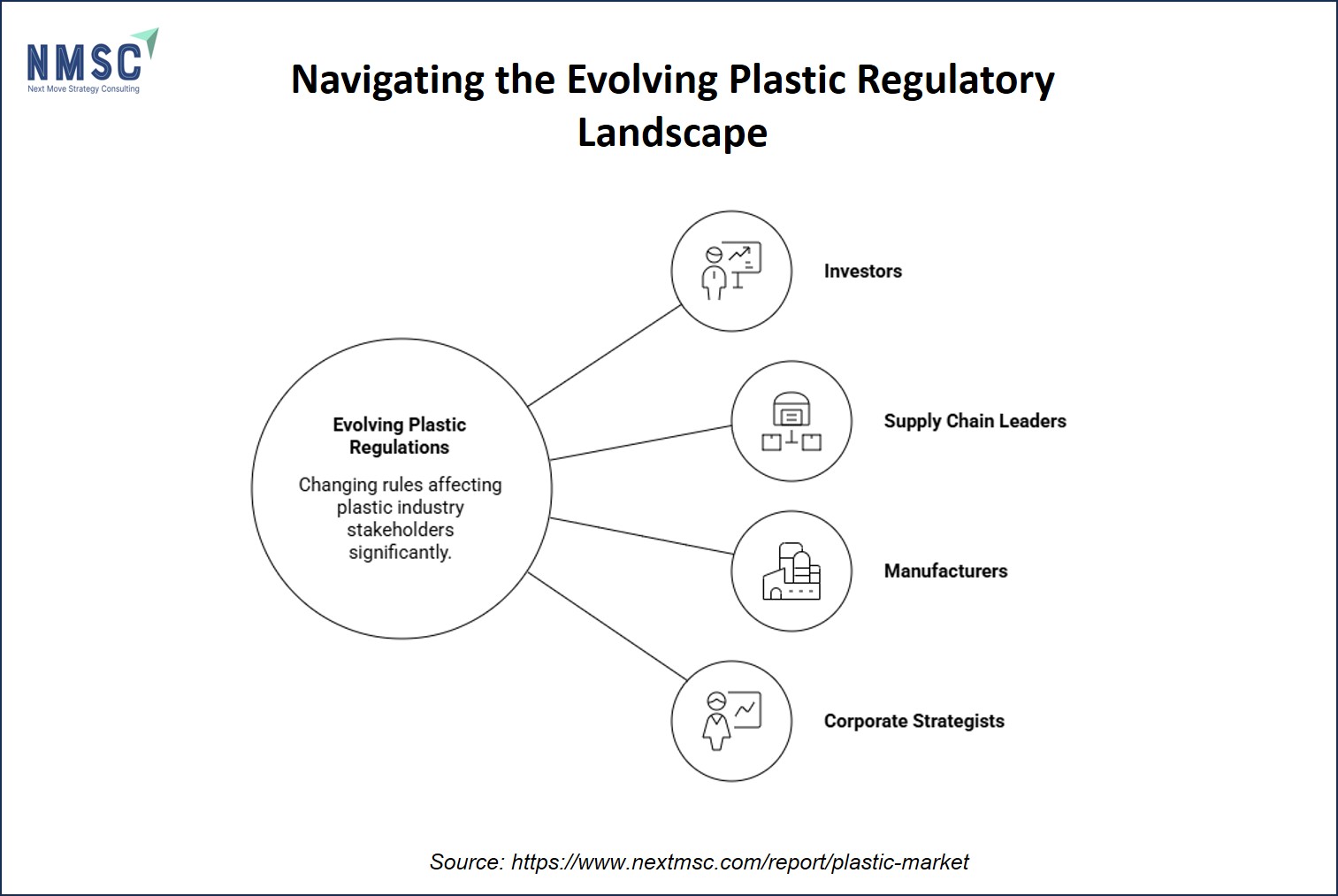
The evolving regulatory environment surrounding plastic is becoming a strategic consideration for investors, manufacturers, and supply chain leaders.
For investors, future regulatory requirements could influence capital allocation decisions and operational costs across plastic-intensive industries. Supply chain leaders may face additional pressure to evaluate sourcing strategies, packaging materials, and export dependencies as regulations evolve.
Manufacturers are also likely to encounter growing expectations regarding waste management and sustainability practices. Meanwhile, corporate strategists may increasingly incorporate plastic governance into broader Environmental, Social, and Governance (ESG) initiatives and risk management frameworks.
What Could the Future Hold for Plastic Governance?
Although treaty negotiations remain ongoing, current developments suggest growing momentum toward stronger international cooperation on plastic pollution.
Future discussions are expected to focus on production management, environmentally sound waste practices, and greater alignment among regulatory frameworks. However, economic considerations are likely to remain central to policy discussions, particularly in regions facing trade challenges and supply chain disruptions.
Until a final agreement is reached, organizations should avoid making assumptions about future regulatory outcomes. Instead, continuous monitoring of negotiations and policy developments will remain essential.
Leading Companies Strengthening Their Position in the Plastic Industry
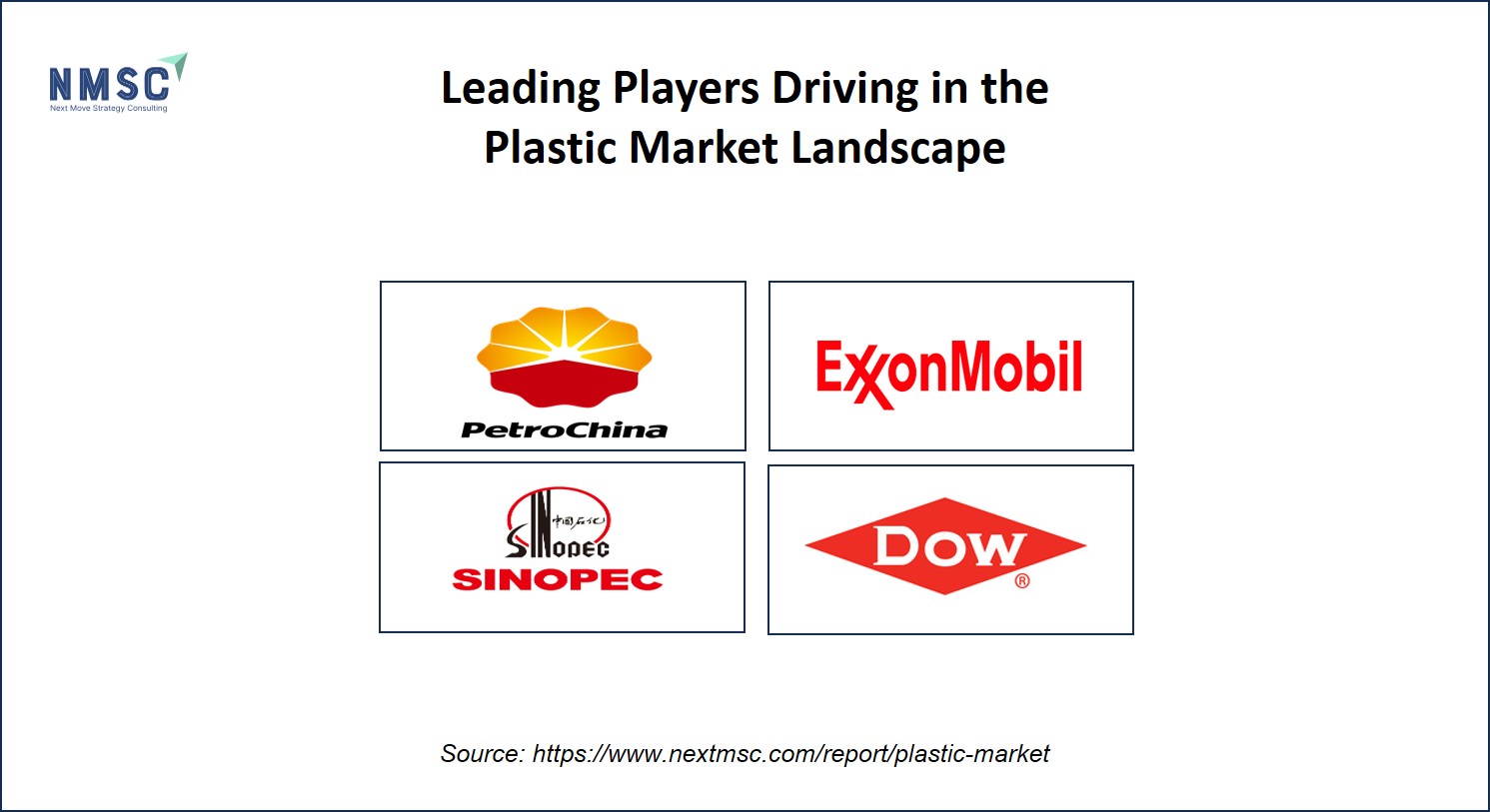
The plastic industry comprises several prominent companies, including China Petroleum & Chemical Corporation (Sinopec Corp.), PetroChina Company Limited, Saudi Basic Industries Corporation (SABIC), Dow Inc., LyondellBasell Industries N.V., Exxon Mobil Corporation, Reliance Industries Limited, INEOS Group, LG Chem Ltd., Wanhua Chemical Group Co., Ltd., Formosa Plastics Corporation, Braskem S.A., Indorama Ventures Public Company Limited, Lotte Chemical Corporation, Mitsubishi Chemical Group Corporation, Covestro AG, Shin-Etsu Chemical Co., Ltd., Westlake Corporation, BASF SE, and Celanese Corporation. These companies are focusing on strategic initiatives such as technological innovation, product development, partnerships, and regional collaborations to strengthen their market presence and sustain their competitive advantage within the global plastic industry.
Next Steps
Organizations should closely monitor the outcomes of ongoing treaty negotiations and assess how potential regulatory changes could affect operations, procurement strategies, and long-term investment planning. Reviewing supply chain exposure and strengthening sustainability reporting practices may also help businesses prepare for future policy developments.
-
Monitor the outcomes of the ongoing Global Plastics Treaty negotiations and assess potential regulatory implications.
-
Evaluate current exposure to plastic-related regulatory and compliance risks across operations and supply chains.
-
Review procurement and packaging strategies to ensure flexibility amid evolving policy frameworks.
-
Strengthen Environmental, Social, and Governance (ESG) reporting practices to align with emerging sustainability expectations.
Conclusion
Plastic policy is undergoing a significant transformation in 2025. The European Union's efforts to advance a comprehensive Global Plastics Treaty reflect growing international concern about plastic pollution and waste management. At the same time, Canada's decision to suspend restrictions on single-use plastic exports demonstrates the continued importance of economic and supply chain considerations.
For investors, procurement leaders, and corporate decision-makers, these developments signal that plastic governance is becoming a strategic business issue. Organizations that actively monitor regulatory trends and adapt their planning accordingly will be better positioned to navigate an increasingly complex global policy environment.
About the Author
 Sanyukta Deb
— Sanyukta Deb is Digital Marketing Team Lead at Next Move Strategy Consulting, where she has led content strategy and technical SEO for the firm's B2B market research publications for over 2 years. Her editorial process translates NextMSC's primary and secondary research — spanning technology, industrial, and consumer sectors — into commercial narratives, backed by search-intent, keyword, and competitive analysis. She brings 5 years of overall experience in digital marketing and content strategy.
Sanyukta Deb
— Sanyukta Deb is Digital Marketing Team Lead at Next Move Strategy Consulting, where she has led content strategy and technical SEO for the firm's B2B market research publications for over 2 years. Her editorial process translates NextMSC's primary and secondary research — spanning technology, industrial, and consumer sectors — into commercial narratives, backed by search-intent, keyword, and competitive analysis. She brings 5 years of overall experience in digital marketing and content strategy.
About the Reviewer
 Debashree Dey
— Debashree Dey is Assistant Manager at Next Move Strategy Consulting, where she supports cross-vertical market content and communications across diverse industries for 6 years. Her professional background includes senior content writing, communications, and published manuscript authorship, with experience developing audience-focused business narratives and maintaining clear, consistent messaging. Her role supports research-led content development and editorial quality across NextMSC publications.
Debashree Dey
— Debashree Dey is Assistant Manager at Next Move Strategy Consulting, where she supports cross-vertical market content and communications across diverse industries for 6 years. Her professional background includes senior content writing, communications, and published manuscript authorship, with experience developing audience-focused business narratives and maintaining clear, consistent messaging. Her role supports research-led content development and editorial quality across NextMSC publications.


















Add Comment