How is Advanced Production Technologies, AI, and Circular Chemistry Reshaping the Global Propylene Market?
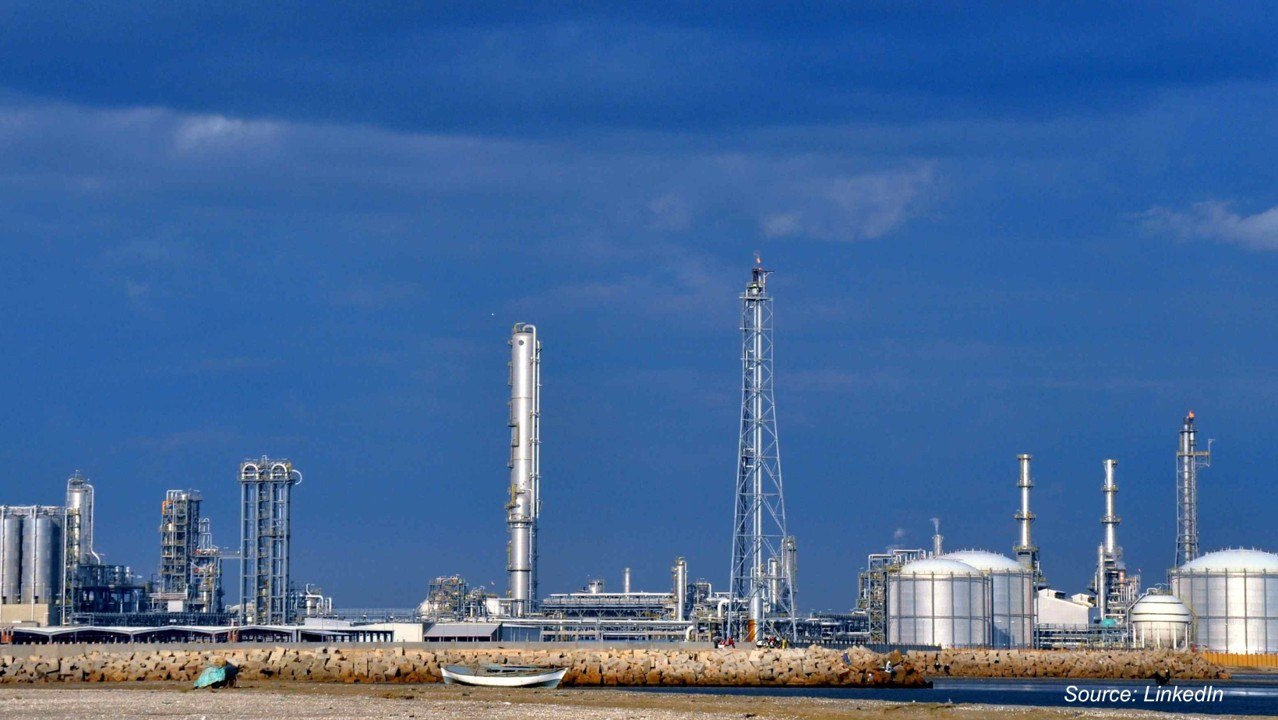
The global propylene market sits at the centre of the modern petrochemical value chain. It supplies the feedstock behind polypropylene, propylene oxide, acrylonitrile, acrylic acid, and other intermediates used across packaging, automotive parts, construction materials, textiles, and healthcare products. What is changing now is not the importance of propylene itself, but the way producers are choosing to make it. Legacy supply models that relied heavily on steam cracking and fluid catalytic cracking are being supplemented by on-purpose production, digital process control, and circular feedstock strategies that respond more precisely to downstream demand.
According to Next Move Strategy Consulting, the Propylene Market was valued at USD 134.2 billion in 2025 and is projected to reach USD 140.7 billion in 2026. Sustained demand from polypropylene production, derivative expansion, and emerging economy growth in Asia are forecast to propel the market to USD 200.7 billion by 2035, advancing at a CAGR of 4.02% from 2026 to 2035. In volume terms, the market stood at 100.54 Megatons in 2025 and is expected to reach 107.92 Megatons in 2026, further expanding to 175.92 Megatons by 2035, registering a CAGR of 5.58% from 2026 to 2035.
Why Propylene Is Shifting from a By-Product Story to a Managed Growth Platform?
For decades, propylene output often moved in step with unrelated refinery and ethylene cycles. That model is becoming less dominant as producers prioritize on-purpose capacity where feedstock access and downstream demand intersect. LyondellBasell's March 2025 decision to expand propylene production at its Channelview complex near Houston is a good example. The project is expected to add about 400,000 metric tons of annual capacity, which shows how producers still find room to invest when logistics, feedstocks, and integrated conversion assets are in the same corridor.
PDH Expansion and Catalyst Innovation Are Redefining Propylene Economics
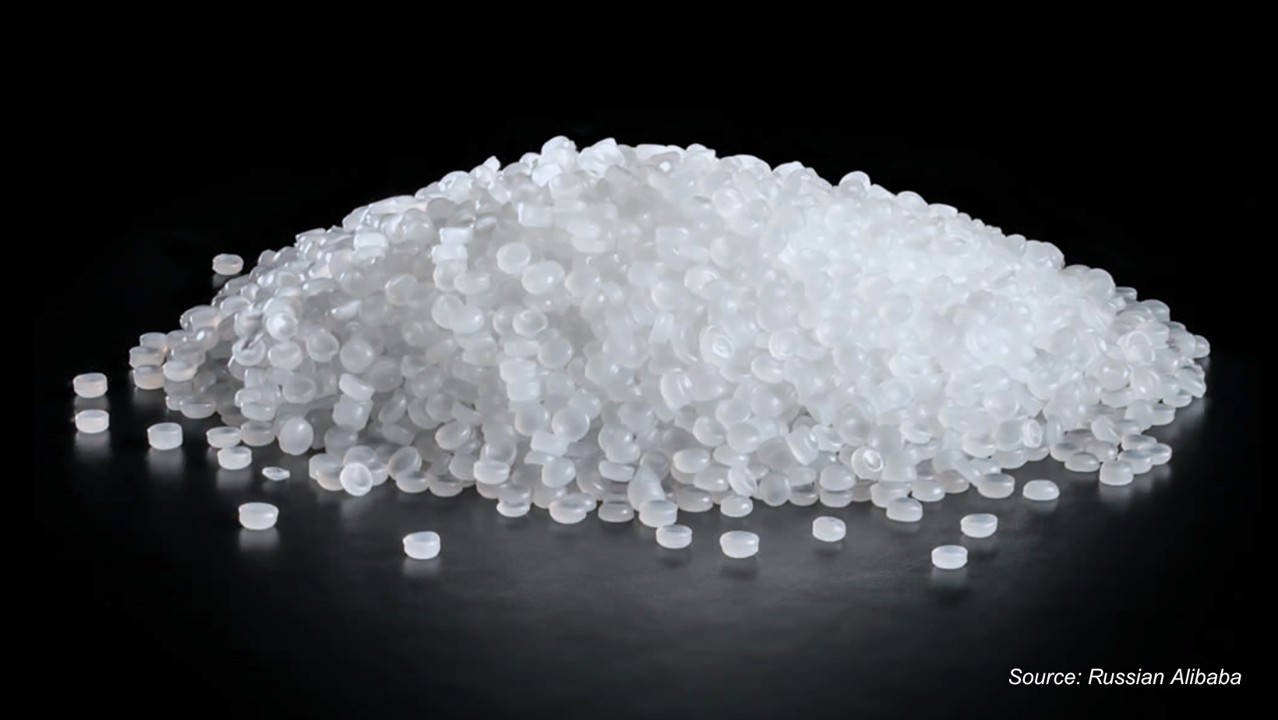
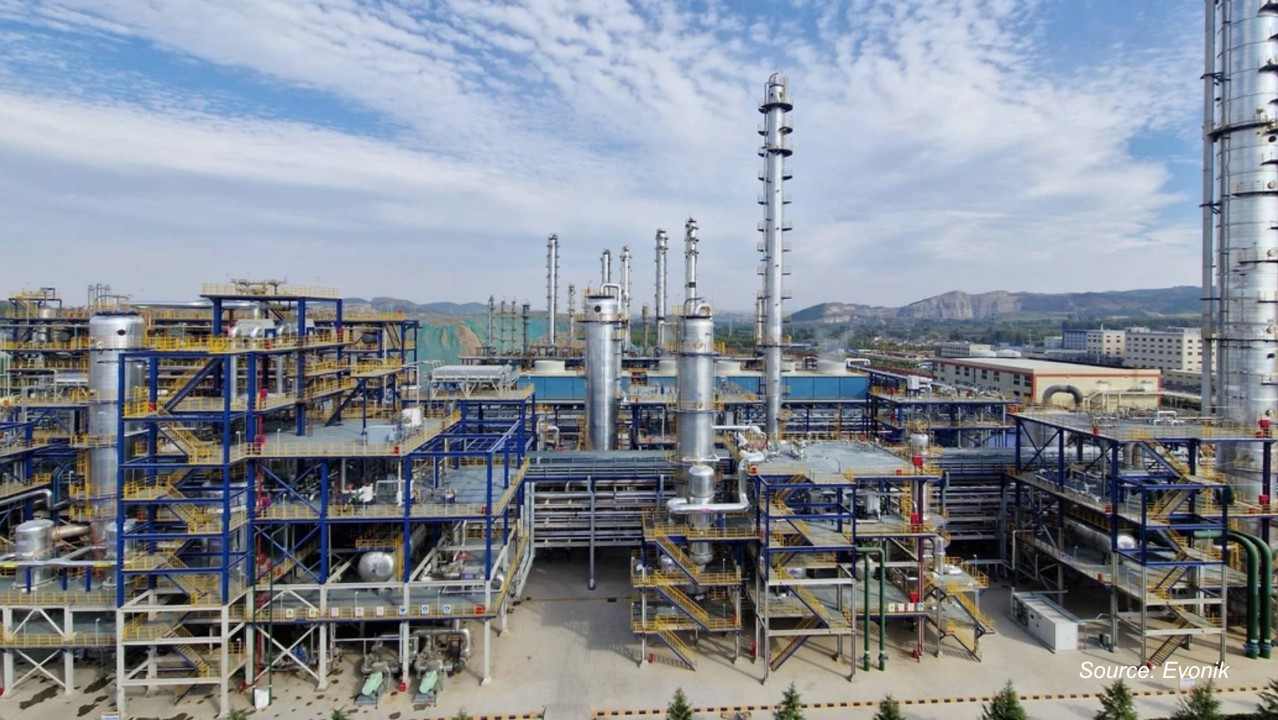
Propane dehydrogenation has become one of the clearest technology signals in the market because it decouples propylene output from steam cracker scheduling and refinery fuel balances. That matters in a market where producers want cleaner product slates, better purity control, and more direct exposure to polypropylene demand. LyondellBasell's expansion highlights the continued appeal of low-cost, flexible propylene production when margins justify disciplined capital deployment. In practical terms, the technology advantage lies in higher selectivity, improved run lengths, and more predictable operating economics.
The broader industry message is that catalyst science now matters as much as capacity size. Better catalysts can reduce coking, support longer operating cycles, and improve yield consistency. That turns propylene from a co-product into a strategically engineered molecule.
Can Artificial Intelligence and Digital Twin Platforms Build the Self-Optimizing Propylene Plants of Tomorrow?
Artificial intelligence and digital twin platforms are increasingly embedded into the operational core of propylene-producing complexes. China Petroleum & Chem+ical Corporation (Sinopec) brought the world’s first intelligent ethylene plant built on digital twin technology into operation, while AI-powered “digital employees” now support operations across more than 40 of its integrated energy stations, as the company highlighted in its award-winning technological innovation case study. This reflects how digital twins are moving beyond design visualization into live operational control, enabling predictive maintenance, yield optimization, and safety monitoring across olefins units that ultimately feed propylene output.
Building on this momentum, Sinopec’s Tianjin facility partnered with Huawei to develop an intelligent factory architecture that combines 5G networks, BeiDou satellite positioning, narrowband IoT, building information modelling, virtual reality, and geographic information systems into a unified data resource centre. Industry evidence suggests that this kind of integrated connectivity infrastructure is becoming the foundation for increasingly autonomous process control across large-scale petrochemical campuses, including the propylene and polypropylene units that operate within them.
Elsewhere, Reliance Industries is extending its AI infrastructure investment directly toward its Jamnagar complex, home to one of the world’s largest polypropylene plants, through a hyperscale AI data centre partnership with Meta that is supported by dedicated solar and green hydrogen capacity. This indicates that AI compute capability and propylene manufacturing are converging within the same integrated industrial ecosystems, positioning data-driven process optimization as a defining competitive lever for the next decade.
From Sustainability to Profit: The Commercial Power of Circular Chemistry
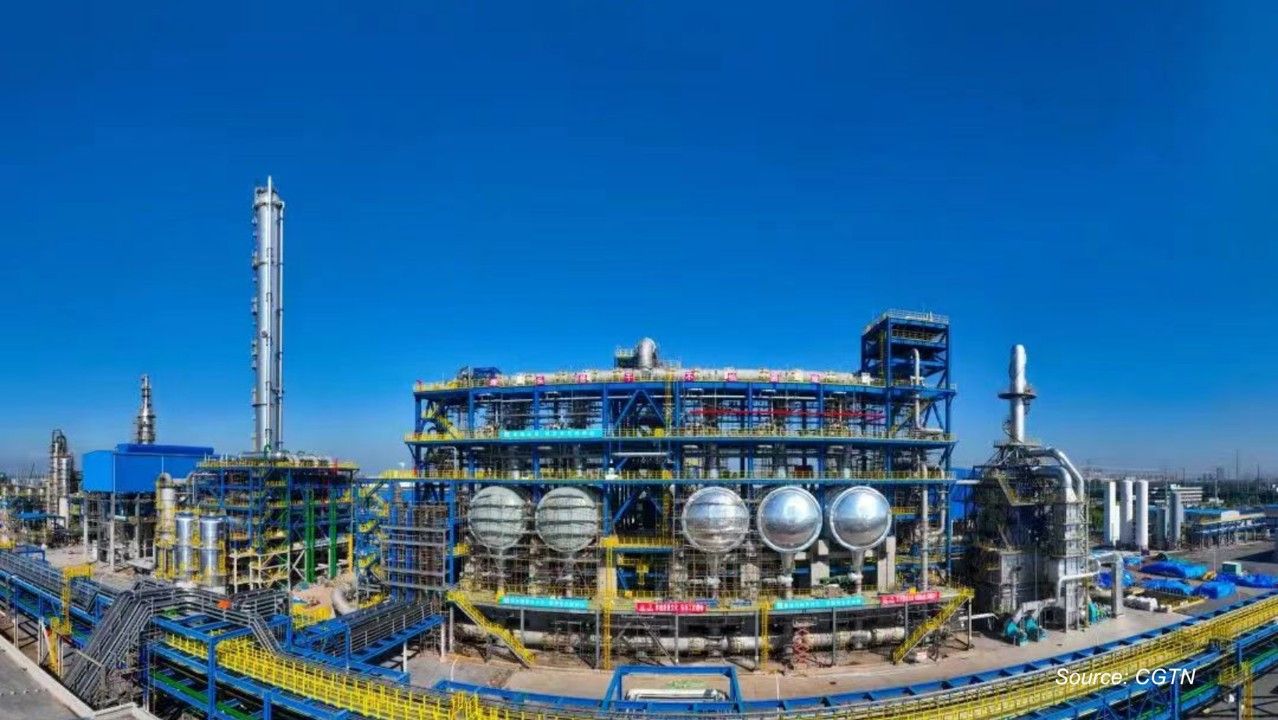
Circular chemistry is rapidly evolving from an environmental initiative into a commercially attractive growth strategy for the petrochemical industry. By transforming post-consumer and industrial waste into valuable feedstocks, companies can reduce raw material dependency, improve resource efficiency, and create premium low-carbon products. As regulations tighten and sustainability commitments intensify, circular chemistry is enabling producers to unlock new revenue streams while strengthening long-term competitiveness and profitability.
Circularity is now a competitive issue, not just a sustainability narrative. SABIC's TRUCIRCLE portfolio offers certified circular polypropylene made from feedstock recycling of mixed used plastics, which helps customers move toward lower-carbon packaging and consumer goods applications without changing downstream processing equipment. That is important because it makes circular inputs commercially usable, not merely aspirational.
Borealis is taking a similar path through its Integra Plastics facility in Bulgaria, where the upgraded Borcycle M advanced mechanical recycling technology is being used to produce premium recycled polypropylene grades. The upgrade pushed the site beyond 20,000 metric tons of capacity and shows how mechanical and chemical recycling are converging into a more practical circular propylene-to-polypropylene loop.
Why Bio-Propylene and Ethanol-to-Olefins Could Redraw the Feedstock Map?
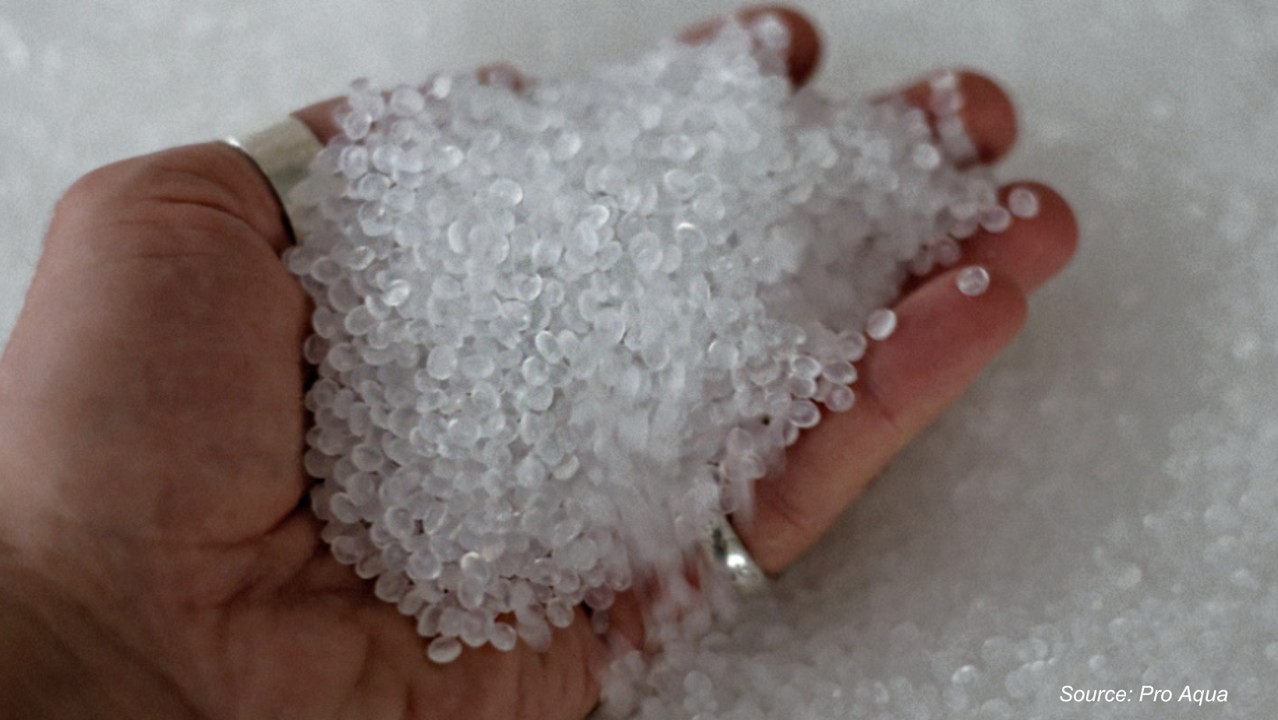
Bio-based propylene is still an emerging pathway, but it is moving quickly from concept to commercialization planning. Gevo and LG Chem extended their joint development agreement to accelerate bio-propylene commercialization using Gevo's Ethanol-to-Olefins technology. The significance is straightforward: ETO converts ethanol into renewable olefins that can serve as drop-in building blocks for propylene-based chemicals. That gives producers another lever for reducing fossil-feedstock dependence while preserving end-product compatibility.
For market participants, this is not only about decarbonization. It is also about optionality. If bio-propylene becomes more cost-competitive at scale, companies with early technical partnerships will be better positioned to serve customers that need renewable content, lower-carbon packaging, and verifiable supply chain credentials.
What Structural Forces Are Set to Define the Next Decade of Propylene Market Growth?
Several interconnected forces continue to accelerate technology adoption across the global propylene market:
-
Polypropylene and Derivatives Demand: Rising consumption across packaging, automotive lightweighting, healthcare, and construction continues to anchor long-term propylene demand growth.
-
On-Purpose Production Expansion: Growing propane dehydrogenation and methanol-to-olefins capacity, particularly across Asia, is steadily reducing reliance on steam-cracker and refinery by-product propylene.
-
Digital Operations and AI Integration: Digital twins, predictive analytics, and AI-enabled control systems are improving yield, safety, and energy efficiency across olefins complexes.
-
Circular Economy and Recycling Mandates: Regulatory pressure and brand-level commitments are accelerating investment in chemical and mechanical recycling technologies for polypropylene.
-
Energy Security and Feedstock Diversification: Shale-derived propane, advantaged Middle Eastern feedstocks, and emerging bio-based inputs are reshaping regional production economics.
Based on our assessment, we found that these forces are collectively transforming propylene from a commodity intermediate into a strategically managed material at the centre of industrial decarbonization and digital transformation efforts.
Outlook: Towards a Smarter, More Circular, and Technologically Integrated Propylene Industry
Our findings show that the propylene industry is steadily transitioning toward a more connected, circular, and digitally optimized ecosystem. On-purpose production technologies are reducing dependence on ethylene and refining cycles, while AI-enabled digital twins are turning olefins complexes into increasingly autonomous operations. At the same time, catalytic and mechanical recycling platforms, together with certified bio-based feedstocks and large-scale carbon capture infrastructure, are embedding sustainability directly into core manufacturing assets rather than treating it as a separate initiative. As packaging, automotive, healthcare, and infrastructure demand continues to expand across Asia, North America, and the Middle East, propylene is increasingly functioning as strategically managed infrastructure supporting global industrial modernization, decarbonization, and digital transformation.
About the Author
 Saista Faiyaz
— Saista Faiyaz is Research Associate at Next Move Strategy Consulting, where she has covered consumer markets and healthcare technologies for 3 years. Her work includes primary interview review, secondary-source validation, market sizing, and structured analysis of company and industry data. She supports research by comparing evidence across sources, organizing findings into market narratives, and documenting assumptions used in analysis. Her scope includes cross-market benchmarking, and reports.
Saista Faiyaz
— Saista Faiyaz is Research Associate at Next Move Strategy Consulting, where she has covered consumer markets and healthcare technologies for 3 years. Her work includes primary interview review, secondary-source validation, market sizing, and structured analysis of company and industry data. She supports research by comparing evidence across sources, organizing findings into market narratives, and documenting assumptions used in analysis. Her scope includes cross-market benchmarking, and reports.
About the Reviewer
 Supradip Baul
— Supradip Baul is an accomplished business consultant and strategist with over a decade of rich experience in market intelligence, strategy, technology, and business transformation. His work has included rigorous qualitative and quantitative analysis across multiple industries, helping clients shape investment decisions and long-term roadmaps. Earlier in his career, he was associated with Gartner, where he contributed to industry-leading reports and market share analyses. He has worked with leading global companies and holds an MBA with a dual specialization in Marketing and Finance.
Supradip Baul
— Supradip Baul is an accomplished business consultant and strategist with over a decade of rich experience in market intelligence, strategy, technology, and business transformation. His work has included rigorous qualitative and quantitative analysis across multiple industries, helping clients shape investment decisions and long-term roadmaps. Earlier in his career, he was associated with Gartner, where he contributed to industry-leading reports and market share analyses. He has worked with leading global companies and holds an MBA with a dual specialization in Marketing and Finance.















Add Comment