Battery Market is Expected to Reach USD 1647.13 Billion by 2035
Accelerating Electric Mobility and Renewable Energy Integration Are Reshaping Global Battery Demand
According to Next Move Strategy Consulting, the Battery Market size was valued at USD 266.02 billion in 2025 and is expected to be valued at USD 347.35 billion by the end of 2026. The industry is projected to grow, hitting USD 1647.13 billion by 2035, with a CAGR of 18.88% between 2026 and 2035. In terms of volume, the market recorded 5 billion units in 2025, with forecasts indicating growth to 7 billion units by 2026 and further to 54 billion units by 2035, reflecting a CAGR of 25.54% over the same period.
Electric vehicle expansion is substantially strengthening demand for high-performance Automotive Battery technologies across passenger and commercial transportation segments. Through our evaluation of electric mobility deployment trends, we found that EV manufacturers and battery suppliers increasingly prioritize fast-charging capability, thermal stability, and high-energy-density cell architectures designed to improve driving range and charging efficiency. At the same time, domestic manufacturing incentives and charging infrastructure expansion continue accelerating commercialization of next-generation electric vehicle (ev) battery platforms across major automotive markets. Consumer preference for low-emission transportation solutions also continues increasing deployment of advanced battery systems across urban mobility environments. As a result, EV-driven battery demand increasingly influences global production strategies and long-term cell manufacturing expansion.
However, based on our market evaluations, we identified that volatility in lithium, nickel, and cobalt pricing is creating substantial operational and cost-related pressure across Primary Battery and Consumer Electronics Battery manufacturing environments. During our discussions with material processors and battery manufacturers, we observed that fluctuating raw material availability increasingly disrupts procurement planning, production timelines, and long-term supply visibility across high-volume battery applications. In addition, geopolitical sourcing dependencies and limited refining infrastructure continue constraining stable access to battery-grade materials required for large-scale manufacturing operations. Manufacturers also face rising financial pressure associated with long-term sourcing contracts, localized processing investments, and inventory management complexities. Consequently, raw material instability continues restricting production scalability and cost optimization across the global battery industry.
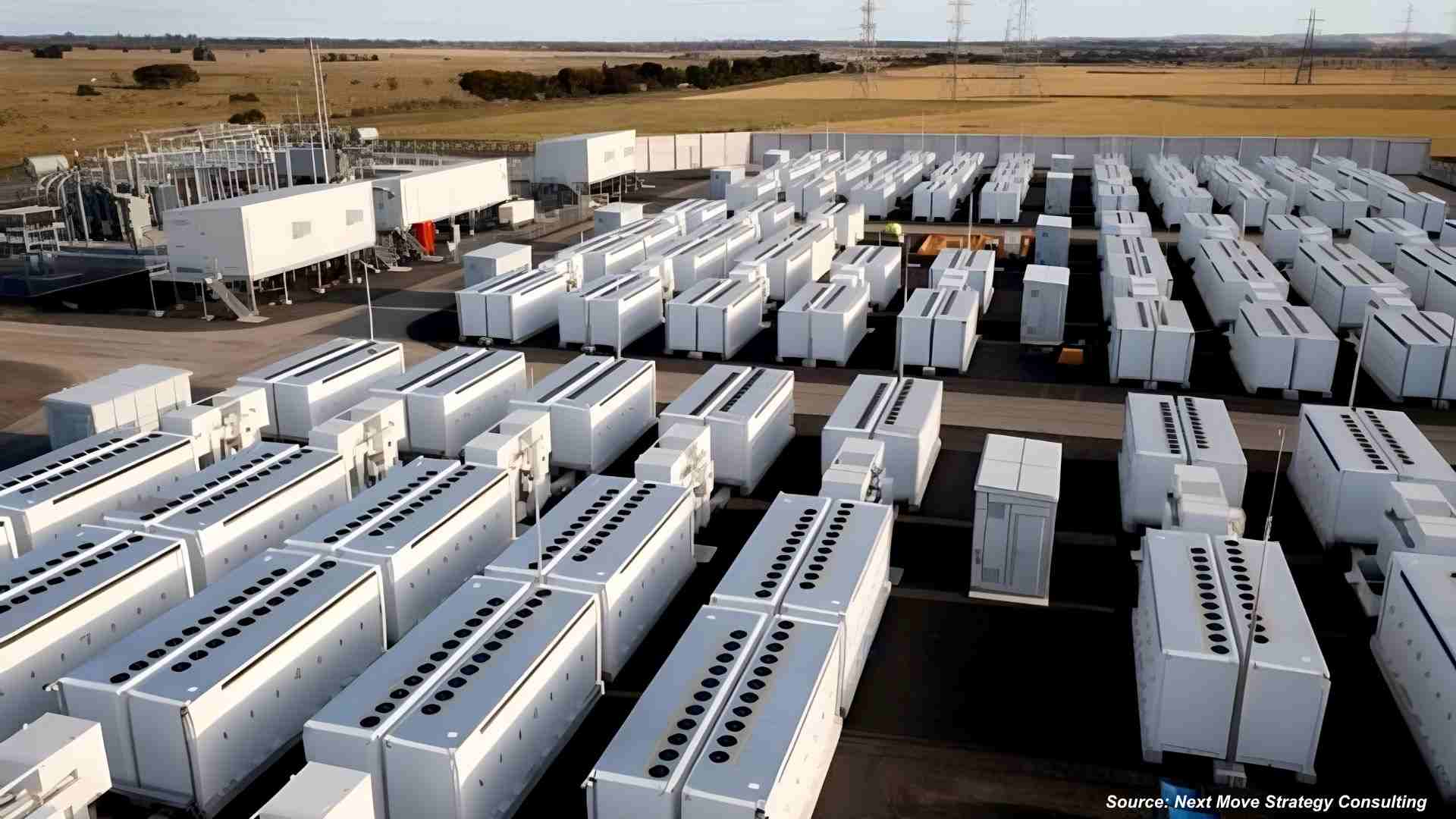
Meanwhile, in our analysis of circular storage deployment trends, we analysed that second-life battery repurposing is creating significant commercial opportunities across Secondary Battery and grid-scale storage applications. During our engagements with recycling operators and energy infrastructure developers, we identified growing deployment of retired ev battery packs within commercial backup systems, renewable energy balancing projects, and distributed power storage environments. In addition, advancements in diagnostic sorting technologies and modular repurposing frameworks continue improving storage reliability and deployment flexibility across repurposed battery systems. Energy operators increasingly utilize refurbished battery platforms to improve cost efficiency across stationary storage installations and peak-load management operations. This momentum toward circular battery utilization continues expanding commercially viable pathways for long-term energy storage deployment and sustainable material recovery.
Request for a Sample PDF on the Battery Market
According to the report, leading players in the battery market include CATL, LG Energy Solution, Samsung SDI Co., Ltd., Panasonic Energy, EVE Energy, Sunwoda Electronic Co., Ltd., Tesla, BASF, and others.
We observed that in April 2026, Samsung SDI Co., Ltd. expanded its premium electric vehicle battery portfolio by securing its first multi-year supply agreement with Mercedes-Benz for high-nickel NCM batteries, strengthening its strategic position within the luxury EV segment while supporting long-term growth across advanced automotive battery applications. Similarly, in March 2026, Samsung SDI Co., Ltd. introduced its new prismatic battery brand “PrismStack” during the InterBattery 2026 exhibition, positioning the platform as a flagship high-density battery architecture designed for artificial intelligence infrastructure and next-generation e-mobility applications, thereby reinforcing the company’s technology-focused expansion strategy. In November 2025, Panasonic Energy signed a multi-year agreement to supply advanced 2170 cylindrical lithium-ion batteries to Amazon-owned autonomous mobility company Zoox, reflecting Panasonic Energy’s strategic expansion into the emerging robotaxi mobility ecosystem while diversifying its advanced transportation partnerships. Additionally, in November 2025, EVE Energy entered into a strategic partnership with EVO Power to supply 2.2 GWh of energy storage systems over the next five years, accelerating large-scale battery deployment across Australia while strengthening EVE Energy’s international energy storage market presence.
We further observed that in October 2025, Sunwoda Electronic Co., Ltd. introduced its Xin·Bixiao polymer all-solid-state battery with approximately 400 Wh/kg energy density alongside plans for a pilot production line, highlighting the company’s strategic focus on next-generation solid-state battery commercialization and advanced EV battery innovation. Likewise, in September 2025, Tesla launched its Megapack 3 and Megablock utility-scale energy storage systems at the RE+ conference, significantly strengthening its position within the global grid-scale energy storage market through higher energy density, simplified deployment processes, and improved renewable energy integration efficiency. Furthermore, in September 2025, Sunwoda Electronic Co., Ltd. unveiled its 684Ah and 588Ah high-capacity energy storage battery cells at RE+ 25, expanding its product portfolio for global energy storage applications while reinforcing its leadership in large-format battery cell technologies.
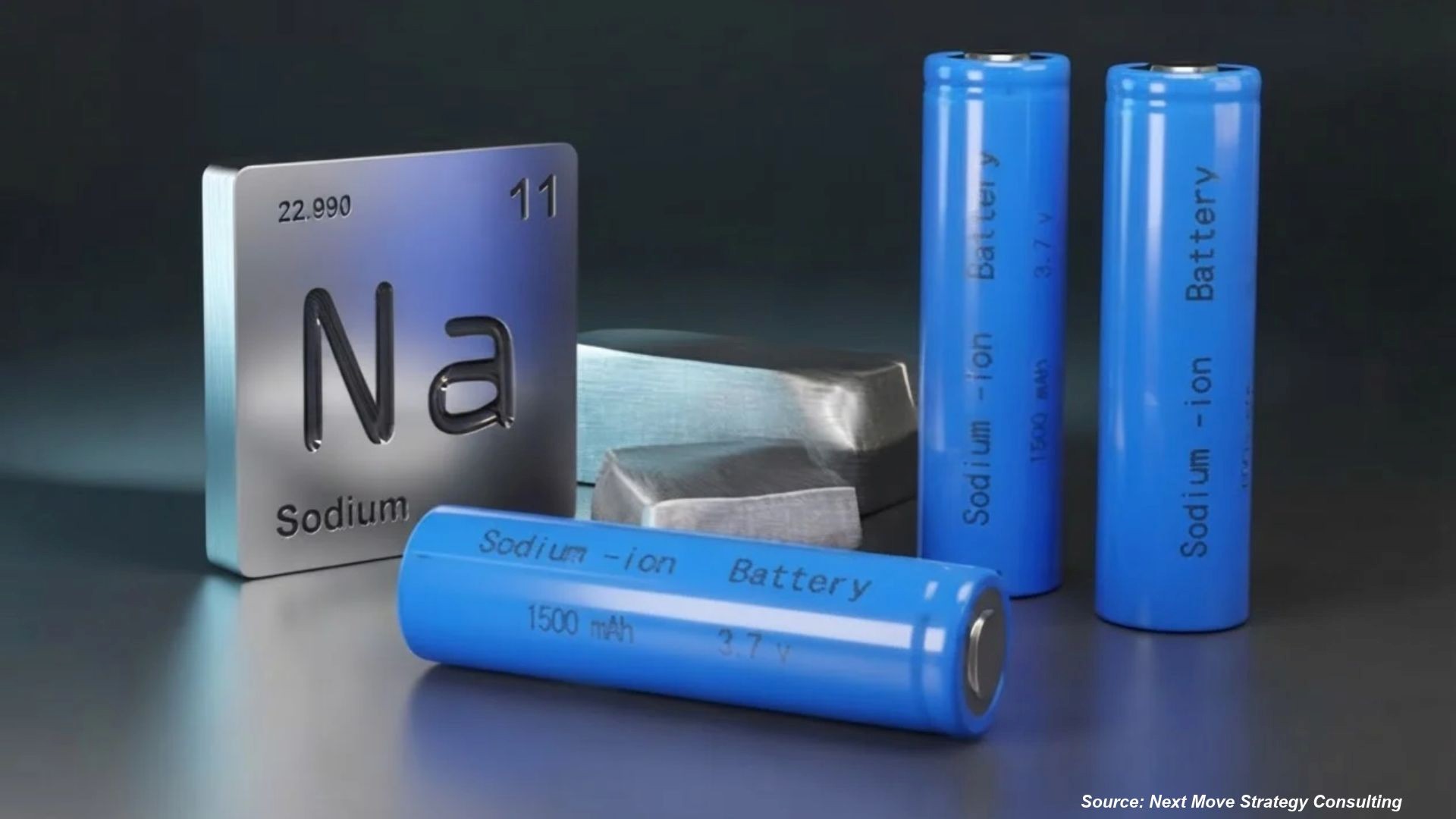
Meanwhile, in July 2025, CATL and BASF signed a framework agreement for cathode active materials supply to support CATL’s international expansion strategy and strengthen sustainability across the global battery value chain through enhanced material sourcing collaboration. In April 2025, CATL launched its sodium-ion battery brand “Naxtra” alongside a second-generation fast-charging EV battery platform, reinforcing its technology leadership while addressing growing market demand for diversified battery chemistries, faster charging capabilities, and cost-efficient electric mobility solutions. In January 2025, LG Energy Solution signed an exclusive long-term agreement with Aptera Motors to supply approximately 4.4 GWh of 2170 cylindrical battery cells between 2025 and 2031, strengthening LG Energy Solution’s position in advanced cylindrical battery technologies while expanding its presence within the emerging solar electric vehicle market.
These developments indicate that battery manufacturers are increasingly prioritizing advanced chemistry innovation, strategic supply partnerships, and large-scale energy storage expansion to strengthen competitiveness across electric mobility and renewable energy applications. The market continues witnessing strong investments in next-generation battery technologies, manufacturing scale-up, and global supply chain integration.
Key Insights from the Battery Market Report:
-
The information related to key drivers, restraints, and opportunities and their impact on the battery market is provided in the report.
-
The value chain analysis in the market study provides a clear picture of the role of each stakeholder.
-
The market share of the battery market players and their competitive analysis are provided in the report.
About the Author
 Saista Faiyaz
— Saista Faiyaz is Research Associate at Next Move Strategy Consulting, where she has covered consumer markets and healthcare technologies for 3 years. Her work includes primary interview review, secondary-source validation, market sizing, and structured analysis of company and industry data. She supports research by comparing evidence across sources, organizing findings into market narratives, and documenting assumptions used in analysis. Her scope includes cross-market benchmarking, and reports.
Saista Faiyaz
— Saista Faiyaz is Research Associate at Next Move Strategy Consulting, where she has covered consumer markets and healthcare technologies for 3 years. Her work includes primary interview review, secondary-source validation, market sizing, and structured analysis of company and industry data. She supports research by comparing evidence across sources, organizing findings into market narratives, and documenting assumptions used in analysis. Her scope includes cross-market benchmarking, and reports.
About the Reviewer
 Supradip Baul
— Supradip Baul is an accomplished business consultant and strategist with over a decade of rich experience in market intelligence, strategy, technology, and business transformation. His work has included rigorous qualitative and quantitative analysis across multiple industries, helping clients shape investment decisions and long-term roadmaps. Earlier in his career, he was associated with Gartner, where he contributed to industry-leading reports and market share analyses. He has worked with leading global companies and holds an MBA with a dual specialization in Marketing and Finance.
Supradip Baul
— Supradip Baul is an accomplished business consultant and strategist with over a decade of rich experience in market intelligence, strategy, technology, and business transformation. His work has included rigorous qualitative and quantitative analysis across multiple industries, helping clients shape investment decisions and long-term roadmaps. Earlier in his career, he was associated with Gartner, where he contributed to industry-leading reports and market share analyses. He has worked with leading global companies and holds an MBA with a dual specialization in Marketing and Finance.















Add Comment