Cold Storage Market Faces California Regulatory Pressure
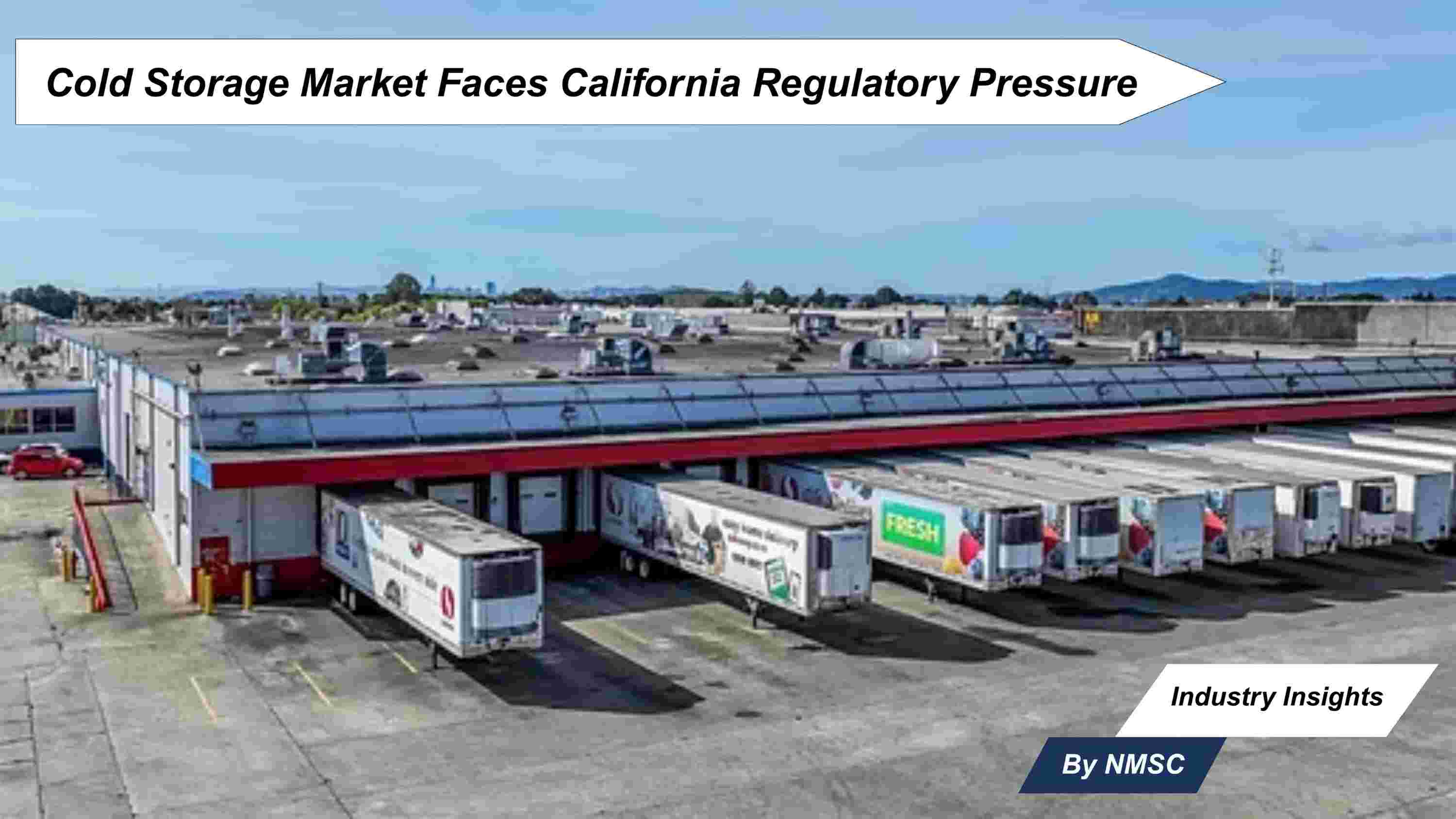
GCCA Opposes California Bills AB 817 and SB 716 Targeting Cold Storage Operators
SACRAMENTO, California September 17, 2026, the Global Cold Chain Alliance (GCCA) has issued a formal statement opposing two California state bills AB 817 and SB 716 warning that the proposed legislation would significantly raise operating costs across the Cold Storage Market and jeopardize the state's food and pharmaceutical supply chain infrastructure. The bills were introduced in the wake of a June 17 warehouse fire at a cold storage facility in the Boyle Heights neighborhood of Los Angeles.
In the statement, GCCA President and CEO Sara M. Stickler characterized the legislation as "rushed" and cautioned that it would harm long-standing businesses, restrict critical facility upgrades, and ultimately increase costs for California consumers. "Our industry feeds families and protects access to medicines. California should not make that mission harder or more expensive," Stickler stated, urging the Governor to veto both bills and instead convene a broader stakeholder process to develop sound emergency preparedness policy.
The proposed bills, if enacted, would impose a standing multimillion-dollar fund requirement on cold storage operators a measure the GCCA argues would discourage both new investment and existing facility improvements, including energy efficiency and safety upgrades. The alliance further noted that AB 817 lacks a clear formula for implementation or oversight, creating regulatory uncertainty for businesses operating across the state.
Small and mid-sized cold storage operators, many of them family-owned, are expected to bear the greatest burden under the proposed legislation. The GCCA cautioned that the bills could drive cold storage facilities, jobs, and tax revenue to other states, exacerbating California's existing cold storage capacity constraints at a time when extreme heat events are intensifying demand for temperature-controlled infrastructure. The global cold storage market is projected to reach USD 346.07 billion by 2030, expanding at a CAGR of 13.8% from 2025 to 2030, according to Next Move Strategy Consulting.
Key Highlights:
-
California bills AB 817 and SB 716 were introduced following the June 17, 2026 Boyle Heights cold storage warehouse fire in Los Angeles
-
GCCA warns the legislation would raise costs across California's food and pharmaceutical cold storage supply chain, affecting growers, processors, distributors, manufacturers, and retailers
-
Small and mid-sized, often family-owned, cold storage operators face the greatest financial exposure under the proposed bills
-
AB 817 lacks a clear implementation formula, creating regulatory uncertainty for cold storage businesses statewide, while the multimillion-dollar fund requirement could deter new investment
Analyst Insight:
According to analysts at Next Move Strategy Consulting, regulatory developments of this nature carry significant implications for cold storage investment decisions at the regional level. The proposed California legislation, if enacted without adequate stakeholder input, could accelerate the migration of cold storage capacity to neighboring states, widening existing supply-demand imbalances in one of the United States' most critical cold chain markets. NMSC analysts note that the broader cold storage sector projected to nearly double in value by 2030 remains highly sensitive to policy environments that affect the cost of building and operating temperature-controlled infrastructure, particularly as pharmaceutical cold chain demand driven by biologics and GLP-1 therapies continues to expand.
Industry Outlook:
The GCCA's opposition to AB 817 and SB 716 underscores a growing tension between post-incident regulatory responses and the operational realities of the cold storage industry. As California's food and pharmaceutical sectors continue to depend on temperature-controlled logistics, policymakers face pressure to balance public safety imperatives with the need to maintain a viable investment environment for cold chain operators. The outcome of this legislative debate is expected to set a precedent for how other U.S. states approach cold storage regulation in the aftermath of industrial incidents. Industry stakeholders are calling for a collaborative, evidence-based policy process that addresses emergency preparedness without undermining the long-term capacity and competitiveness of the cold storage sector.
Source: Global Cold Chain Alliance
For More Information: Download FREE Sample on Cold Storage Market Report
Prepared By: Sanyukta Deb
About the Author
 Sanyukta Deb
— Sanyukta Deb is Digital Marketing Team Lead at Next Move Strategy Consulting, where she has led content strategy and technical SEO for the firm's B2B market research publications for over 2 years. Her editorial process translates NextMSC's primary and secondary research — spanning technology, industrial, and consumer sectors — into commercial narratives, backed by search-intent, keyword, and competitive analysis. She brings 5 years of overall experience in digital marketing and content strategy.
Sanyukta Deb
— Sanyukta Deb is Digital Marketing Team Lead at Next Move Strategy Consulting, where she has led content strategy and technical SEO for the firm's B2B market research publications for over 2 years. Her editorial process translates NextMSC's primary and secondary research — spanning technology, industrial, and consumer sectors — into commercial narratives, backed by search-intent, keyword, and competitive analysis. She brings 5 years of overall experience in digital marketing and content strategy.
About the Reviewer
 Debashree Dey
— Debashree Dey is Assistant Manager at Next Move Strategy Consulting, where she supports cross-vertical market content and communications across diverse industries for 6 years. Her professional background includes senior content writing, communications, and published manuscript authorship, with experience developing audience-focused business narratives and maintaining clear, consistent messaging. Her role supports research-led content development and editorial quality across NextMSC publications.
Debashree Dey
— Debashree Dey is Assistant Manager at Next Move Strategy Consulting, where she supports cross-vertical market content and communications across diverse industries for 6 years. Her professional background includes senior content writing, communications, and published manuscript authorship, with experience developing audience-focused business narratives and maintaining clear, consistent messaging. Her role supports research-led content development and editorial quality across NextMSC publications.

















Add Comment