EU–China Trade Talks Shift Full Hybrid EV Market Focus
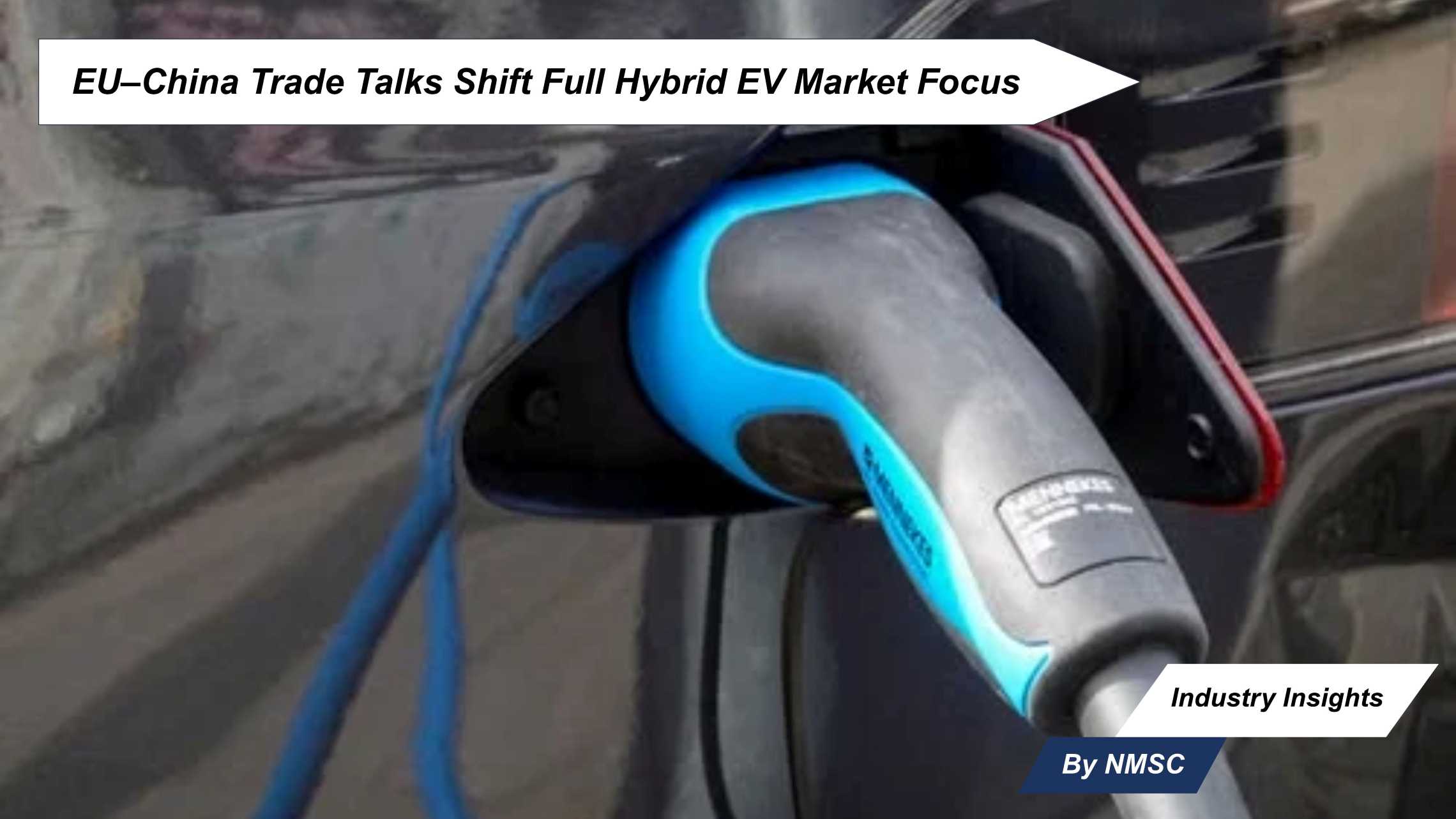
EU Leaders Address Chinese Hybrid Car Imports at Brussels Summit Amid Trade Deficit Concerns
BRUSSELS, Belgium October 15, 2026 European Union leaders convened in Brussels on Thursday for a high-stakes summit addressing soaring energy prices, bloc-wide industrial competitiveness, and a surge in Chinese exports blamed for mounting job losses across the region. The discussions placed the Full Hybrid Electric Vehicle Market at the center of EU trade policy, as leaders acknowledged a recently secured arrangement with Beijing to limit hybrid car imports from China as an initial step toward correcting a widening trade imbalance.
The summit convened against the backdrop of a goods trade deficit between the EU and China that reached €360 billion ($400 billion) in 2025, underscoring the urgency of the bloc's push to recalibrate its commercial relationship with Beijing. The hybrid car import agreement, reached prior to the summit, was cited by officials as a foundational measure, with draft summit conclusions indicating that EU leaders intend for the European Commission to continue negotiations with Beijing while deploying existing trade defence instruments and developing new ones.
The broader economic context weighed heavily on proceedings. Fuel price spikes linked to regional geopolitical tensions have placed pressure on governments and businesses alike, while the EU's long-term budget negotiations remain deadlocked, pitting net contributor nations against net beneficiaries. German Chancellor Friedrich Merz acknowledged that positions on the budget remained "very, very difficult," while Dutch Prime Minister Rob Jetten called for stronger measures against unfair trade practices and greater investment in European competitiveness and innovation.
According to Next Move Strategy Consulting, the global Full Hybrid Electric Vehicle Market was valued at USD 142.31 billion in 2022 and is projected to reach USD 308.71 billion by 2030, expanding at a compound annual growth rate (CAGR) of 10.1% over the 2023–2030 forecast period. The EU's regulatory posture toward Chinese hybrid imports is expected to have material implications for this trajectory, particularly in the European segment of the market.
Key Highlights:
-
Summit Agenda: EU leaders in Brussels addressed energy costs, industrial competitiveness, and Chinese export volumes on October 15, 2026, with hybrid vehicle trade featuring as a central trade policy concern.
-
Trade Deficit Scale: The EU-China goods trade deficit reached €360 billion ($400 billion) in 2025, providing the primary impetus for the bloc's push to limit Chinese hybrid car imports.
-
Policy Direction: Draft summit conclusions call for continued EU-China negotiations alongside the full deployment of existing trade defence measures and the development of additional trade instruments.
-
Market Scale: The global Full Hybrid Electric Vehicle Market is forecast to reach USD 308.71 billion by 2030, reflecting a CAGR of 10.1% from 2023, according to Next Move Strategy Consulting.
Analyst Insight:
According to analysts at Next Move Strategy Consulting, the EU's move to formalize import constraints on Chinese hybrid vehicles signals a structural shift in European automotive trade policy that could meaningfully reshape competitive dynamics within the full hybrid electric vehicle segment. NMSC analysts note that while the hybrid car import arrangement represents an initial step, the broader summit agenda encompassing energy costs, budget reform, and new trade instruments reflects a systemic effort by the EU to recalibrate its industrial and trade framework in response to intensifying competition from Chinese manufacturers. The outcome of these negotiations is likely to influence investment decisions by both European and Chinese automakers operating in or targeting the European market over the medium term.
Industry Outlook:
The EU's engagement with Chinese hybrid vehicle exports at the highest political level marks a pivotal moment for the full hybrid electric vehicle sector in Europe. As the bloc moves to deploy trade defence measures and pursue further negotiations with Beijing, European automakers may find a more protected domestic environment, while Chinese manufacturers face increased regulatory scrutiny and potential volume constraints. The summit's emphasis on industrial competitiveness and innovation investment further suggests that European governments are preparing to support domestic hybrid and electric vehicle production through budgetary and policy mechanisms. The trajectory of EU-China trade talks, combined with the global market's projected expansion to USD 308.71 billion by 2030, will be closely monitored by industry stakeholders as a key determinant of regional market share and supply chain strategy in the years ahead.
Source: Reuters
For More Information: Download FREE Sample on Full Hybrid Electric Vehicle Market Report
Prepared By: Sanyukta Deb
About the Author
 Sanyukta Deb
— Sanyukta Deb is Digital Marketing Team Lead at Next Move Strategy Consulting, where she has led content strategy and technical SEO for the firm's B2B market research publications for over 2 years. Her editorial process translates NextMSC's primary and secondary research — spanning technology, industrial, and consumer sectors — into commercial narratives, backed by search-intent, keyword, and competitive analysis. She brings 5 years of overall experience in digital marketing and content strategy.
Sanyukta Deb
— Sanyukta Deb is Digital Marketing Team Lead at Next Move Strategy Consulting, where she has led content strategy and technical SEO for the firm's B2B market research publications for over 2 years. Her editorial process translates NextMSC's primary and secondary research — spanning technology, industrial, and consumer sectors — into commercial narratives, backed by search-intent, keyword, and competitive analysis. She brings 5 years of overall experience in digital marketing and content strategy.
About the Reviewer
 Debashree Dey
— Debashree Dey is Assistant Manager at Next Move Strategy Consulting, where she supports cross-vertical market content and communications across diverse industries for 6 years. Her professional background includes senior content writing, communications, and published manuscript authorship, with experience developing audience-focused business narratives and maintaining clear, consistent messaging. Her role supports research-led content development and editorial quality across NextMSC publications.
Debashree Dey
— Debashree Dey is Assistant Manager at Next Move Strategy Consulting, where she supports cross-vertical market content and communications across diverse industries for 6 years. Her professional background includes senior content writing, communications, and published manuscript authorship, with experience developing audience-focused business narratives and maintaining clear, consistent messaging. Her role supports research-led content development and editorial quality across NextMSC publications.















Add Comment