Flexible Display Innovation Driving OLED Industry Growth
Industry Insights from Next Move Strategy Consulting
As display technologies continue to evolve alongside changing consumer expectations, flexible display innovation is emerging as a transformative force within the premium television segment. Recent developments surrounding LG OLED TVs highlight how advancements in Organic Light-Emitting Diode (OLED) technology are not only redefining visual performance but also paving the way for next-generation flexible display applications.
By combining superior picture quality with technological adaptability, OLED-based displays are increasingly positioned at the forefront of the global display industry, supporting both current demand and future innovation pathways.
Advancing Beyond Conventional Display Limitations
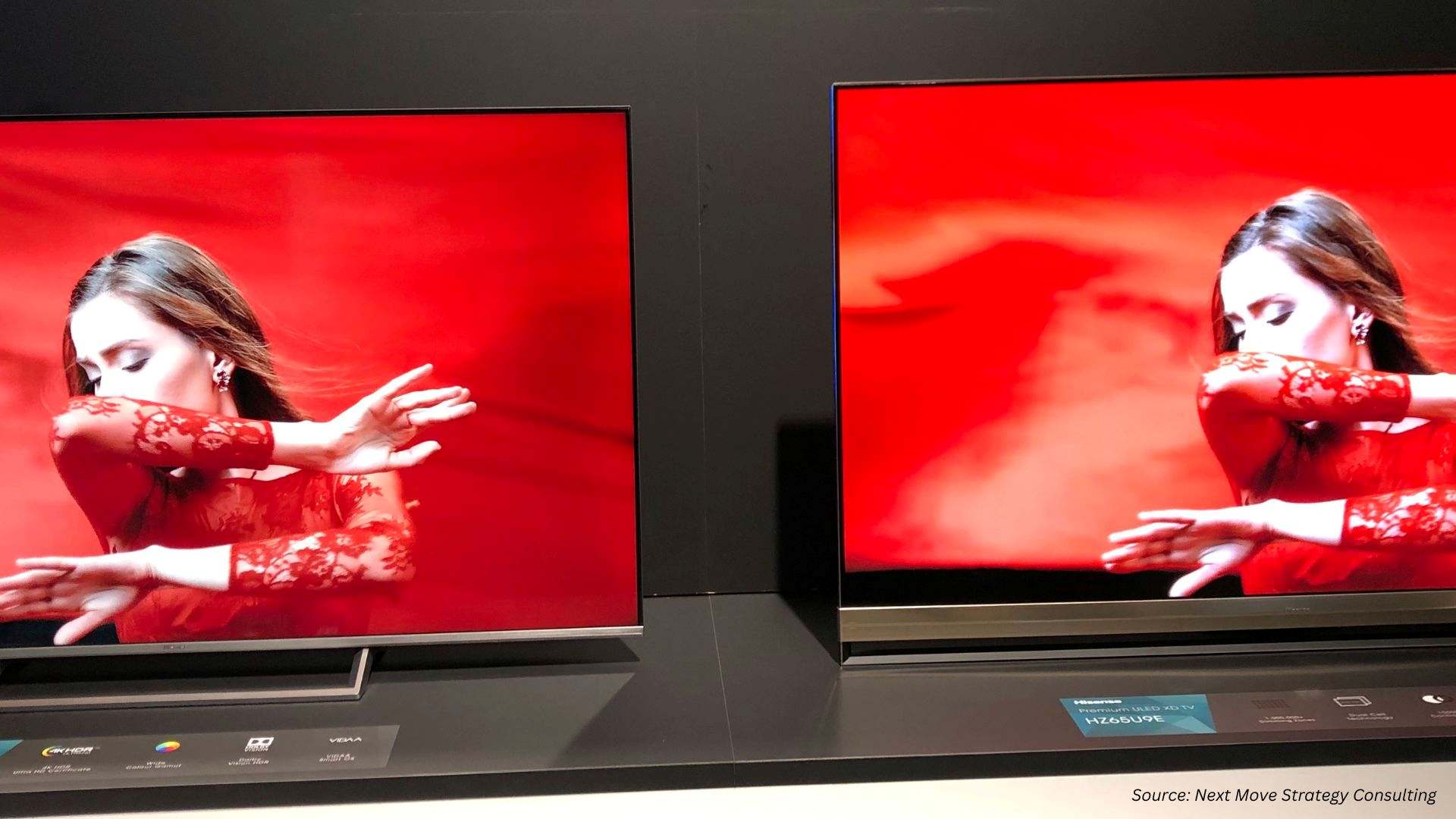
For years, traditional display technologies have relied on rigid backlight structures, limiting both performance and design flexibility. OLED technology marks a significant shift by enabling self-emissive pixels, eliminating the need for backlighting and unlocking true black levels, infinite contrast, and vibrant color reproduction.
This technological foundation serves as a critical enabler for flexible displays, allowing thinner, lighter, and more adaptable screen formats. LG’s continued leadership in OLED panel production demonstrates how innovation in display engineering is addressing both performance expectations and the growing need for design versatility across applications.
According to industry analysis, LG OLED TVs continue to set benchmarks in brightness, color accuracy, and smart functionality, reinforcing their dominance in the premium television segment as of 2026.
Key Technological Advancements Driving Flexible Displays
Recent innovations in OLED technology are accelerating the transition toward flexible display ecosystems. Key developments include:
-
Self-Emissive Pixel Architecture enabling ultra-thin and adaptable display structures
-
MLA+ (Micro Lens Array Plus) Technology delivering peak brightness exceeding 2,000 nits without compromising viewing angles
-
AI Picture Pro Integration enhancing real-time upscaling and visual clarity
-
Energy Efficiency Gains with up to 30% lower power consumption compared to conventional alternatives
-
Advanced Burn-In Mitigation through pixel shifting, logo dimming, and screen saver technologies
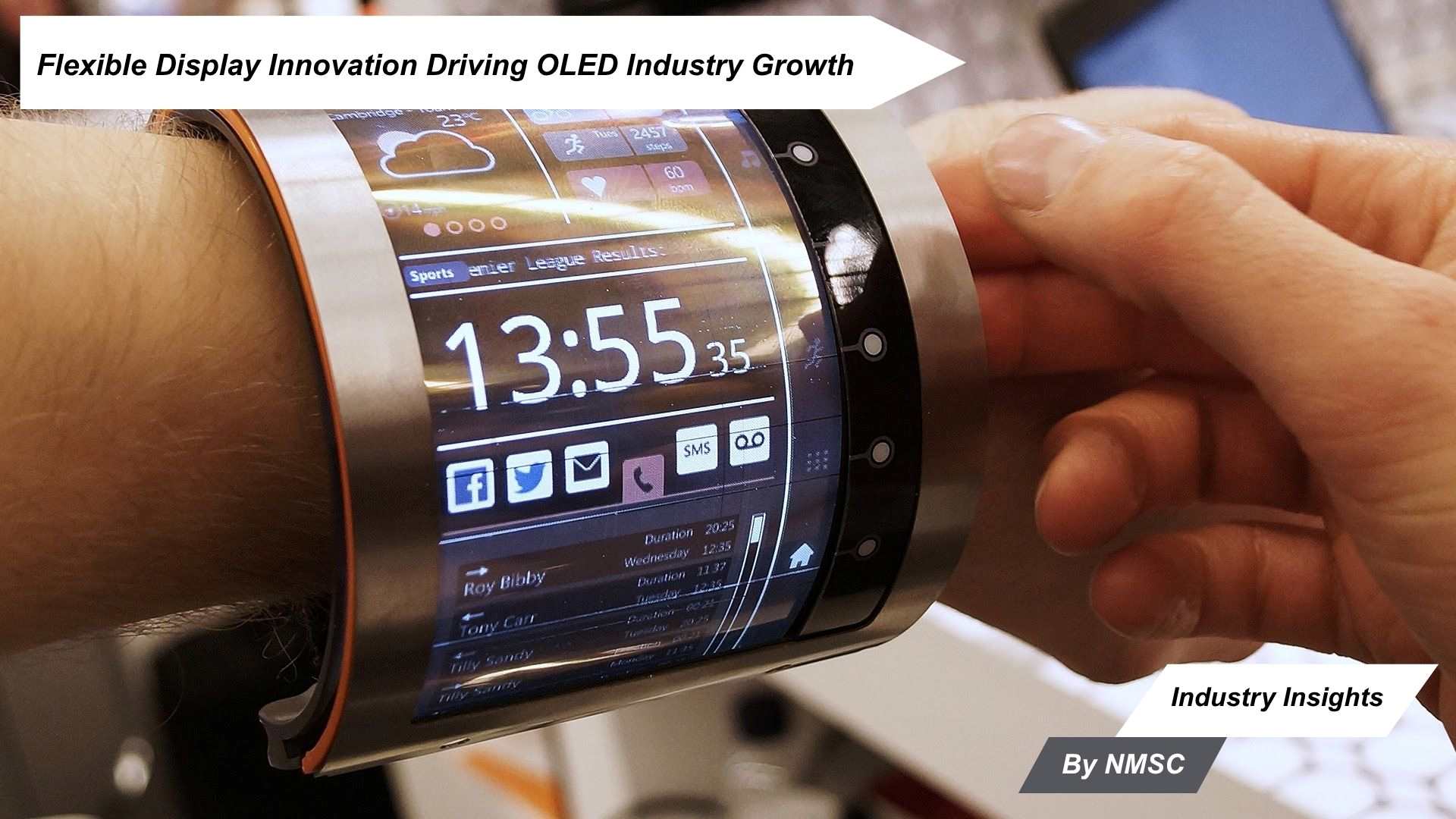
These advancements collectively strengthen the foundation for flexible display applications, extending beyond televisions into emerging formats such as transparent, curved, and wearable displays.
Growth Momentum Supported by Premium Demand
The growing adoption of premium televisions, particularly in North America, is reinforcing the commercial viability of OLED and flexible display technologies. Increasing consumer preference for larger screens, immersive streaming, and high-performance gaming experiences continues to drive demand.
LG OLED TVs have maintained a leading position in the ultra-premium segment, supported by strong shipment growth and increasing adoption of 77-inch and larger models. Supply chain optimizations, including a 15% year-over-year reduction in panel costs, have further improved accessibility while sustaining profitability.
Additionally, OLED technology’s compatibility with advanced features such as 4K 165Hz refresh rates and NVIDIA G-Sync support enhances its appeal among gaming and entertainment users, further accelerating adoption.
Strengthening the Ecosystem Through Vertical Integration
A key factor behind OLED’s success lies in LG Display’s vertically integrated supply chain, enabling consistent quality, faster innovation cycles, and reduced production inefficiencies. High yield rates exceeding 95% and ongoing capacity expansions support stable supply while meeting rising global demand.
Strategic investments in next-generation OLED technologies, including printable OLED and flexible display innovations, further reinforce long-term growth potential. These developments highlight the increasing convergence between premium display performance and adaptable form factors.
Competitive Landscape and Innovation Trajectory
While competing technologies such as QD-OLED and MicroLED continue to evolve, OLED maintains a distinct advantage through its self-emissive architecture and superior contrast capabilities. Ongoing innovations such as Tandem OLED structures are expected to deliver further improvements in brightness and efficiency.
At the same time, advancements in flexible display formats including transparent and curved panels are expanding application possibilities across consumer electronics, automotive displays, and commercial installations.
Future Outlook: Flexible Displays as the Next Frontier
Looking ahead, the evolution of OLED technology is expected to play a pivotal role in shaping the flexible display space. Continued research and development investments are driving innovations such as larger screen formats, wireless display integration, and enhanced compatibility with emerging digital ecosystems.
The expansion of OLED applications into automotive and next-generation immersive environments further underscores its versatility and long-term relevance.
Next Move Strategy Consulting’s View
According to Next Move Strategy Consulting, Flexible Display Market is poised for significant expansion, driven by the convergence of high-performance OLED technology and increasing demand for adaptable display solutions.
The firm highlights that advancements in self-emissive display architectures, combined with cost optimization and scalability improvements, are accelerating the transition from rigid to flexible formats. As industries increasingly prioritize design innovation and user experience, flexible displays are expected to become a critical component across consumer electronics, automotive systems, and future digital interfaces.
Redefining the Future of Display Technology
As the global display industry moves toward more immersive and adaptable experiences, flexible display innovation stands out as a defining trend. LG’s continued advancements in OLED technology not only reinforce its leadership in the premium TV segment but also signal broader transformation across the display ecosystem.
With strong demand, continuous technological breakthroughs, and expanding application scope, flexible displays are set to redefine how users interact with visual content in the years ahead.
Source: Ad Hoc News
Prepared by: Next Move Strategy Consulting
About the Author
 Sanyukta Deb
— Sanyukta Deb is Digital Marketing Team Lead at Next Move Strategy Consulting, where she has led content strategy and technical SEO for the firm's B2B market research publications for over 2 years. Her editorial process translates NextMSC's primary and secondary research — spanning technology, industrial, and consumer sectors — into commercial narratives, backed by search-intent, keyword, and competitive analysis. She brings 5 years of overall experience in digital marketing and content strategy.
Sanyukta Deb
— Sanyukta Deb is Digital Marketing Team Lead at Next Move Strategy Consulting, where she has led content strategy and technical SEO for the firm's B2B market research publications for over 2 years. Her editorial process translates NextMSC's primary and secondary research — spanning technology, industrial, and consumer sectors — into commercial narratives, backed by search-intent, keyword, and competitive analysis. She brings 5 years of overall experience in digital marketing and content strategy.
About the Reviewer
 Debashree Dey
— Debashree Dey is Assistant Manager at Next Move Strategy Consulting, where she supports cross-vertical market content and communications across diverse industries for 6 years. Her professional background includes senior content writing, communications, and published manuscript authorship, with experience developing audience-focused business narratives and maintaining clear, consistent messaging. Her role supports research-led content development and editorial quality across NextMSC publications.
Debashree Dey
— Debashree Dey is Assistant Manager at Next Move Strategy Consulting, where she supports cross-vertical market content and communications across diverse industries for 6 years. Her professional background includes senior content writing, communications, and published manuscript authorship, with experience developing audience-focused business narratives and maintaining clear, consistent messaging. Her role supports research-led content development and editorial quality across NextMSC publications.















Add Comment