Hormuz Disruptions Reshape Bunker Fuel Procurement
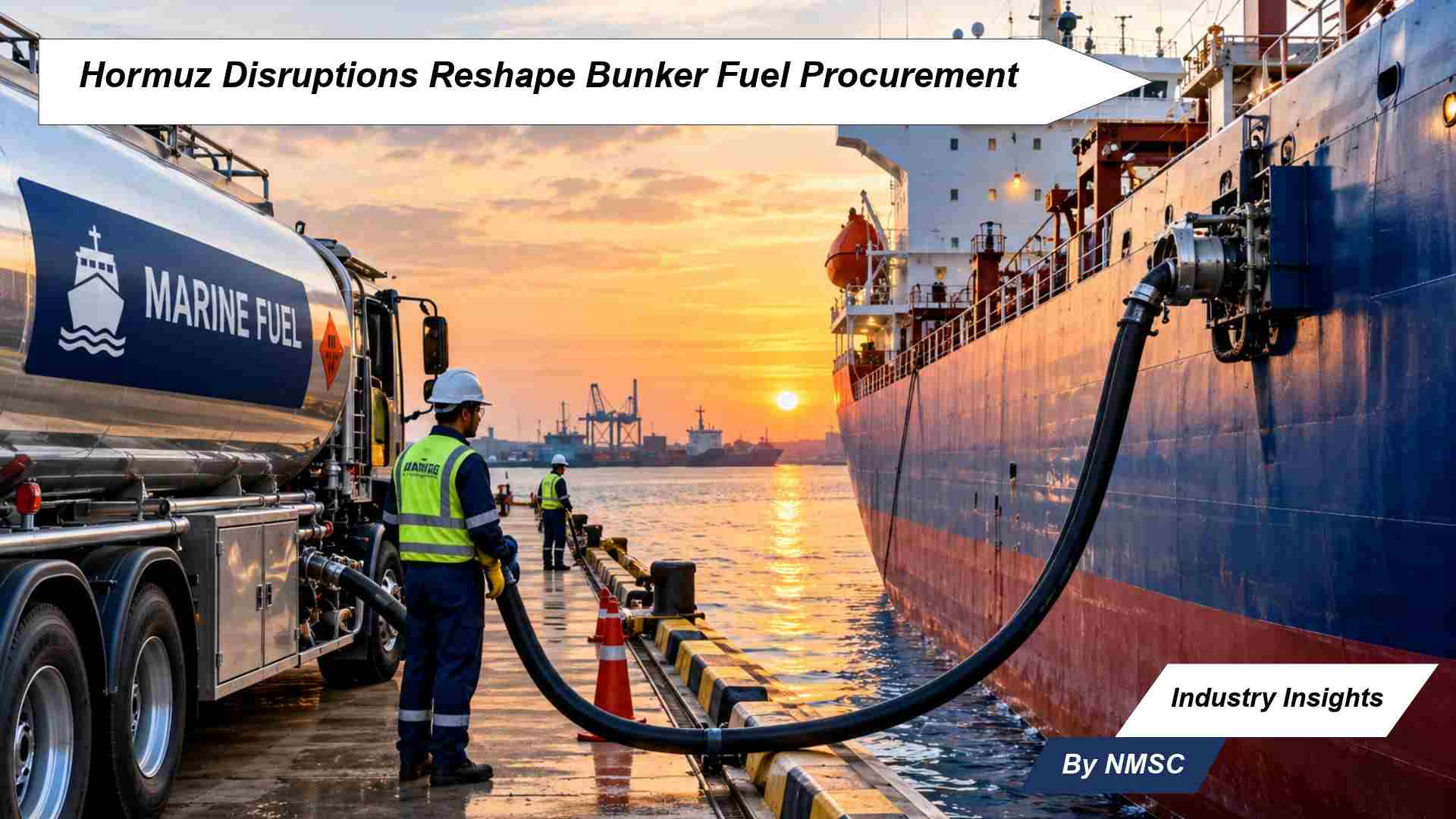
Strait of Hormuz Disruptions Push Shipowners Toward Alternative Bunkering Ports
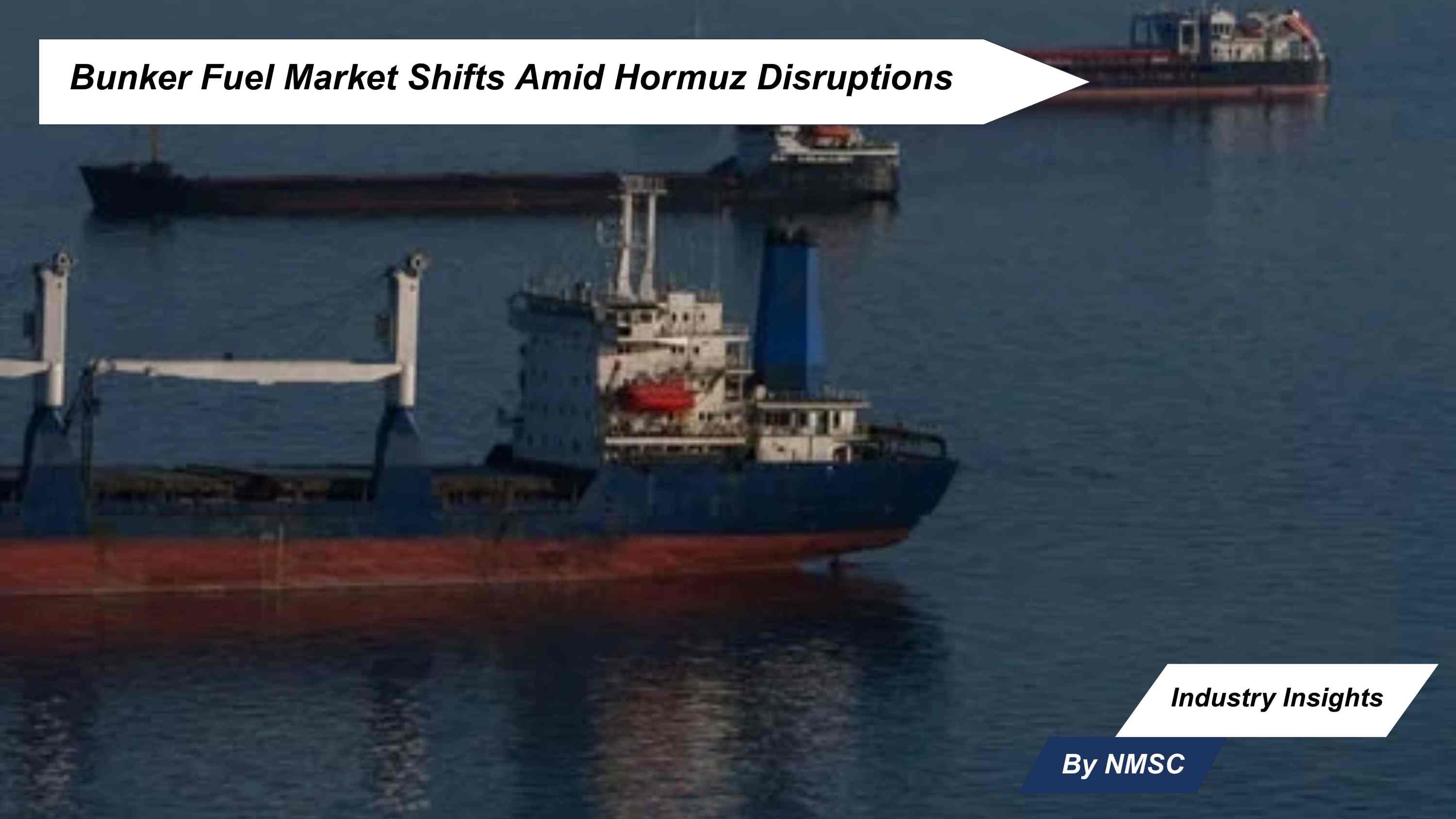
SINGAPORE, Singapore — October 23, 2026 — Disruptions around the Strait of Hormuz are increasing uncertainty across marine-fuel supply chains, prompting shipping companies to reconsider where and how they purchase bunker fuel. The changes highlight growing supply-chain risks for the Bunker Fuel Market, as vessel diversions and interruptions to regional fuel flows complicate procurement decisions.
Main Development
Reuters reported on October 16 that the conflict involving Iran had altered global marine-fuel purchasing patterns. Industry executives said shipowners were increasingly making spot purchases and shortening contracts to limit exposure to volatile prices and uncertain fuel availability.
Contract periods that previously extended for six or 12 months had shortened to approximately one quarter or one month in some cases. Shipowners were also purchasing smaller fuel volumes, allowing vessels to reach their next refuelling port without committing to larger quantities at uncertain prices.
The disruption has also encouraged shipping companies to diversify their refuelling locations. Ports including Port Louis in Mauritius, Colombo in Sri Lanka and Salalah in Oman were being used more frequently, while Pakistan's Gwadar Port offered another option outside the Strait of Hormuz. These changes reflect a broader effort to reduce reliance on traditional bunkering hubs affected by regional instability.
Key Highlights
-
Procurement changes: Shipowners are increasingly using spot purchases and shorter-term contracts to manage fuel-price volatility.
-
Alternative bunkering hubs: Port Louis, Colombo and Salalah are among the ports seeing increased use as shipping companies diversify refuelling locations.
-
Supply-chain resilience: Geographic diversification is becoming more important as vessel diversions and regional disruptions affect fuel availability.
-
Cost uncertainty: Higher fuel prices, freight costs and changing refuelling requirements are complicating marine-fuel procurement decisions.
Analyst Insight
According to analysts at Next Move Strategy Consulting, bunker fuel supply disruptions can affect shipping costs through changes in fuel prices, procurement timing and the availability of suitable refuelling locations. Companies with flexible sourcing arrangements may be better positioned to respond to short-term interruptions, although outcomes depend on local supply conditions and vessel requirements.
NMSC analysts note that diversification across bunkering ports can reduce dependence on individual supply hubs, but it does not eliminate exposure to market-wide price volatility. Reliable access to fuel that meets required specifications remains important when ships refuel at less frequently used locations.
Industry Outlook
Marine-fuel procurement is likely to remain sensitive to security conditions around major shipping routes, the availability of fuel at alternative ports and fluctuations in transportation costs. Shipping companies will need to balance procurement flexibility with fuel quality, vessel operating requirements and the reliability of suppliers.
The longer-term effects on the bunker fuel industry will depend on the duration of regional disruptions and the extent to which alternative bunkering locations can sustain additional demand. LNG and methanol bunkering may also remain relevant to broader marine-fuel diversification strategies, although the reported procurement changes do not establish a direct increase in demand for either alternative fuel.
Source: Reuters
For More Information – Download FREE Sample on Blockchain in Bunker Fuel Market Report
Prepared By: Sanyukta Deb
About the Author
 Sanyukta Deb
— Sanyukta Deb is Digital Marketing Team Lead at Next Move Strategy Consulting, where she has led content strategy and technical SEO for the firm's B2B market research publications for over 2 years. Her editorial process translates NextMSC's primary and secondary research — spanning technology, industrial, and consumer sectors — into commercial narratives, backed by search-intent, keyword, and competitive analysis. She brings 5 years of overall experience in digital marketing and content strategy.
About the Reviewer
 Debashree Dey
— Debashree Dey is Assistant Manager at Next Move Strategy Consulting, where she supports cross-vertical market content and communications across diverse industries for 6 years. Her professional background includes senior content writing, communications, and published manuscript authorship, with experience developing audience-focused business narratives and maintaining clear, consistent messaging. Her role supports research-led content development and editorial quality across NextMSC publications.











Add Comment