Intel Robot Waiver Highlights Semiconductor Equipment Risks
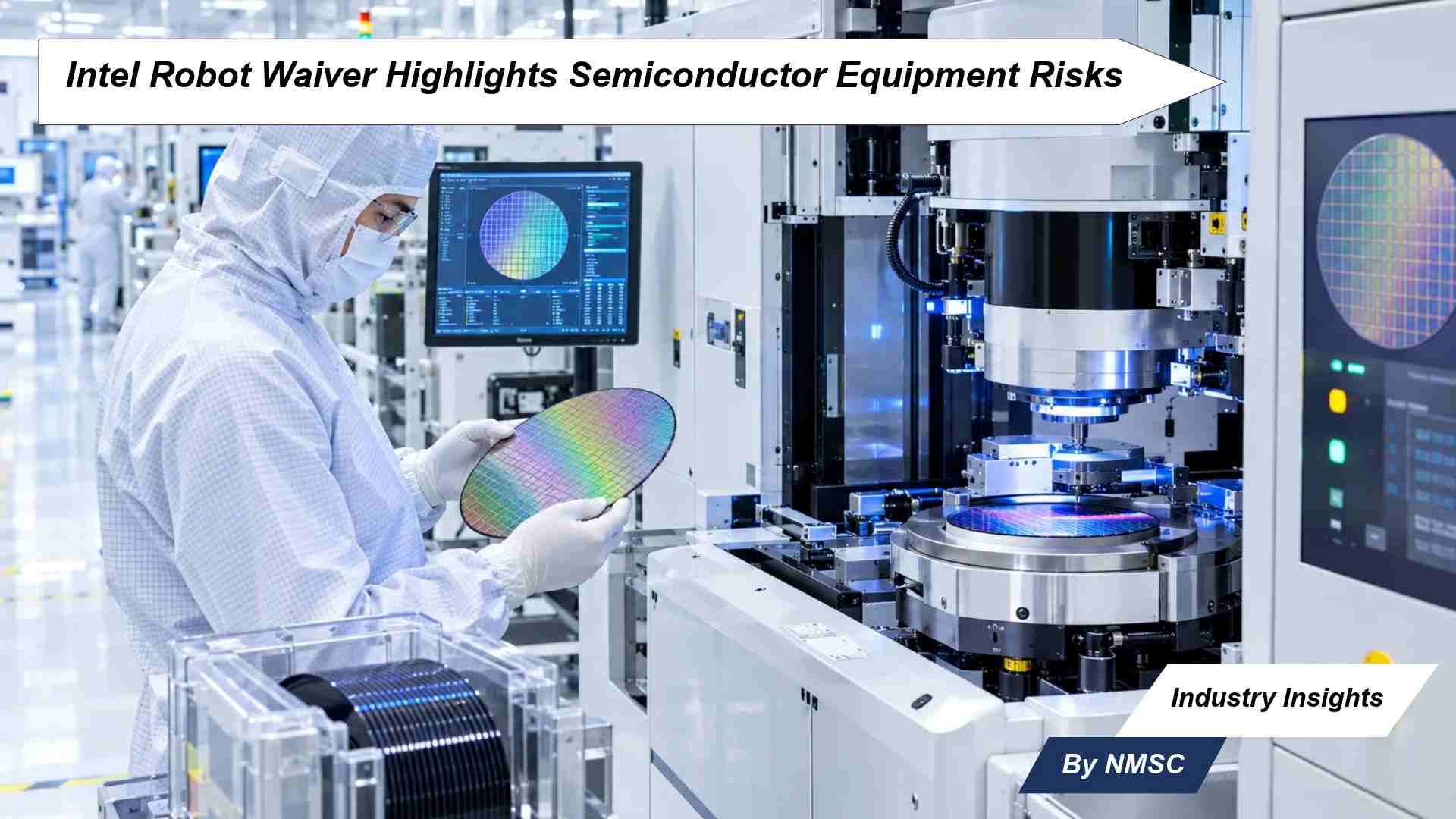
FCC Grants Intel Waiver for Foreign-Made Robots Used in Semiconductor Manufacturing
WASHINGTON, United States — October 22, 2026 — The U.S. Federal Communications Commission (FCC) has granted Intel a one-year waiver allowing the company to continue using certain foreign-made robotic devices critical to semiconductor manufacturing. The decision is intended to prevent disruptions to domestic chipmaking services and highlights the importance of reliable factory automation within the Semiconductor Manufacturing Equipment Market.
Main Development
The FCC granted Intel an exemption from restrictions covering certain foreign-made advanced robotic devices. According to Reuters, Intel had requested the waiver after raising concerns that the restrictions could affect automated guided vehicles used in its semiconductor facilities.
Intel told regulators that the vehicles transport materials inside its manufacturing facilities and have been in operation for more than two decades. The company argued that proven domestic alternatives meeting its operational requirements were limited and that replacing the existing systems could take years and disrupt manufacturing operations.
The decision follows U.S. restrictions introduced in July on imports of certain Chinese robots and power inverters. The FCC has subsequently granted some approvals for specific devices, reflecting the operational challenges associated with implementing restrictions while maintaining manufacturing continuity.
For the semiconductor manufacturing equipment industry, the development highlights a supply-chain consideration extending beyond advanced wafer-processing tools. Material-handling robots and factory automation systems also support manufacturing operations, making their availability relevant to production reliability.
Key Highlights
-
Regulatory exemption: Intel received a one-year FCC waiver covering certain foreign-made robotic devices used in semiconductor manufacturing.
-
Factory automation: Automated guided vehicles transport materials within Intel's semiconductor facilities and support internal manufacturing operations.
-
Replacement challenges: Intel told regulators that suitable domestic alternatives were limited and replacement could take years.
-
Supply-chain implications: The decision highlights the need to balance technology restrictions with continuity in semiconductor manufacturing services.
Analyst Insight
According to analysts at Next Move Strategy Consulting, the development highlights how semiconductor manufacturing equipment demand must be considered alongside the availability of supporting automation technologies. Reliable production depends not only on the installation of advanced manufacturing tools but also on the systems required to move materials through factory operations.
NMSC analysts note that restrictions affecting established equipment can introduce qualification, replacement and operational continuity challenges when suitable alternatives are limited. However, the reported waiver does not establish that Intel experienced production losses or quantify any measurable change in semiconductor equipment demand.
Industry Outlook
The waiver provides Intel with a temporary regulatory exemption for the specified robotic devices, while broader restrictions on certain imported technologies remain relevant to equipment procurement decisions. Manufacturers will continue to face the task of ensuring that factory automation systems meet operational requirements while complying with applicable regulations.
For the semiconductor manufacturing equipment industry, the development underscores the importance of evaluating supply-chain resilience across both advanced production tools and supporting factory infrastructure. The longer-term implications will depend on regulatory developments, the availability of qualified alternatives and manufacturers' ability to maintain reliable operations.
Source: Reuters
For More Information – Download FREE Sample on Blockchain in Semiconductor Manufacturing Equipment Market Report
Prepared By: Sanyukta Deb
About the Author
 Sanyukta Deb
— Sanyukta Deb is Digital Marketing Team Lead at Next Move Strategy Consulting, where she has led content strategy and technical SEO for the firm's B2B market research publications for over 2 years. Her editorial process translates NextMSC's primary and secondary research — spanning technology, industrial, and consumer sectors — into commercial narratives, backed by search-intent, keyword, and competitive analysis. She brings 5 years of overall experience in digital marketing and content strategy.
About the Reviewer
 Debashree Dey
— Debashree Dey is Assistant Manager at Next Move Strategy Consulting, where she supports cross-vertical market content and communications across diverse industries for 6 years. Her professional background includes senior content writing, communications, and published manuscript authorship, with experience developing audience-focused business narratives and maintaining clear, consistent messaging. Her role supports research-led content development and editorial quality across NextMSC publications.
















Add Comment