Netherlands Battery Market is expected to reach USD 14.93 million by 2035
Government Initiatives and Technological Advancements are Driving Up Demand for the Netherlands Battery Market During the Forecast Period.
Netherlands Battery Market valued at USD 2.86 billion in 2025 and reached USD 3.68 billion by 2026. The industry is projected to expand significantly, reaching USD 14.93 billion by 2035, registering a compound annual growth rate (CAGR) of 16.84% from 2026 to 2035. In terms of volume, the market recorded 36.35 million units in 2025, with forecasts indicating growth to 52.96 million units by 2026 and further to 333.44 million units by 2035, reflecting a CAGR of 22.68% over the same period.
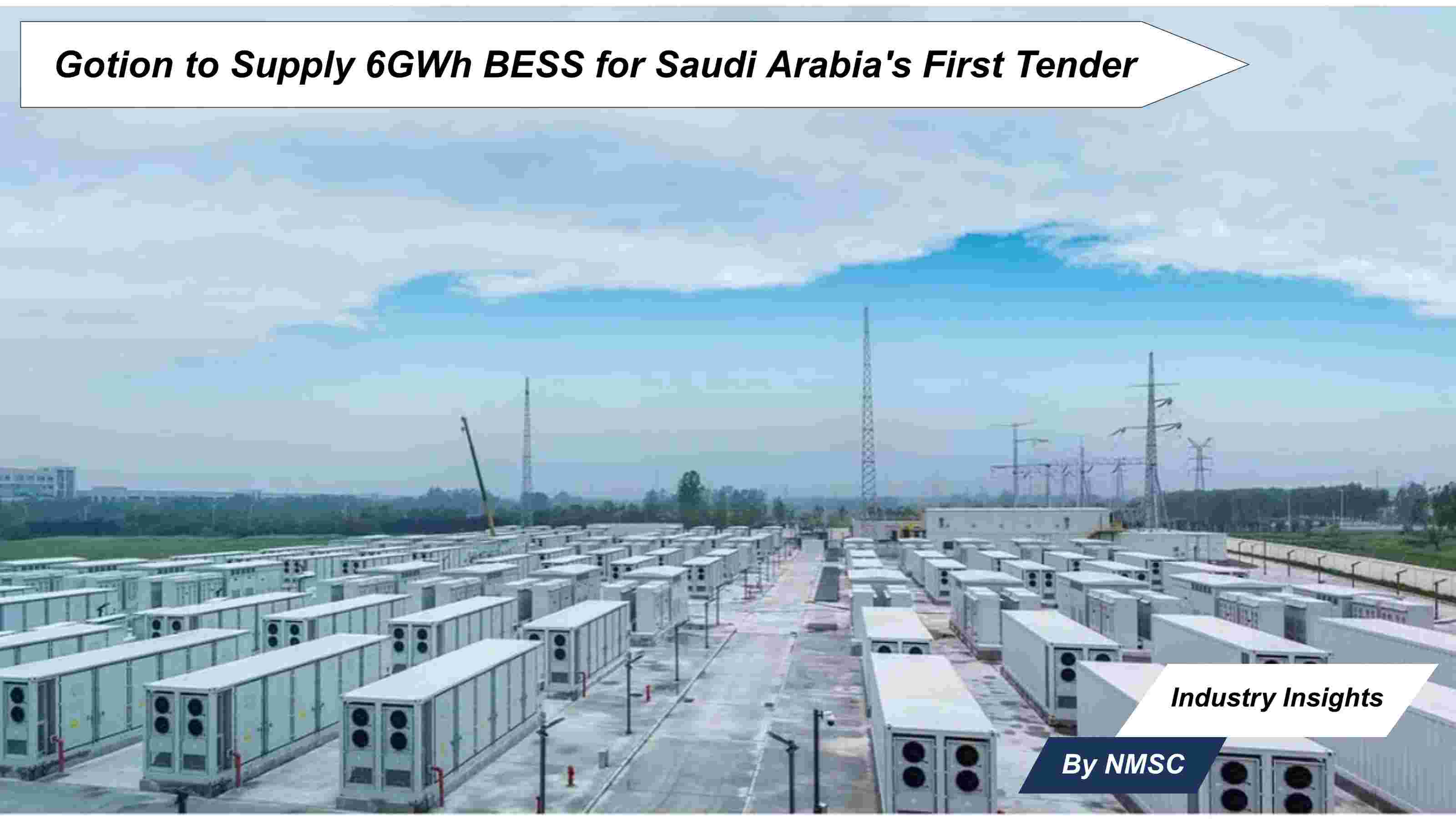
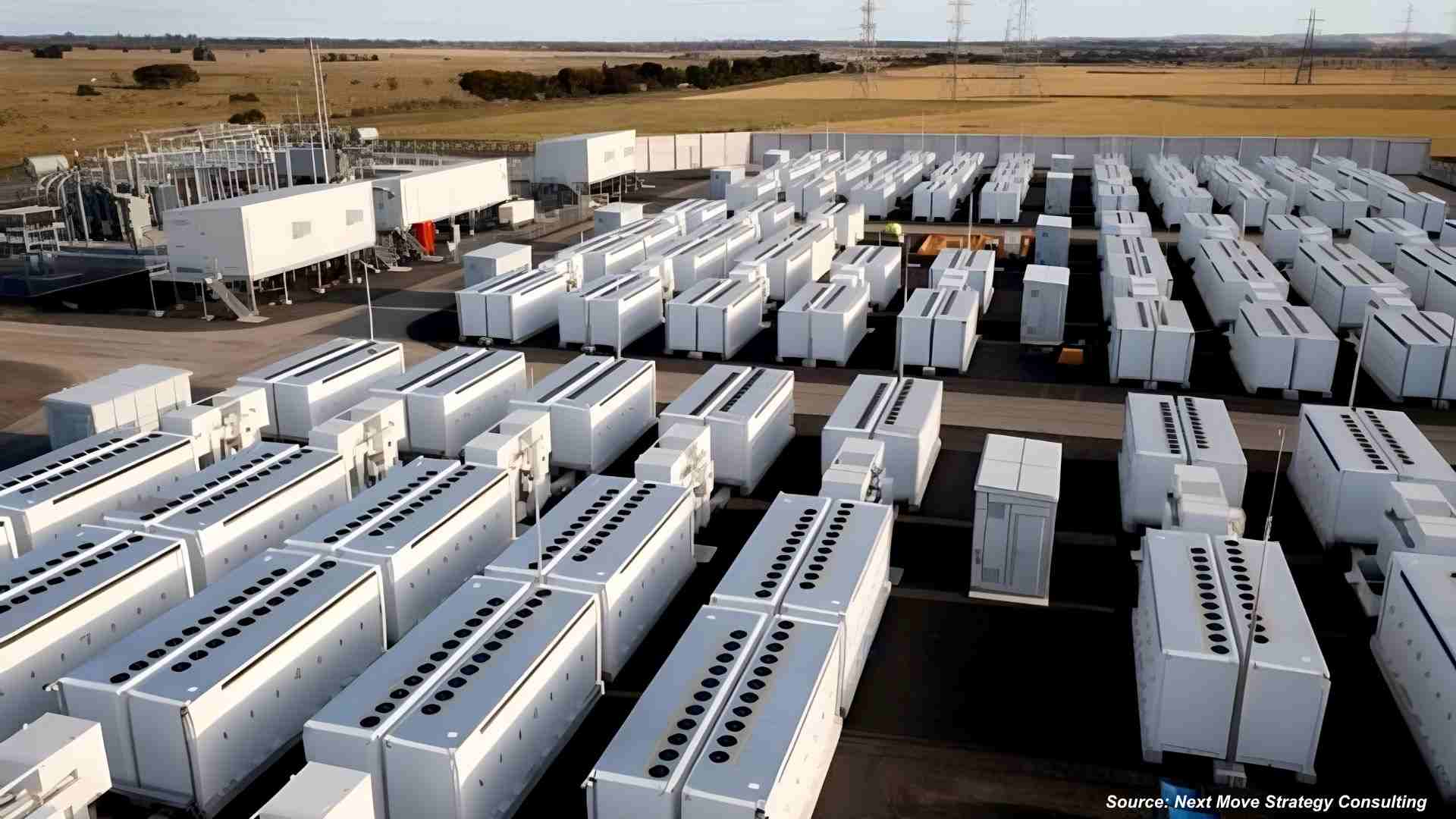
The rising integration of weather-dependent renewable energy sources, such as solar and wind power, alongside a notable shift towards increased electrification, is introducing new complexities in efficiently supplying and managing electricity during periods of high demand. To counter these challenges, the government has introduced a range of measures involving the implementation of battery energy storage systems (BESS) within the country. These systems are strategically designed to rapidly store and distribute electricity to the grid, with the goal of effectively tackling these evolving issues. For instance, in 2020, the EU announced TYNDP plan to facilitate the region’s climate and energy goals. The Ten-Year Network Development Plan (TYNDP) is a long-term plan, released on a 2-yearly basis as per EU regulation on electricity transmission grid. Thus, it is expected to boost the growth of battery market in Netherlands.
However, inadequate handling of batteries can lead to a spectrum of risks affecting both human well-being and the natural environment. Often, batteries that have been utilized or disposed of find their way into landfills, where they deteriorate over time and discharge hazardous substances. Over the course of time, these batteries corrode, permitting their chemical elements to infiltrate the soil, subsequently leading to the pollution of both subterranean and surface water reservoirs. This contamination presents a significant peril to our ecosystem, adversely affecting a diverse range of aquatic flora and fauna due to the presence of harmful battery constituents like mercury, cadmium, lithium, and lead. Thus, it is expected to restrain the growth of the battery market in Netherlands.
On the other hand, the growing adoption of NDBs in various industries, including automotive, aerospace, and electronics, is expected to create future opportunities for the battery market in Netherlands. NDB introduces a revolutionary paradigm for energy generation and storage, redefining the traditional notion of a battery. These pioneering systems, referred to as NDBs, possess enduring characteristics, their longevity achieved by converting the radioactive decay energy from nuclear waste into usable power. The captivating attributes of NDB encompass compactness, modularity, cost-effectiveness, and scalability, spanning from chipsets to industrial applications, thereby serving as pivotal catalysts that nurture growth opportunities within the battery market. Operating as a potent, diamond-based battery employing alpha, beta, and neutron voltaic principles, NDB emerges as an enduring wellspring of sustainable energy for a wide array of applications, effectively surpassing the limitations of prevailing chemical
battery technologies.
Request for a Sample PDF on the Netherlands Battery Market
According to the report, leading players in the Netherlands battery market include Tesla, Inc., VARTA AG, Toshiba Corporation (Energy Systems & Solutions), Panasonic Holdings Corporation, EnerSys, Intercel, Victron Energy B.V., BYD Europe B.V., SolarEdge, Cleantron, Sonnen GmbH, Wattsun, MG Energy Systems B.V., Leclanché SA, Saft Groupe SAS and others.
Key Insights from the Netherlands Battery Market Report:
-
The information related to key drivers, restraints, and opportunities and their impact on the Netherlands battery market is provided in the report.
-
The value chain analysis in the market study provides a clear picture of the roles of each stakeholder.
-
The market share of players in the Netherlands battery market is provided in the report along with their competitive analysis.
About the Author
 Mihul Sharma
— Mihul Sharma is Research Associate at Next Move Strategy Consulting, where he has covered technology, industrial, and healthcare markets for 3 years. His work applies structured business research, market analysis, and secondary-source review to assess market trends, competitive developments, and growth opportunities. He supports report development by fully synthesizing industry data, company information, and market signals into concise findings for strategy and investment-focused research teams.
Mihul Sharma
— Mihul Sharma is Research Associate at Next Move Strategy Consulting, where he has covered technology, industrial, and healthcare markets for 3 years. His work applies structured business research, market analysis, and secondary-source review to assess market trends, competitive developments, and growth opportunities. He supports report development by fully synthesizing industry data, company information, and market signals into concise findings for strategy and investment-focused research teams.
About the Reviewer
 Supradip Baul
— Supradip Baul is an accomplished business consultant and strategist with over a decade of rich experience in market intelligence, strategy, technology, and business transformation. His work has included rigorous qualitative and quantitative analysis across multiple industries, helping clients shape investment decisions and long-term roadmaps. Earlier in his career, he was associated with Gartner, where he contributed to industry-leading reports and market share analyses. He has worked with leading global companies and holds an MBA with a dual specialization in Marketing and Finance.
Supradip Baul
— Supradip Baul is an accomplished business consultant and strategist with over a decade of rich experience in market intelligence, strategy, technology, and business transformation. His work has included rigorous qualitative and quantitative analysis across multiple industries, helping clients shape investment decisions and long-term roadmaps. Earlier in his career, he was associated with Gartner, where he contributed to industry-leading reports and market share analyses. He has worked with leading global companies and holds an MBA with a dual specialization in Marketing and Finance.















Add Comment