Terra Drone’s Defense Entry Signals New Era for UAV Innovation
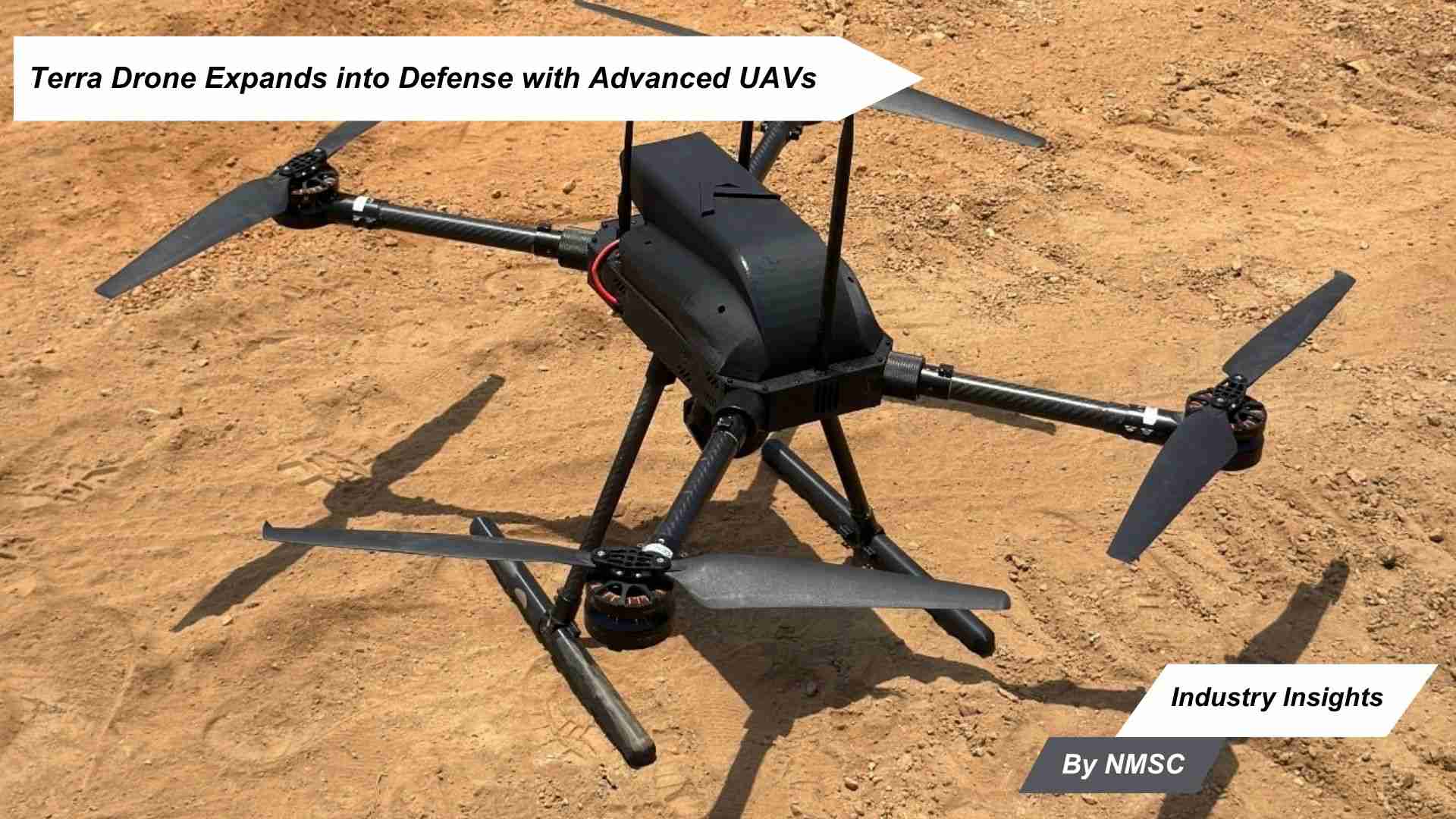
Industry Insights from Next Move Strategy Consulting
As global security dynamics undergo rapid transformation, Terra Drone Corporation’s strategic move into the defense equipment sector marks a pivotal development in the evolution of unmanned aerial technologies. The company’s initiative reflects a broader industry shift, where drones are increasingly recognized as critical assets in modern defense frameworks, offering agility, efficiency, and enhanced operational capabilities.
A Strategic Leap into Defense Capabilities
Terra Drone Corporation, a Japan-based leader in drone and Urban Air Mobility (UAM) technologies, has announced its full-scale entry into the defense equipment domain. Central to this initiative is the planned establishment of its U.S. subsidiary, “Terra Defense,” by the end of fiscal year 2026. This move is designed to build a robust international supply and logistics network tailored to defense operations.
Since its inception, Terra Drone has focused on advancing aerial mobility through drone innovation, gaining extensive operational experience across diverse industries worldwide. By leveraging this expertise, the company now aims to contribute to next-generation defense systems that are rapid to deploy, cost-effective, and highly capable in complex environments.
Evolving Security Landscape Driving UAV Adoption
The decision comes amid a rapidly shifting geopolitical environment, particularly across regions such as the Middle East and the Indo-Pacific. As global defense strategies evolve, the role of technology-driven deterrence has become increasingly critical in safeguarding national security.
Recent conflicts, including the Russia-Ukraine war, have demonstrated the growing reliance on low-cost unmanned systems capable of minimizing risks to human life while maintaining operational effectiveness. This shift has accelerated global investment in unmanned defense technologies, with military drone markets projected to grow steadily in the coming years.
Japan’s own defense strategy further underscores this transition. With increasing regional security challenges and emerging threats such as missiles and unmanned aerial systems, the country is prioritizing the integration of unmanned assets into its defense infrastructure. Government initiatives, including large-scale budget allocations and the development of multilayered defense frameworks, highlight drones as a central component of future security strategies.
Building a Scalable Global Defense Infrastructure
A key pillar of Terra Drone’s strategy is the establishment of “Terra Defense” in the United States. This entity will oversee import-export operations, logistics, and technology collaboration, enabling the company to respond efficiently to international defense demands.
Beyond infrastructure, Terra Drone plans a phased expansion into global markets, including Japan, Ukraine, NATO member states, and other regions facing similar security challenges. Each market presents unique opportunities, from integrating advanced civilian technologies into domestic defense systems to leveraging real-time battlefield insights for agile product development.
This global approach aligns with increasing international demand for interoperable, scalable, and rapidly deployable unmanned systems capable of addressing diverse operational requirements.
Expanding Next-Generation Unmanned Asset Portfolio
Terra Drone is also advancing the development of a comprehensive portfolio of unmanned systems across land, air, and sea. These include a wide range of technologies designed to address evolving defense needs:
-
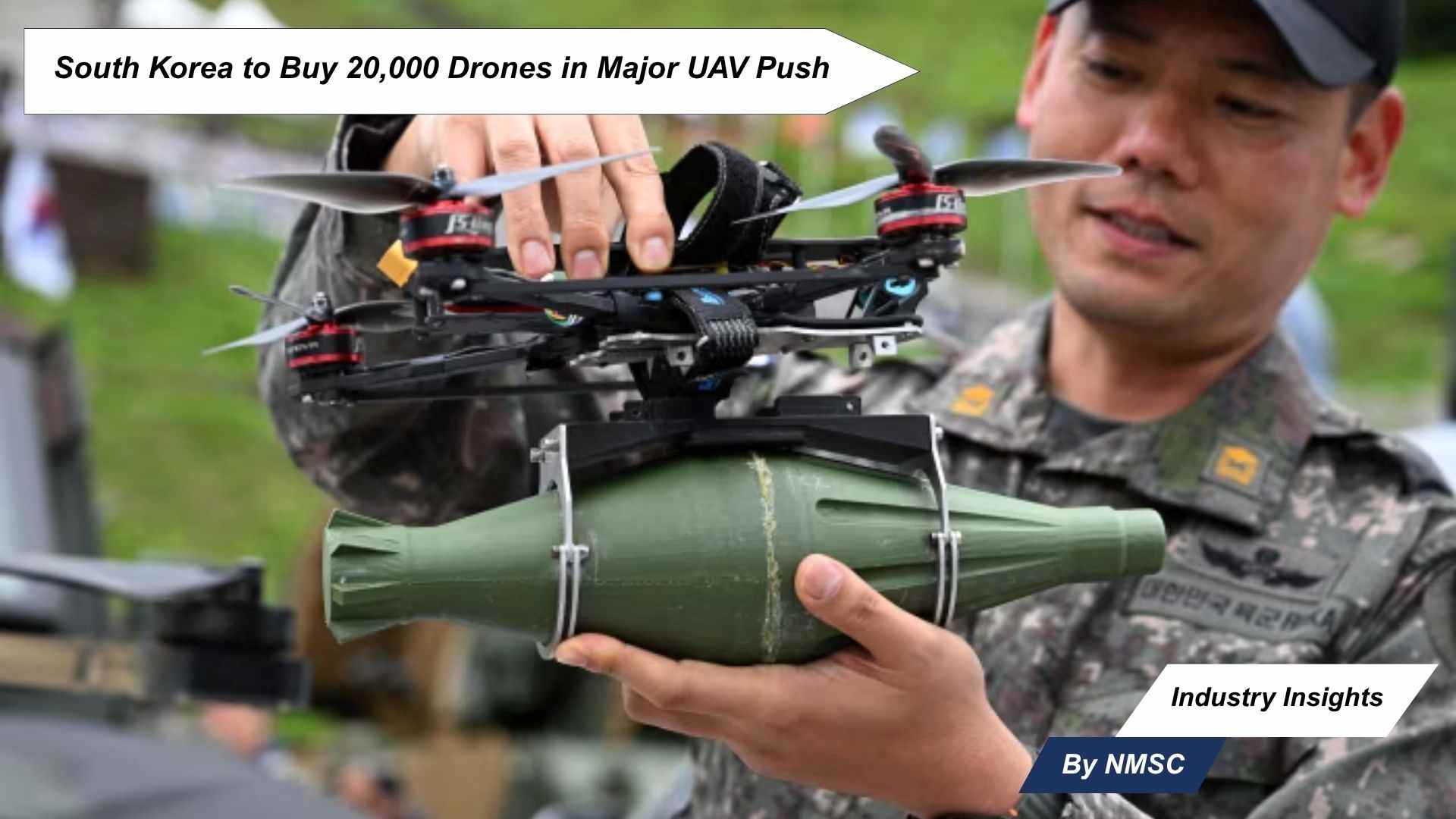
FPV Drones: Engineered for low-altitude threat response, with certain models incorporating fiber-optic systems for stable operation in challenging environments.
-
Interceptor Drones: Including rocket-type, fixed-wing, and jet-powered variants designed for efficient threat neutralization and wide-area coverage.
-
Reconnaissance Drones (ISR): Equipped with advanced imaging and sensor capabilities for real-time intelligence gathering.
-
Unmanned Surface Vessels (USVs): Supporting maritime and coastal defense operations.
-
OSA-Related Systems: Platforms tailored for international security cooperation under official assistance frameworks.
These innovations are intended to enhance defense readiness by providing layered protection capabilities and improving situational awareness across operational domains.
Leadership Perspective on Defense Transformation
Toru Tokushige, CEO of Terra Drone, emphasized the strategic significance of this move, stating that the advancement of drone technology is fundamentally reshaping the nature of security and defense. He highlighted the company’s commitment to leveraging its global operational expertise to support digital transformation in defense, enhance public safety, and strengthen international deterrence.
Next Move Strategy Consulting’s View
According to Next Move Strategy Consulting, Terra Drone’s entry into the defense equipment space underscores a critical inflection point for the global Drone Market. As geopolitical uncertainties intensify, unmanned systems are transitioning from supplementary tools to core defense assets.
The increasing allocation of defense budgets toward unmanned technologies, combined with the need for scalable and cost-efficient solutions, is expected to drive sustained demand for advanced drone systems. Furthermore, the integration of drones across multi-domain operations spanning land, air, and sea signals a shift toward more interconnected and adaptive defense ecosystems.
Terra Drone’s focus on global expansion, diversified product development, and logistics optimization positions it to capitalize on these emerging opportunities while contributing to the broader modernization of defense infrastructures worldwide.
Redefining the Role of Drones in Modern Defense
Terra Drone’s strategic initiative highlights the growing importance of unmanned systems in addressing contemporary security challenges. By combining technological innovation with global operational capabilities, the company is poised to play a significant role in shaping the future of defense.
As nations continue to adapt to evolving threats and prioritize advanced defense mechanisms, the integration of drones into core security frameworks is no longer optional—it is becoming essential. Terra Drone’s move reflects this transformation, marking a new chapter in the application of UAV technologies for global defense resilience.
Source: Terra Drone
Prepared by: Next Move Strategy Consulting
About the Author
 Sanyukta Deb
— Sanyukta Deb is Digital Marketing Team Lead at Next Move Strategy Consulting, where she has led content strategy and technical SEO for the firm's B2B market research publications for over 2 years. Her editorial process translates NextMSC's primary and secondary research — spanning technology, industrial, and consumer sectors — into commercial narratives, backed by search-intent, keyword, and competitive analysis. She brings 5 years of overall experience in digital marketing and content strategy.
Sanyukta Deb
— Sanyukta Deb is Digital Marketing Team Lead at Next Move Strategy Consulting, where she has led content strategy and technical SEO for the firm's B2B market research publications for over 2 years. Her editorial process translates NextMSC's primary and secondary research — spanning technology, industrial, and consumer sectors — into commercial narratives, backed by search-intent, keyword, and competitive analysis. She brings 5 years of overall experience in digital marketing and content strategy.
About the Reviewer
 Debashree Dey
— Debashree Dey is Assistant Manager at Next Move Strategy Consulting, where she supports cross-vertical market content and communications across diverse industries for 6 years. Her professional background includes senior content writing, communications, and published manuscript authorship, with experience developing audience-focused business narratives and maintaining clear, consistent messaging. Her role supports research-led content development and editorial quality across NextMSC publications.
Debashree Dey
— Debashree Dey is Assistant Manager at Next Move Strategy Consulting, where she supports cross-vertical market content and communications across diverse industries for 6 years. Her professional background includes senior content writing, communications, and published manuscript authorship, with experience developing audience-focused business narratives and maintaining clear, consistent messaging. Her role supports research-led content development and editorial quality across NextMSC publications.















Add Comment