Uzbekistan Uranium Expansion Reshapes Mining Supply Outlook
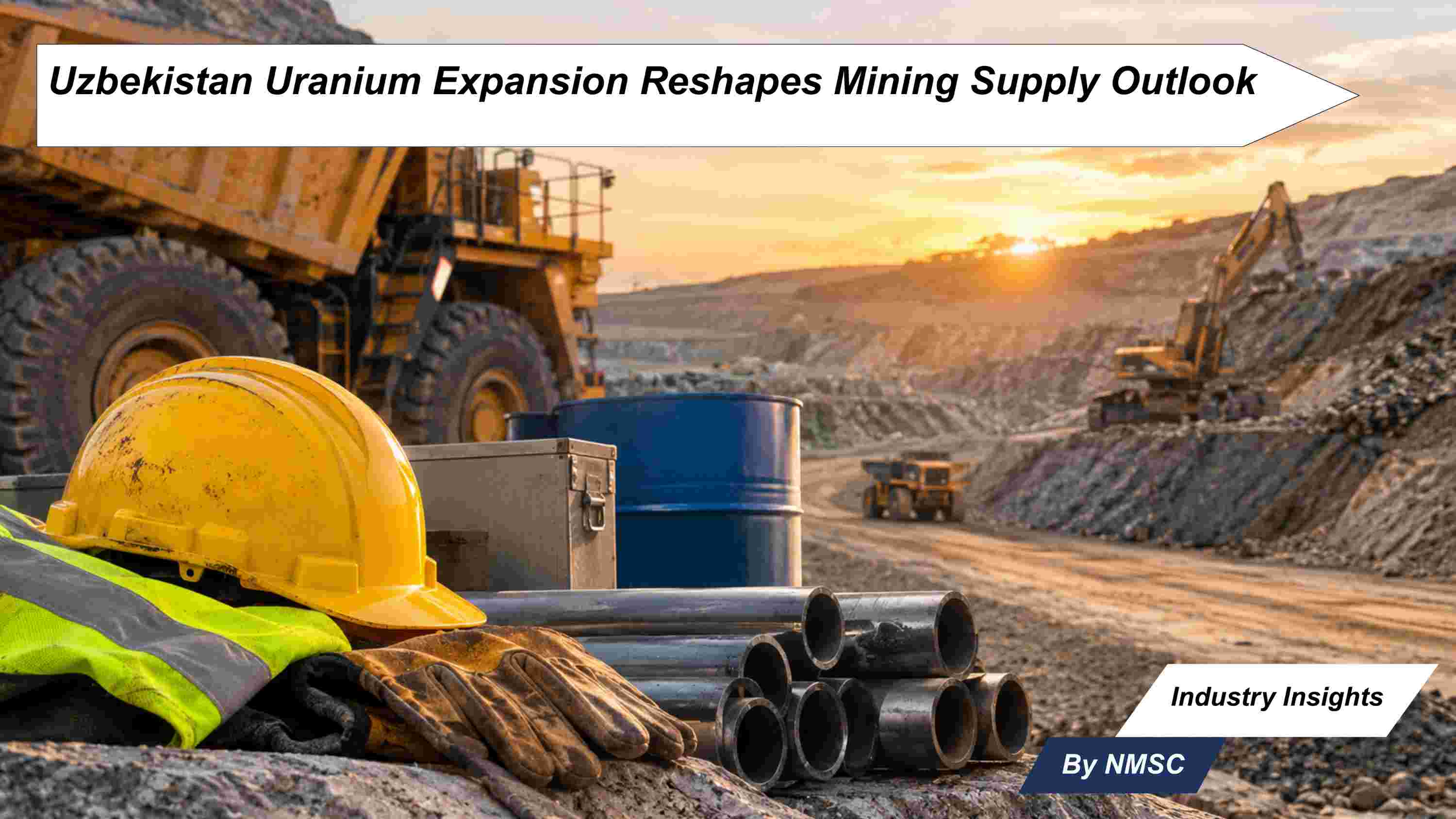
Uzbekistan Plans to Double Uranium Output to 15,000 Tonnes by 2030 With In-Situ Recovery Expansion
TASHKENT, Uzbekistan — November 12, 2026 — Uzbekistan plans to double its uranium production by 2030, raising output at state producer Navoiyuran from about 7,500 tonnes this year to 15,000 tonnes. The expansion adds exploration, production infrastructure and in-situ recovery capacity, with relevance for the global
World Nuclear News reported on November 10 that President Shavkat Mirziyoyev made the remarks during a presentation on 2026 priorities for Navoiyuran and related state enterprises. He said the company must make full use of alternative production technologies.
Officials told the president that world demand for uranium raw materials rose 15–20% in recent years and is expected to grow a further 28% by 2030. The plan also targets explored reserves of 200,000 tonnes.
Planned 2026 measures include expanded geological exploration and technological drilling, development of production infrastructure, additional sorption units and 250 new jobs. Uzbekistan also aims to raise the share of alternative reagents to sulphuric acid, which is vital for in-situ recovery, to 40% by 2030.
According to Next Move Strategy Consulting, the global uranium mining industry is estimated at USD 13.61 billion in 2026 and is projected to reach USD 27.73 billion by 2035, at a CAGR of 8.23% from 2026 to 2035.
Key Highlights:
-
Navoiyuran’s output target rises from 7,500 tonnes this year to 15,000 tonnes by 2030.
-
Commercial production began in April 2026 at the Qizilkok deposit, with planned annual capacity of 1,200 tonnes and an estimated mine life of 15 years.
-
All Uzbek uranium has been produced by in-situ recovery since the mid-1990s.
-
Navoiyuran reported strong first-half 2026 financial performance, driven by higher sales volumes and a higher average realised price.
Analyst Insight:
According to analysts at Next Move Strategy Consulting, in-situ recovery is the leading extraction method, with a share of about 57%, and Asia-Pacific held about 55% of the industry in 2025, anchored by in-situ recovery output from Kazakhstan and Uzbekistan. NMSC analysts note that reagent and transport disruption is among the main restraints on the industry, which makes Uzbekistan’s plan to widen its reagent supply relevant to the delivery of its targets.
Industry Outlook:
Uzbekistan’s plan adds to the expansion plans of established uranium producers in Central Asia. Delivery will depend on exploration results, new sorption capacity and a stable supply of reagents. Navoiyuran’s progress toward the 2030 target will indicate how much additional supply Uzbekistan can contribute.
Source: World Nuclear News
For More Information: Download FREE Sample on Uranium Mining Market Report
Prepared By: Sanyukta Deb
About the Author
 Sanyukta Deb
— Sanyukta Deb is Digital Marketing Team Lead at Next Move Strategy Consulting, where she has led content strategy and technical SEO for the firm's B2B market research publications for over 2 years. Her editorial process translates NextMSC's primary and secondary research — spanning technology, industrial, and consumer sectors — into commercial narratives, backed by search-intent, keyword, and competitive analysis. She brings 5 years of overall experience in digital marketing and content strategy.
About the Reviewer
 Debashree Dey
— Debashree Dey is Assistant Manager at Next Move Strategy Consulting, where she supports cross-vertical market content and communications across diverse industries for 6 years. Her professional background includes senior content writing, communications, and published manuscript authorship, with experience developing audience-focused business narratives and maintaining clear, consistent messaging. Her role supports research-led content development and editorial quality across NextMSC publications.













Add Comment